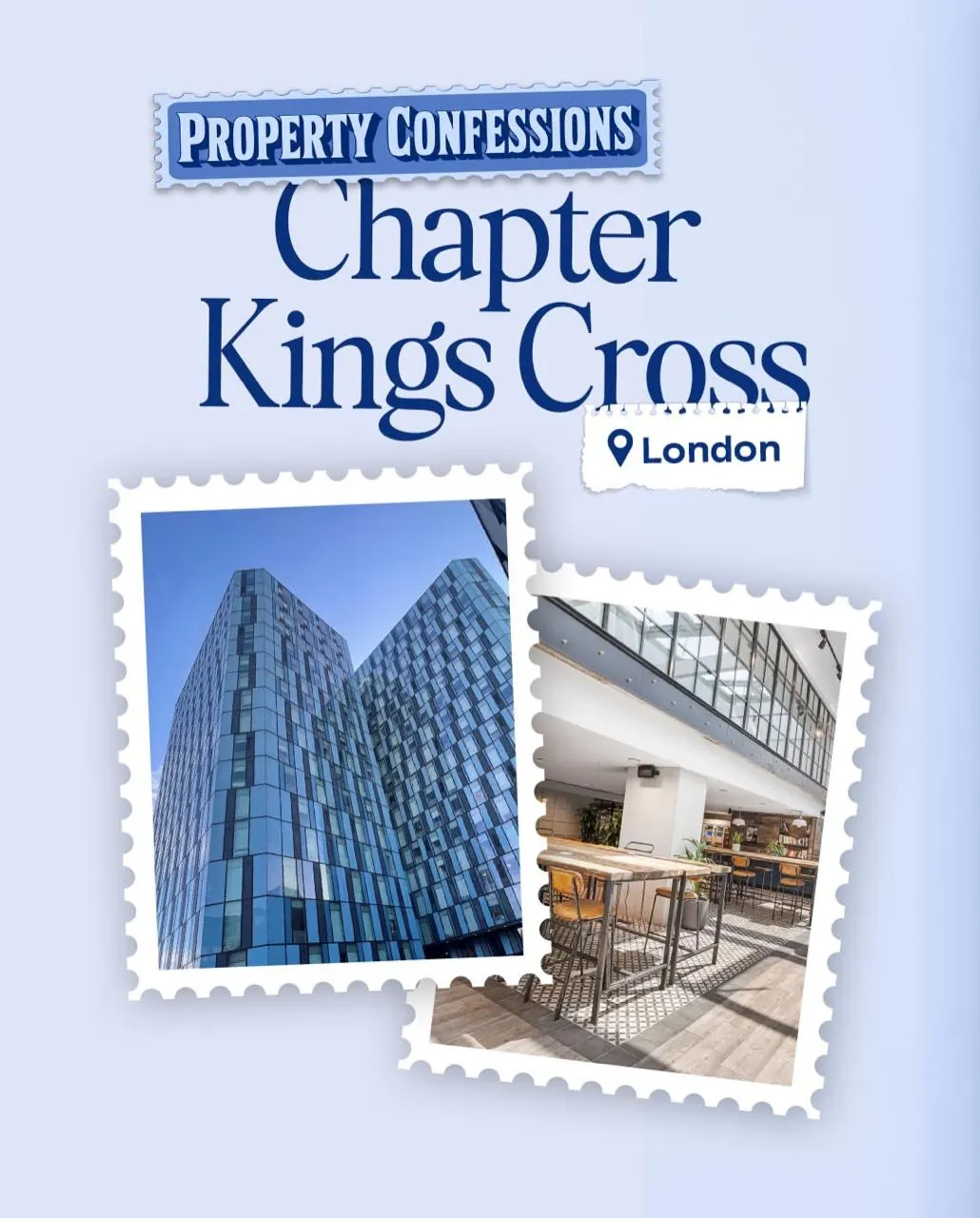
It depends, purpose-built student accommodation (PBSA) is not always cheaper per week than a private rental, but once you include bills, furniture and contract flexibility, it often works out comparable or better value, especially for first-years and international students. A private shared house usually has a lower headline rent, but you add gas, electricity, water, internet and contents insurance on top, while most student accommodation bundles all of these into one weekly price. My tip: never compare on headline rent alone, always compare the all-in cost, which is the only fair way to judge whether student accommodation or renting is cheaper for you.
What is included in student accommodation vs renting?
Student accommodation (PBSA) typically includes all bills, Wi-Fi, contents insurance, security, maintenance and amenities in one price, whereas private renting usually means rent plus separate bills, set-up costs and often furnishing. With PBSA you get a predictable single payment and no surprise utility bills, while a private rental gives you a lower base rent but variable costs you manage yourself. My tip: list every cost for each option, rent, gas, electricity, water, broadband, insurance, before deciding, because the "cheaper" rental can cost more once bills land.
Is a private house share cheaper than PBSA?
A private house share usually has a lower weekly rent than PBSA, but the gap narrows or disappears once you add bills, and PBSA wins on convenience and predictability. House shares are often the cheapest option for second and third years who are happy to manage bills and split costs with friends, while PBSA suits those who value all-inclusive simplicity and amenities. My tip: house shares tend to be cheapest for organised groups, but if you want one fixed payment and no bill admin, PBSA is often worth the small premium.
What hidden costs should I watch for when renting privately?
When renting privately, watch for set-up costs, deposits, agency fees, summer "void" rent, utility bills, and council tax exemptions you must claim. A private tenancy often runs 12 months (so you pay through summer even if you go home), needs a deposit protected in a scheme, and requires you to set up and pay utilities, while full-time students must actively claim council tax exemption. My tip: factor the full 12-month commitment and bills into a private rental before assuming it is cheaper than a 44 or 51-week student accommodation contract.
Does student accommodation save money for international students?
Yes, student accommodation often saves international students money and stress, because it is all-inclusive, furnished, bookable from abroad, and avoids the UK guarantor and credit-check hurdles of private renting. International students renting privately often need a UK-based guarantor or several months' rent upfront, whereas PBSA is designed for booking before arrival with clearer terms. My tip: for your first year as an international student, all-inclusive student accommodation is usually the easier and safer choice, then consider a private house share once you know the city and have a guarantor sorted.
When is renting privately the cheaper option?
Renting privately is usually cheaper when you are in a group sharing a house, happy to manage bills, and staying in the city over summer, which is why many second and third years switch to house shares. Splitting a house between four or five friends lowers the per-person rent, and if you use the property year-round the longer contract is less wasteful. My tip: if you have a reliable group and want the lowest per-person cost, a private house share usually wins, just budget honestly for bills and the full contract length.
How does Acolyte Living help me compare and save?
Acolyte Living lists verified student accommodation with clear, all-inclusive pricing, so you can compare the true cost against private renting and choose what genuinely saves you money. My tip: compare the all-in weekly cost of a PBSA room against a private house share plus bills, browse the full UK accommodation range, and read my guide on how much student accommodation costs in the UK to benchmark prices before you decide.
FAQs
Is student accommodation cheaper than renting?
It depends. Purpose-built student accommodation is not always cheaper per week, but once you include bills, furniture and contract flexibility, it is often comparable or better value, especially for first-years and international students. Always compare the all-in cost, not just headline rent.
What is included in student accommodation vs renting?
Student accommodation usually includes all bills, Wi-Fi, insurance, security and maintenance in one price, while private renting means a lower base rent plus separate bills, deposits, set-up costs and often furnishing you manage yourself.
Is a private house share cheaper than PBSA?
A house share usually has a lower weekly rent, but the gap narrows once you add bills. House shares are often cheapest for organised groups in later years, while PBSA wins on all-inclusive convenience and amenities.
Does student accommodation save international students money?
Often yes, because it is all-inclusive, furnished, bookable from abroad, and avoids the UK guarantor and credit-check hurdles of private renting. It is usually the easier, safer choice for a first year.
When is renting privately cheaper?
When you are in a group sharing a house, happy to manage bills, and using the property over summer. Splitting a house between four or five friends lowers the per-person rent, making house shares popular for second and third years.