
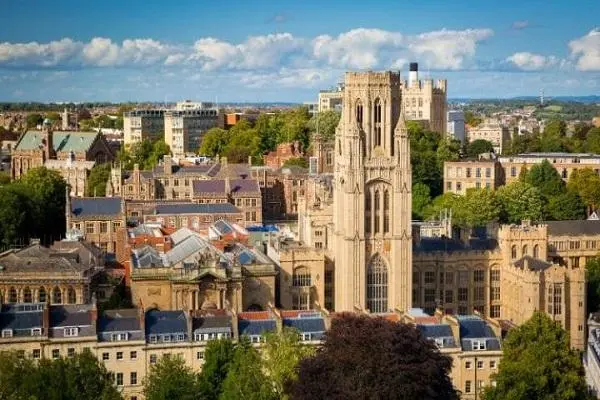
UNIVERSITY
Verified student homes near University of Bristol — vibrant city living in Clifton, Redland, and Stokes Croft with easy access to campus and Bristol's world-class cultural scene.

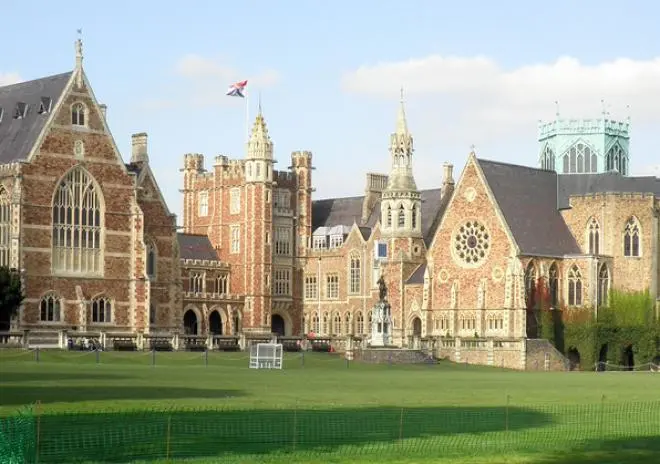
Campus
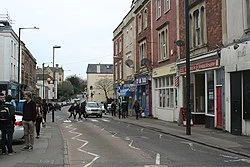
Campus
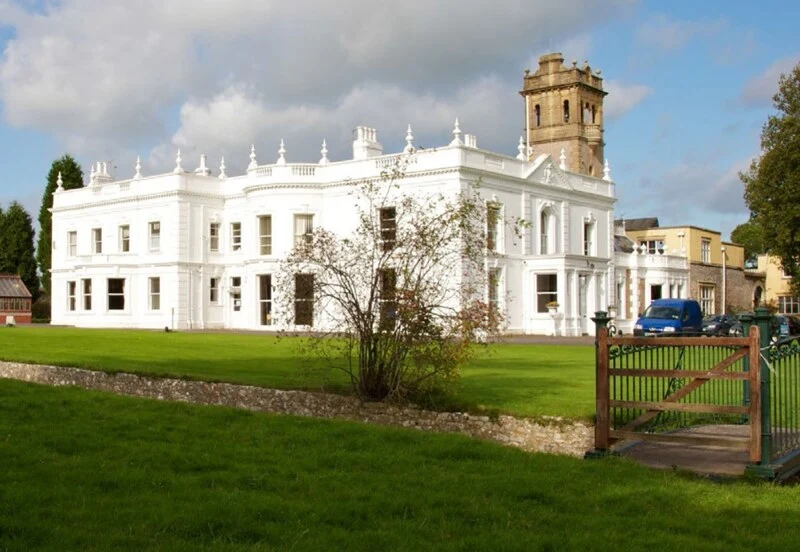
Campus
ACOLYTE COMMUNITY
Verified student homes near University of Bristol.
Za Za Bazaar
15MOne of the UK's largest restaurants — a world buffet with Indian, Chinese, Japanese, and Mediterranean live cooking stations. Student discount all week except Saturday. A Bristol rite of passage.
Boston Tea Party — Clifton
WalkBristol's best-loved independent café chain. Clifton branch is the definitive study spot — great coffee, all-day food, warm interiors. Always packed but always worth it.
Wapping Wharf Street Food
20MShipping containers turned into independent restaurants along the Harbourside. International street food, riverside tables, and some of the most inventive food in the city.
EARN CASH FOR REFERRALS
Tell a friend — and earn real cash — paid straight to your bank
Refer Now →Student Ambassador
University of Bristol
Research Assistant
UoB Research Departments
Barista / Café Staff
Boston Tea Party / Clifton
Front of House
Wapping Wharf Restaurants
We created the Acolyte Scholarship to give international students — including University of Bristol students — a meaningful head start on the biggest financial challenge of studying abroad: the cost of housing.
Bristol is notoriously competitive. Most students — especially those wanting shared houses in Clifton, Redland, or Cotham — start their search in January for the following September. This is not an exaggeration: the best properties in the most popular areas are often gone by February. Starting in April or May means working with what's left.
Clifton is closer to campus, more prestigious, and more expensive — Georgian architecture, boutique shops, and the Suspension Bridge as your daily commute. Redland is slightly further (20 min walk) but offers better value, a similarly leafy vibe, and Chandos Road — one of Bristol's best strips of independent bars and restaurants. Most first-generation Bristol students want Clifton; most students who've lived there for a year choose Redland.
Yes. Many landlords in Bristol accept overseas guarantors. For those requiring a UK guarantor, services like Housing Hand are widely accepted. Bristol's rental market is competitive but very familiar with international students — UoB has a significant international community.
Significantly more affordable. Shared houses in Redland and Cotham average £650–£850/month per person — compared to £900–£1,100 in equivalent London areas. Clifton itself is higher, but still cheaper than central London. Bristol is often cited as offering the best quality of student life per pound spent of any UK city outside Scotland.
Most listings include water, electricity, and broadband. Always clearly stated on every listing — no hidden extras after signing.
The University of Bristol is one of the UK's leading research universities, located in the centre of Bristol in the southwest of England. Founded in 1909, it was the first university in England to admit women on the same terms as men. It is a member of the Russell Group and holds a consistent position in the UK top ten across all the major national league tables.
Bristol has around 24,000 students from over 150 countries. The university has particular depth in Engineering, Law, Medicine, Veterinary Science, Education, Computer Science, Mathematics, Physics, Philosophy, and the Social Sciences. Several of its departments rank in the national top five.
The city matters here too. Bristol is one of the UK's most liveable cities, with a creative and independent culture, a strong music and arts scene, a genuinely diverse food offer, and an economy that has grown significantly in tech, aerospace, and the creative industries.
Bristol is also one of the most walkable university environments in the UK. The main university buildings, the student union, the libraries, and the majority of the undergraduate colleges are all within a short walk of the city centre and of each other.
The University of Bristol does not have a single enclosed campus. Its buildings are spread across the clifftop areas of Clifton and Tyndall's Park on the northern and western edges of Bristol city centre, with additional sites in Stoke Bishop for student accommodation and in Langford for veterinary and biological sciences.
The central precinct around Tyndall Avenue and University Road contains the Wills Memorial Building, the Victoria Rooms, Senate House, and the main administrative and humanities buildings. The Wills Memorial Building, completed in 1925, is the university's most recognisable structure — a Gothic tower visible from much of the city.
The Hawthorns and Stoke Bishop student village, located approximately two miles west of the city centre, is where the university concentrates its first-year undergraduate accommodation. Most first-year students spend their first year here before moving into private housing in Clifton, Redland, Cotham, or Stokes Croft.
The Faculty of Engineering and Science are based slightly north of the central precinct, with significant research infrastructure including the Bristol Robotics Laboratory — one of the largest dedicated robotics research facilities in Europe.
The University of Bristol ranks consistently in the UK top seven to ten. In the Complete University Guide 2026, Bristol places in the top seven nationally. In the QS World University Rankings 2025, Bristol places within the global top 55.
At subject level, the rankings are impressive across a wide range of disciplines. Computer Science ranks in the national top five. Mathematics ranks in the top ten nationally. Law is consistently in the national top ten. Veterinary Science is one of only seven university-level programmes in the UK. Civil and Mechanical Engineering, Education, and Philosophy are all in the national top ten.
The university performs well in graduate employment metrics, with Bristol graduates among the most sought after by major employers across professional services, engineering, healthcare, and the public sector.
Bristol is an excellent university, and for students choosing it on the basis of its strongest subjects it sits among the very best options in the UK outside Oxford and Cambridge.
For Computer Science, Bristol is one of the strongest departments in the country with genuine research culture in machine learning, cybersecurity, programming languages, and computer vision. For Law, Bristol Law School has a strong tradition in commercial and company law and in public law. For Medicine, Bristol is one of a small number of UK universities with a full undergraduate medical school, with clinical teaching done within a major NHS Trust in the centre of a large and diverse city.
For Engineering, Bristol has one of the strongest engineering faculties in the country in Aerospace, Civil, and Electrical Engineering. The Aerospace programme benefits from the proximity of Airbus UK operations in Filton.
Bristol University reviews from students consistently praise the quality of the city, the research depth in the strongest departments, the independent social culture, the quality of the library facilities, and the practical advantage of studying in a city with a strong local graduate employment market.
The University of Bristol acceptance rate is estimated at approximately 55 to 68% overall. In its most competitive programmes the effective acceptance rate is considerably lower.
| Course | Acceptance Rate | A-Level Offer | UCAS Points |
|---|---|---|---|
| Medicine MBChB | ~8-14% | A*AA + UCAT | 144+ |
| Veterinary Science | ~10-16% | A*AA + UCAT | 144+ |
| Law LLB | ~25-35% | AAA + LNAT | 136+ |
| Computer Science | ~28-38% | A*AA-AAA | 144-136 |
| Mathematics | ~32-42% | A*AA-AAA | 144-136 |
| Physics | ~38-50% | A*AA-AAA | 144-136 |
| Aerospace Engineering | ~35-48% | A*AA-AAA | 144-136 |
| Economics | ~32-44% | A*AA-AAA | 144-136 |
| Psychology | ~30-42% | AAA | 136 |
| History | ~42-55% | AAA-AAB | 136-128 |
| Education (PGCE) | ~55-65% | 2:2 degree minimum | N/A |
Note: Acceptance rates are estimates and vary year on year. Always verify current requirements directly at bristol.ac.uk before applying.
The University of Bristol organises its teaching across six faculties: Arts, Engineering, Health Sciences, Life Sciences, Science, and Social Sciences and Law.
The Faculty of Arts covers Archaeology, Classics, English, Film and Television, History, History of Art, Music, Philosophy, and Theatre. The Philosophy department is one of the most research-active in the UK.
The Faculty of Engineering covers Aerospace, Civil, Computer Science, Electrical and Electronic, Engineering Design, Engineering Mathematics, and Mechanical Engineering — several ranking in the national top ten.
The Faculty of Health Sciences covers Medicine, Nursing and Midwifery, and allied health programmes. Medical education is delivered across the main university site and major NHS hospitals in central Bristol.
The Faculty of Life Sciences covers Biochemistry, Biological Sciences, Cell Biology, and Veterinary Science — taught at the Langford campus where the university operates a full teaching veterinary hospital.
The Faculty of Social Sciences and Law covers Accounting and Finance, Economics, Education, Law, Politics, Social Policy, and Sociology. The Law School and Graduate School of Education are the two most highly ranked units within this faculty.
The Arts and Social Sciences Library (ASS Library) is one of the University of Bristol's main library facilities, located on Tyndall Avenue in the central university precinct adjacent to the Wills Memorial Building. It is the primary library resource for students in the humanities, social sciences, and law.
The library holds extensive print collections in History, English, Law, Philosophy, Sociology, Politics, Economics, and Education, alongside full text databases, e-journals, and digital primary sources. Legal databases including Westlaw, LexisNexis, and Practical Law are all accessible through the library portal.
The building provides multiple study environments: silent individual study floors, group study rooms that can be booked in advance, computer clusters with specialist academic software, and open-access seating. The library extends its hours substantially during the examination and assessment period.
Subject librarians are assigned to all major subject areas and offer individual appointments for literature searching support, reference management guidance, and research planning.
The University of Bristol operates a three-term academic year: Autumn, Spring, and Summer, each covering approximately twelve weeks from the start of teaching to the end of formal assessment.
Autumn Term typically begins in late September or early October and runs to mid-December, including Welcome Week. Spring Term begins in late January and runs to late March or early April. Summer Term begins in late April and runs to mid-June, covering a short period of teaching followed by the main examination period.
The precise dates vary slightly from year to year. Official University of Bristol term dates are published on the university website at bristol.ac.uk. Students in professional programmes including Medicine, Veterinary Science, and Nursing have different term structures published separately through the relevant faculty.
The university guarantees accommodation to all first-year undergraduate students who apply before the deadline. The Stoke Bishop student village, approximately two miles west of the university, is where the majority of first-year undergraduates live — containing Wills Hall, Churchill Hall, Hiatt Baker Hall, and Clifton Hill House.
City centre halls include Clifton Hill House on The Mall in Clifton, Goldney Hall in the Hotwells area, and several managed accommodation blocks in the city centre itself.
For second and third-year students and postgraduates, private accommodation in Bristol is the main alternative. The areas most popular with Bristol students are Clifton, Redland, Cotham, Bishopston, and Stokes Croft.
University of Bristol clearing operates through the UCAS Clearing process each August, following the release of A-level results. Not all programmes participate in clearing, and in competitive years some subjects have very limited or no clearing availability.
Clearing at Bristol is managed through the university's clearing hotline and the UCAS Track system. The university publishes its available clearing subjects on its website and through the UCAS Clearing finder in the days immediately following results day.
Spaces in Bristol's clearing are limited and typically fill quickly on results day. Students should call early in the morning on results day and have their results, UCAS personal ID, and a clear sense of what they want to study ready before they call. Details are at bristol.ac.uk/study/clearing.
The University of Bristol Student Health Service provides NHS primary care to registered students throughout their time at the university. The main service is based at the University Health Service on Whiteladies Road in Clifton, close to the Stoke Bishop accommodation area and within walking distance of the main university buildings.
All students are strongly encouraged to register with the Student Health Service as soon as they arrive in Bristol. The service provides the full range of NHS primary care including GP appointments, nurse consultations, mental health support, sexual health services, travel vaccinations, and contraception advice.
Mental health support includes access to counselling and wellbeing services, accessible either through a GP referral or directly through the university's own Mental Health and Wellbeing team at the Student Services Centre on Senate House Lane.
The University of Bristol is a Russell Group research university that ranks in the UK top seven to ten nationally. It is selective, research-intensive, and orientated towards traditional academic disciplines alongside professional programmes in Medicine, Law, Engineering, and Veterinary Science.
UWE Bristol is a post-1992 university that ranks in the upper-middle range of the broader UK university sector, typically in the region of 50 to 80th nationally. UWE has its own distinct strengths, particularly in Architecture, Art and Design, Nursing and Allied Health, Business and Management, and Film Production.
The two universities are not straightforwardly comparable because they serve different purposes. For students who want a research-intensive Russell Group environment with high entry requirements, the University of Bristol is the choice. For students who want strong vocational and applied programmes with good industry links, UWE Bristol has real strengths.
University of Bristol jobs are advertised through the university's official recruitment portal at bristol.ac.uk/jobs, covering academic, research, professional services, technical, and operational roles across the university's faculties and departments.
The university is one of the major employers in the Bristol city region alongside Airbus UK, Rolls Royce, the NHS in Bristol, and the growing tech sector centred on the Temple Quarter enterprise zone.
Current students seeking part-time employment should contact the university's Careers Service, based in the Senate House building on Tyndall Avenue, which runs employer events, a vacancy board, skills workshops, and a careers mentoring programme throughout the academic year.
University of Bristol open days are typically held in June and October. The June open days tend to be the larger events with the widest range of department visits, campus tours, and accommodation viewings. October open days are often smaller and more focused.
The open day structure covers the academic experience through department-specific talks and taster sessions, the student life experience through campus tours and student Q&A panels, and the accommodation experience through open viewings of the Stoke Bishop halls.
The full University of Bristol open days schedule is published at bristol.ac.uk/study/open-days. Registration is free and recommended well in advance for the June events, which fill quickly.
Clifton (BS8) is the most immediately desirable area for Bristol students and the most expensive. Properties are secured well in advance — typically by February or March of the preceding academic year. Rents are the highest of any student area in Bristol.
Redland (BS6) is immediately east of Clifton and shares much of its character without quite the same premium on rents. Walking time to the university is around twenty to thirty minutes. Very popular with second and third-year students.
Cotham (BS6) sits between Redland and the university precinct — within a fifteen-minute walk of the Wills Memorial Building. Rents are slightly lower than Clifton but higher than areas further from the city centre.
Bishopston and Horfield (BS7) are approximately thirty to forty minutes on foot from the university. These areas offer more space and lower rents and are popular with groups looking for a larger house on a tighter per-person budget.
Southville and Bedminster (BS3) offer the best per-room value of any area within reasonable commuting distance, with some of the largest and best-maintained Victorian terrace housing available at student rents in Bristol.
Bristol is one of the more expensive student cities in the UK outside London.
| Room Type | Weekly Cost | Bills? | Best For |
|---|---|---|---|
| Shared house (Bishopston/Horfield) | £110-£145/wk | Usually no | Budget-conscious students |
| Shared house (Redland/Cotham) | £130-£170/wk | Usually no | Students wanting city proximity |
| Shared house (Clifton) | £150-£195/wk | Usually no | Students wanting premium location |
| En-suite room (managed halls) | £170-£240/wk | Usually yes | First years, international students |
| Studio apartment (city centre) | £200-£310/wk | Often yes | Postgraduates, mature students |
| Purpose-built student accommodation | £175-£265/wk | Yes | Students wanting full amenities |
If bills are not included, budget approximately £18 to £28 per week for utilities. Bristol rents are notably higher than in cities like Leeds, Sheffield, or Nottingham.
Walking and cycling are the primary ways most students move between their accommodation and the university, particularly those living in Clifton, Redland, Cotham, and the immediately surrounding streets. The walk from Redland to the Wills Memorial Building takes around twenty-five minutes. The same journey by bike takes around ten minutes.
Bristol City Bus covers all the main student residential areas. Key routes run along Whiteladies Road, the Gloucester Road corridor, and the Clifton Triangle area. A First bus dayrider or weekly ticket is the most cost-effective option for regular bus users.
Bristol Temple Meads station is approximately a mile and a half from the university precinct. Services include direct trains to London Paddington (approximately 1 hour 40 minutes), Cardiff Central (approximately 50 minutes), and Birmingham New Street (approximately 1 hour 25 minutes).
London is accessible from Bristol Temple Meads in approximately one hour and forty minutes by GWR Great Western Express — making Bristol one of the most accessible UK university cities for students who want to travel to London regularly.
Clifton Suspension Bridge is Brunel's 1864 suspension bridge spanning the Avon Gorge — genuinely one of the most impressive pieces of Victorian engineering in the country and visible from much of the Clifton area where most Bristol students live.
SS Great Britain is Brunel's 1843 iron steamship, now dry-docked in the Great Western Dockyard at the floating harbour. One of the best maritime museums in the country. Student discount available.
Bristol Museum and Art Gallery on Queens Road, directly adjacent to the university precinct, has free admission and covers natural history, archaeology, and fine art including a strong collection of works by the Bristol School.
Bath is eleven minutes by train from Bristol Temple Meads — one of the most architecturally intact Georgian cities in the world, with the Roman Baths, the Royal Crescent, and the Circus all within a compact and very walkable city centre.
Cheddar Gorge and Caves are approximately twenty miles south of Bristol — the largest gorge in the UK, with show caves containing some of the best Palaeolithic cave archaeology accessible to the public in the country.
Verified student homes near University of Bristol.
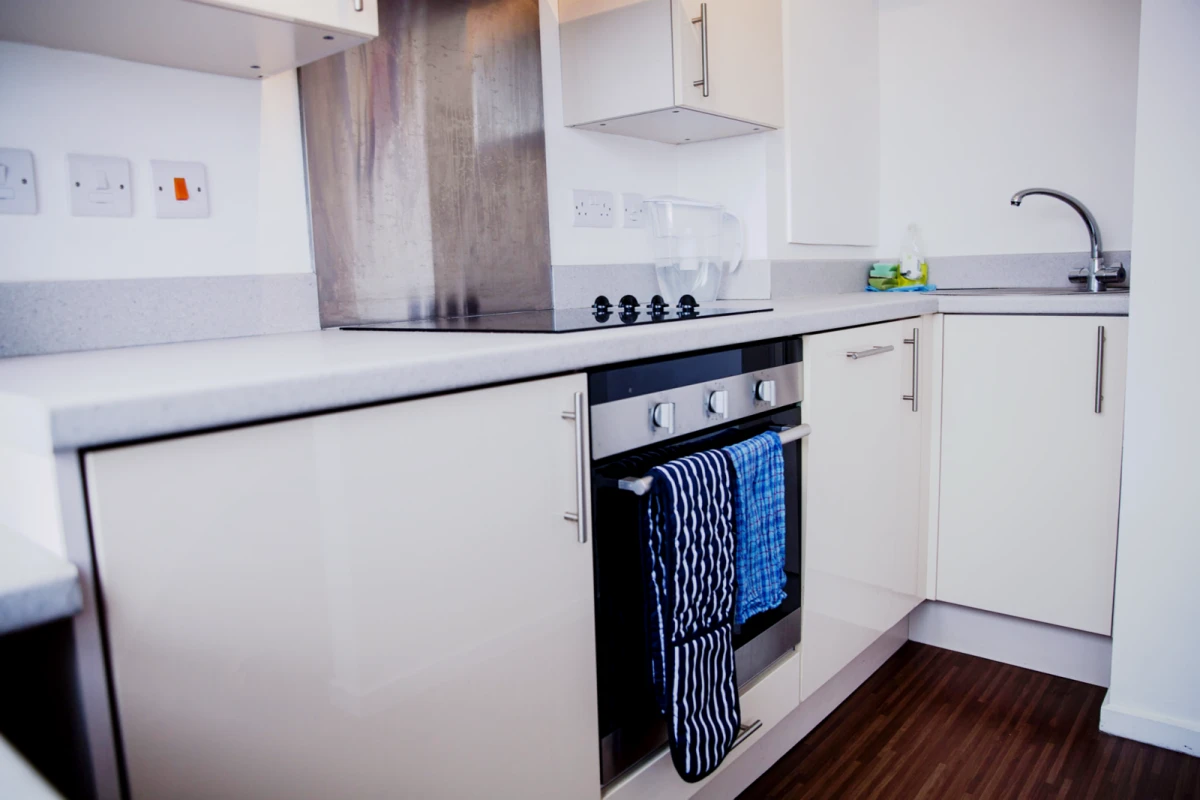
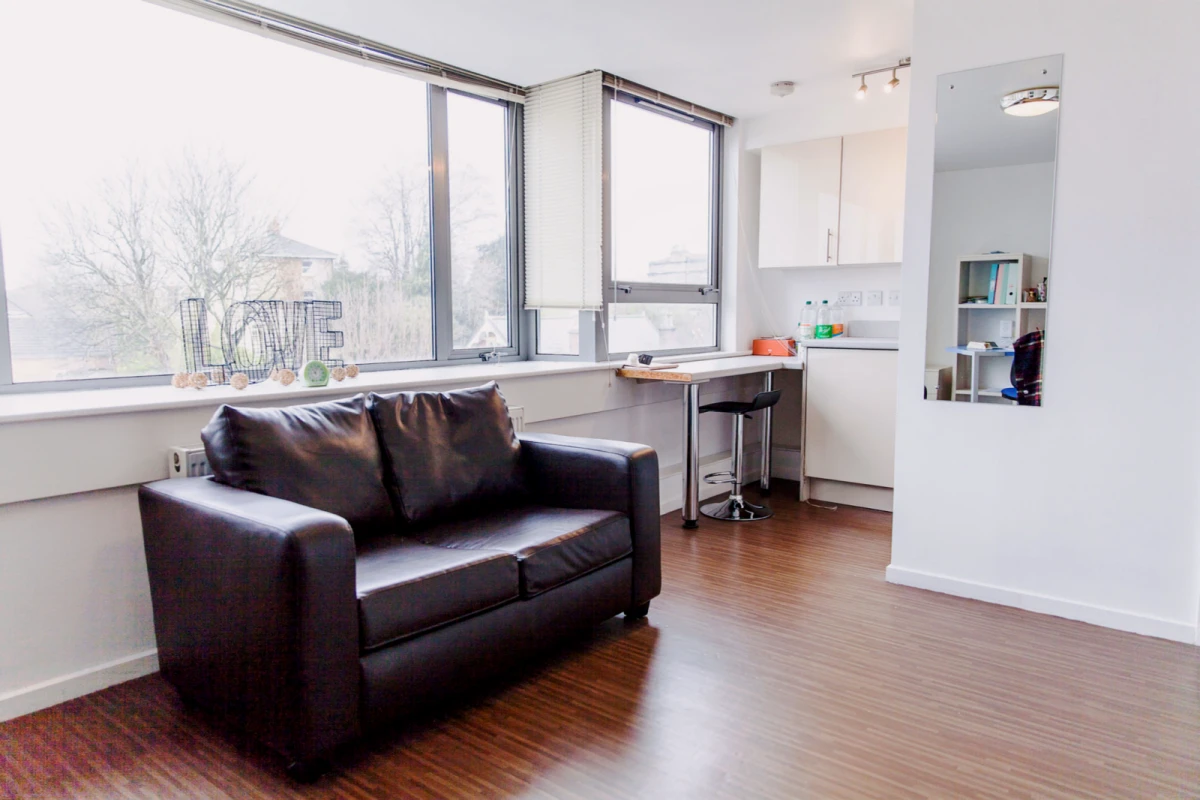
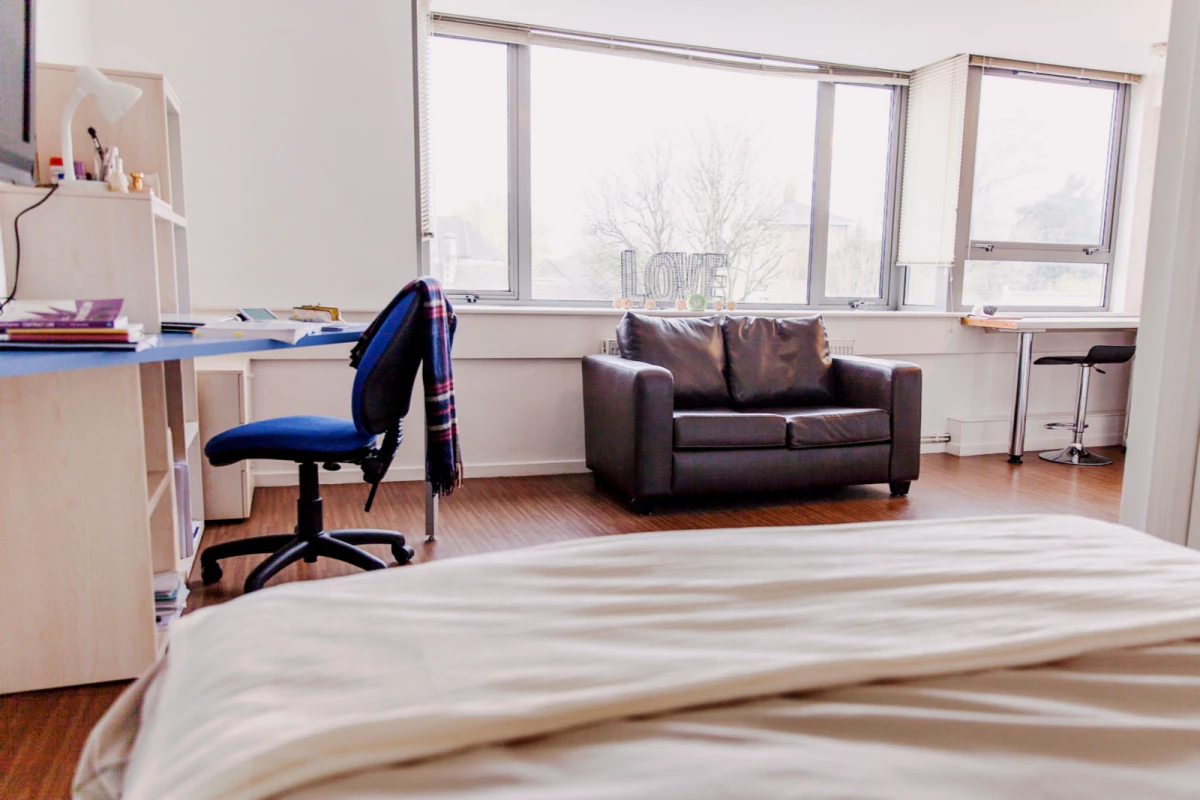
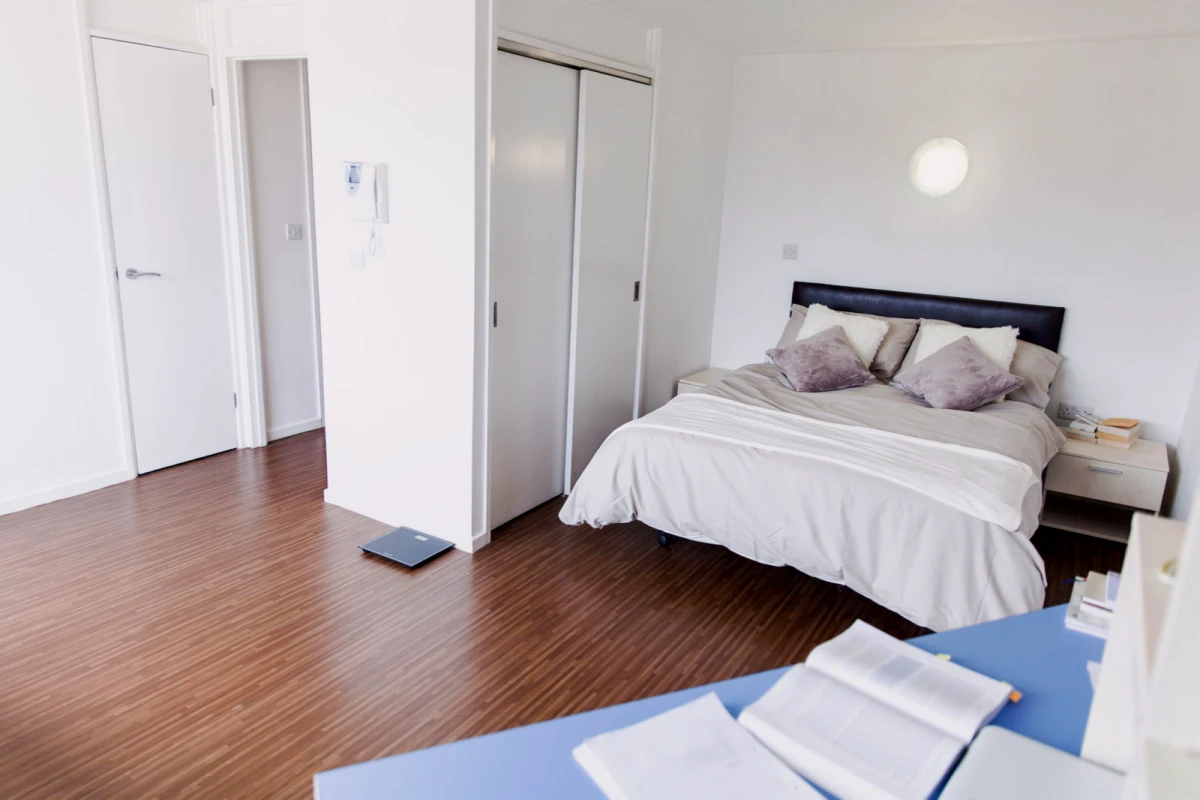
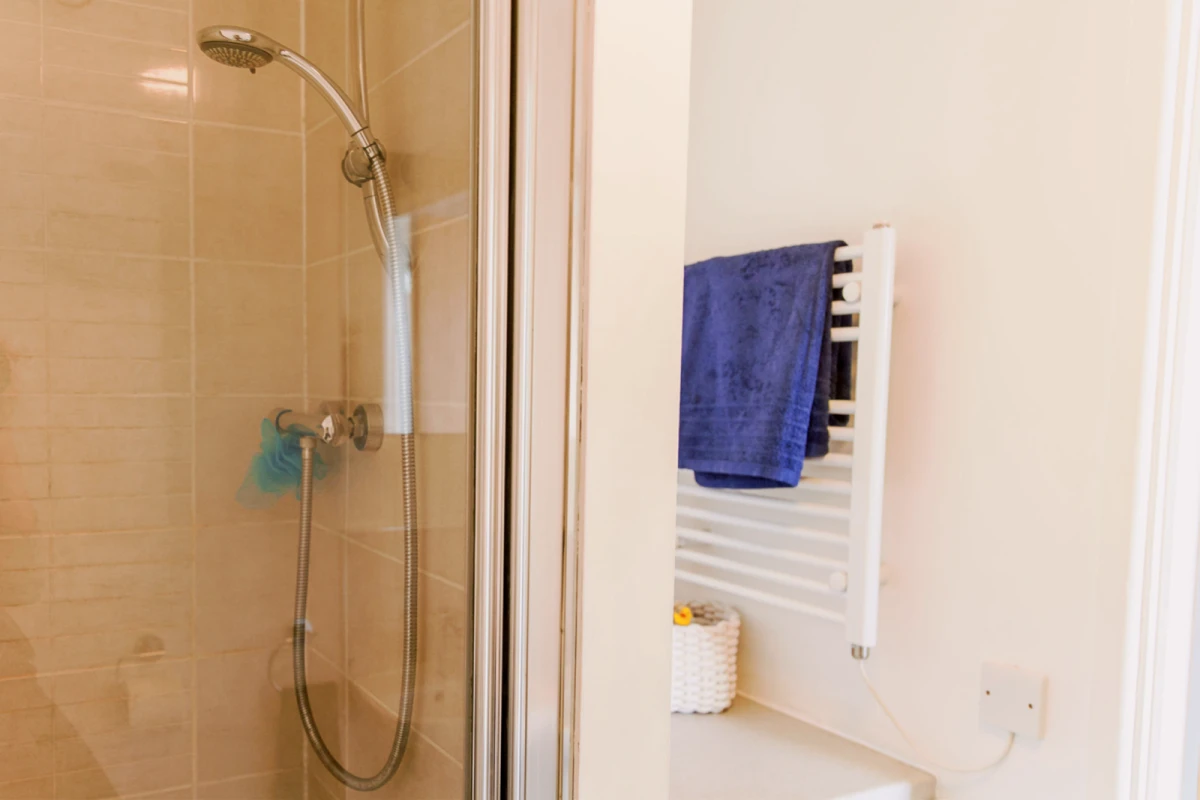
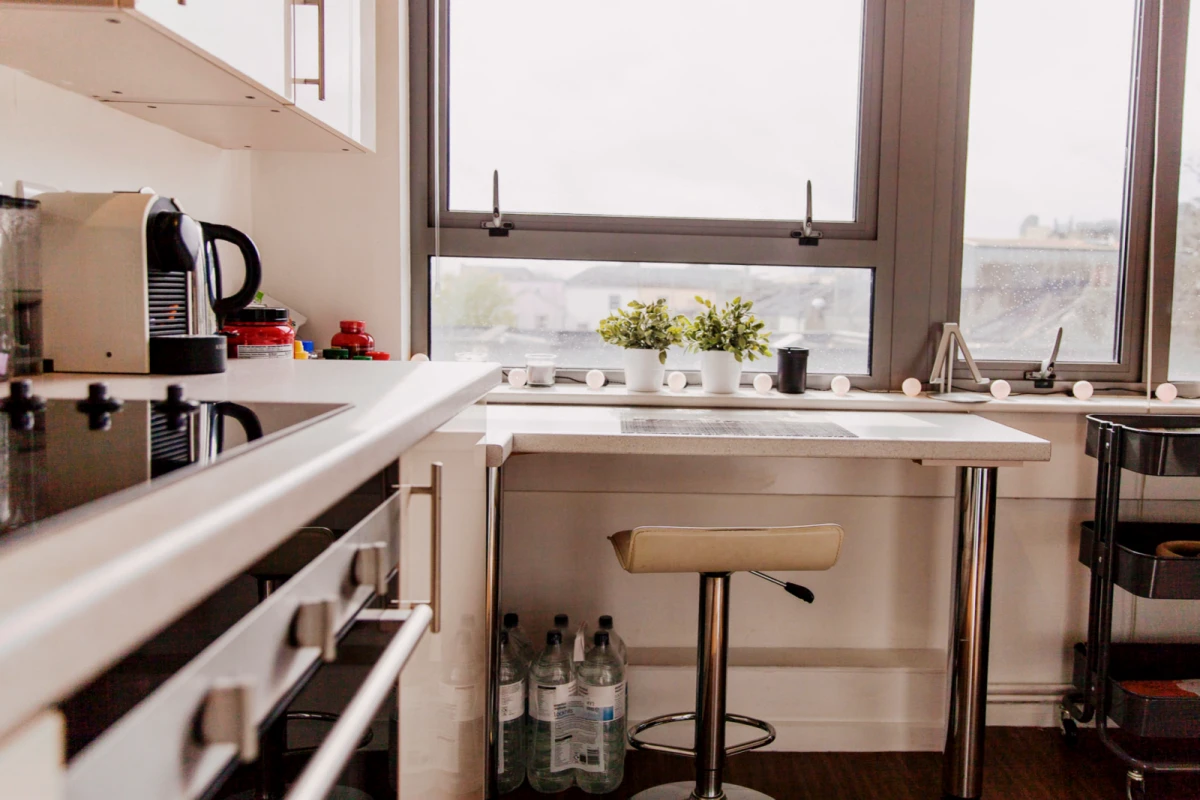
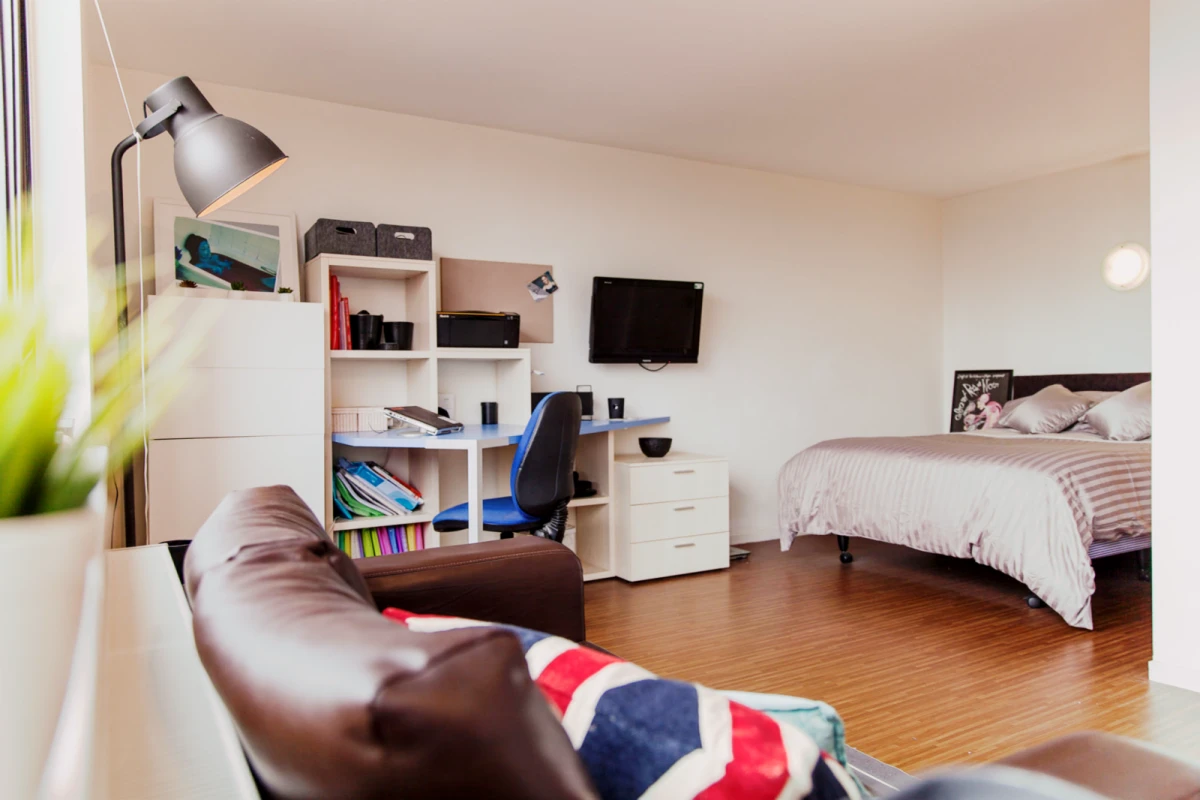
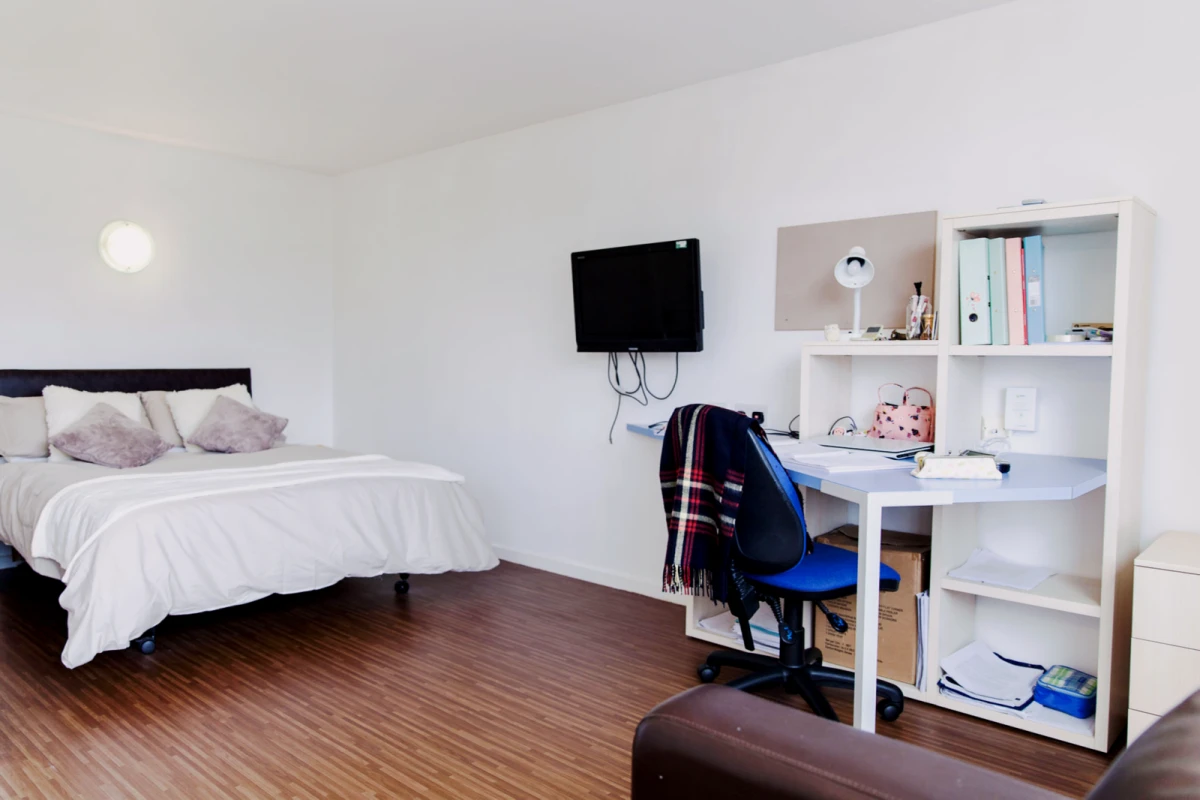
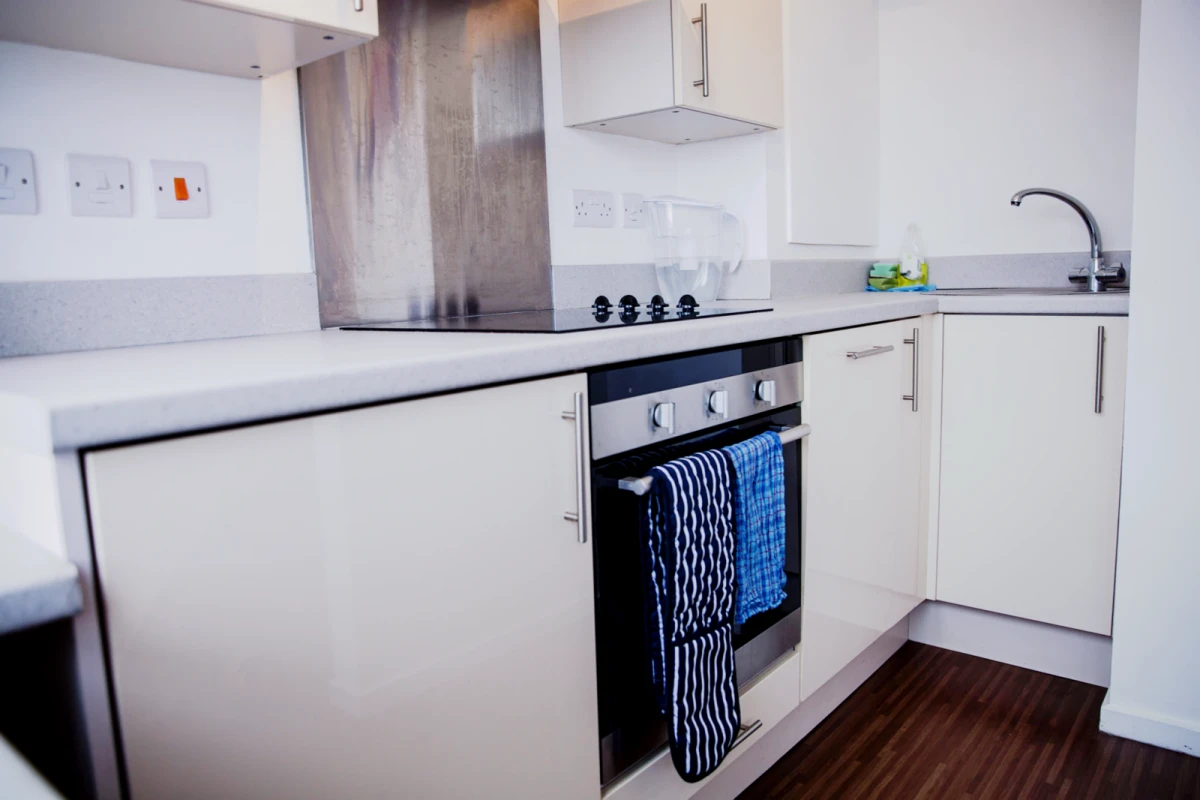
High Kingsdown, Bristol BS2 8DQ, United Kingdom
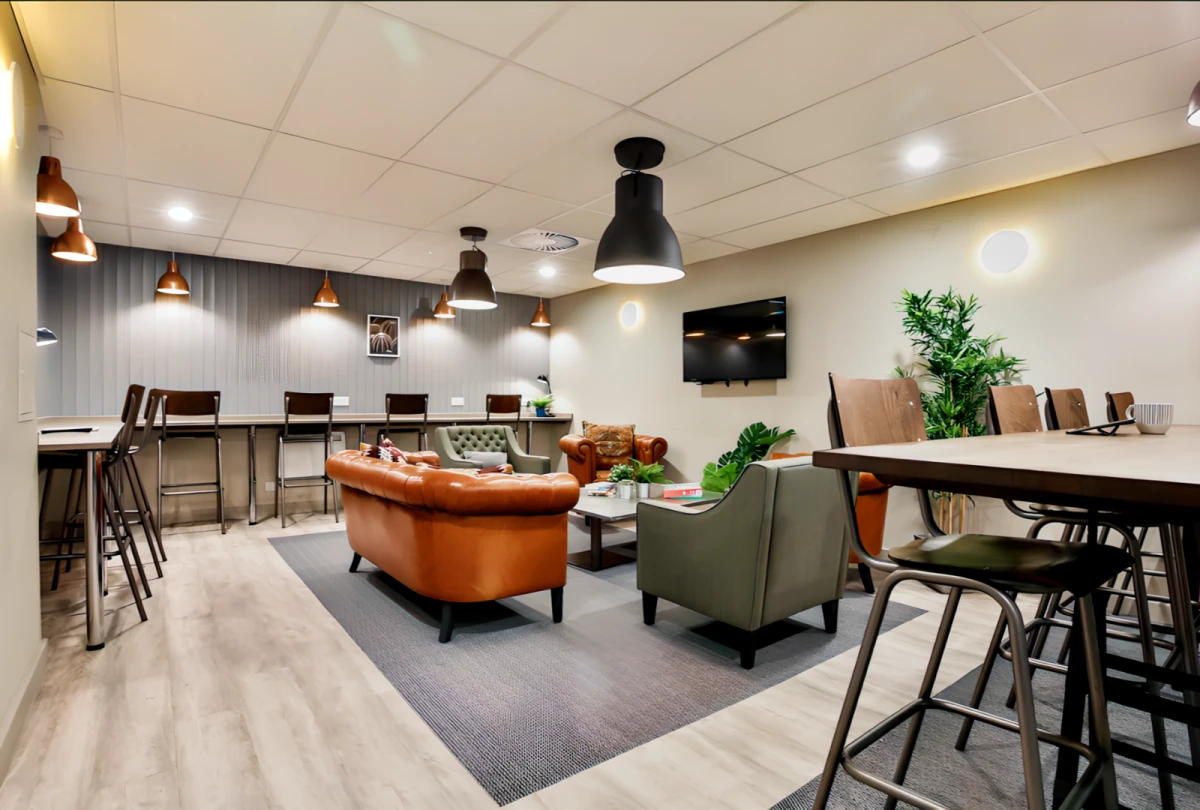
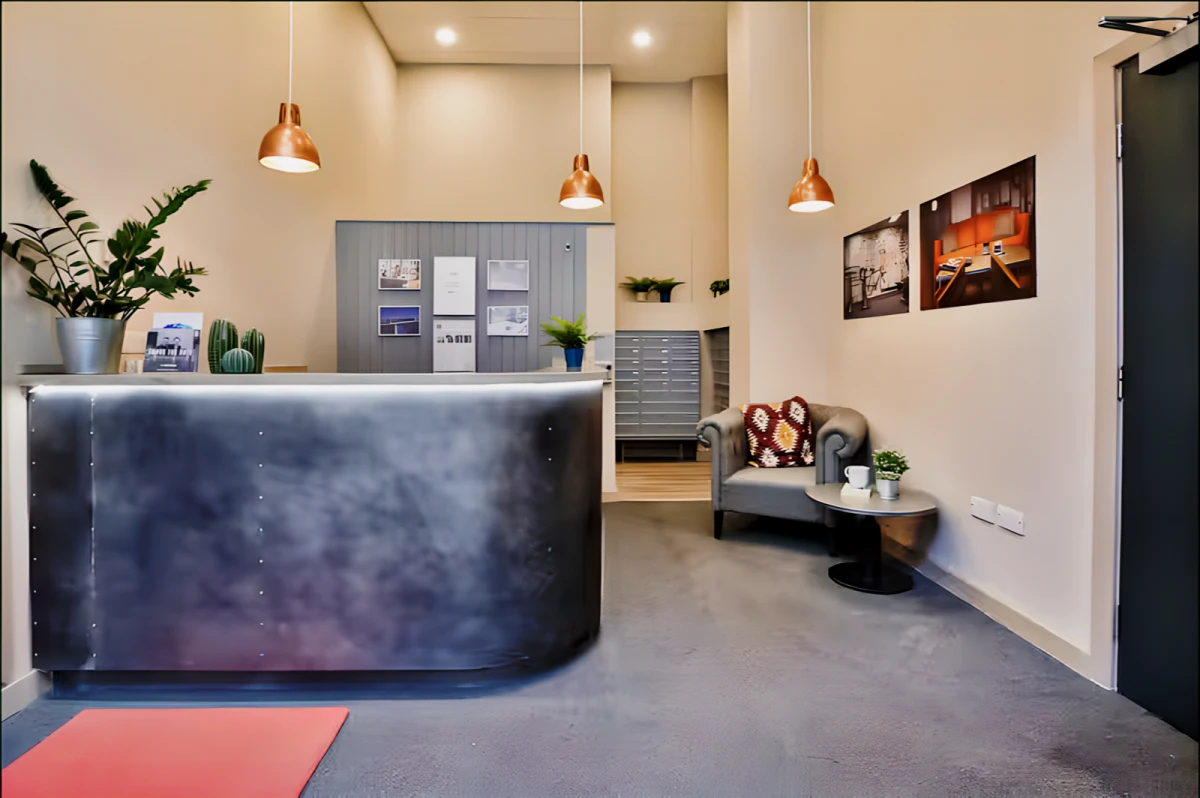
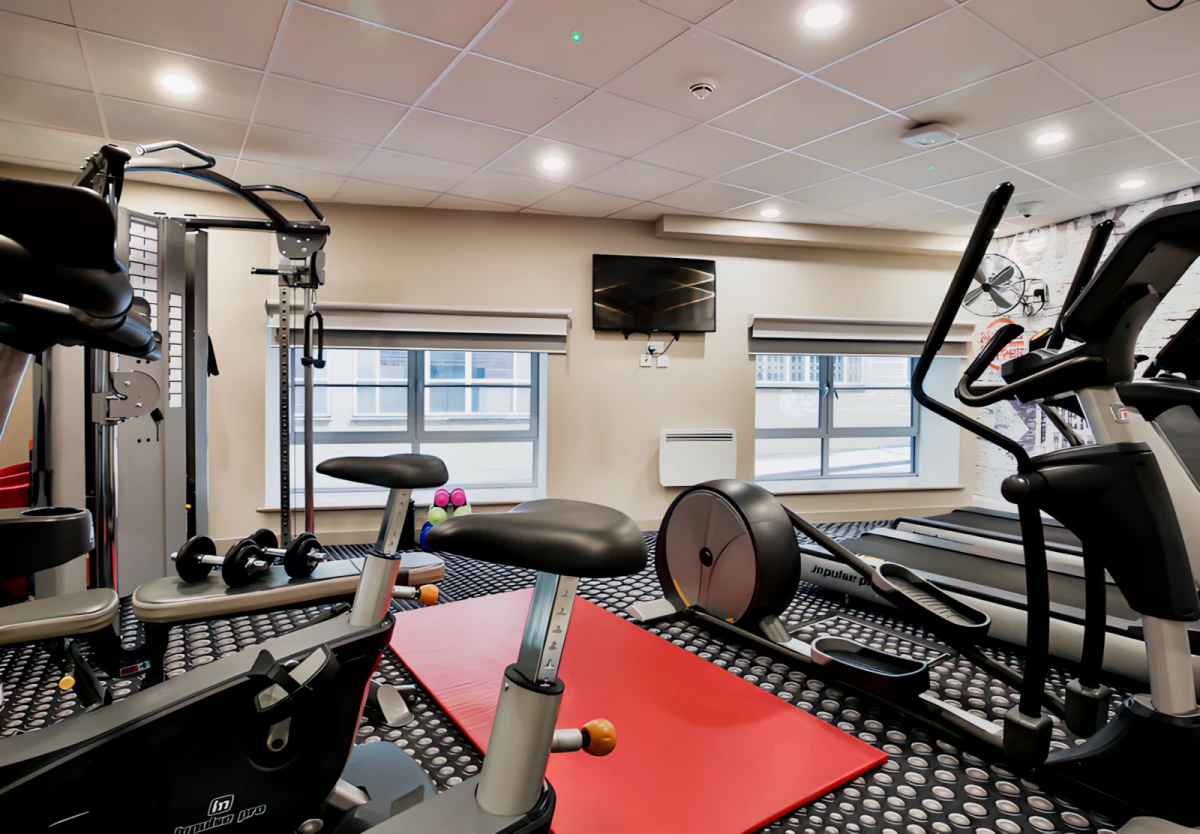
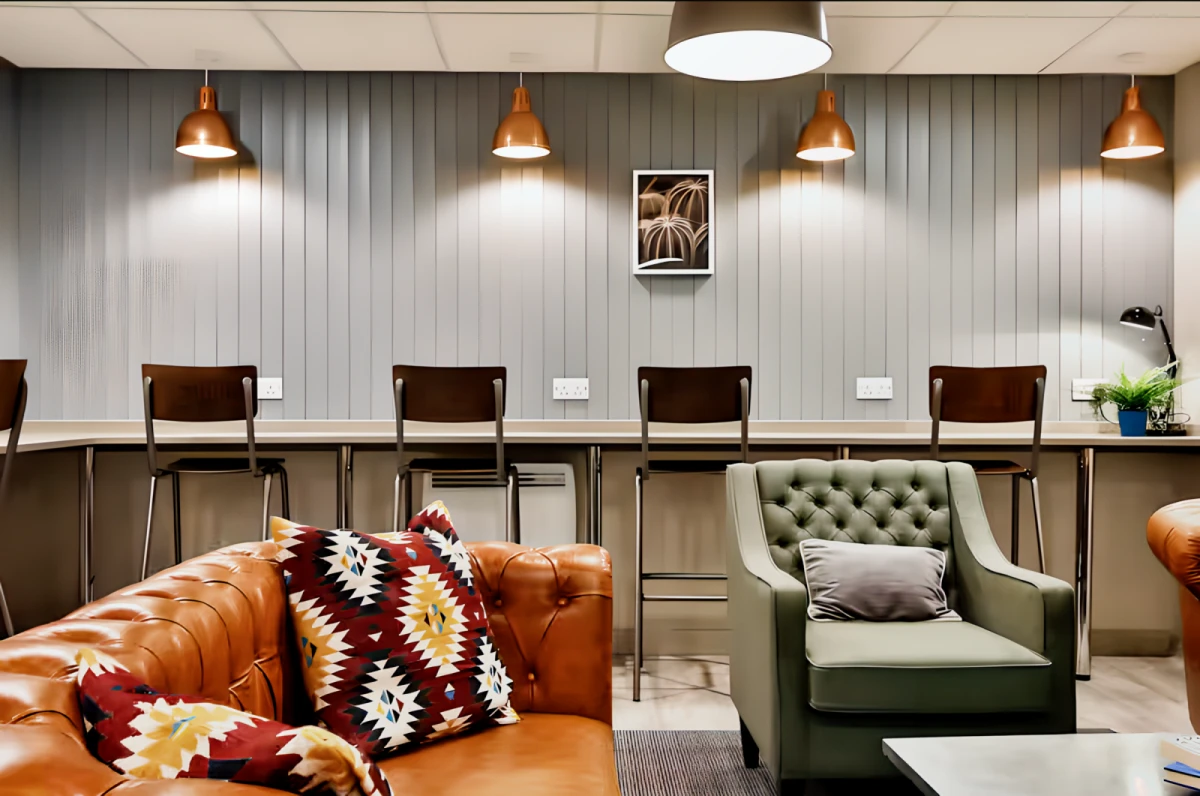
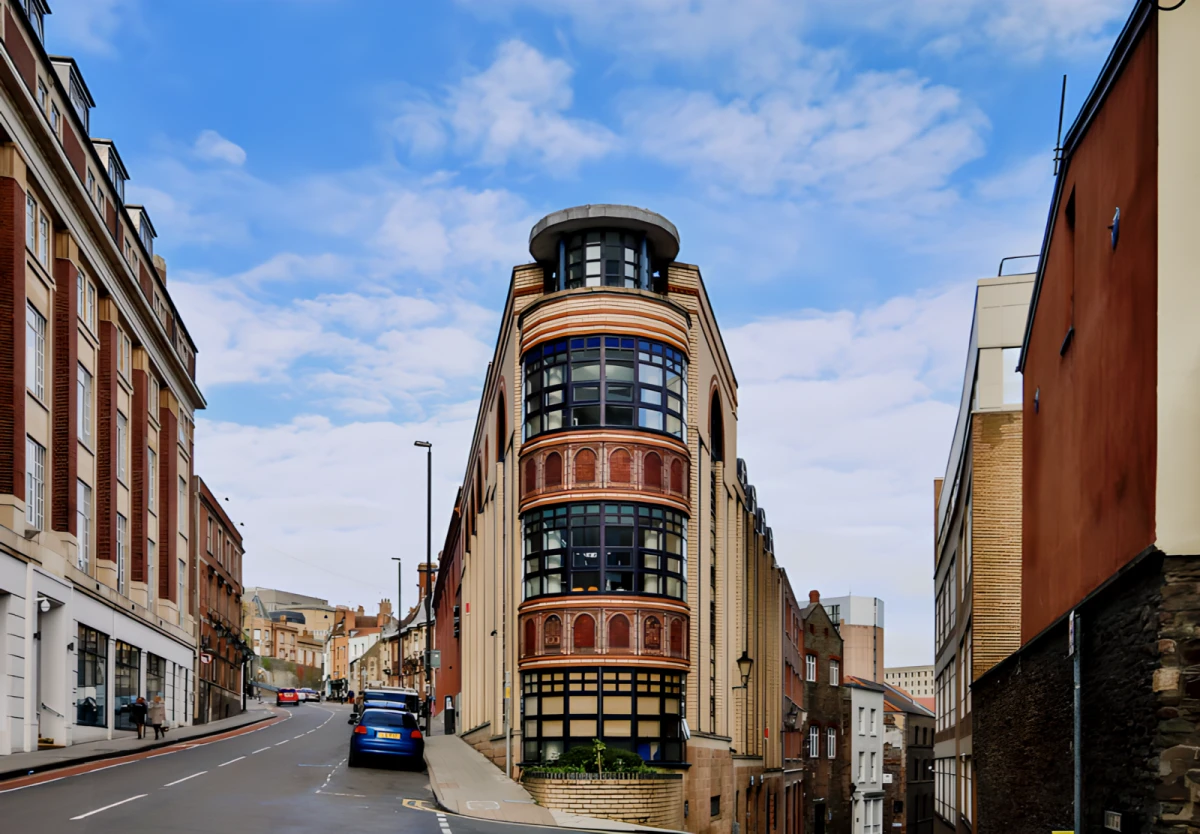
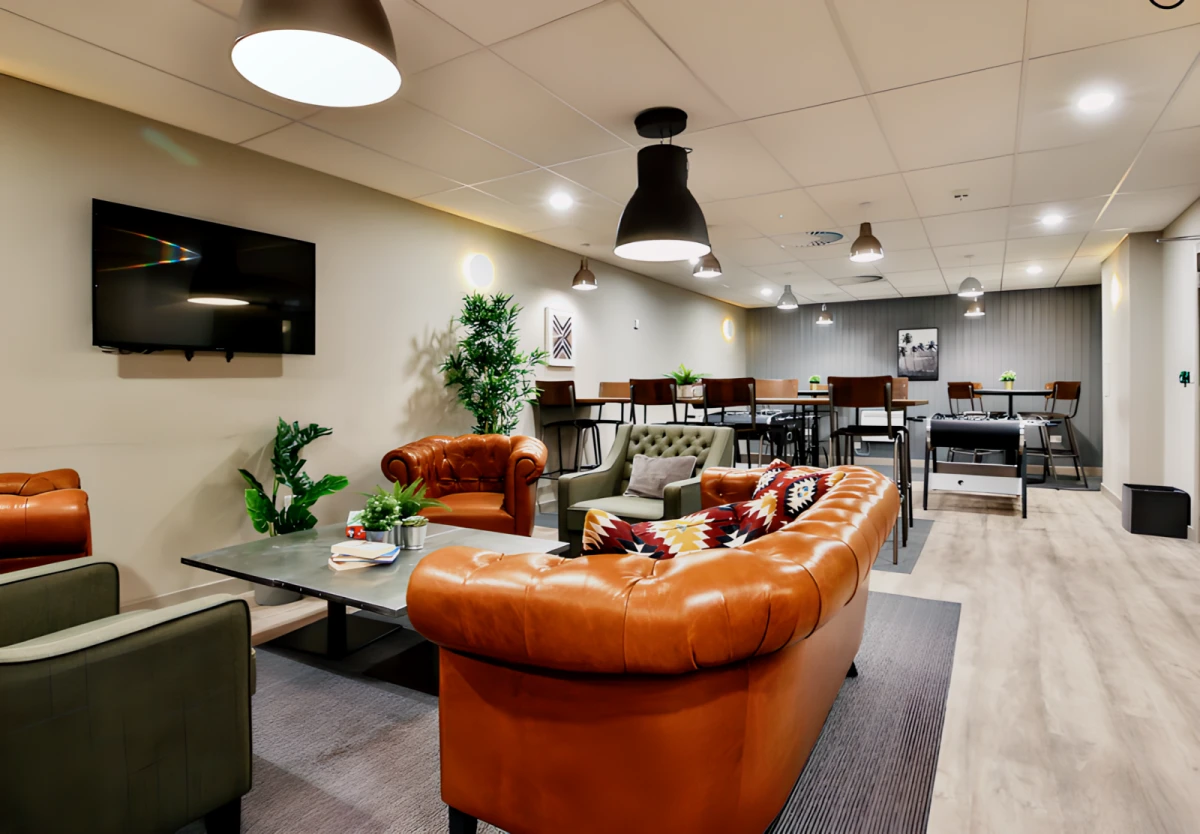
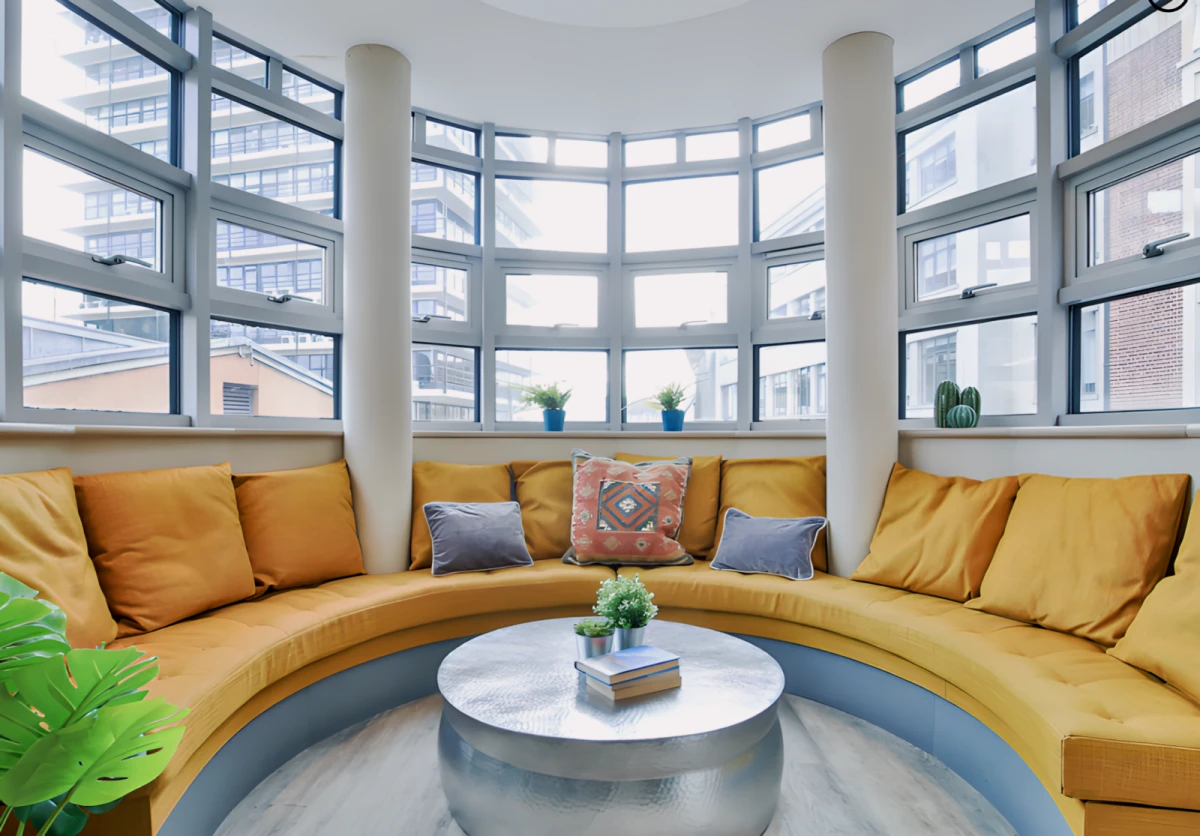
32-34 Colston Street, Bristol BS1 5AE, United Kingdom
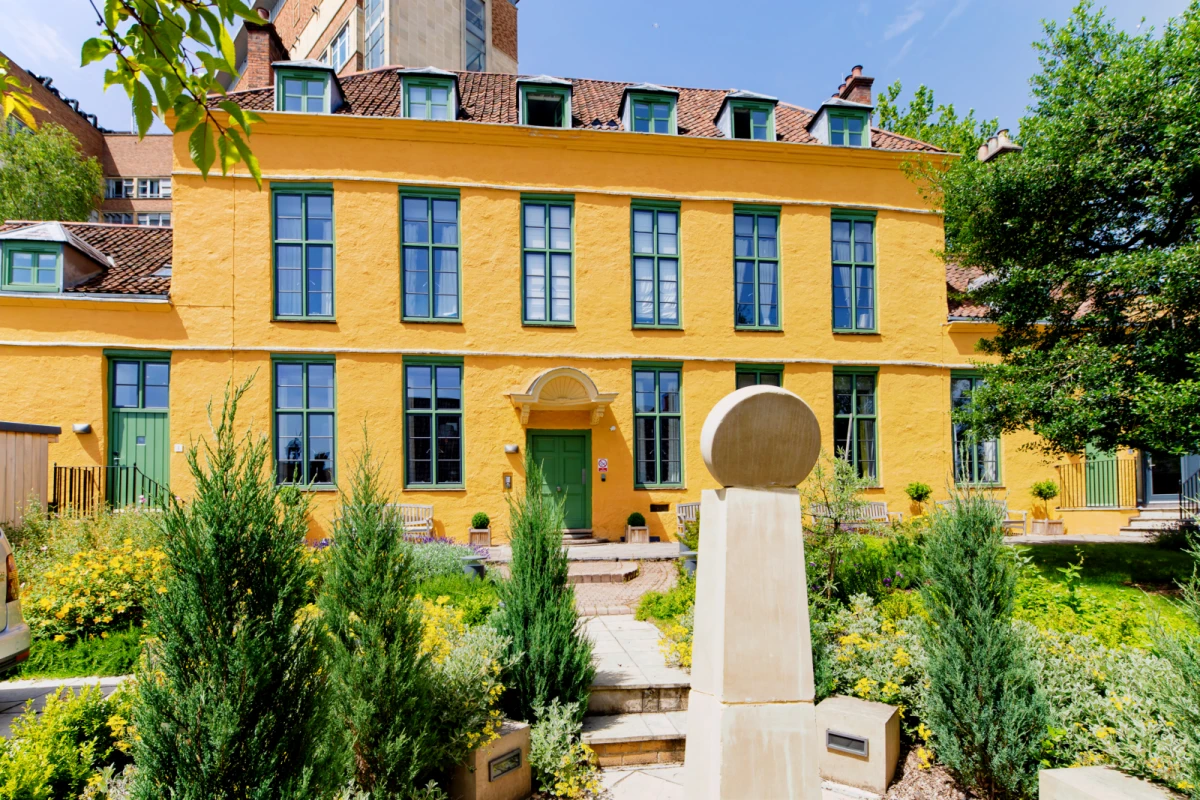
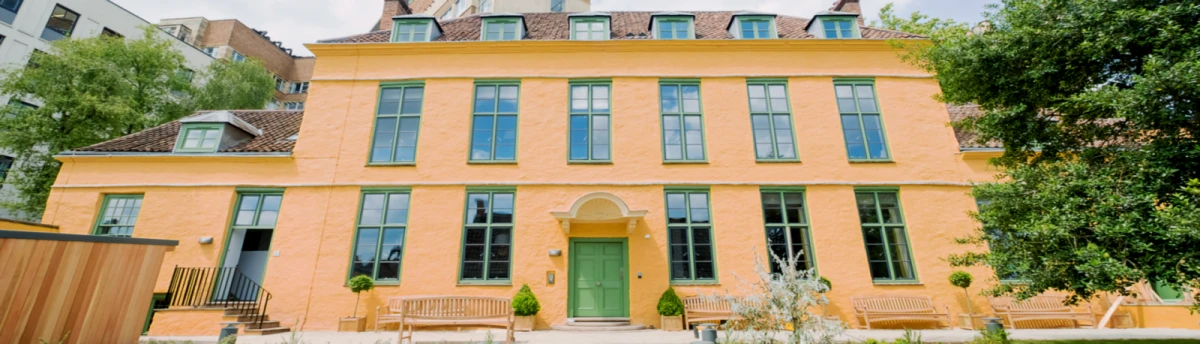
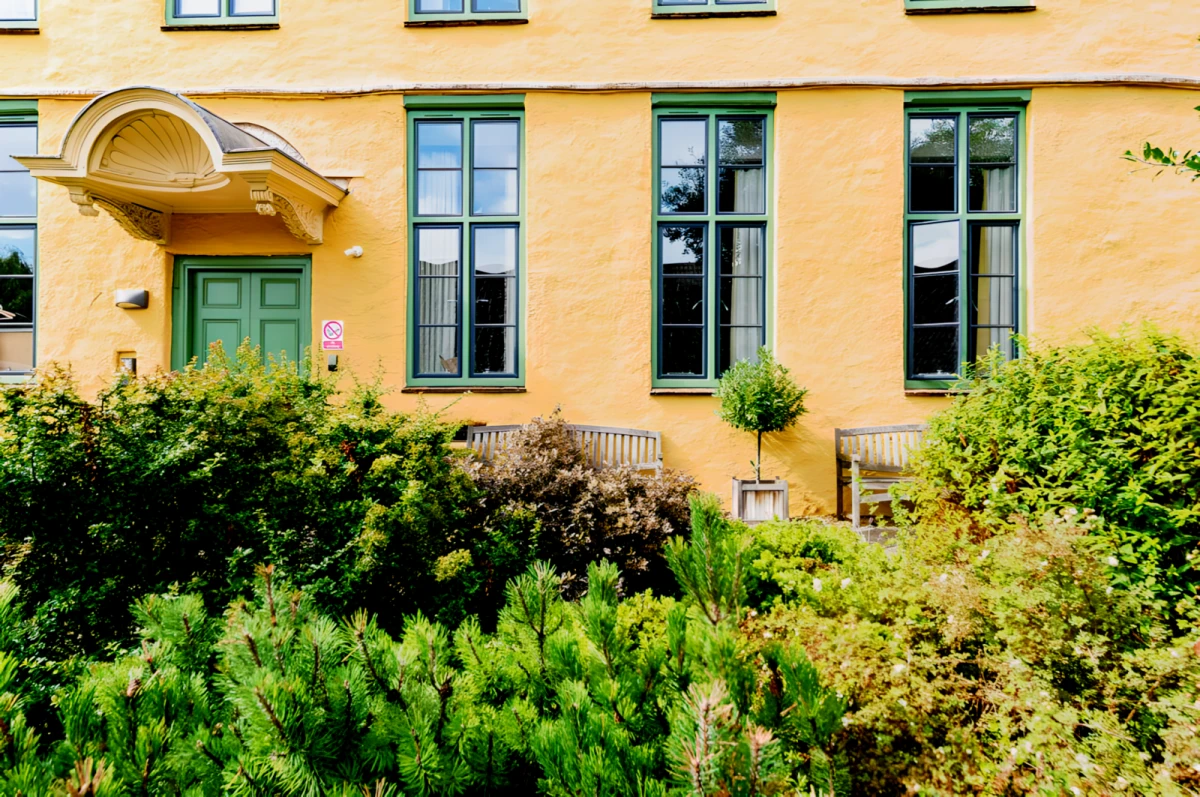
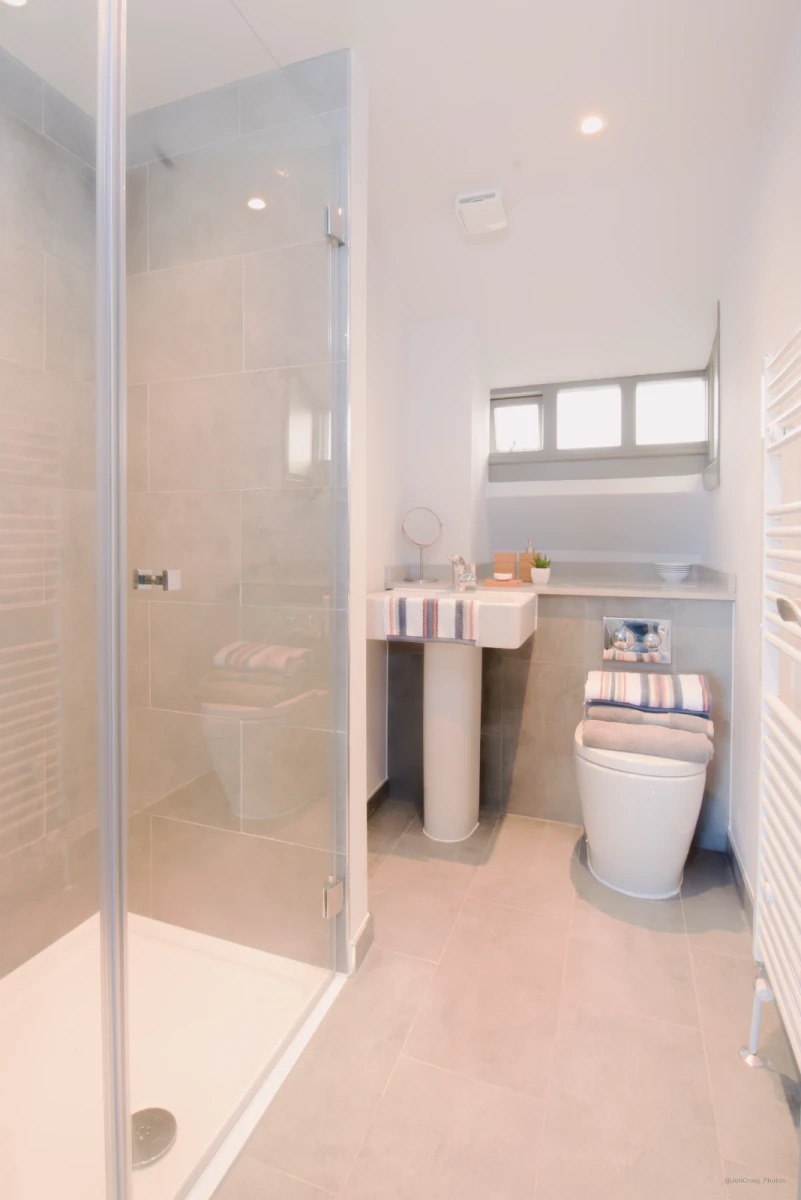
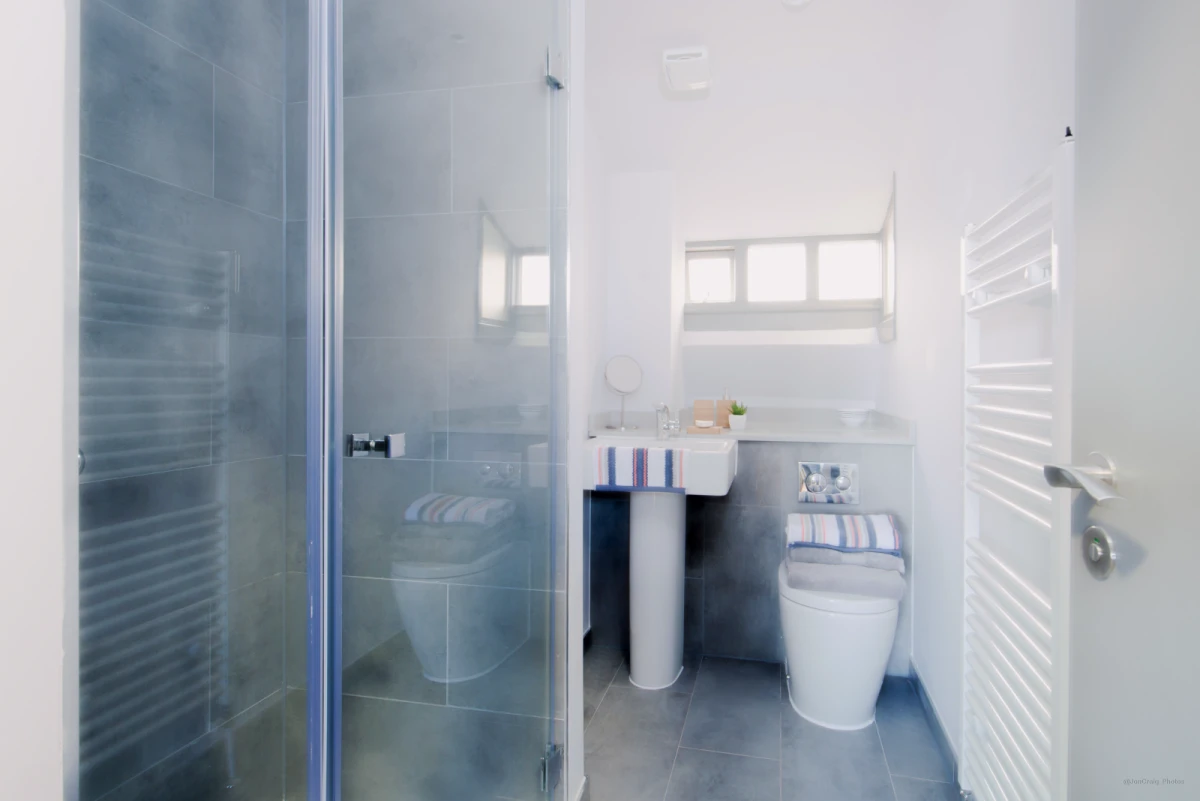
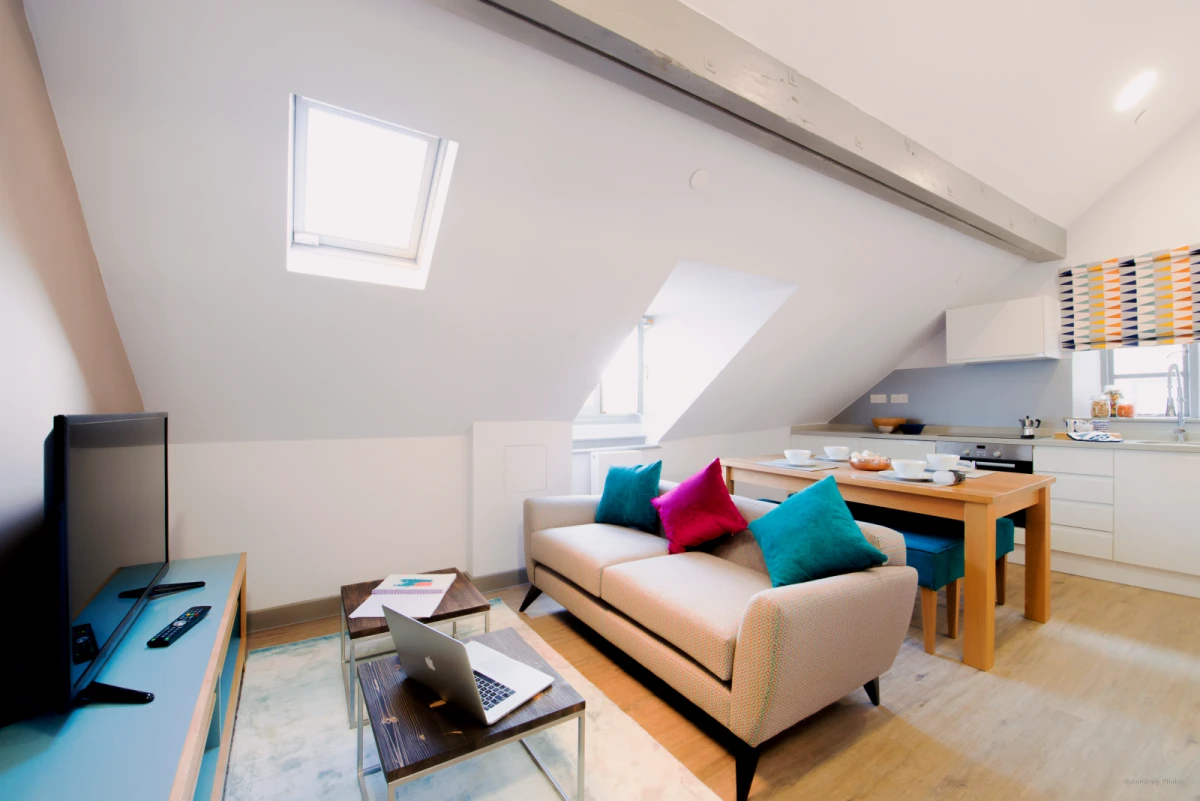
Park Lane, Bristol BS2 8BE, United Kingdom
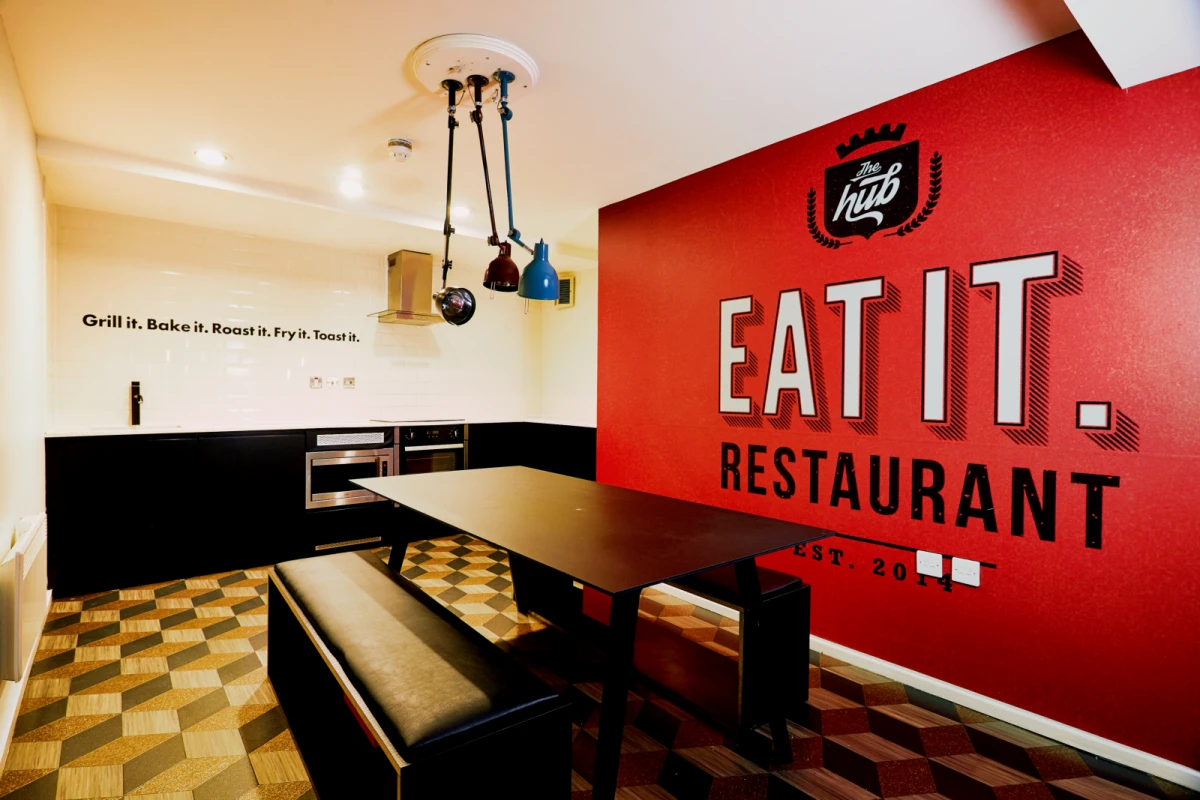
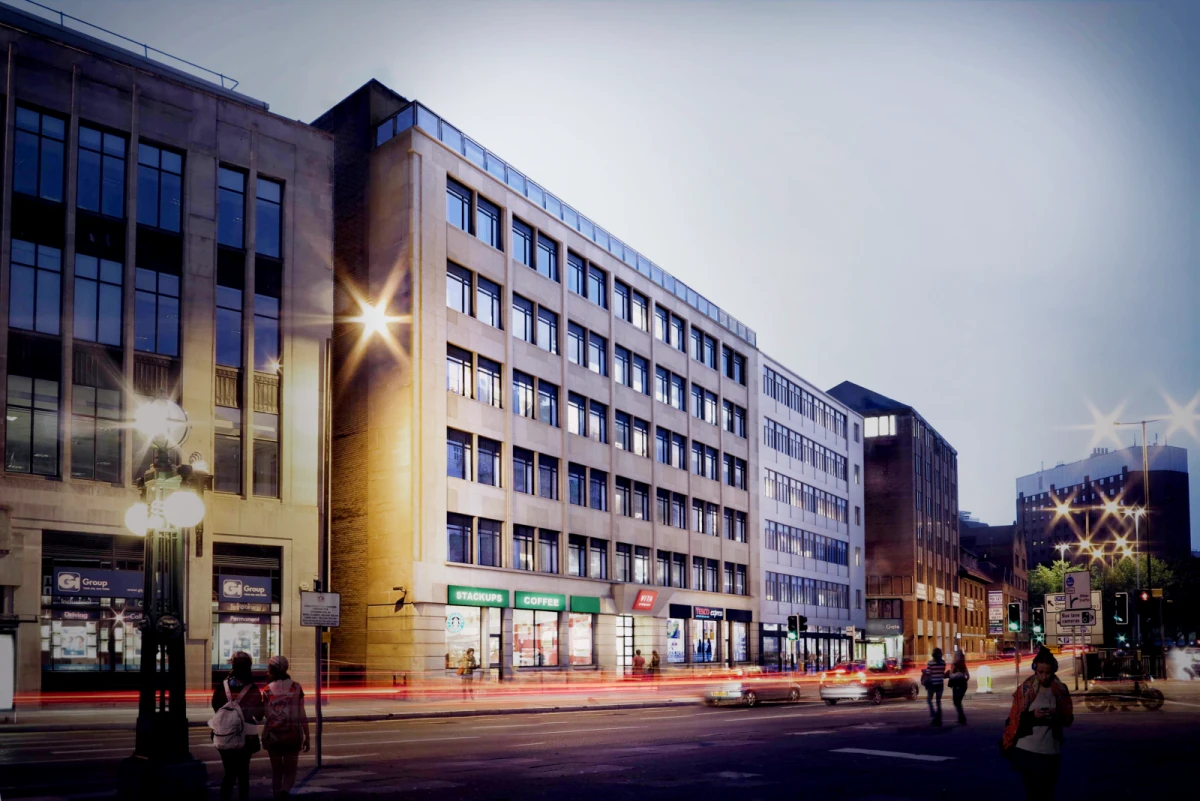
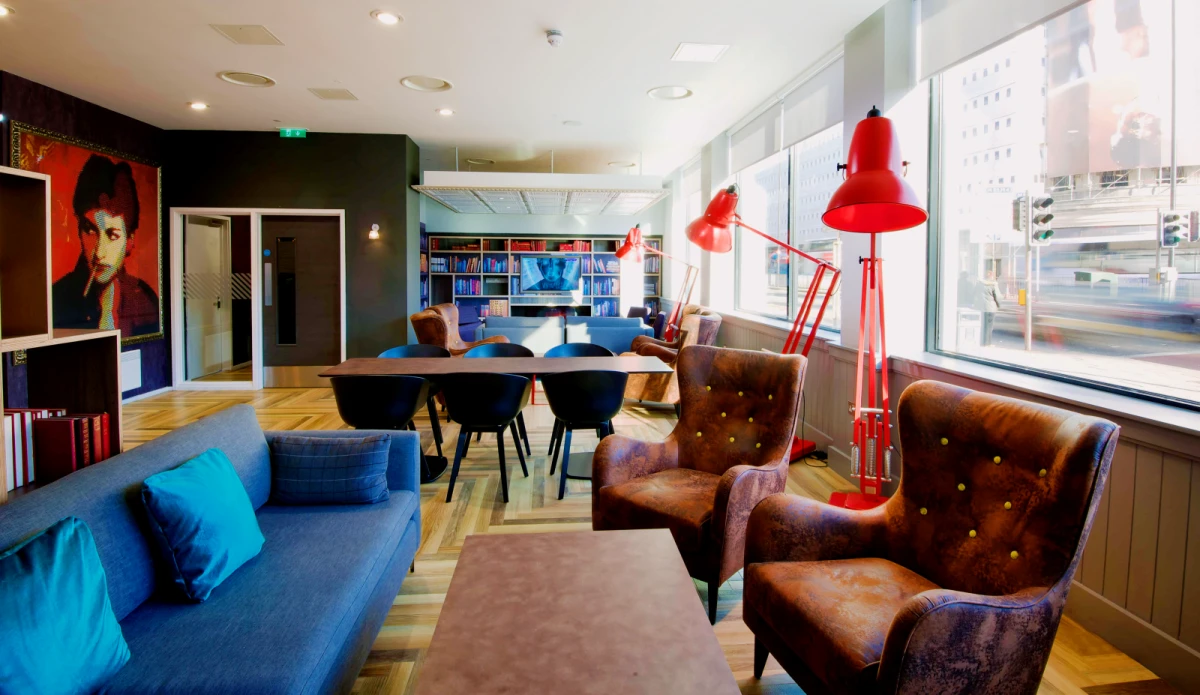
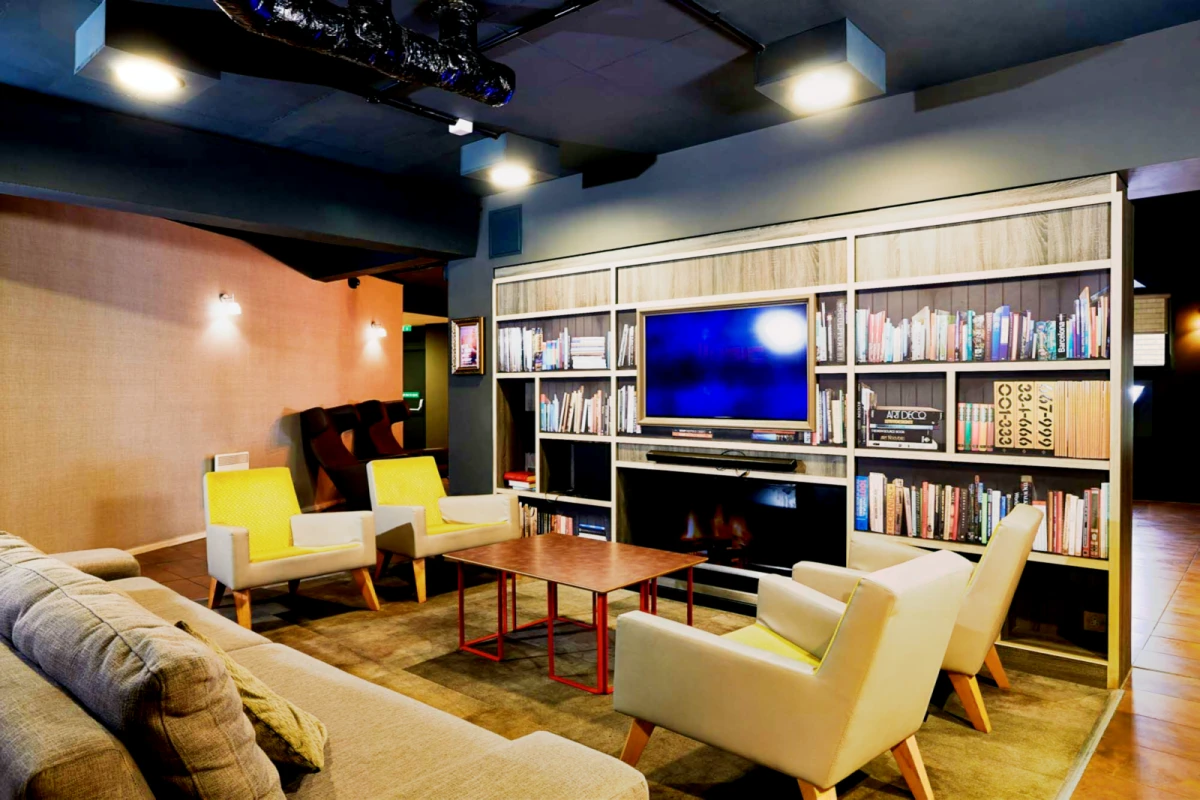
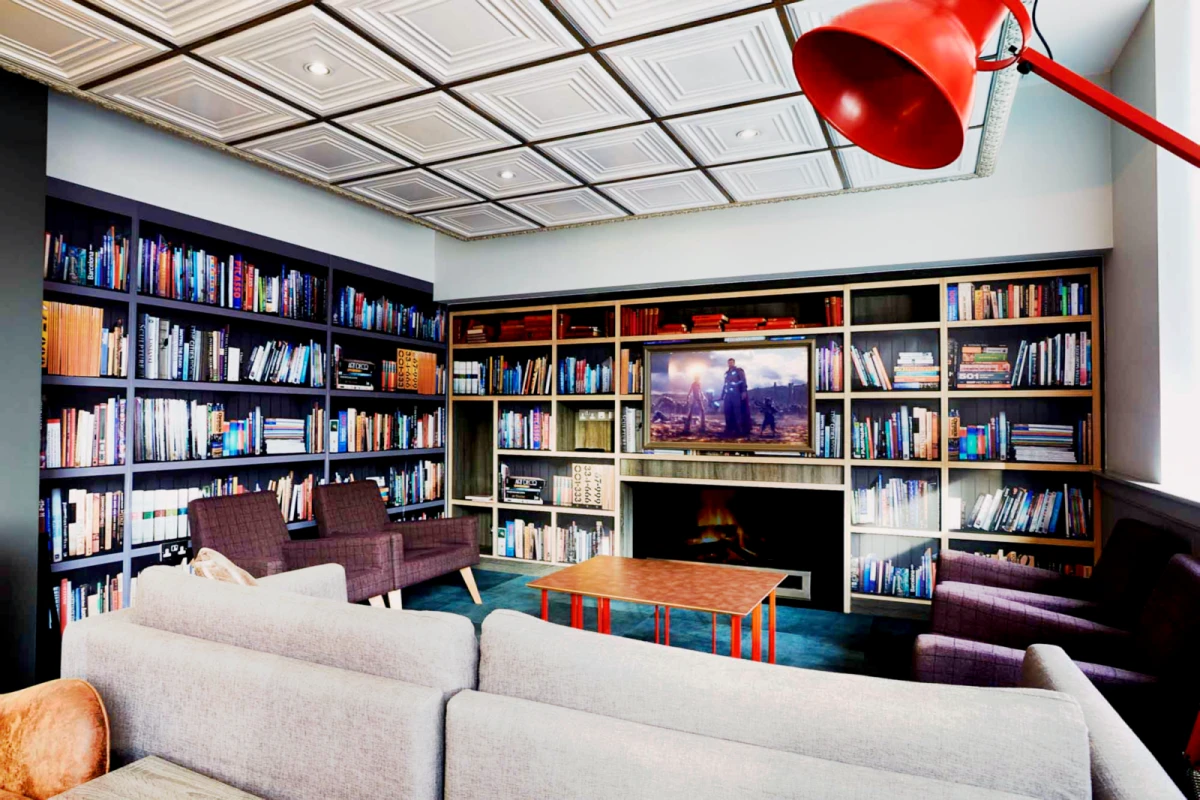
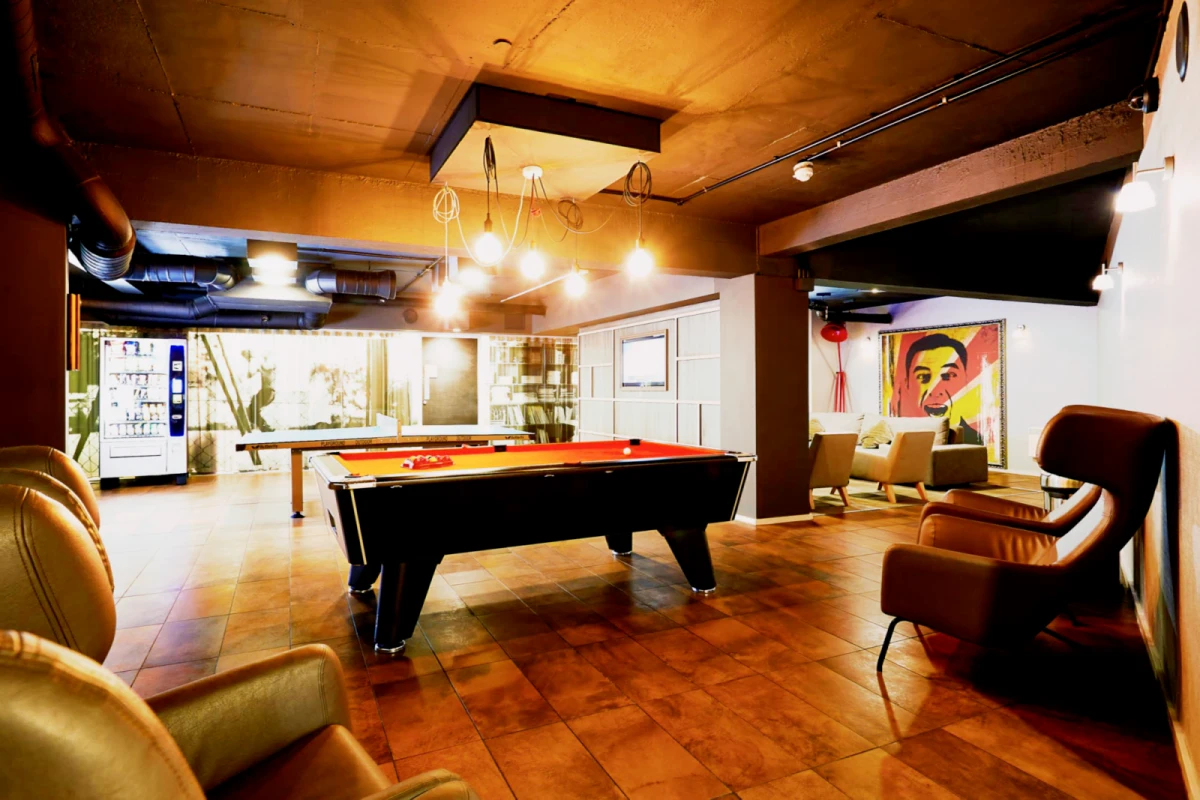

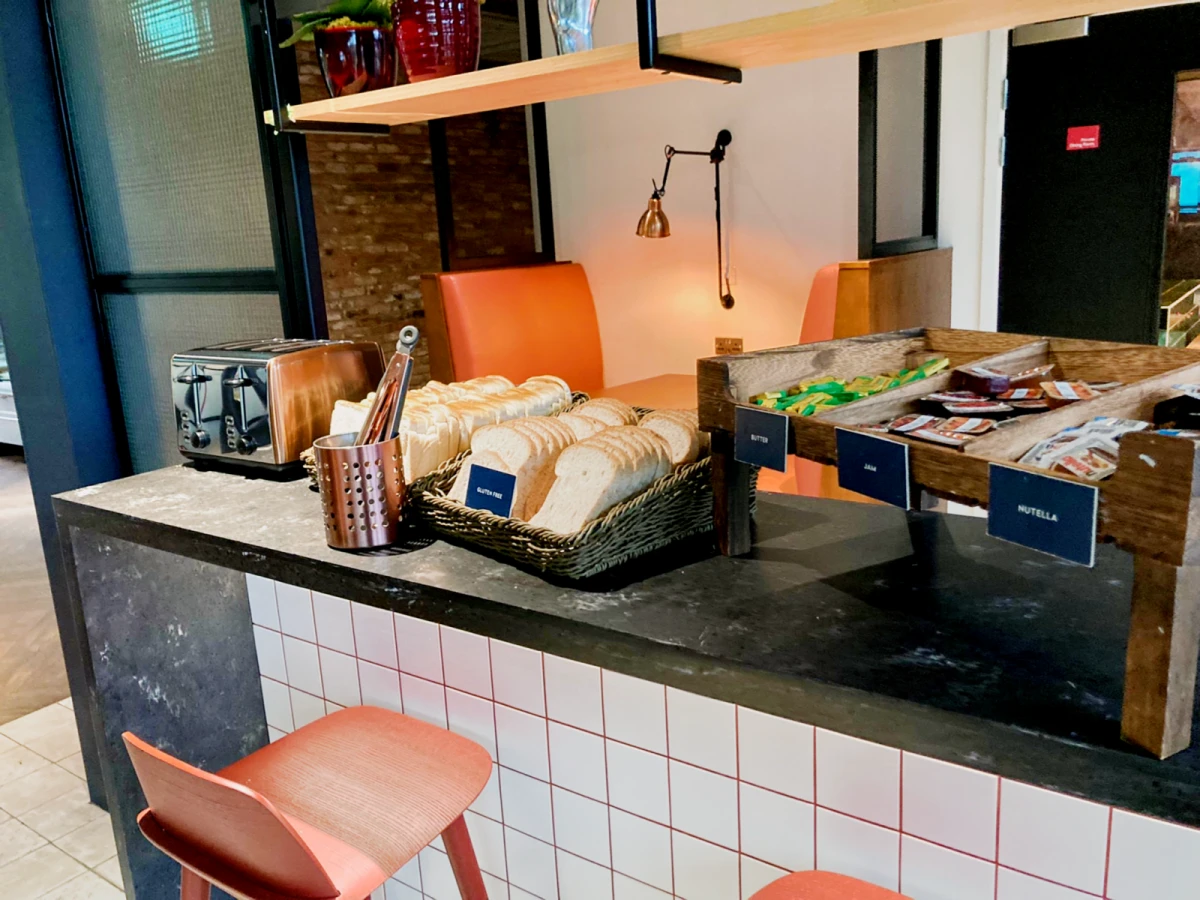
35 Colston Avenue, Bristol BS1 4TT, United Kingdom
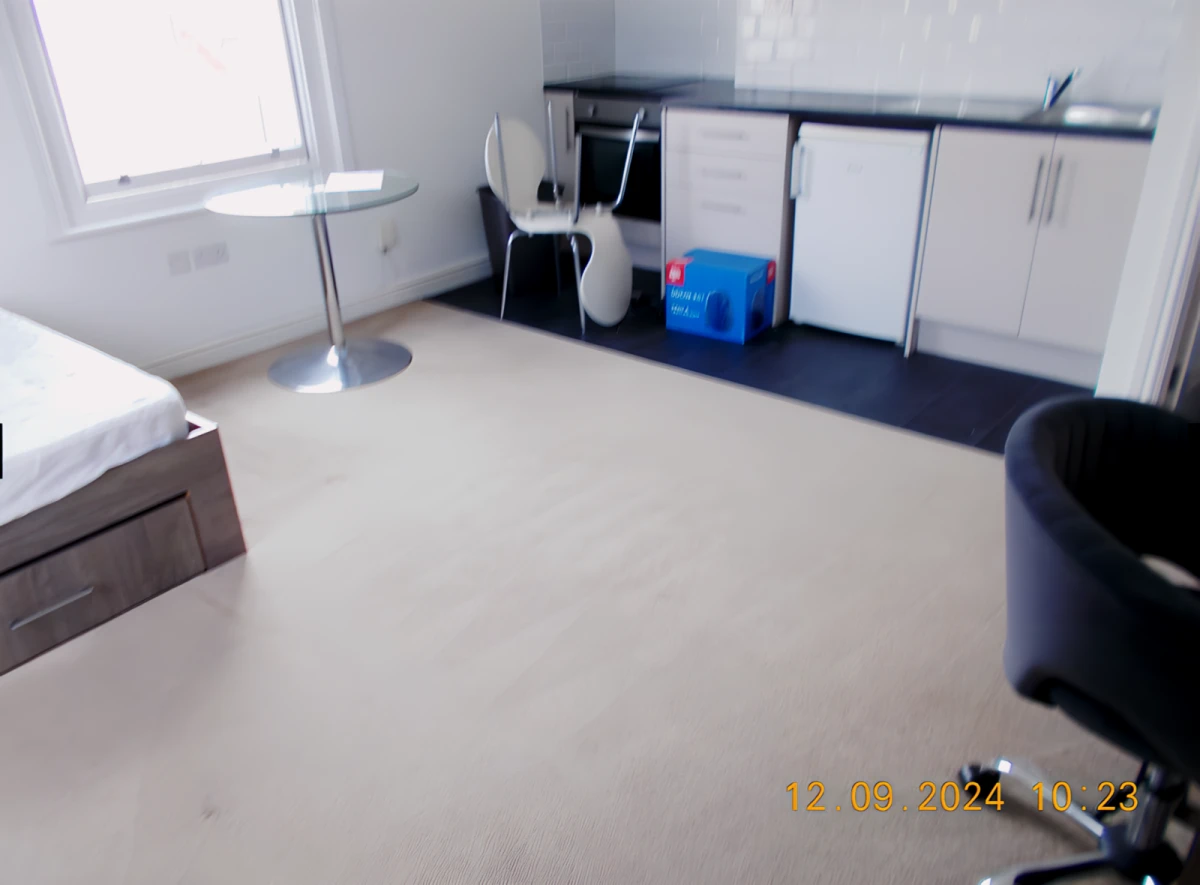
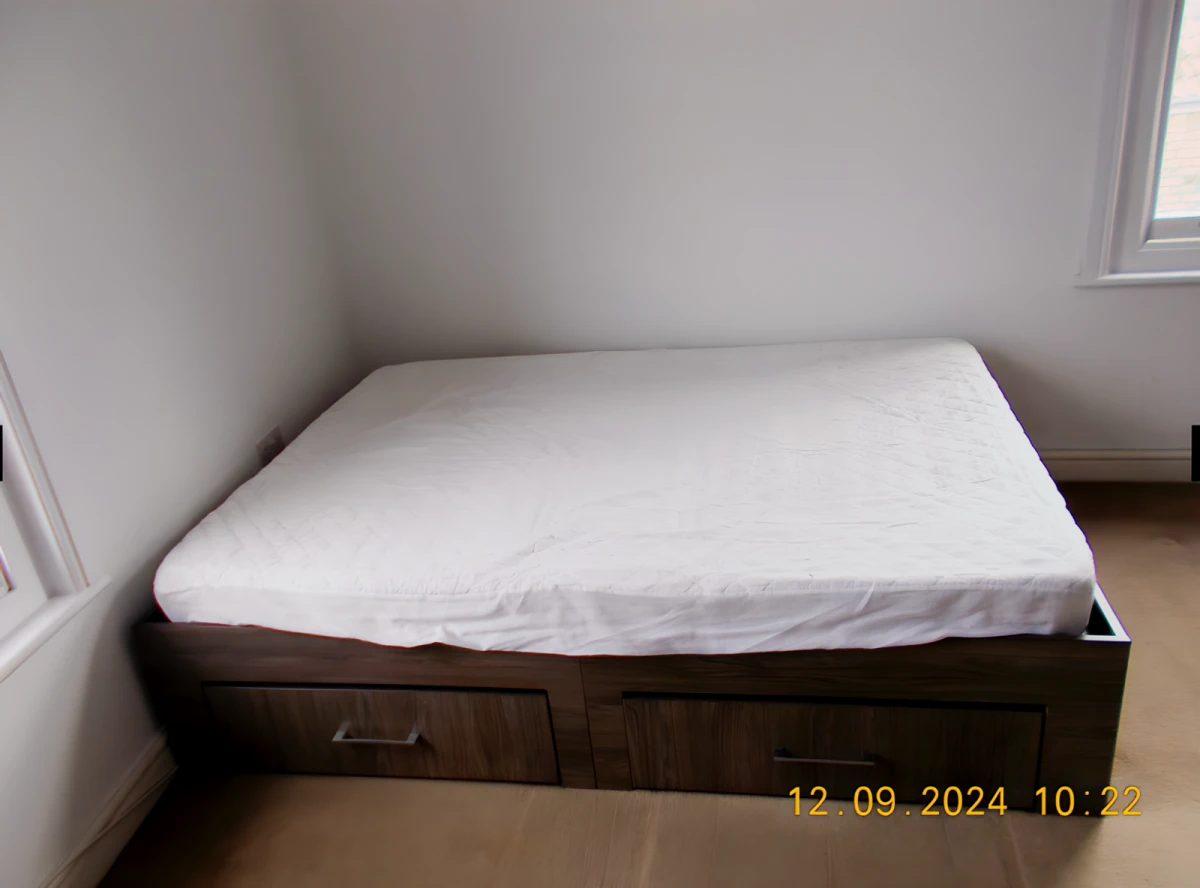
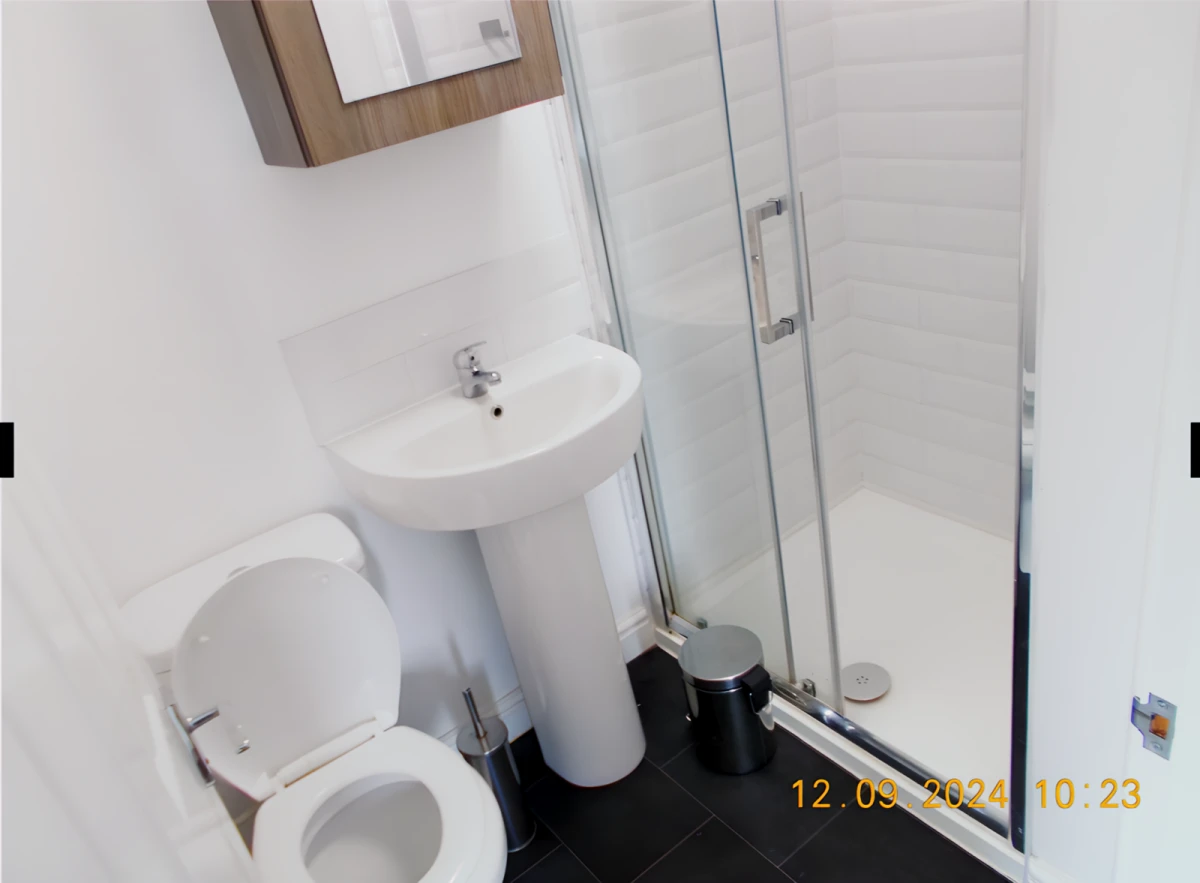
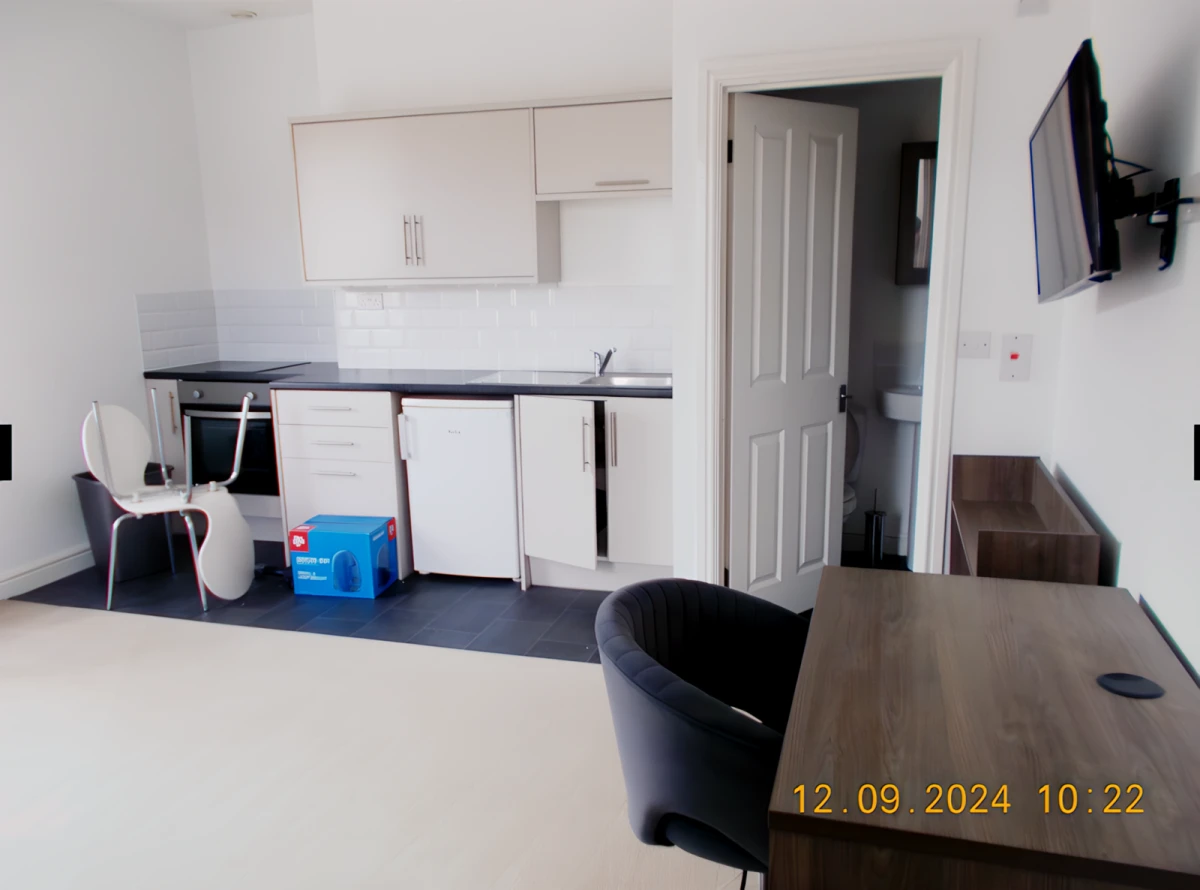
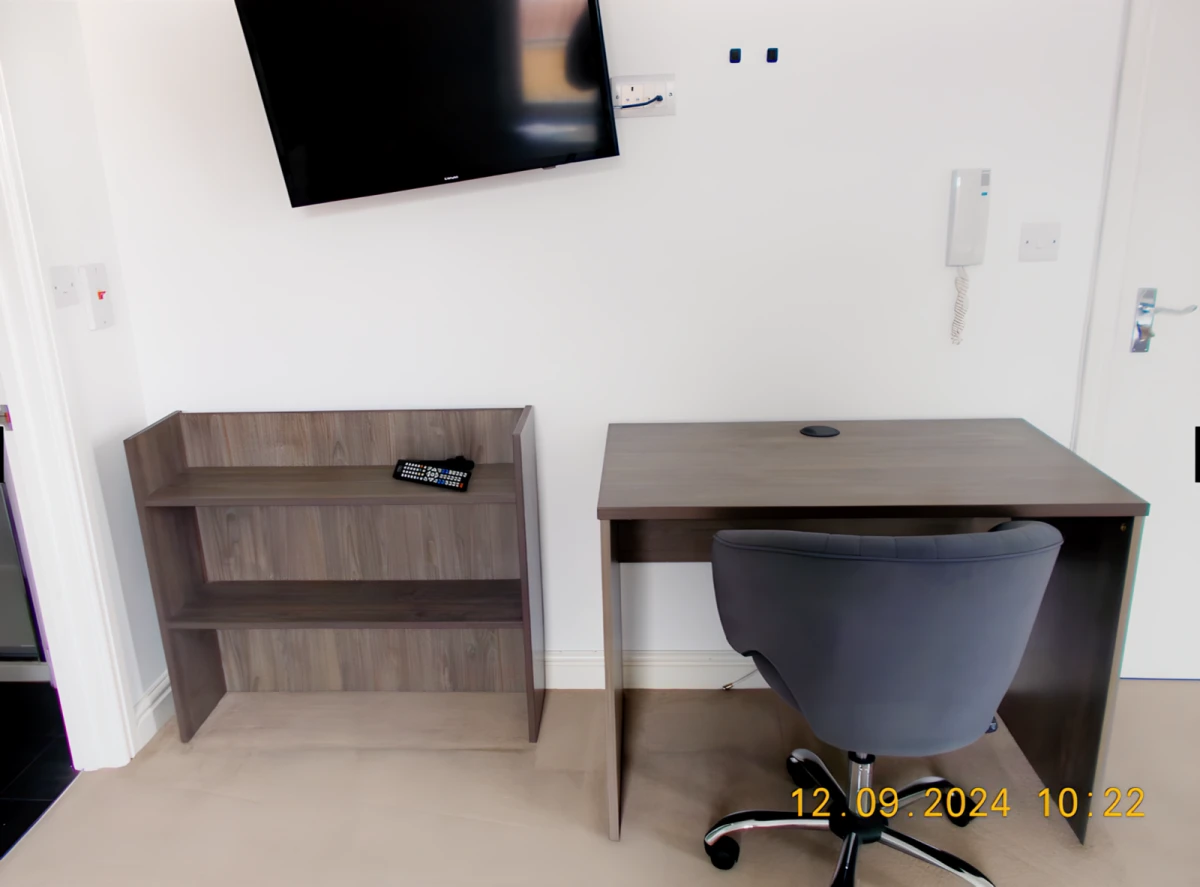
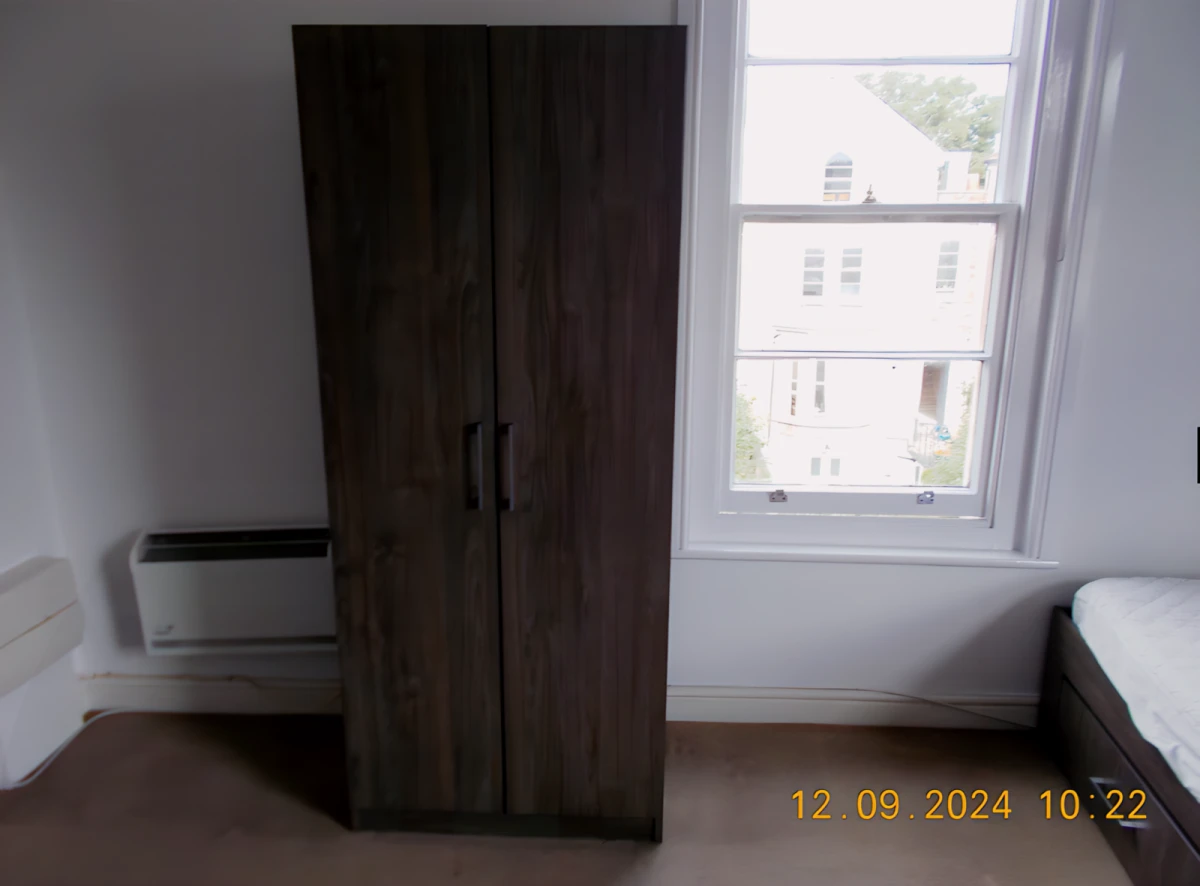
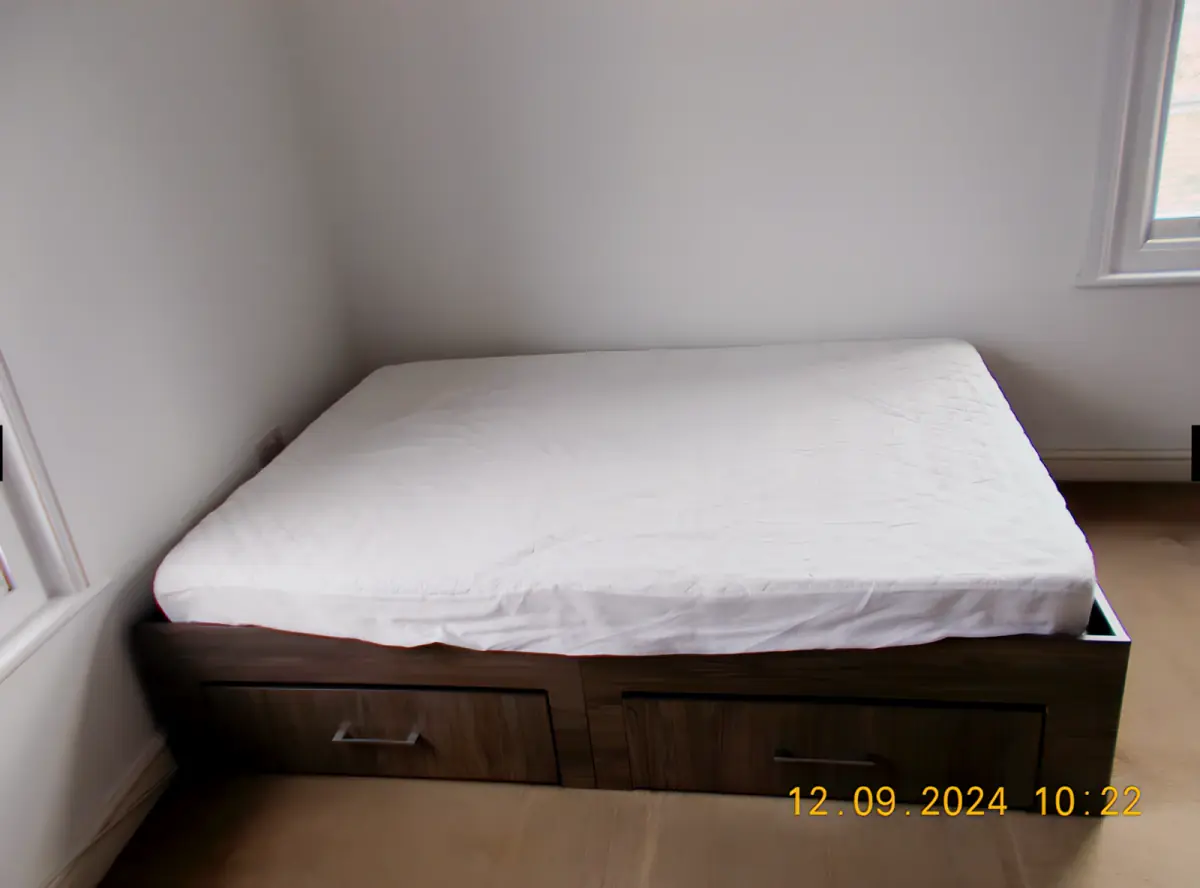
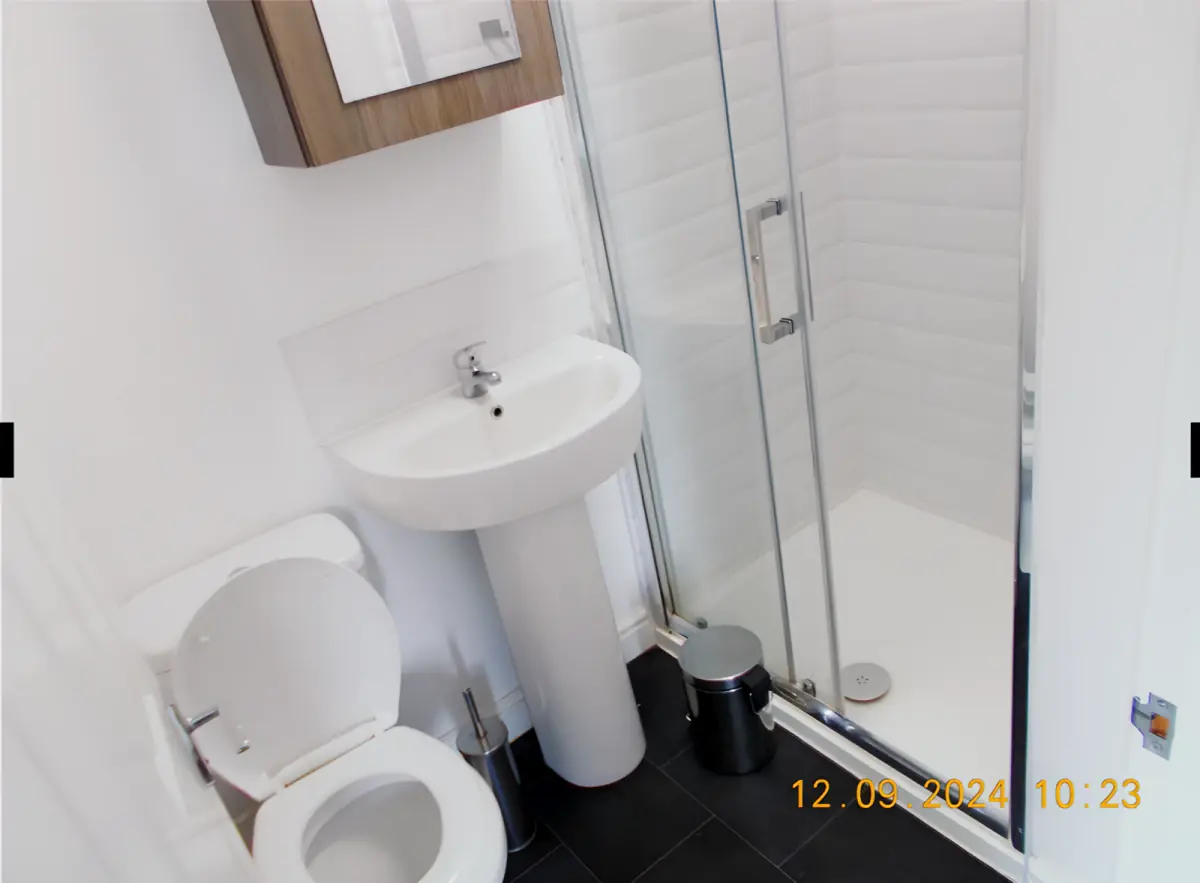
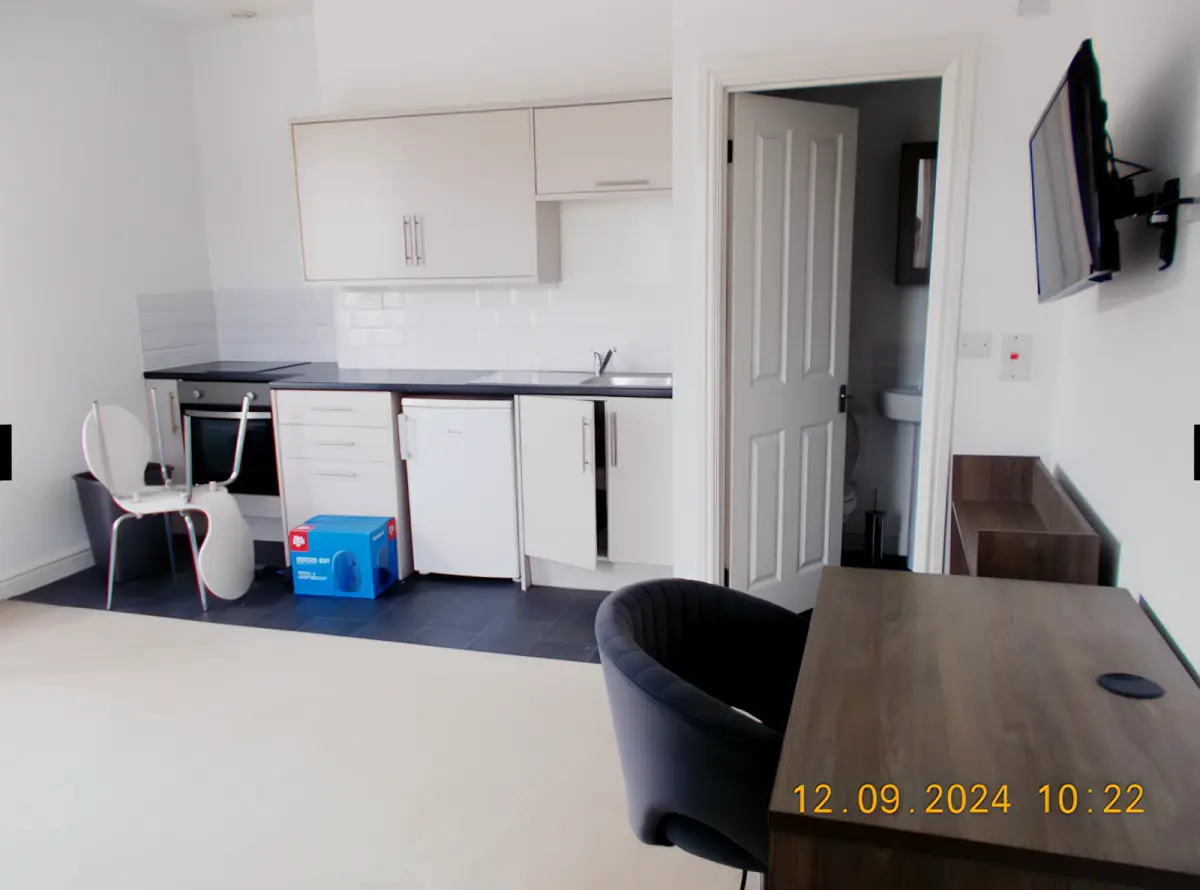
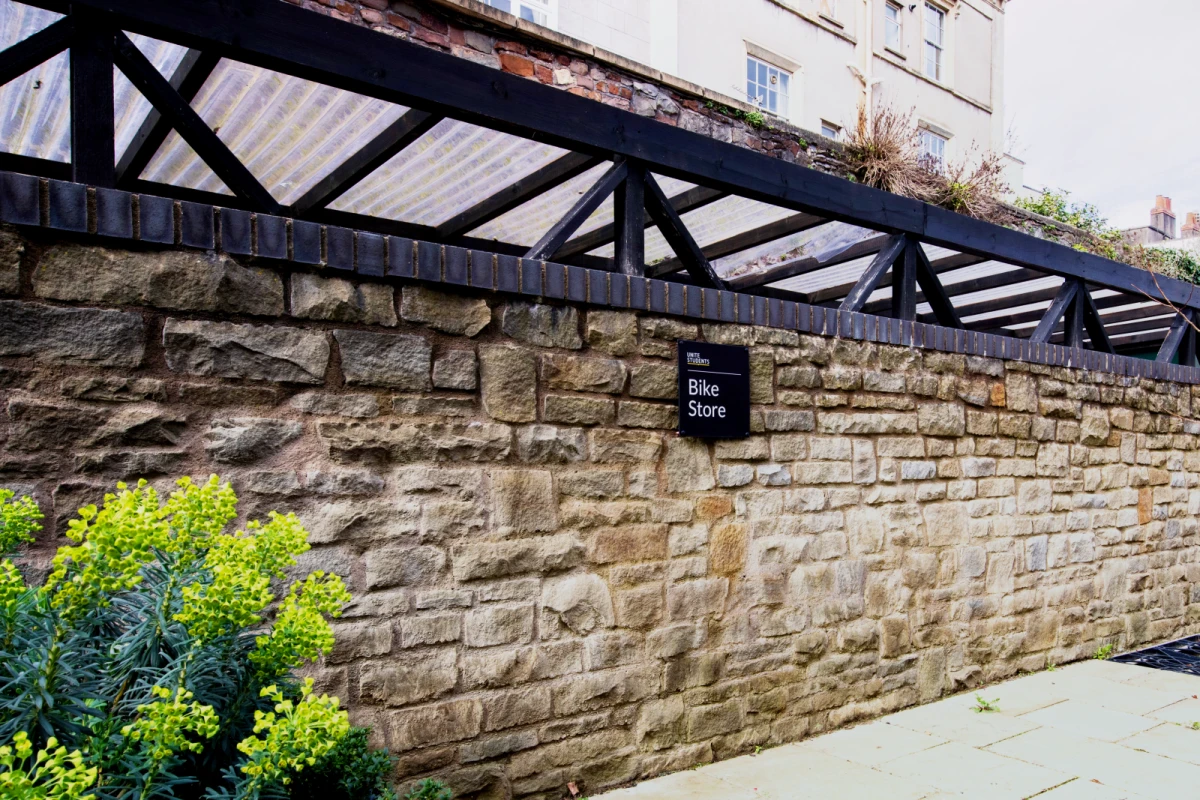
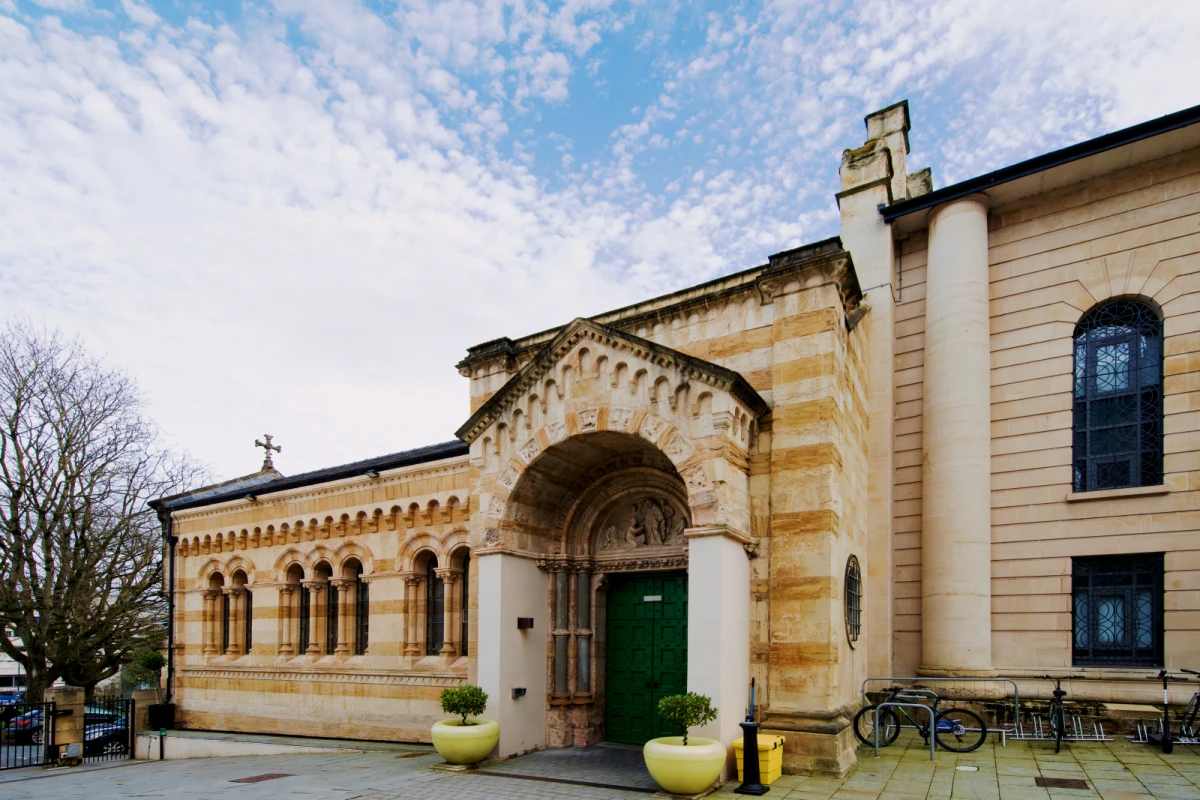
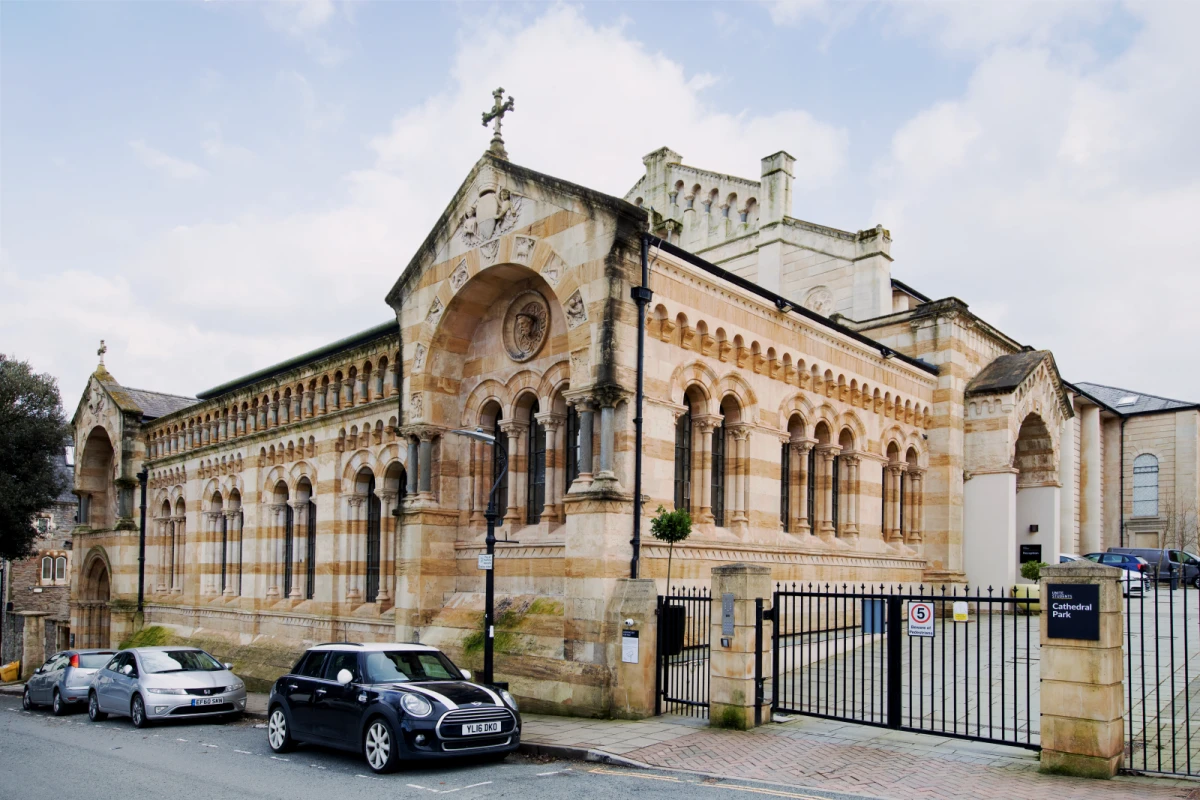
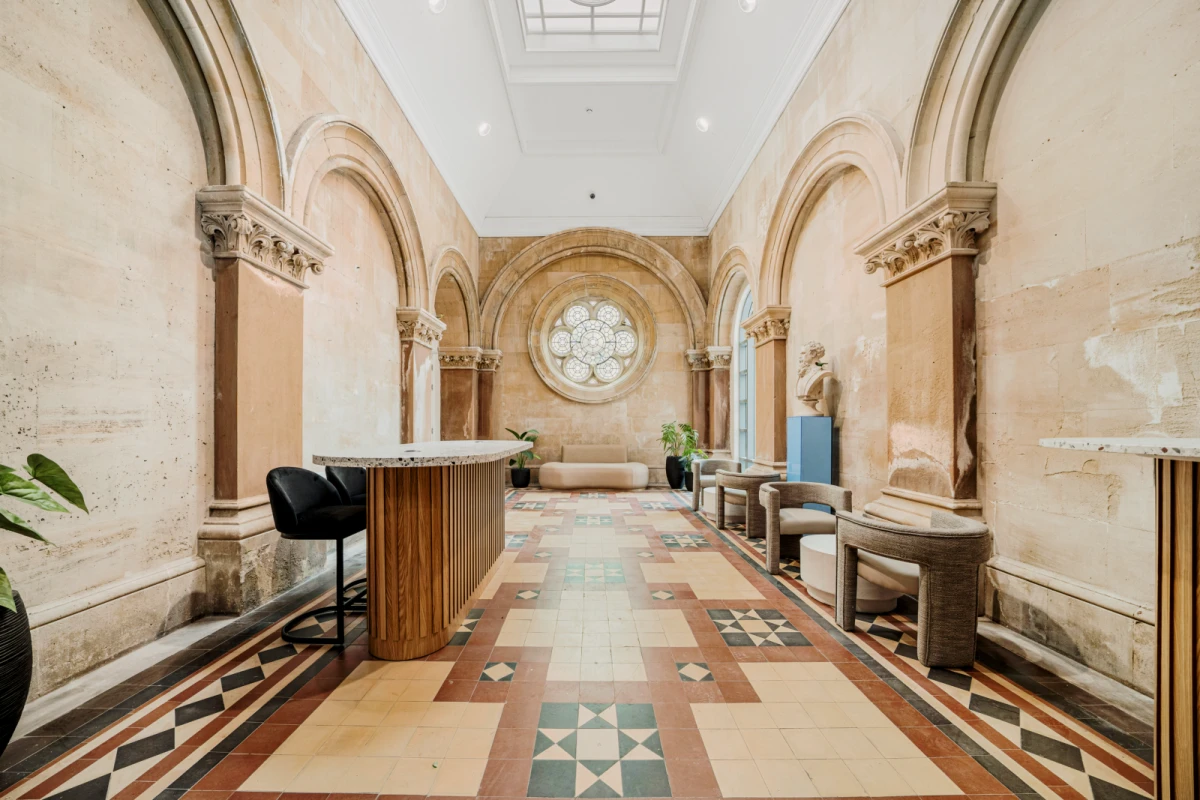
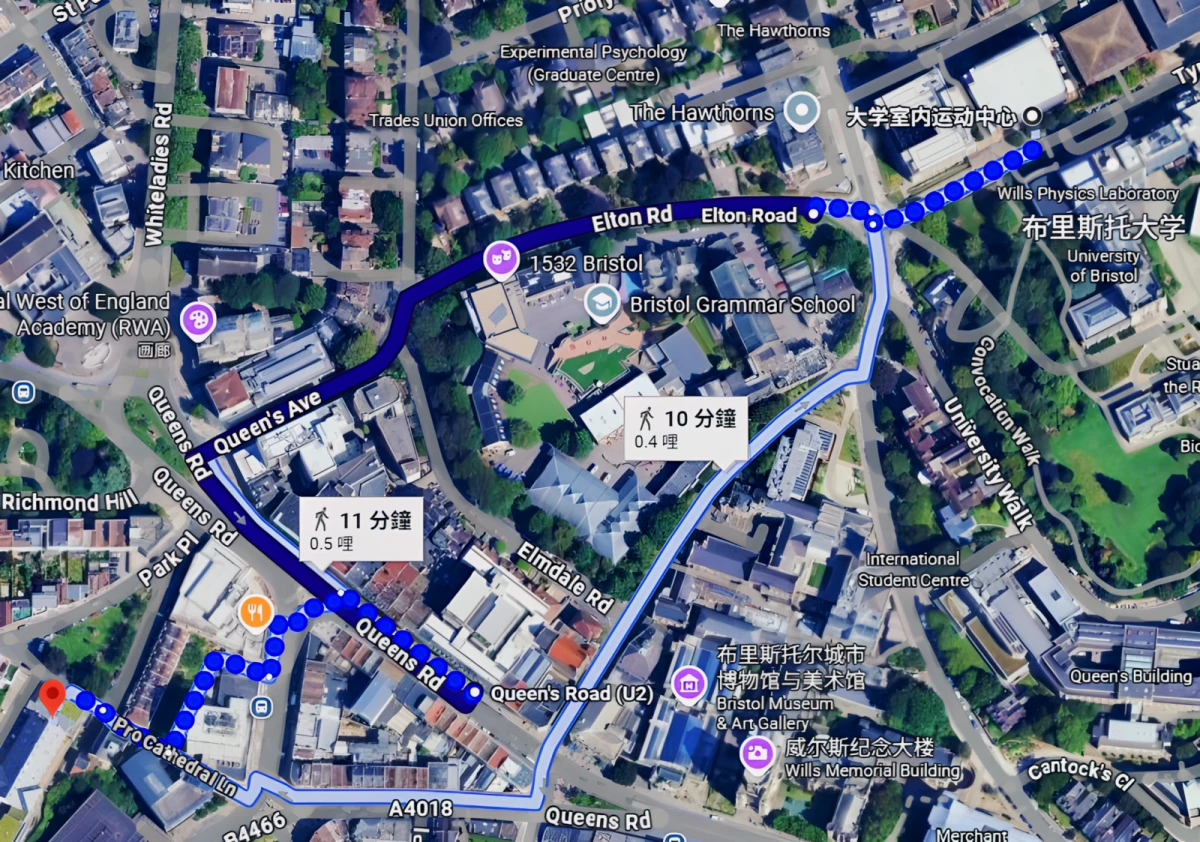
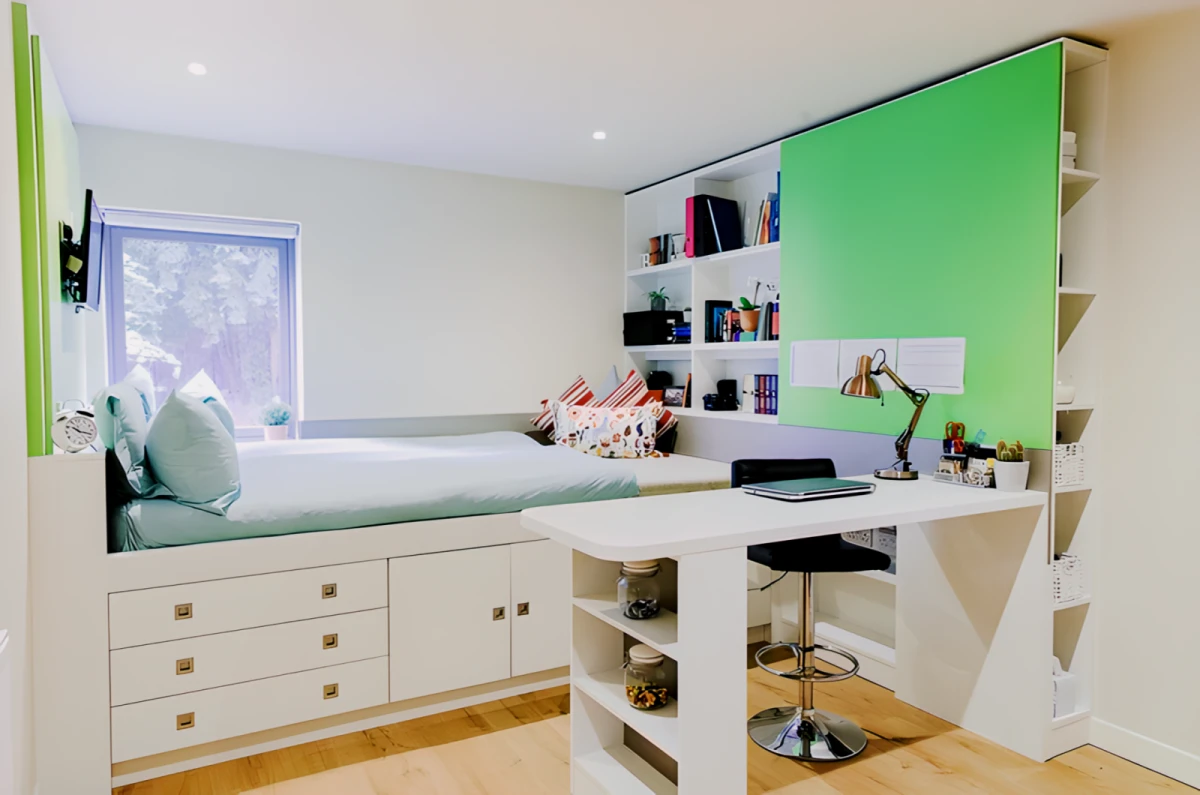
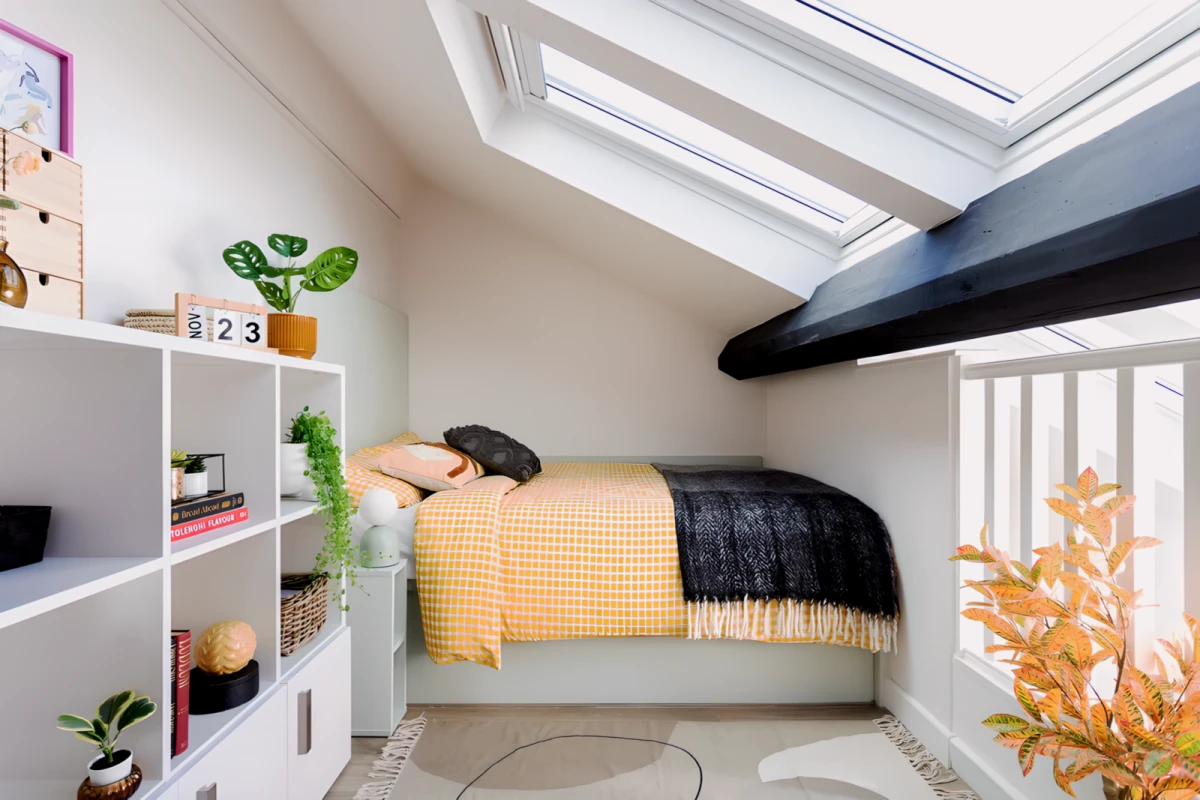
Park Place, Bristol BS8 1JR, United Kingdom
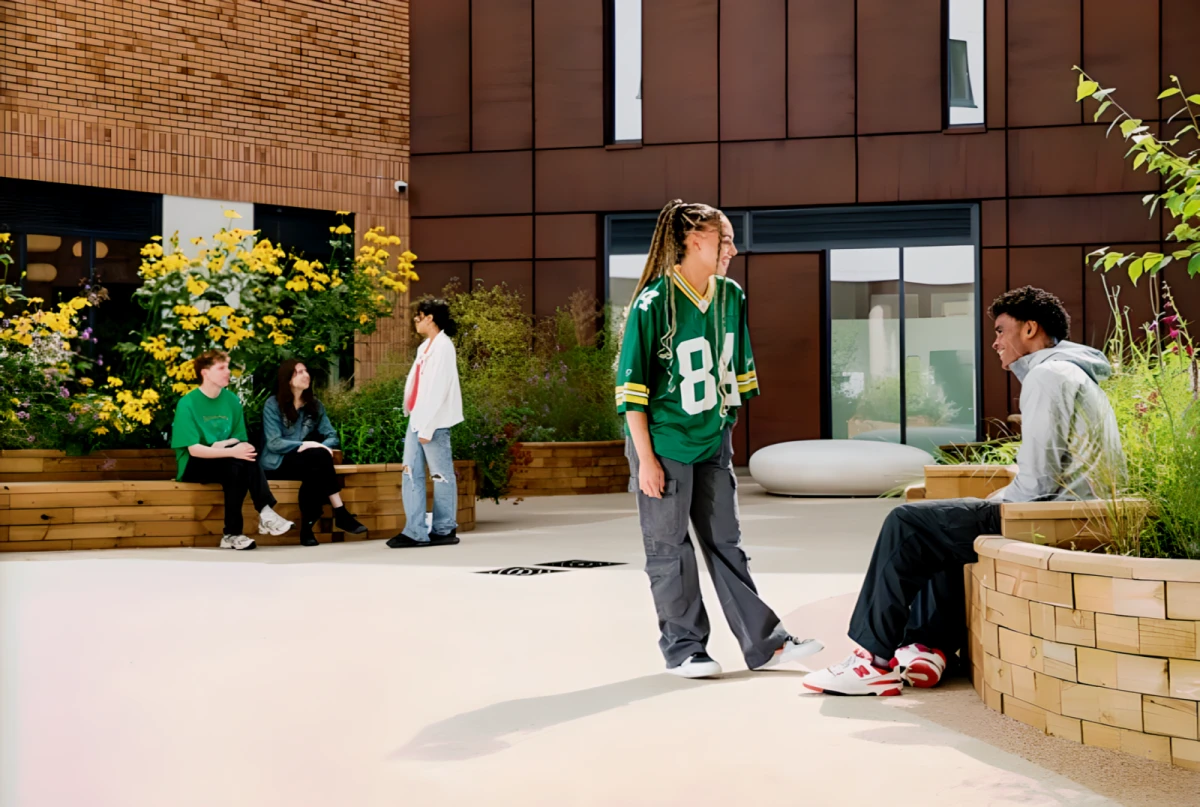
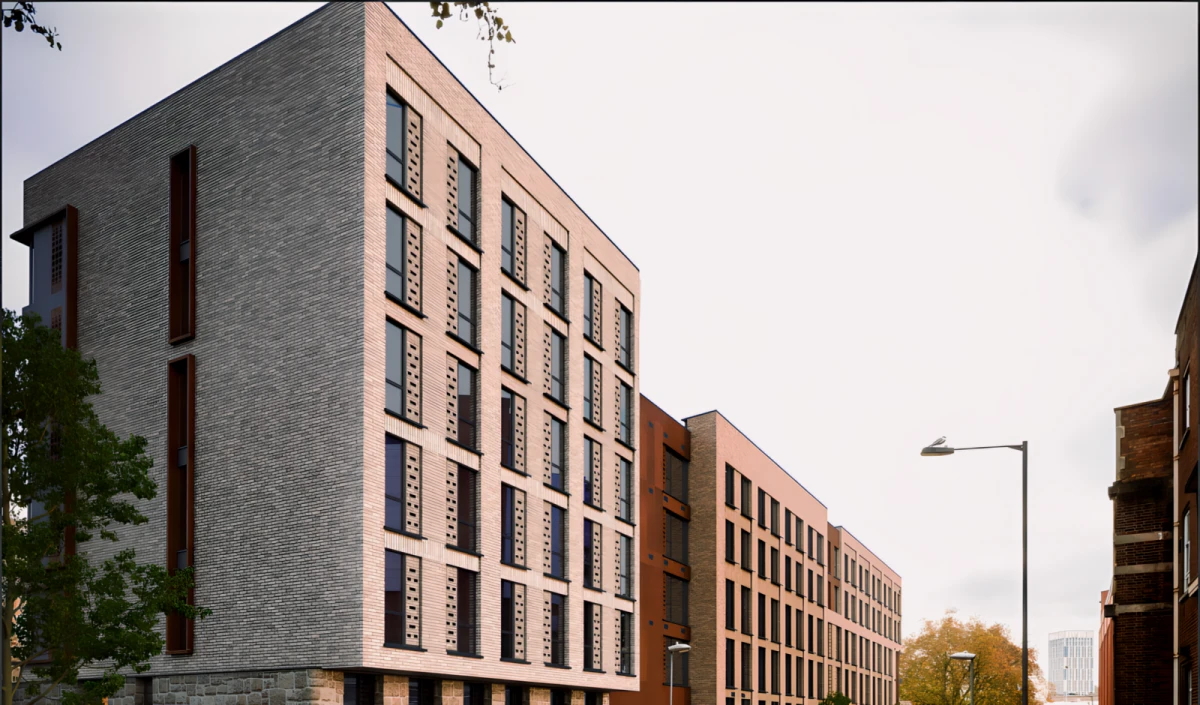
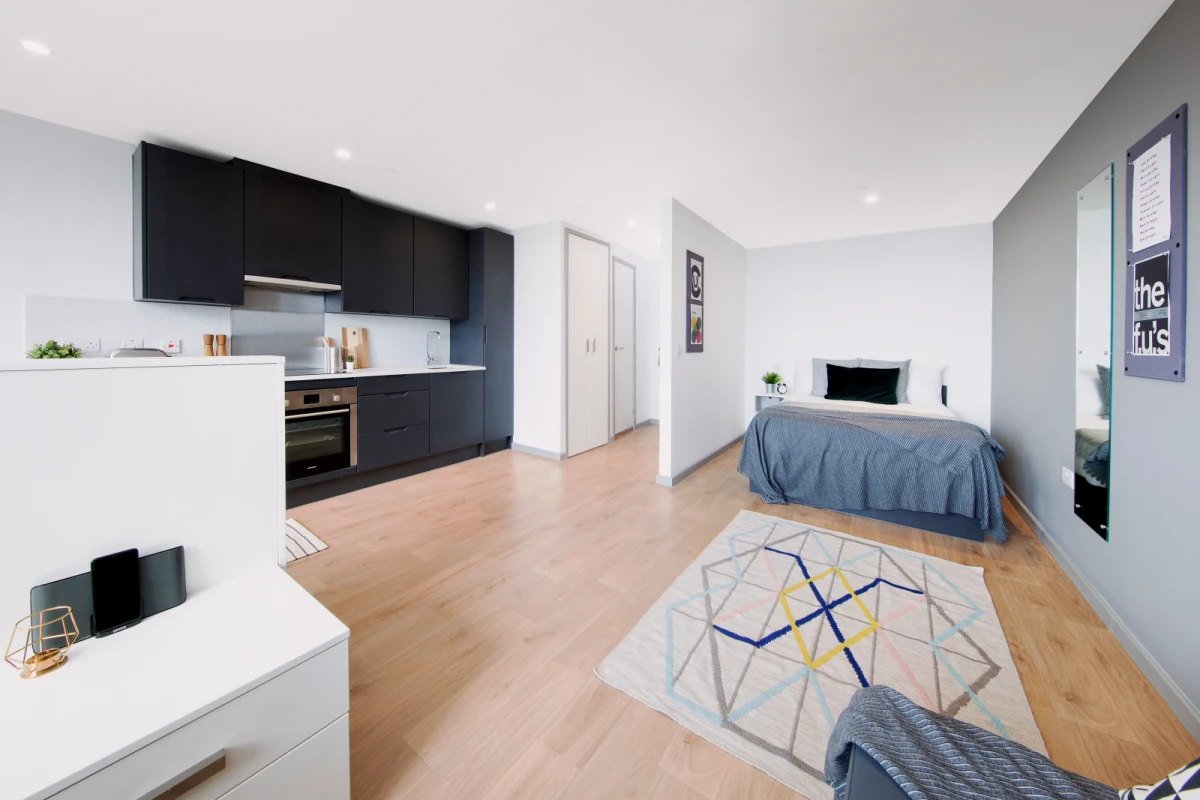
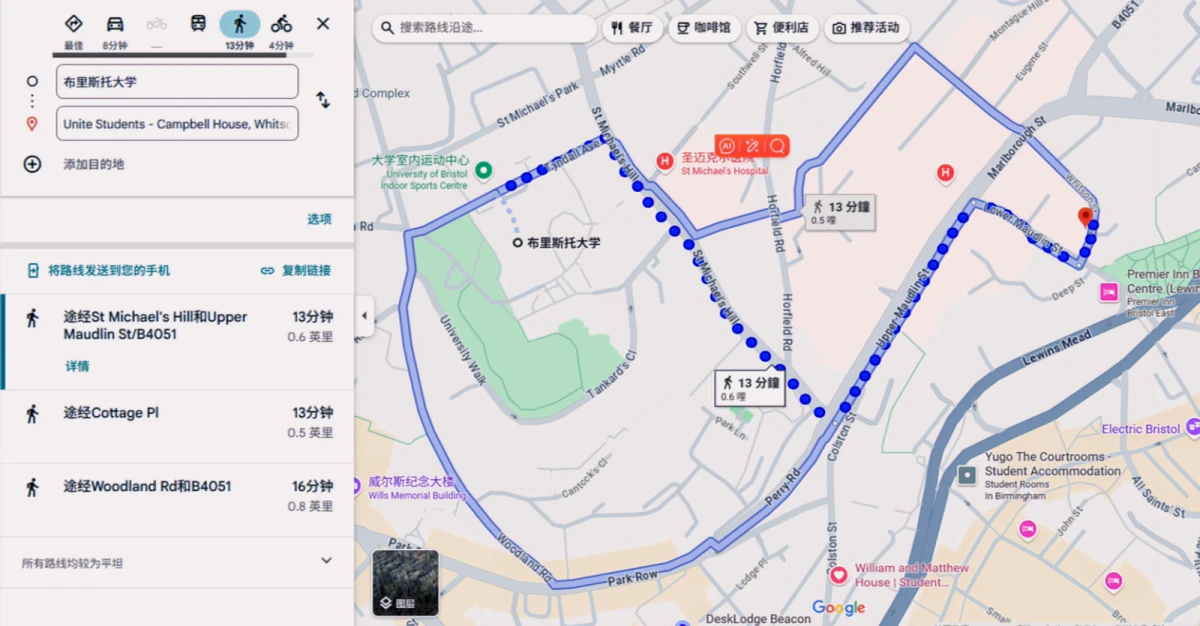
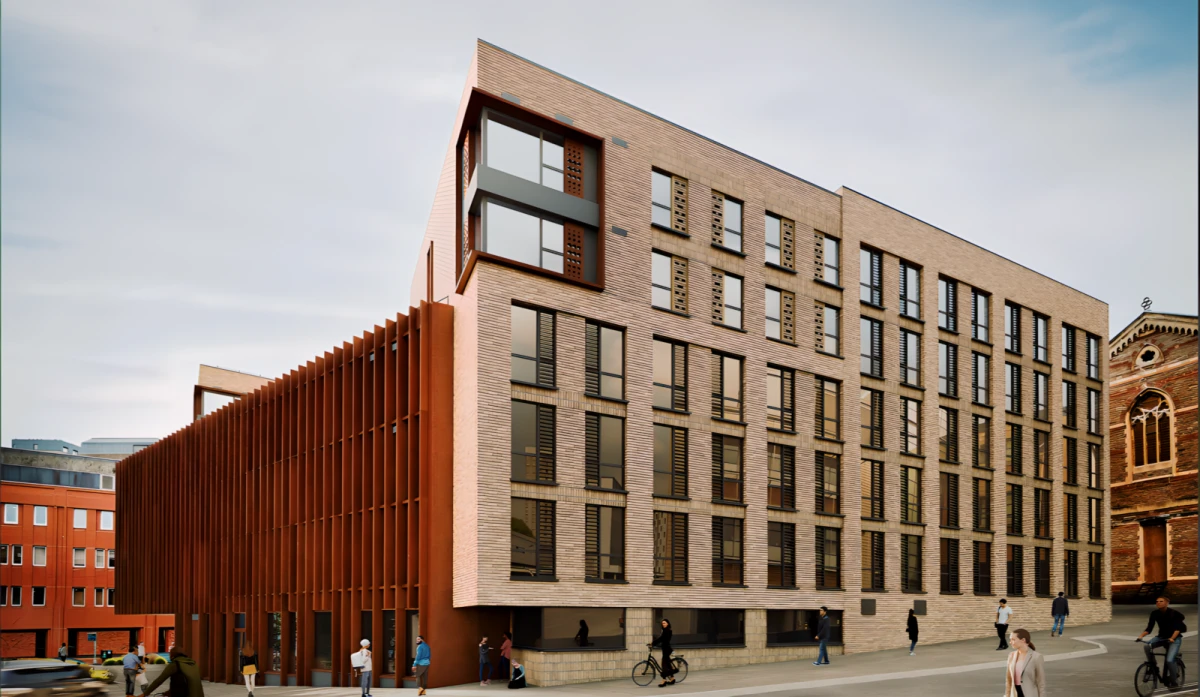
Whitson Street, Bristol BS1 2LX, United Kingdom
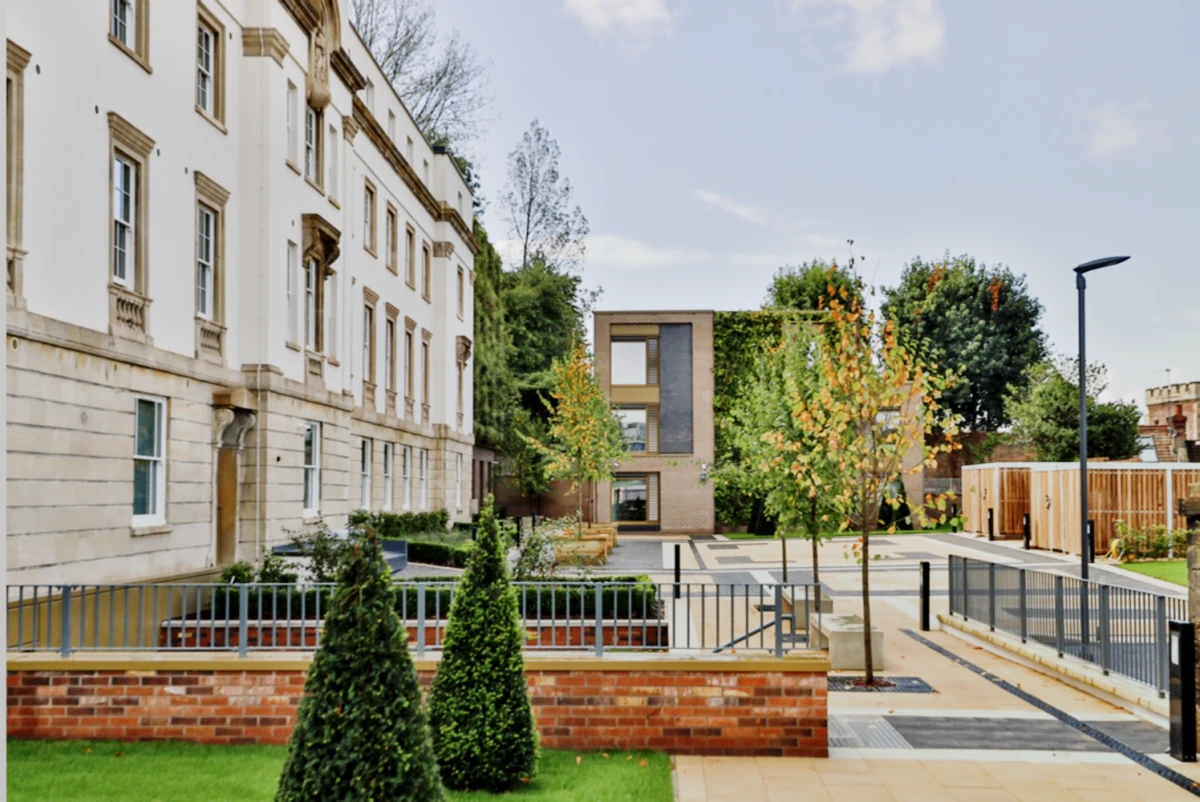
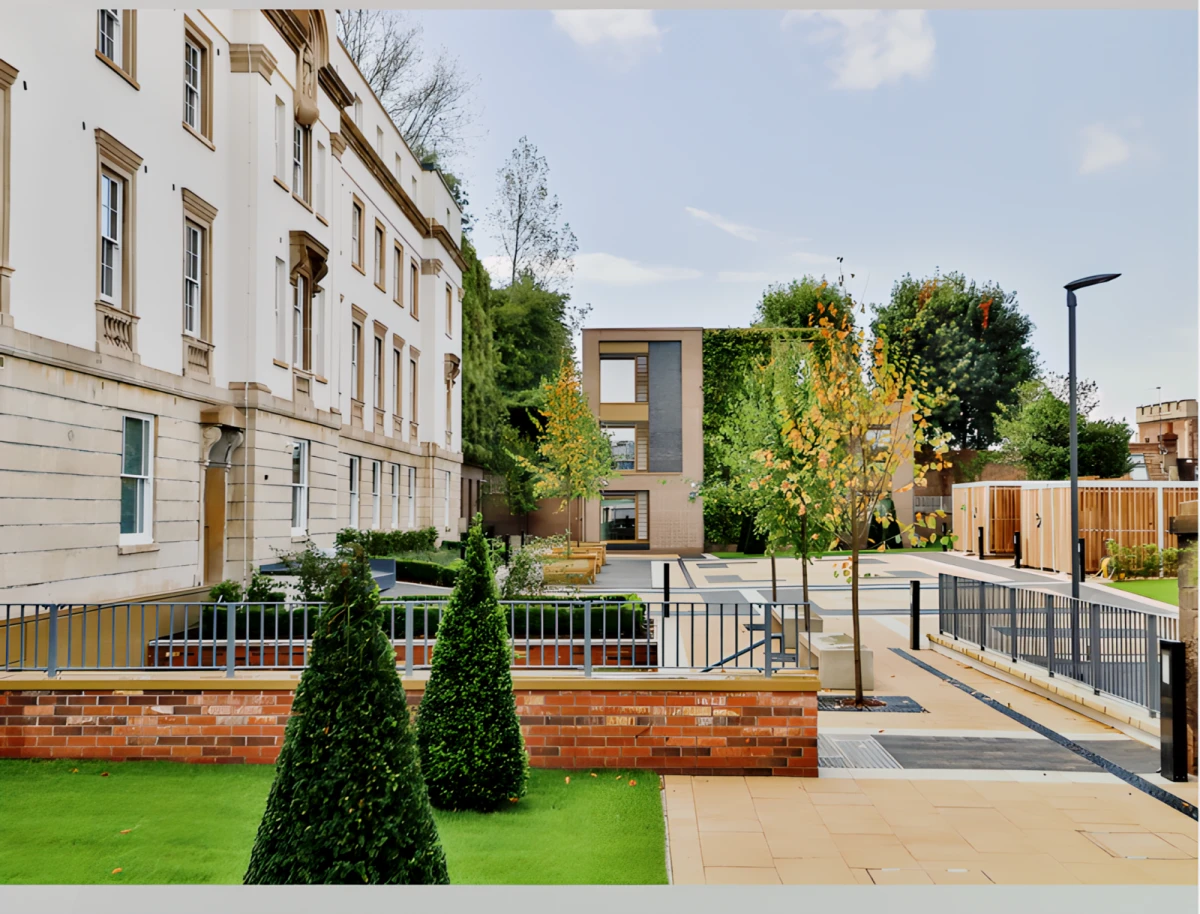
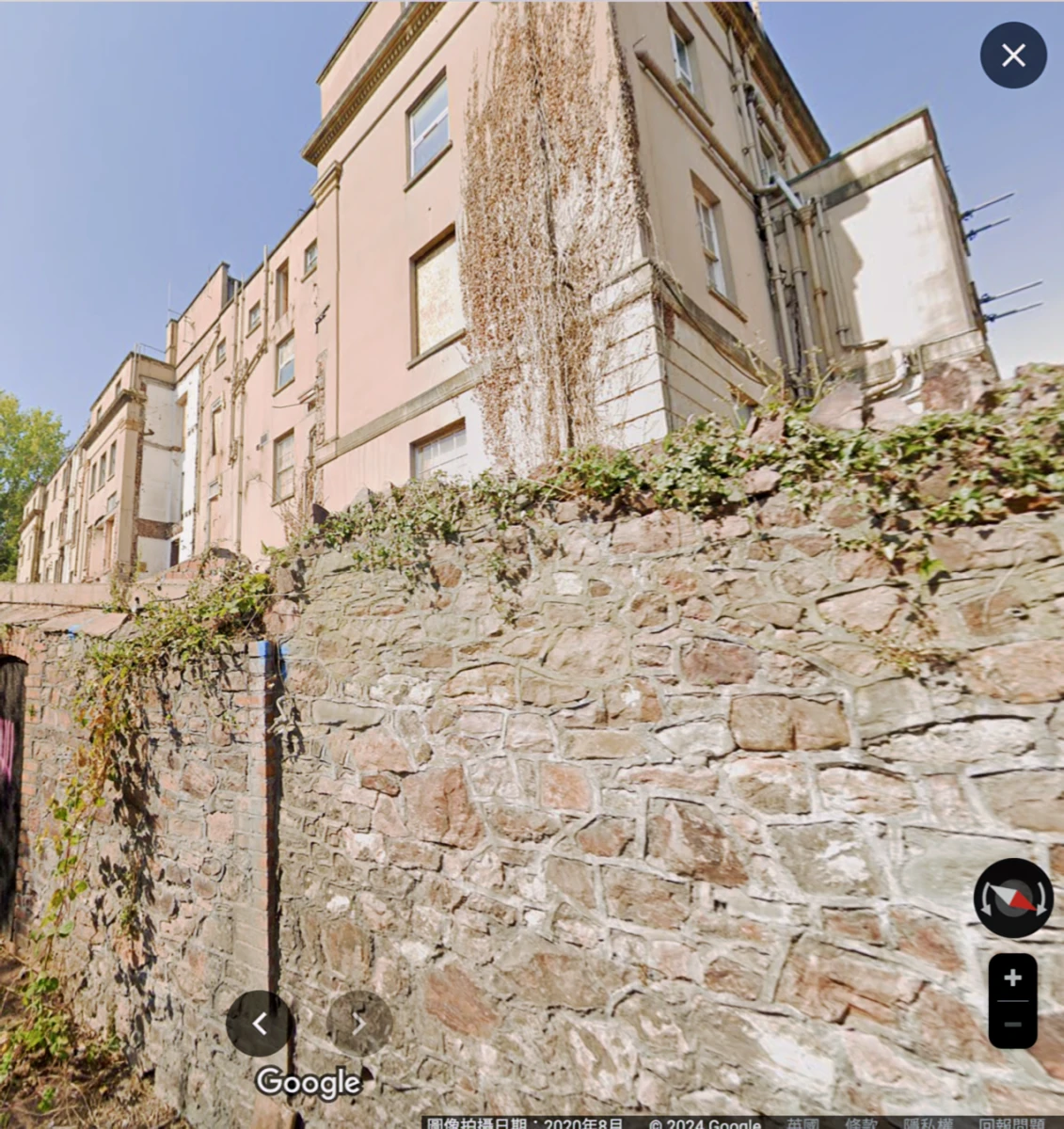
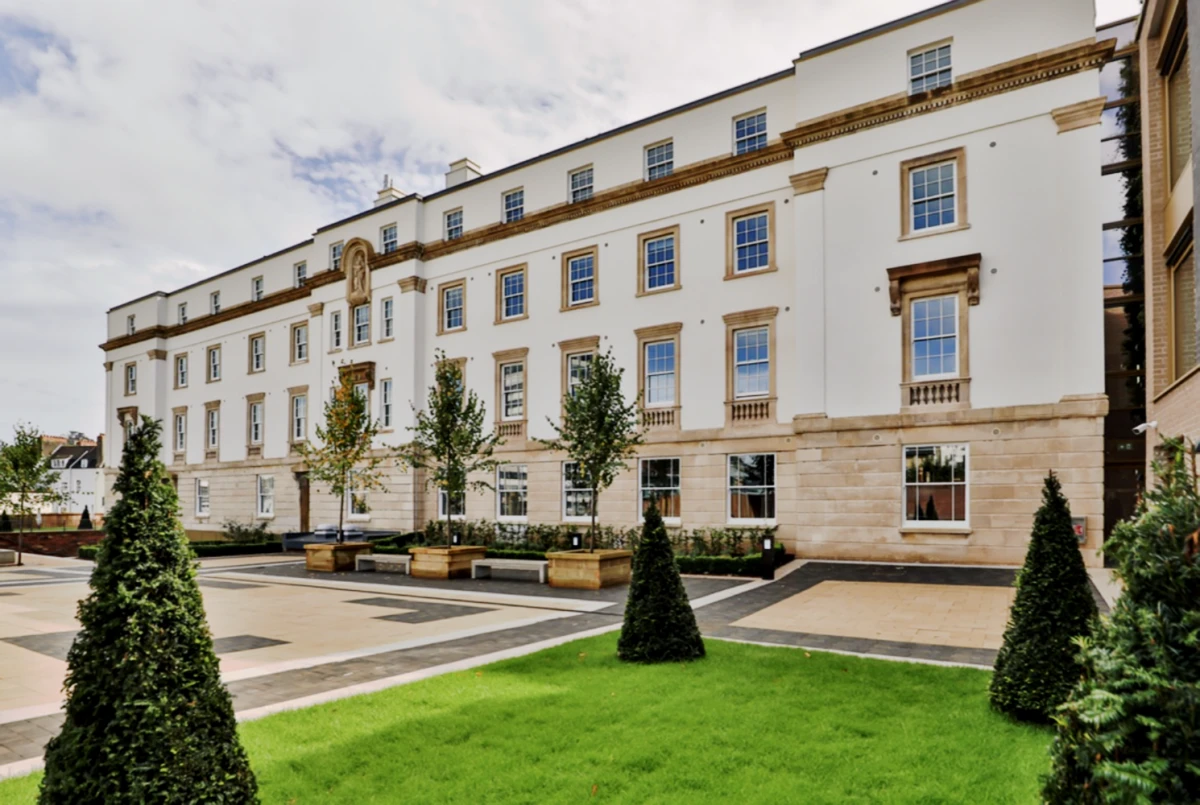
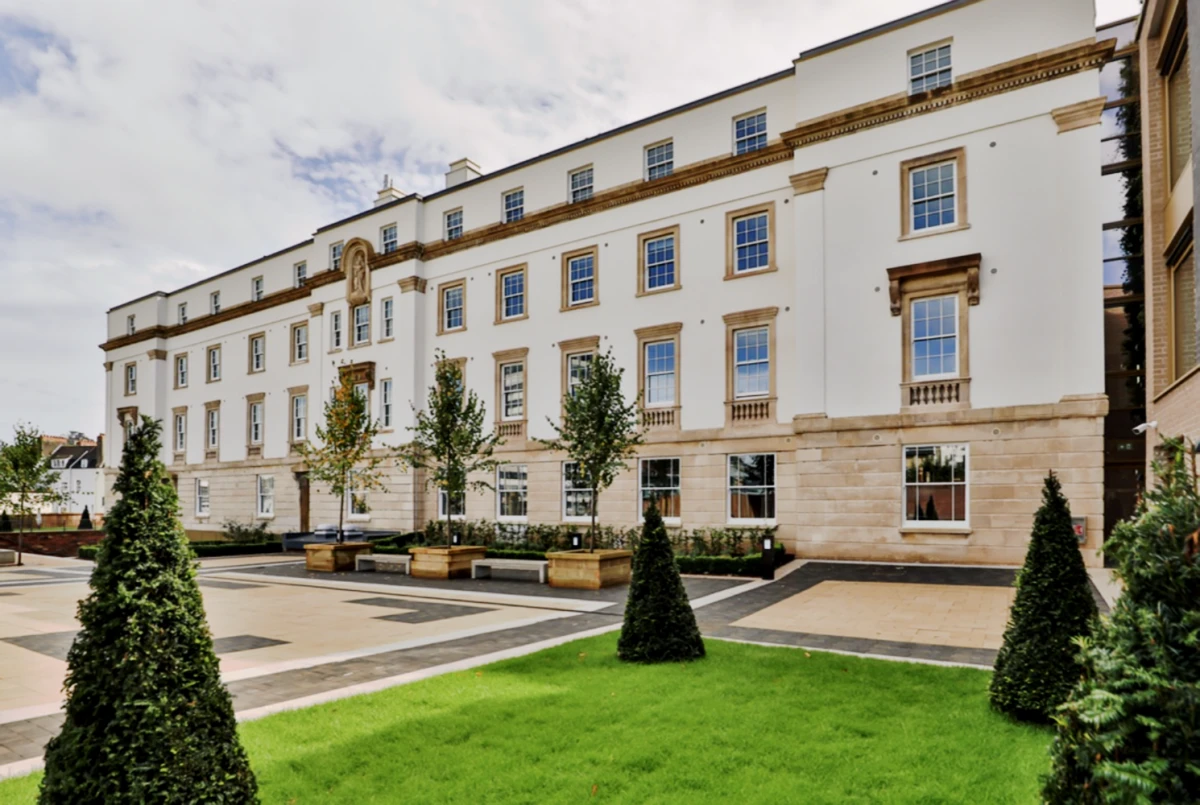
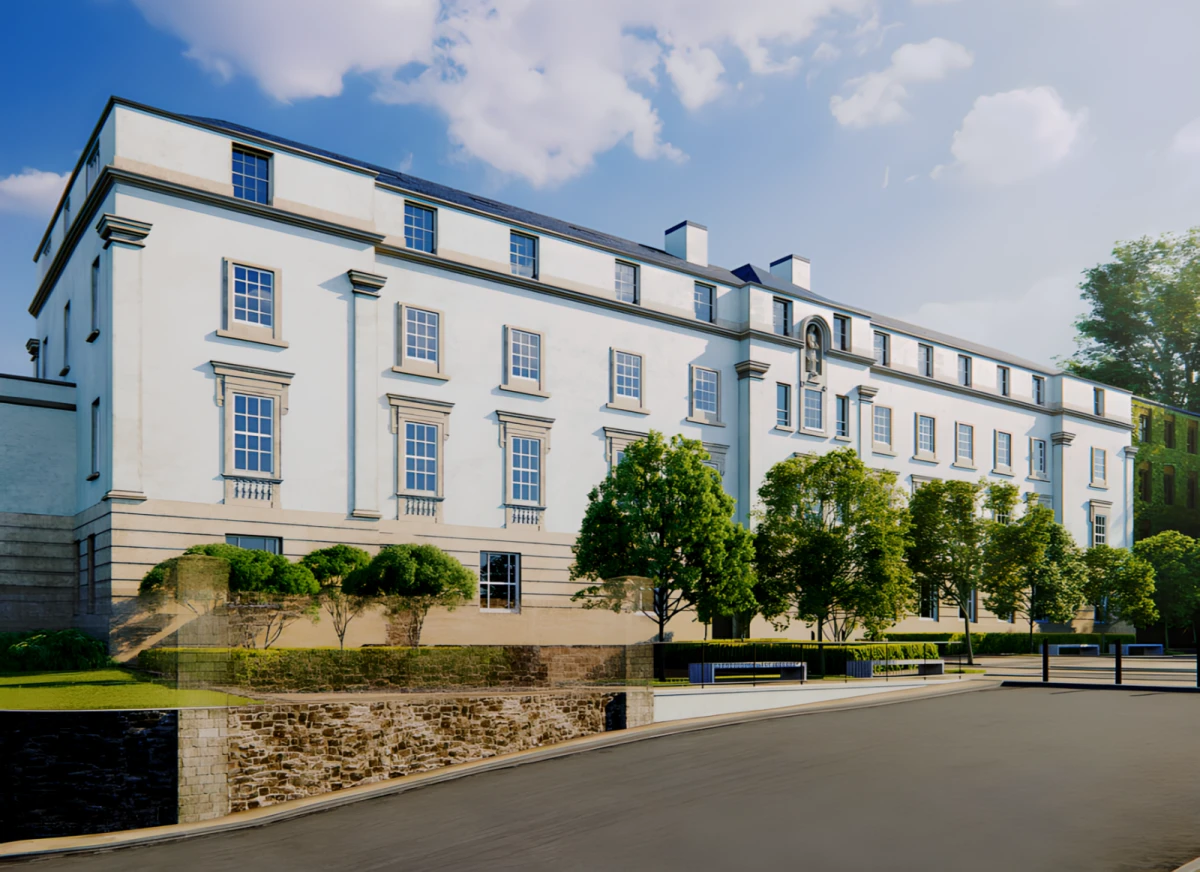
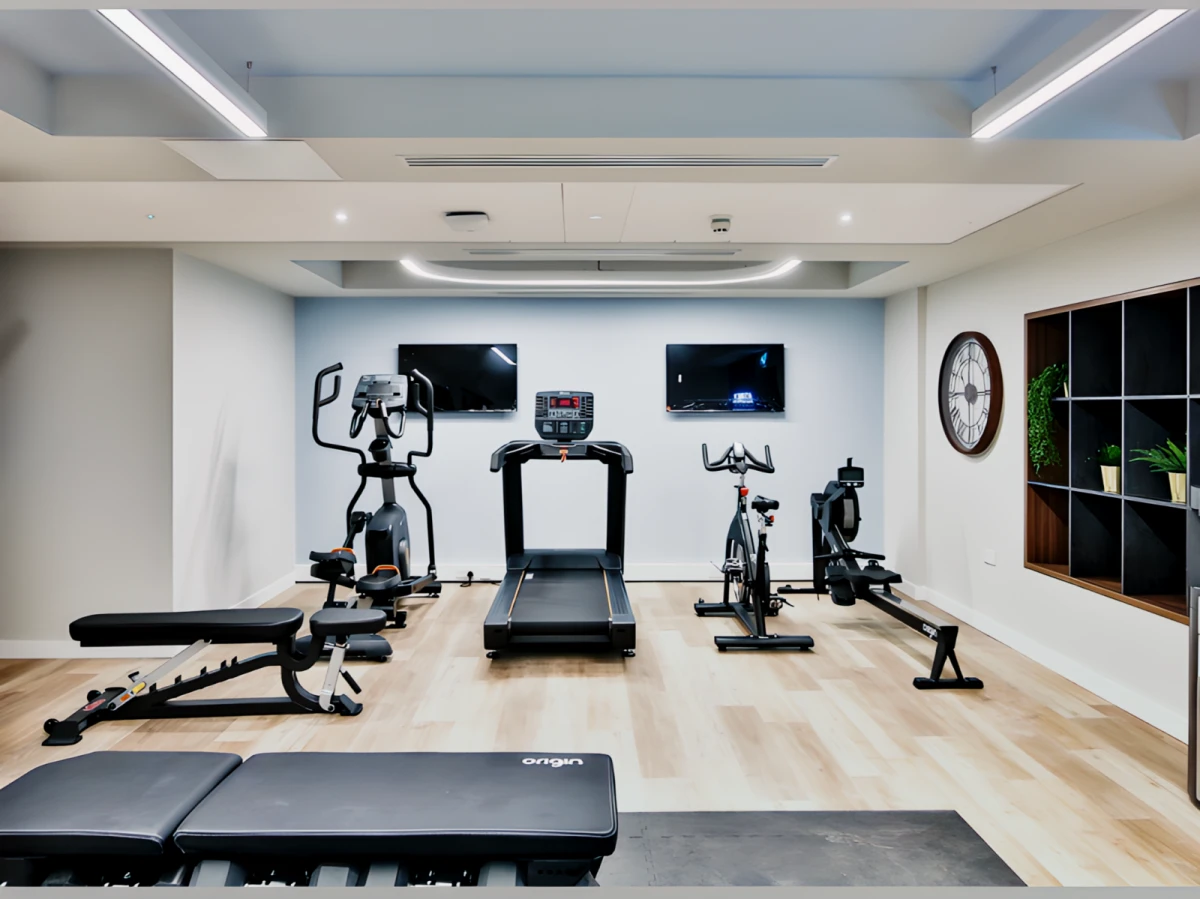
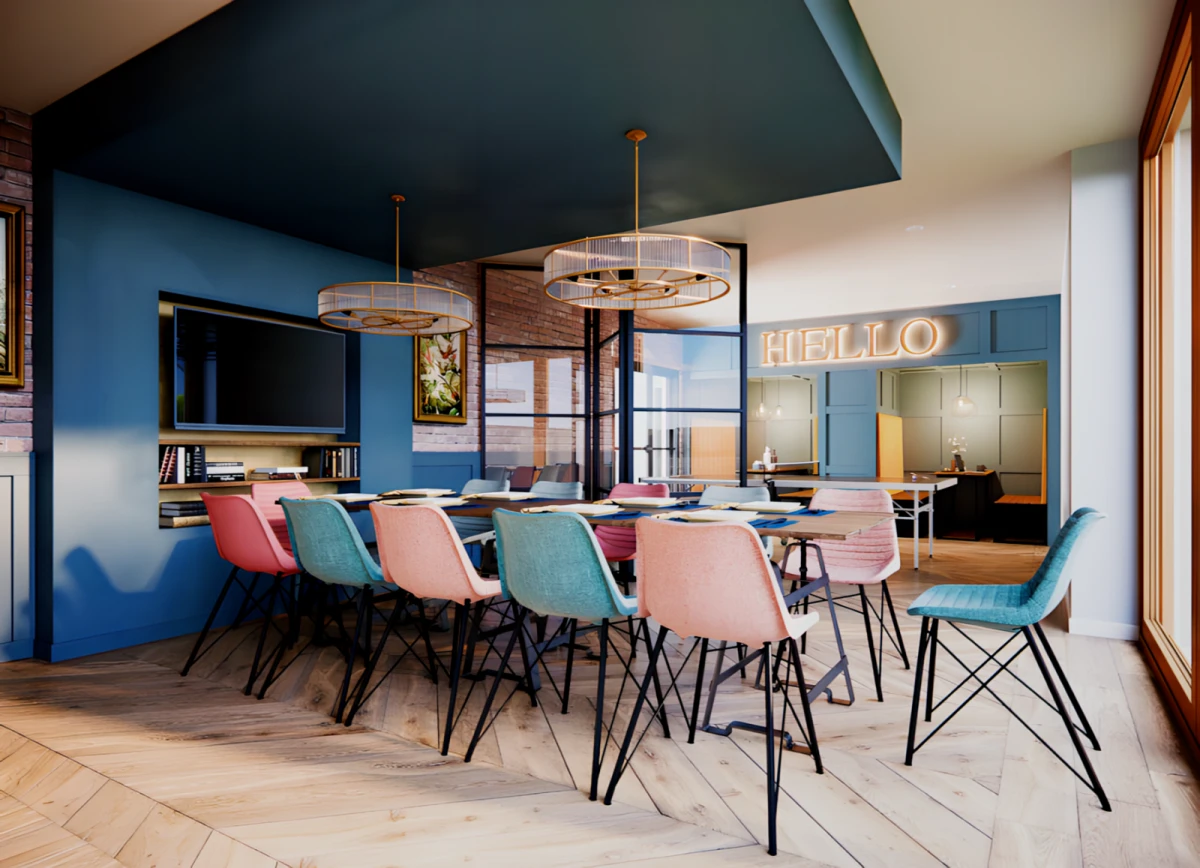
Upper Byron Place, Bristol BS8 1JU, United Kingdom
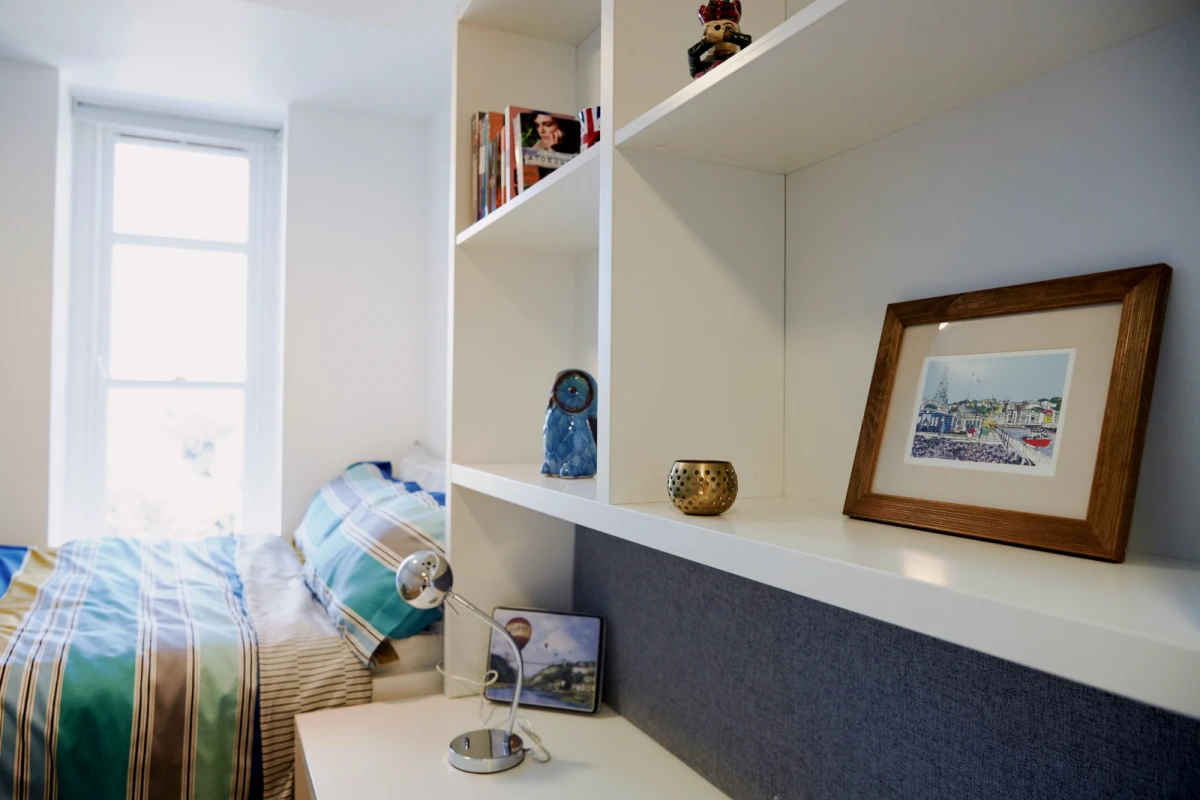
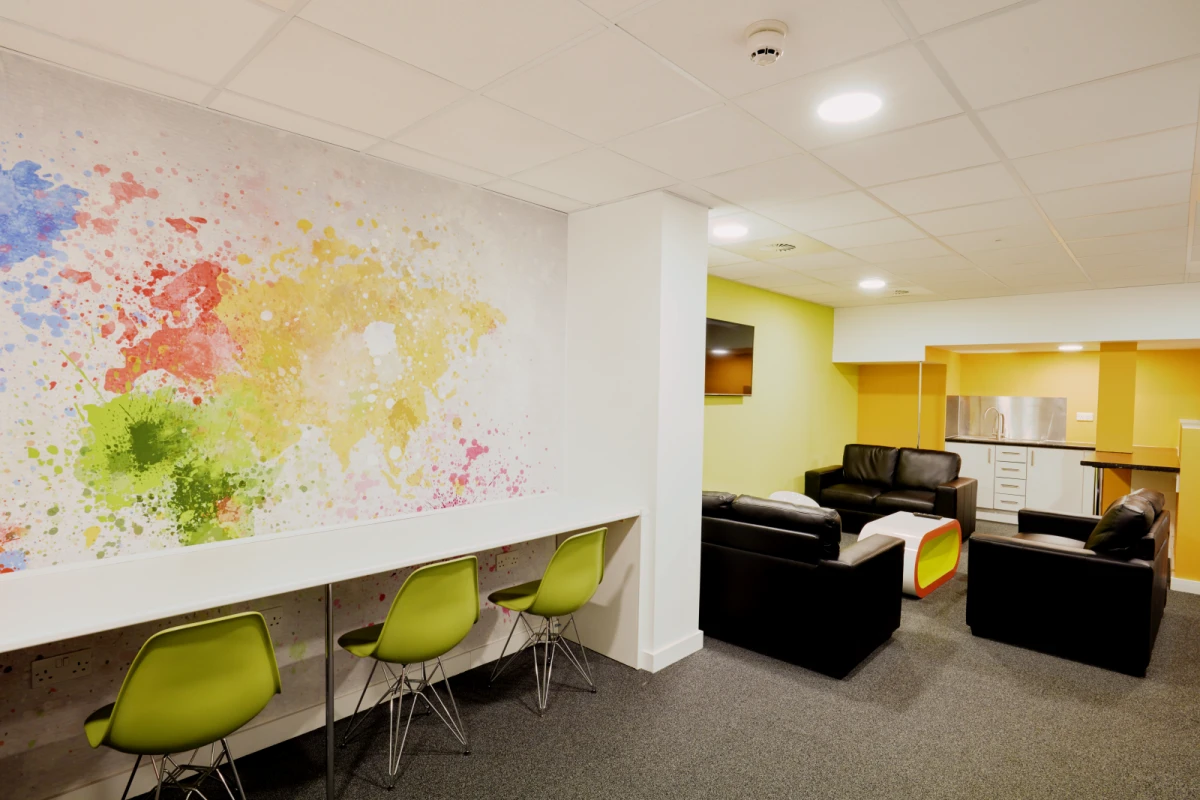
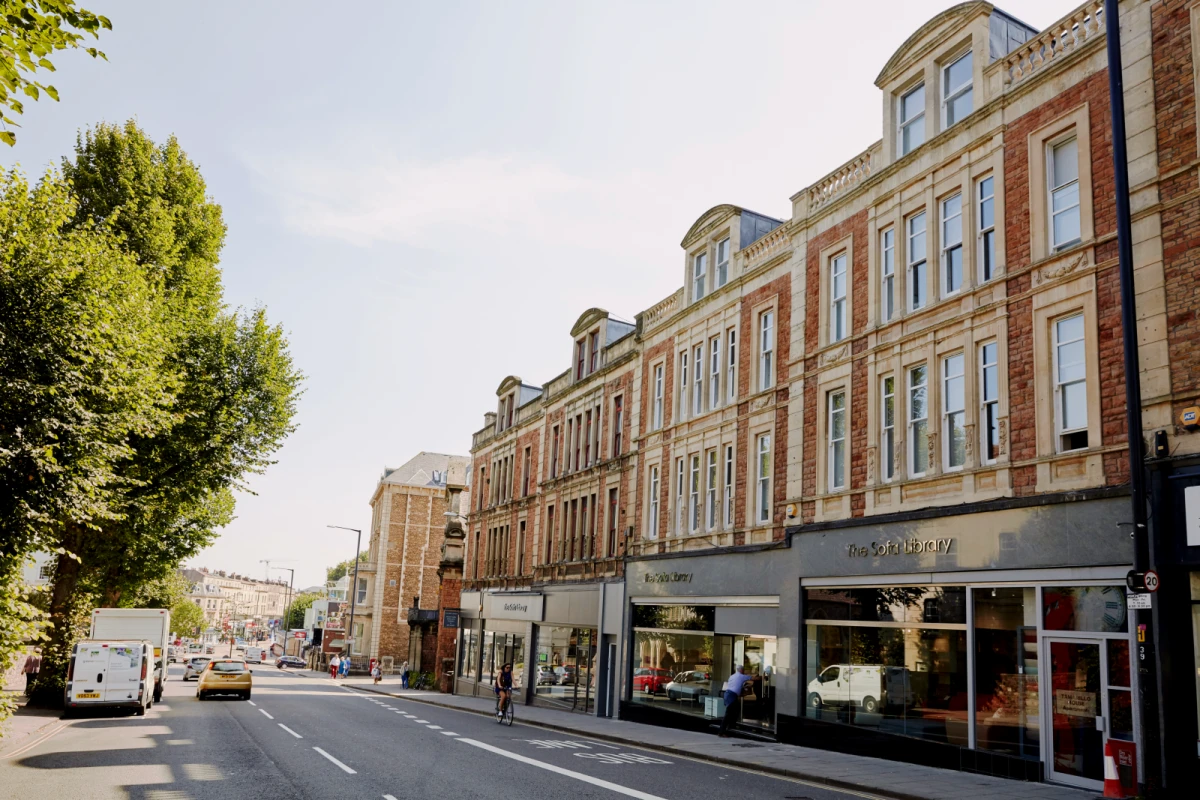
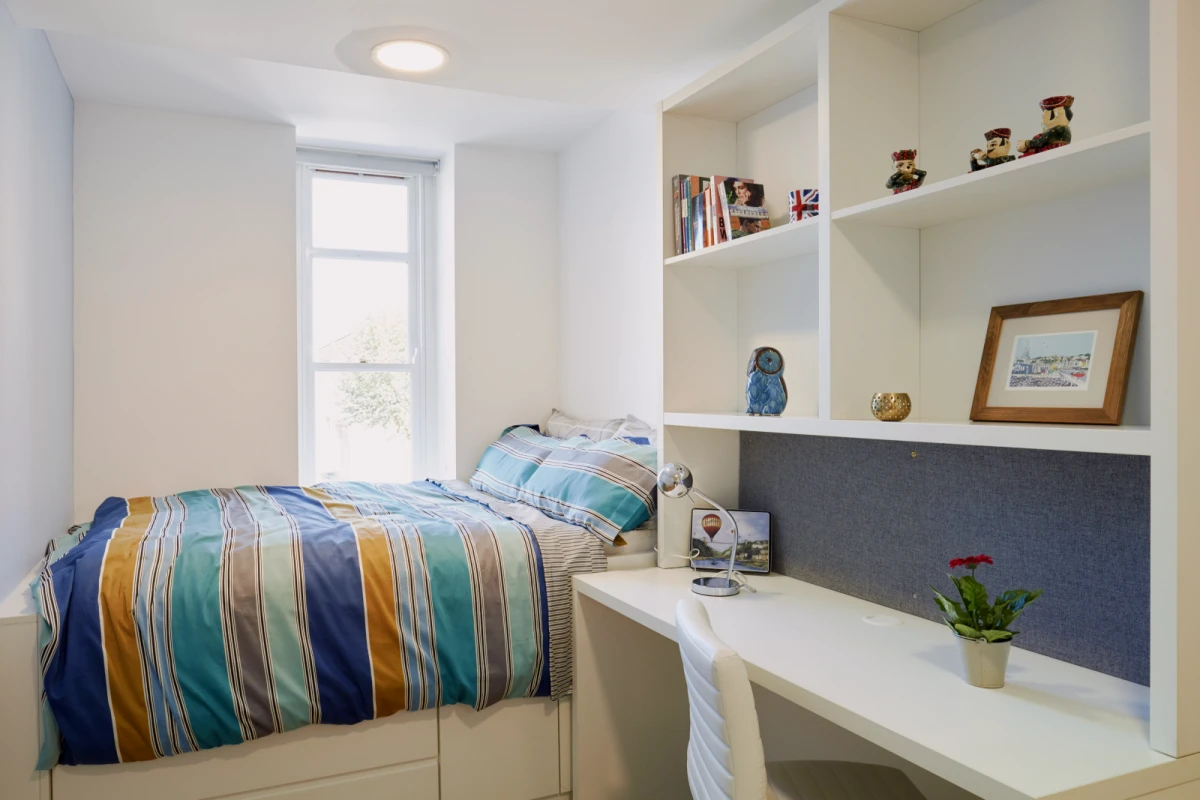
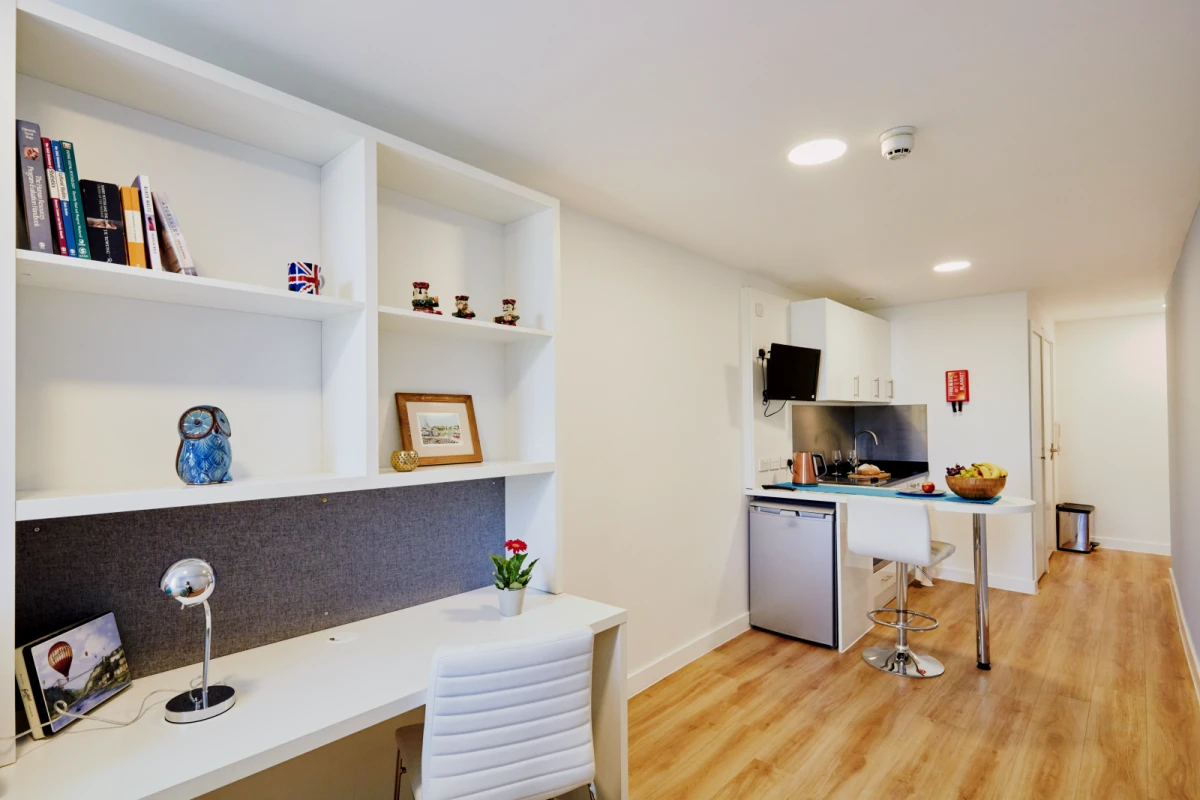
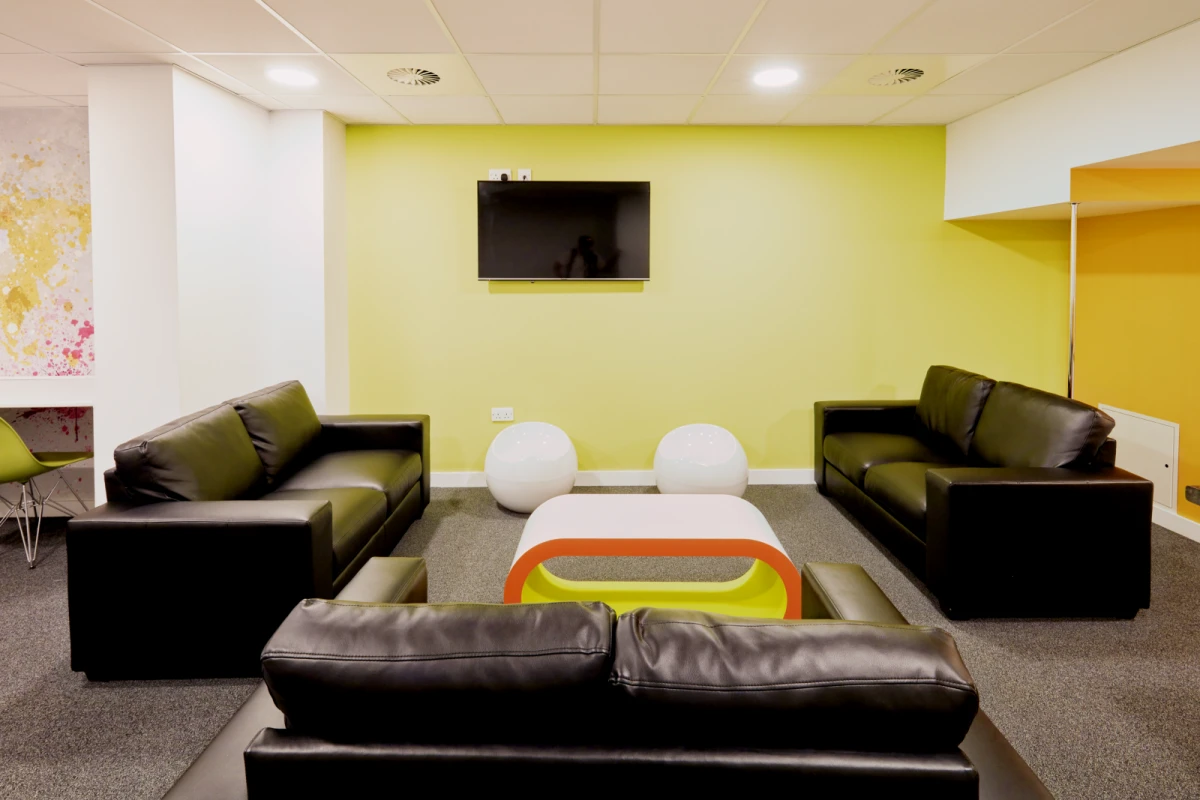
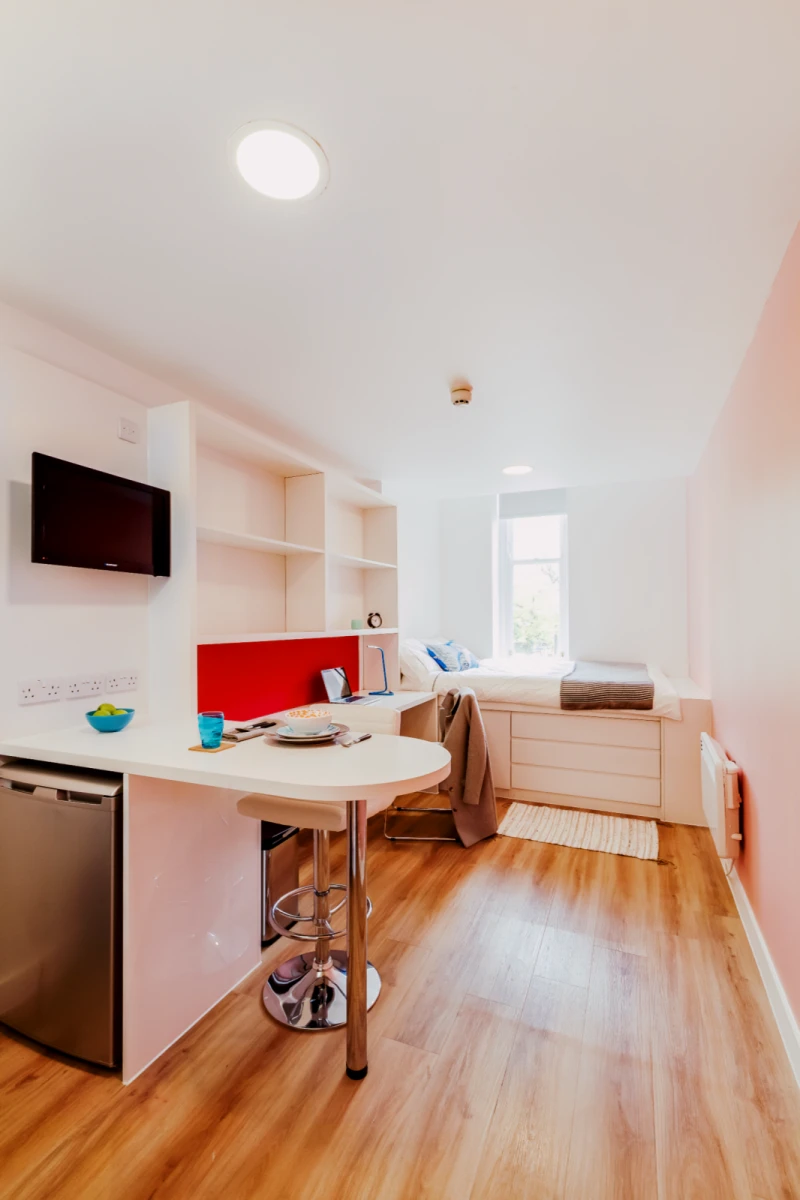
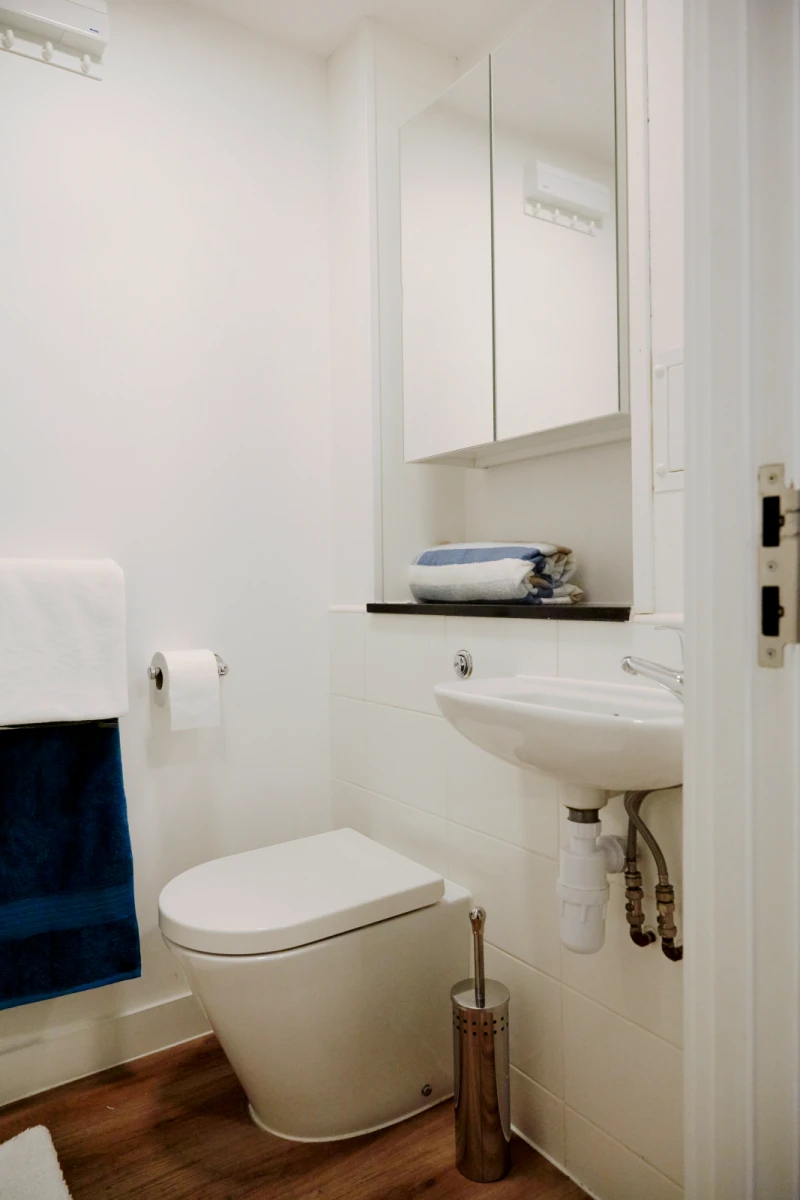
62-64 Whiteladies Rd, Bristol BS8 2QA, United Kingdom
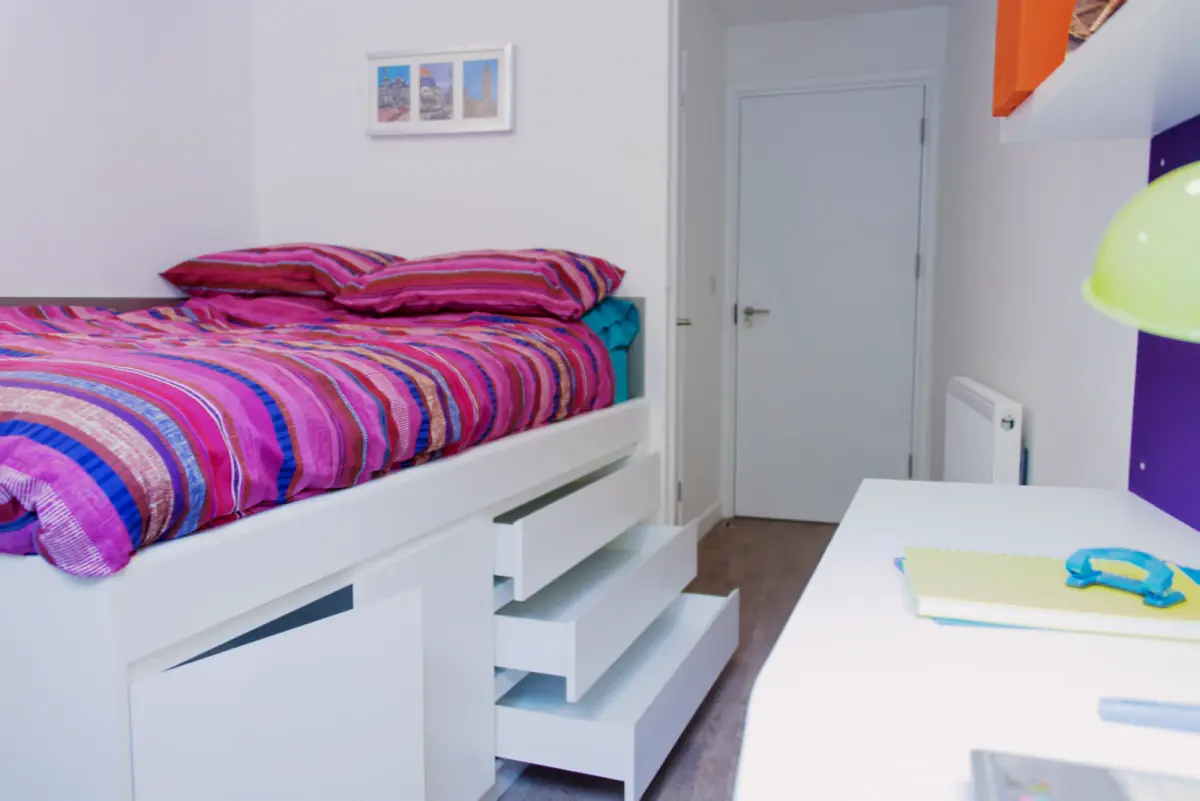
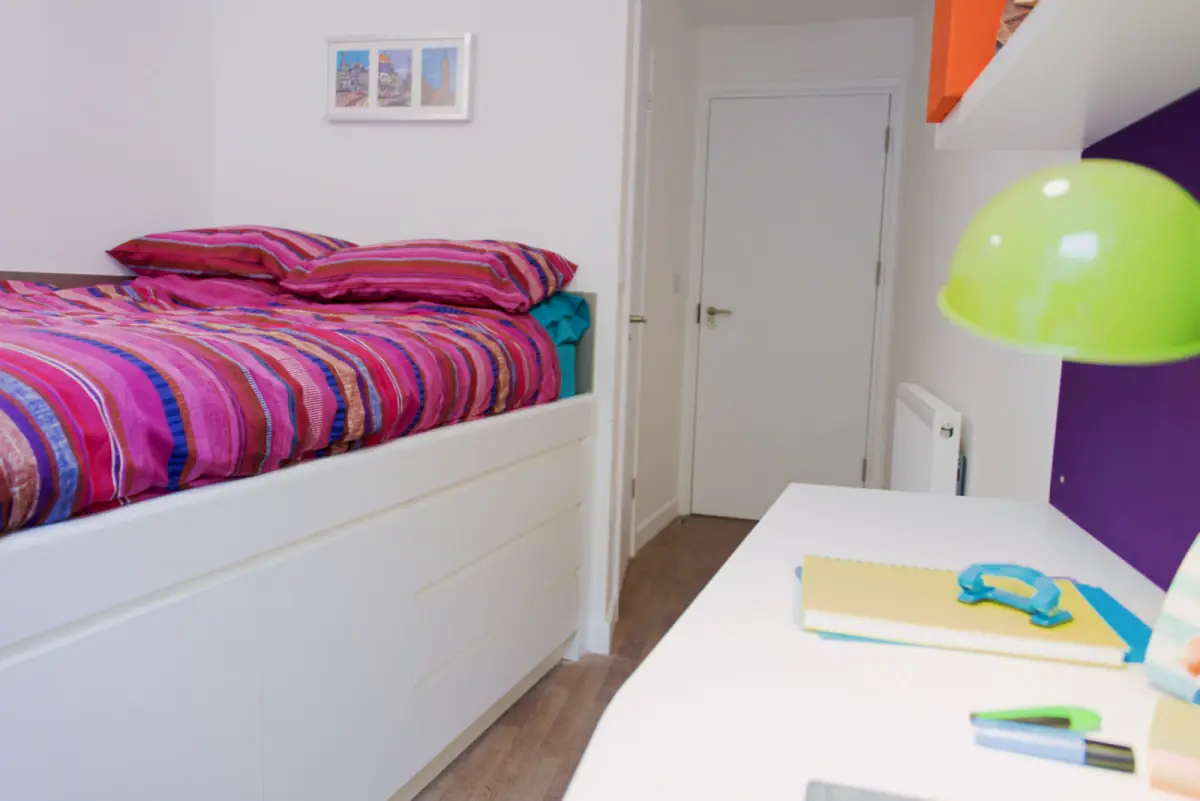
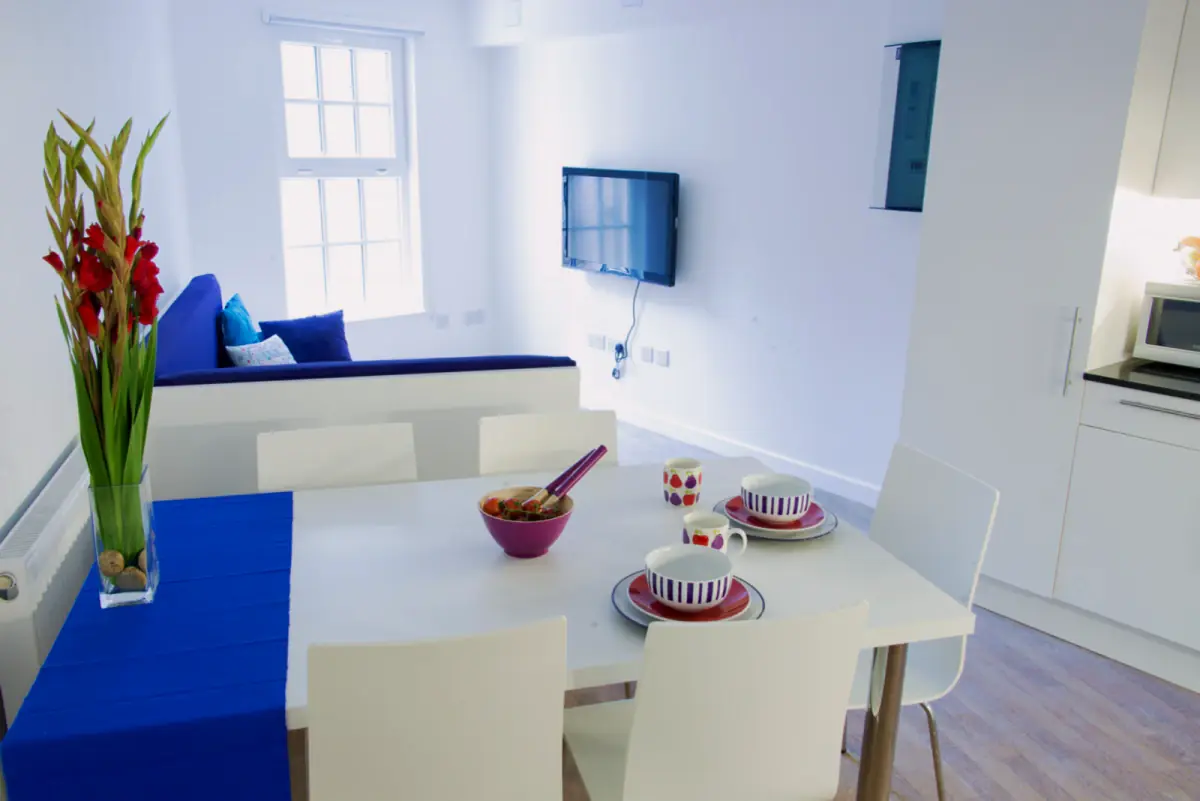
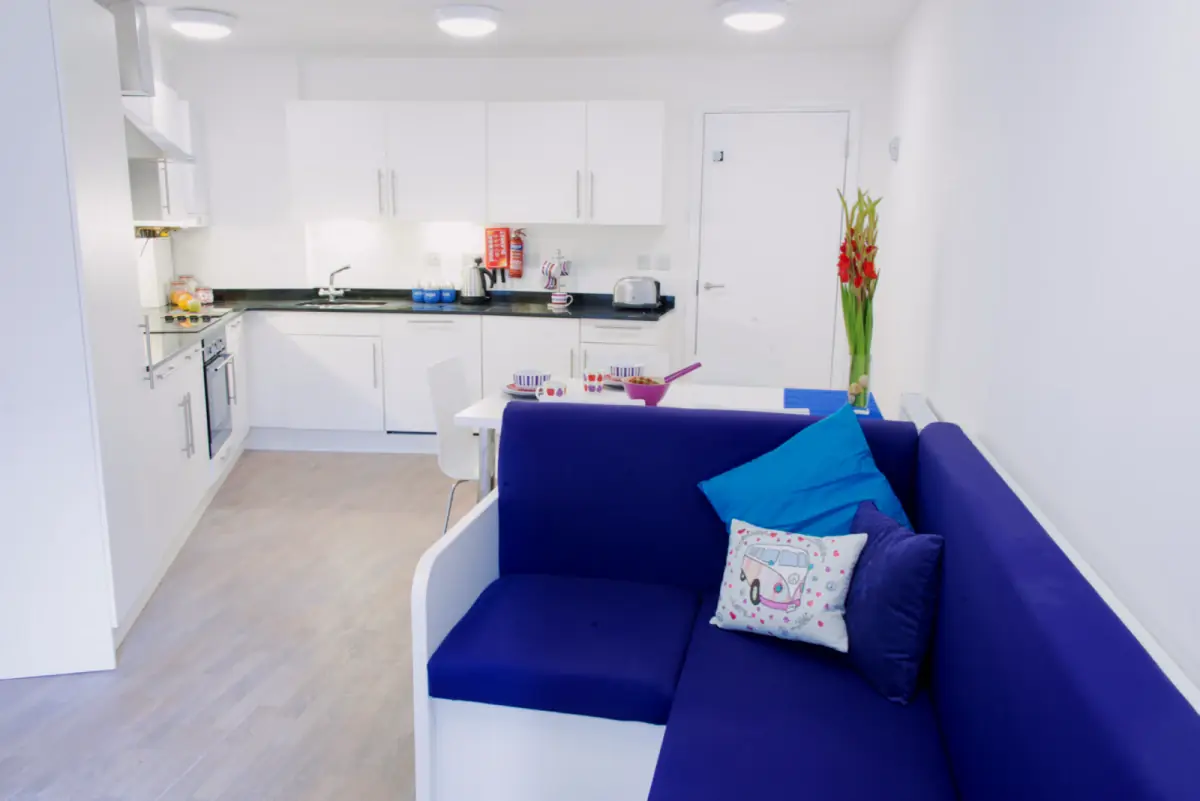
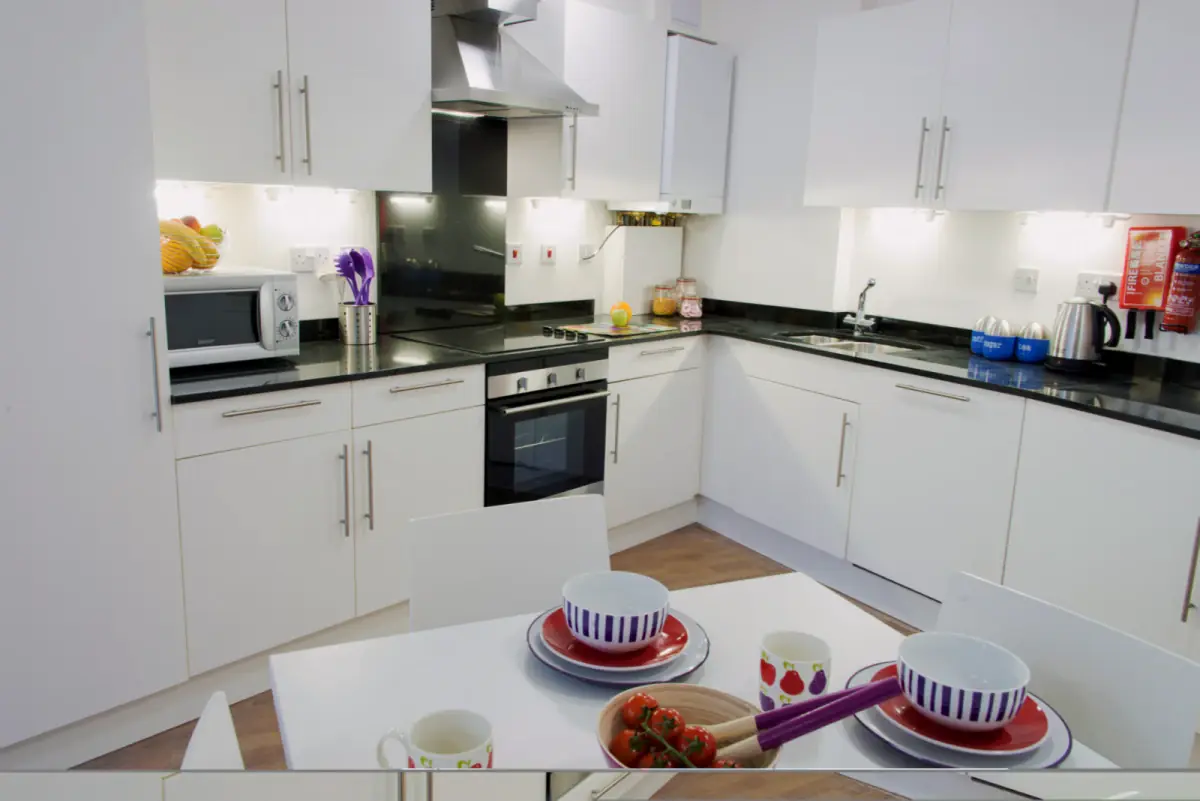
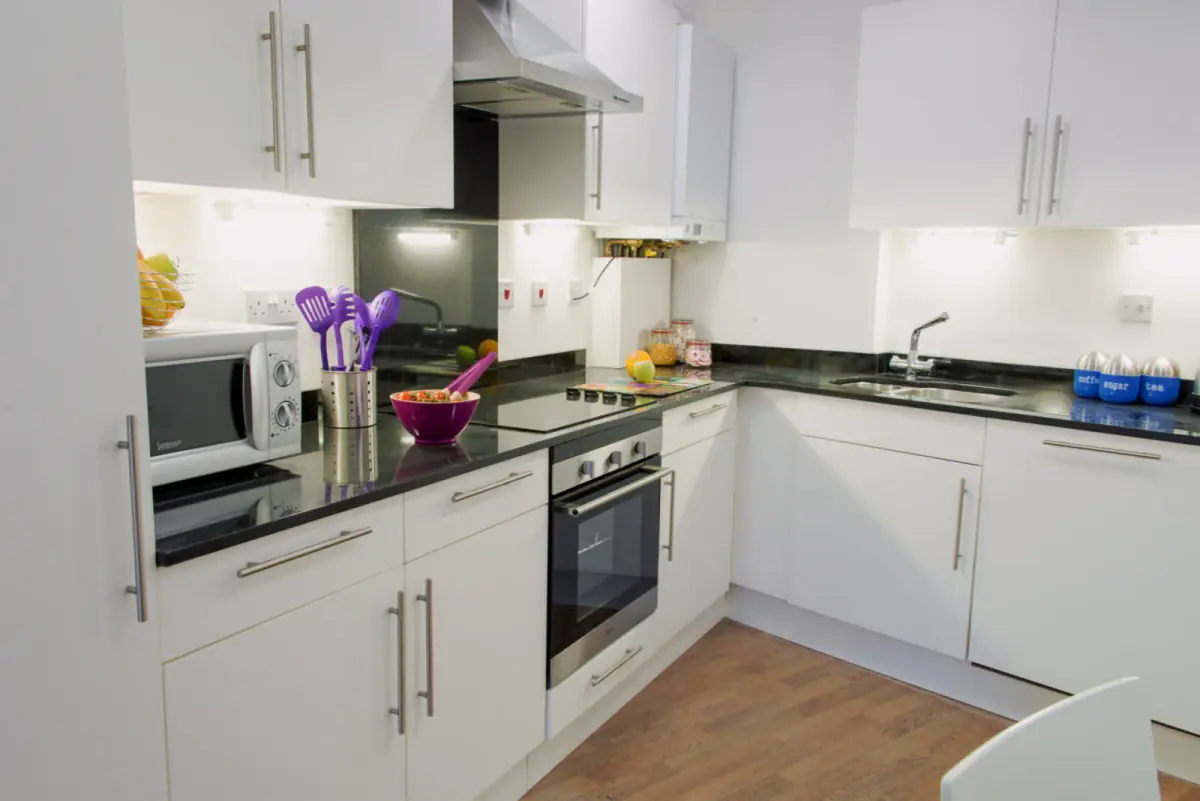
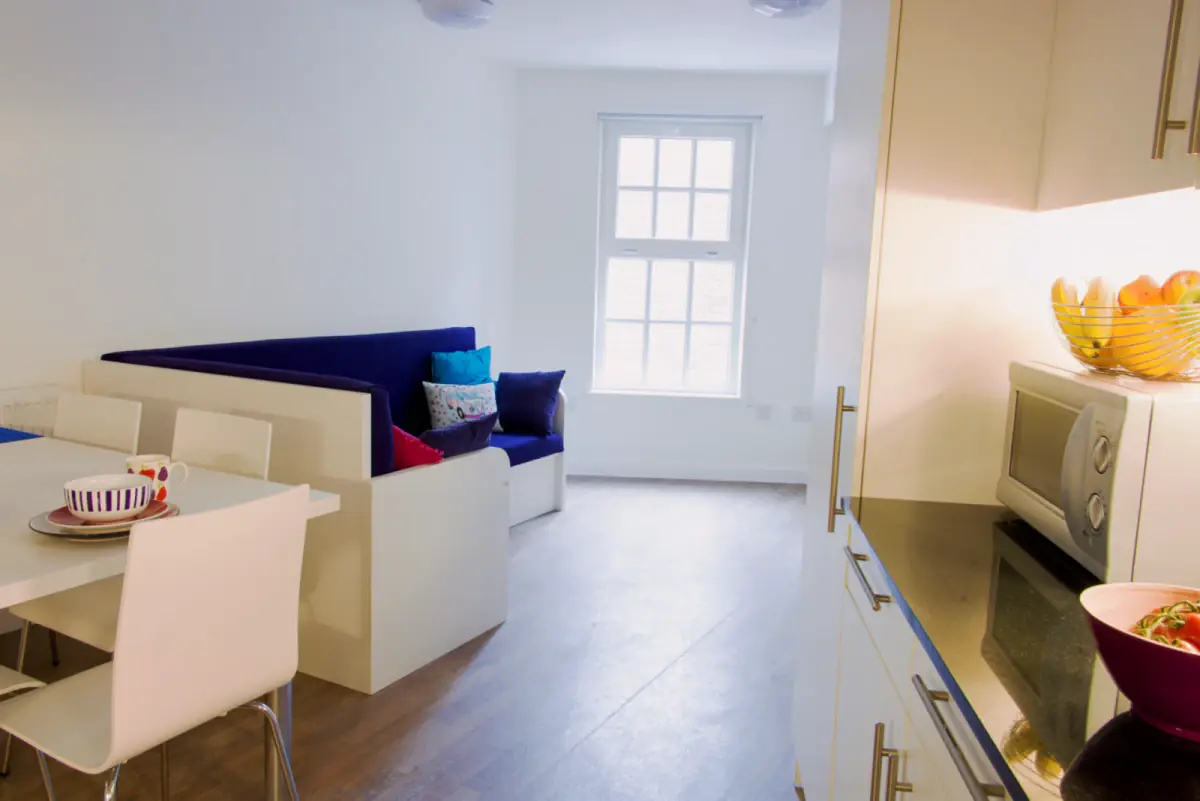
Pipe Lane, Bristol BS1 5AJ, United Kingdom