UNIVERSITY
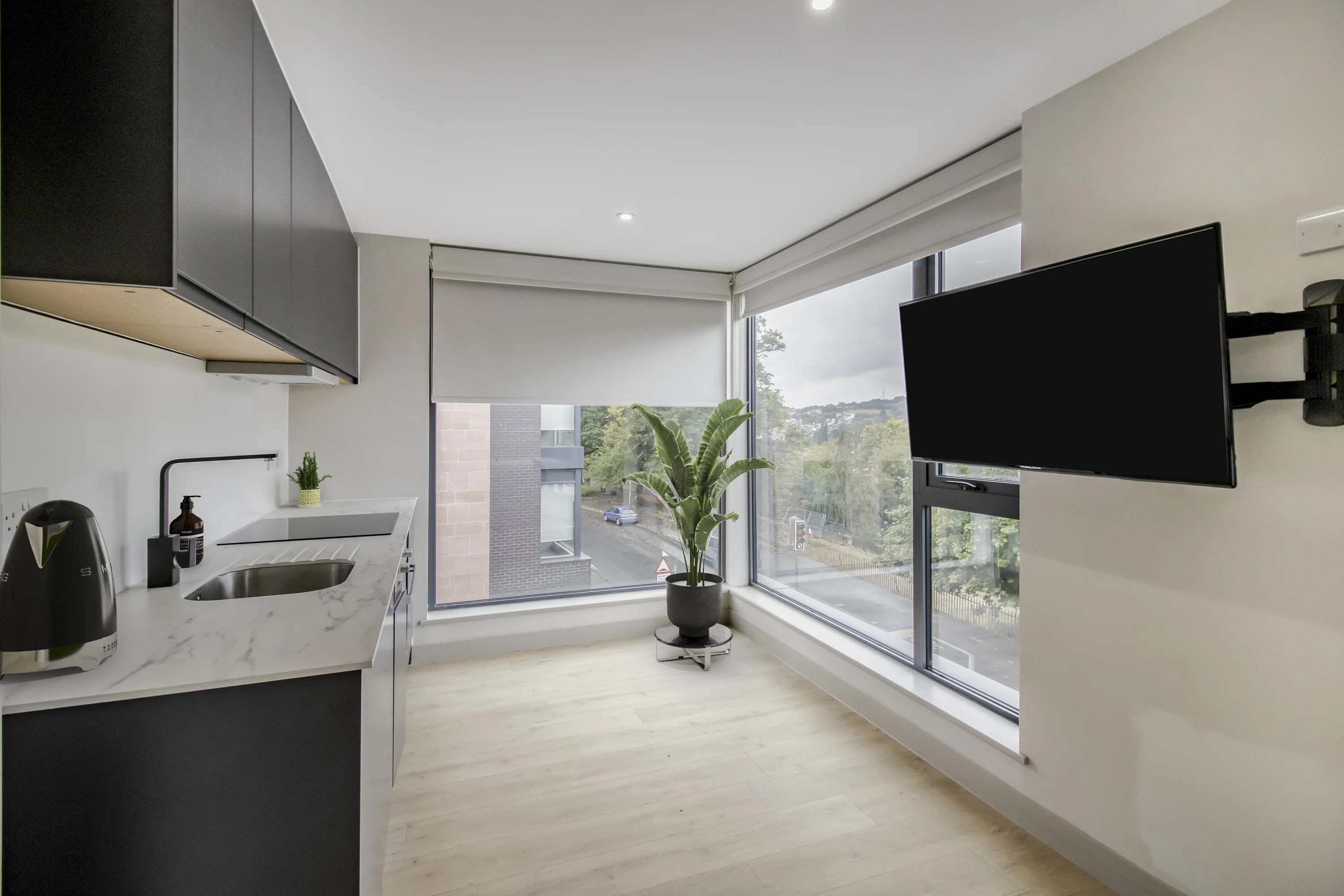
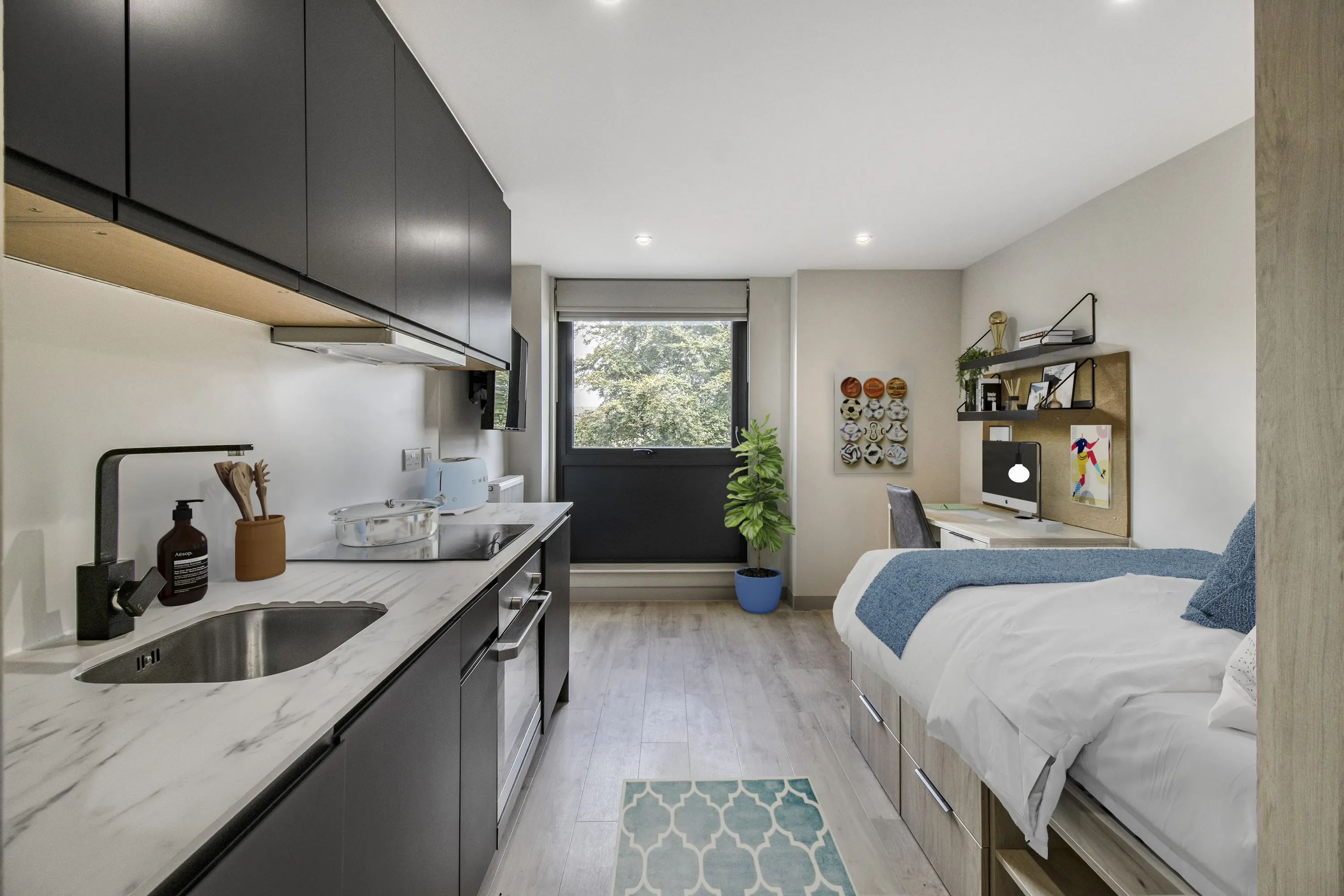
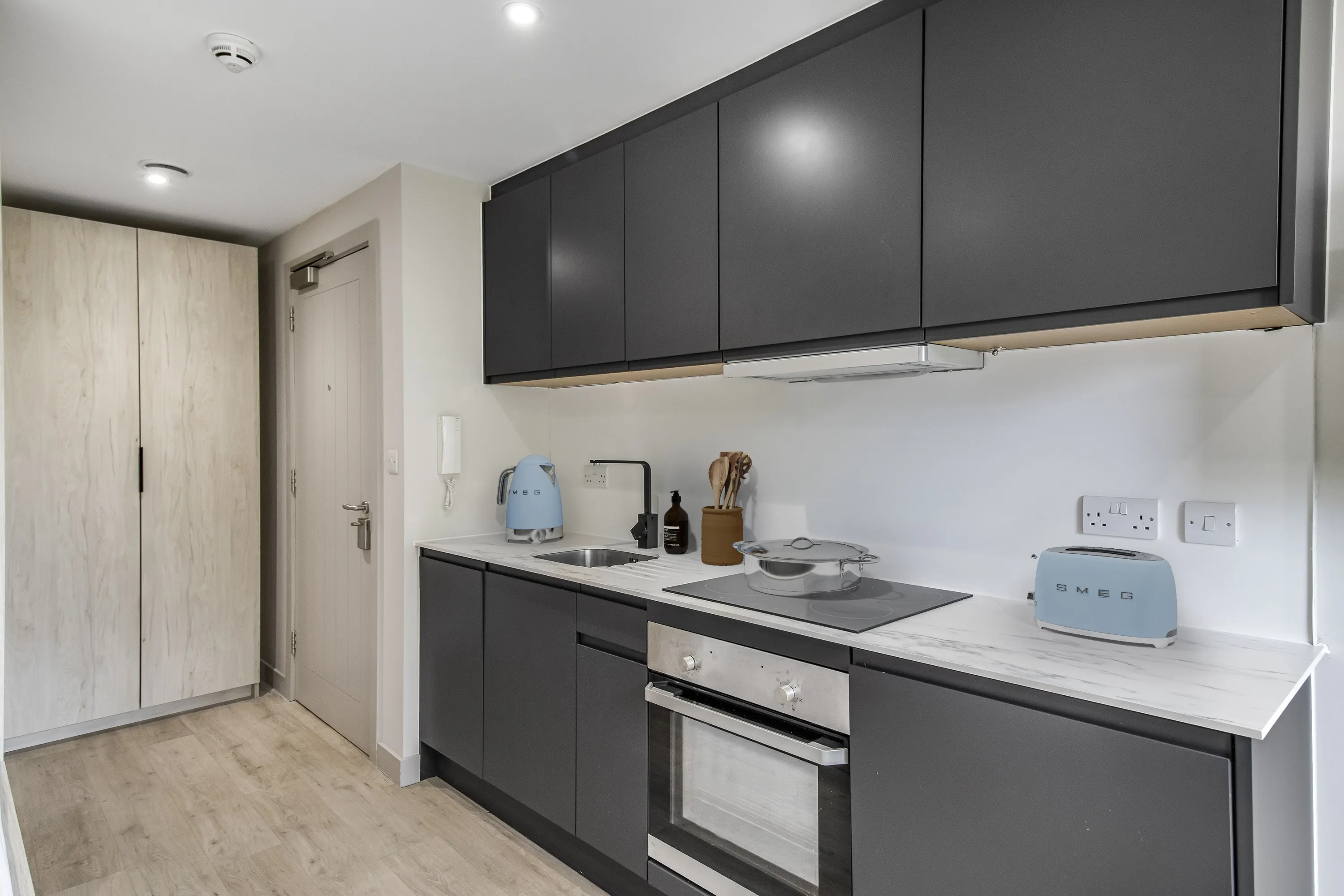
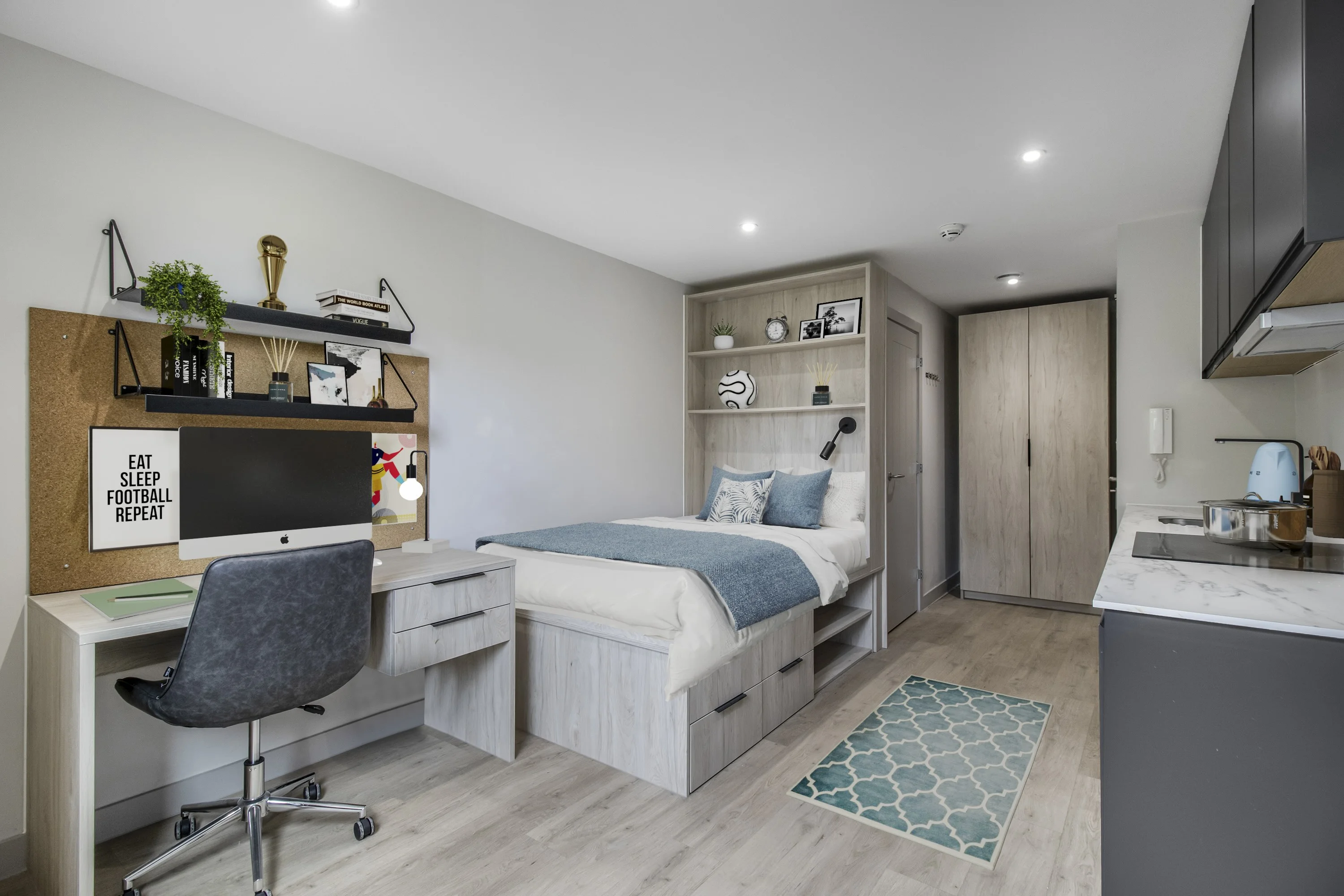
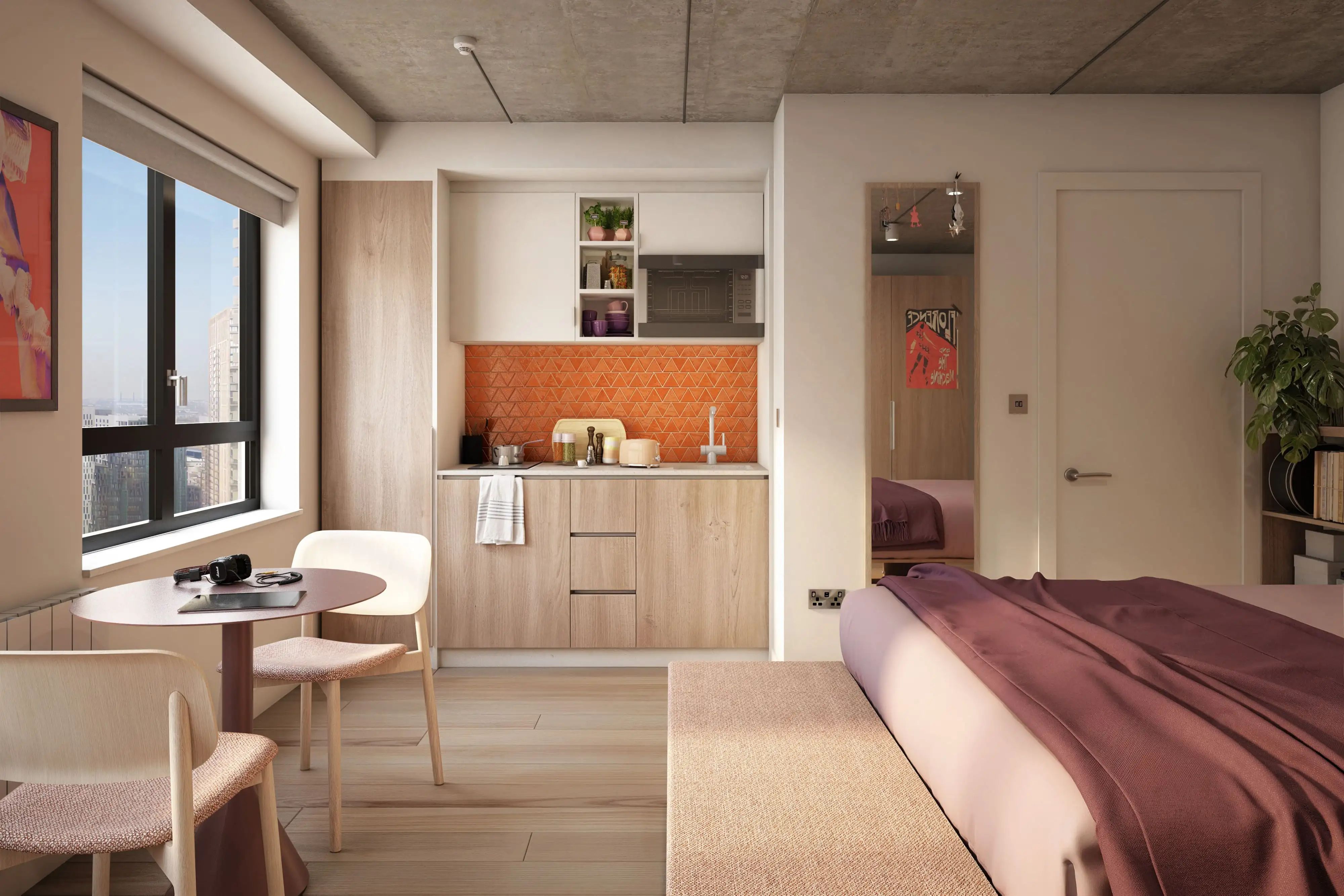
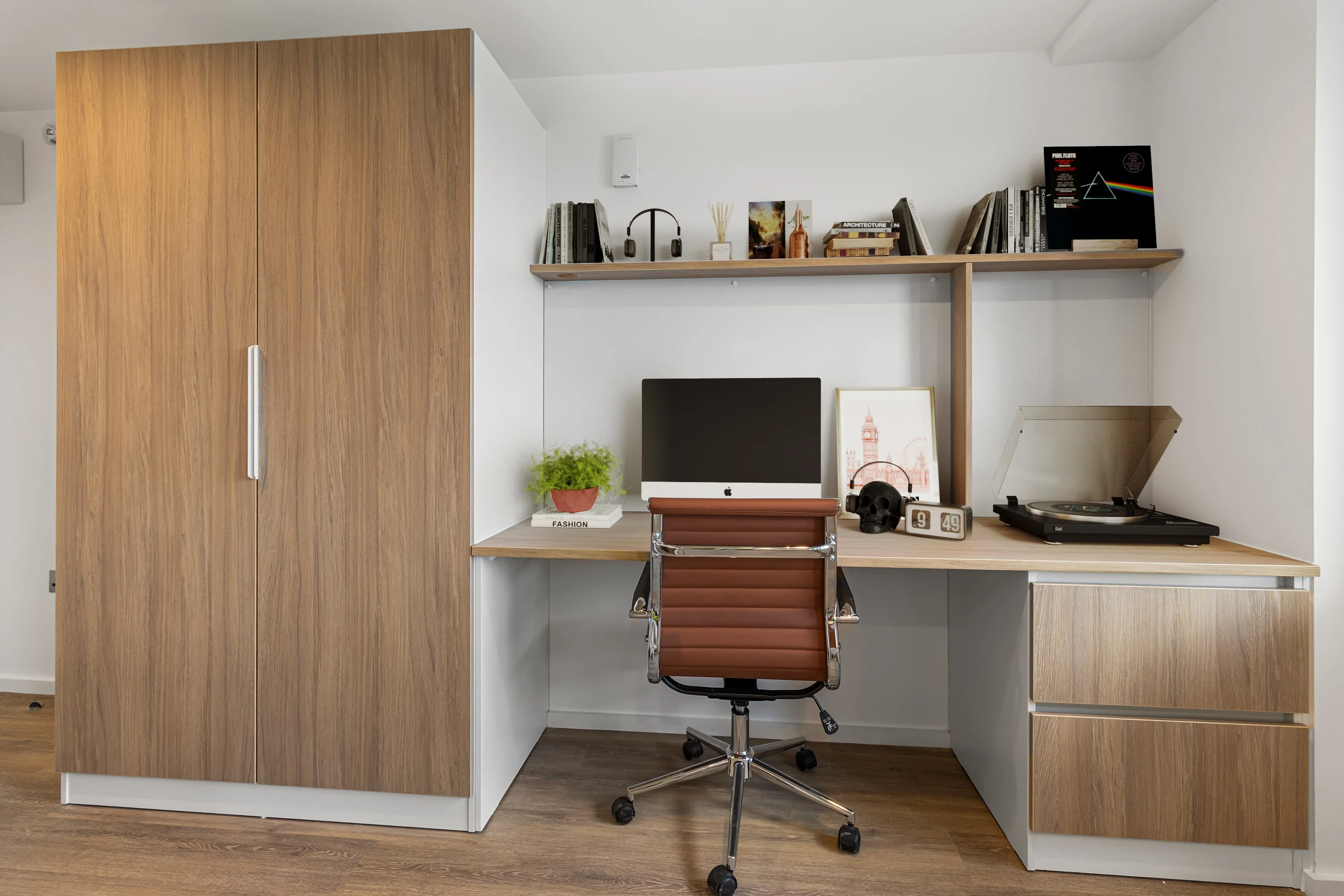
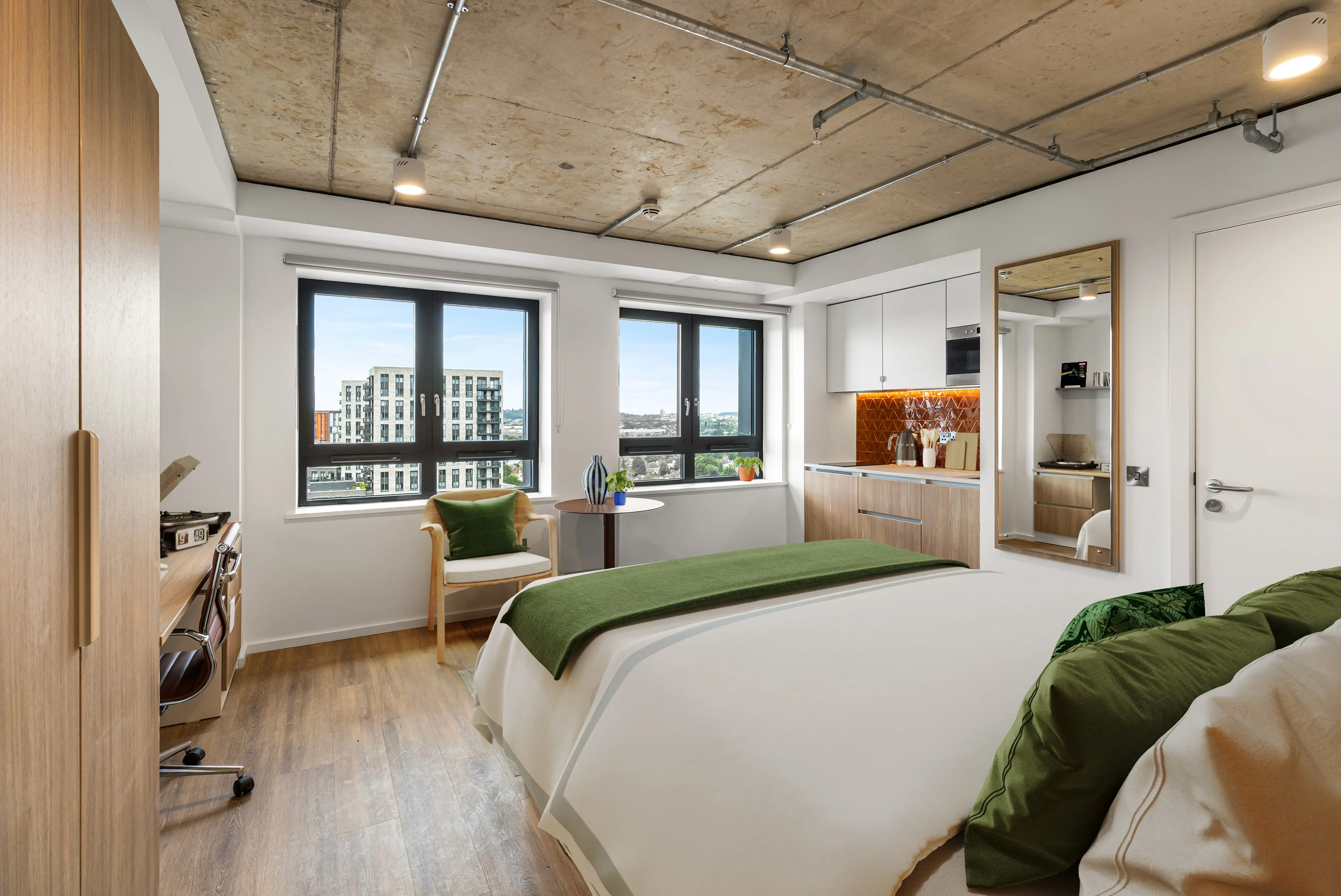
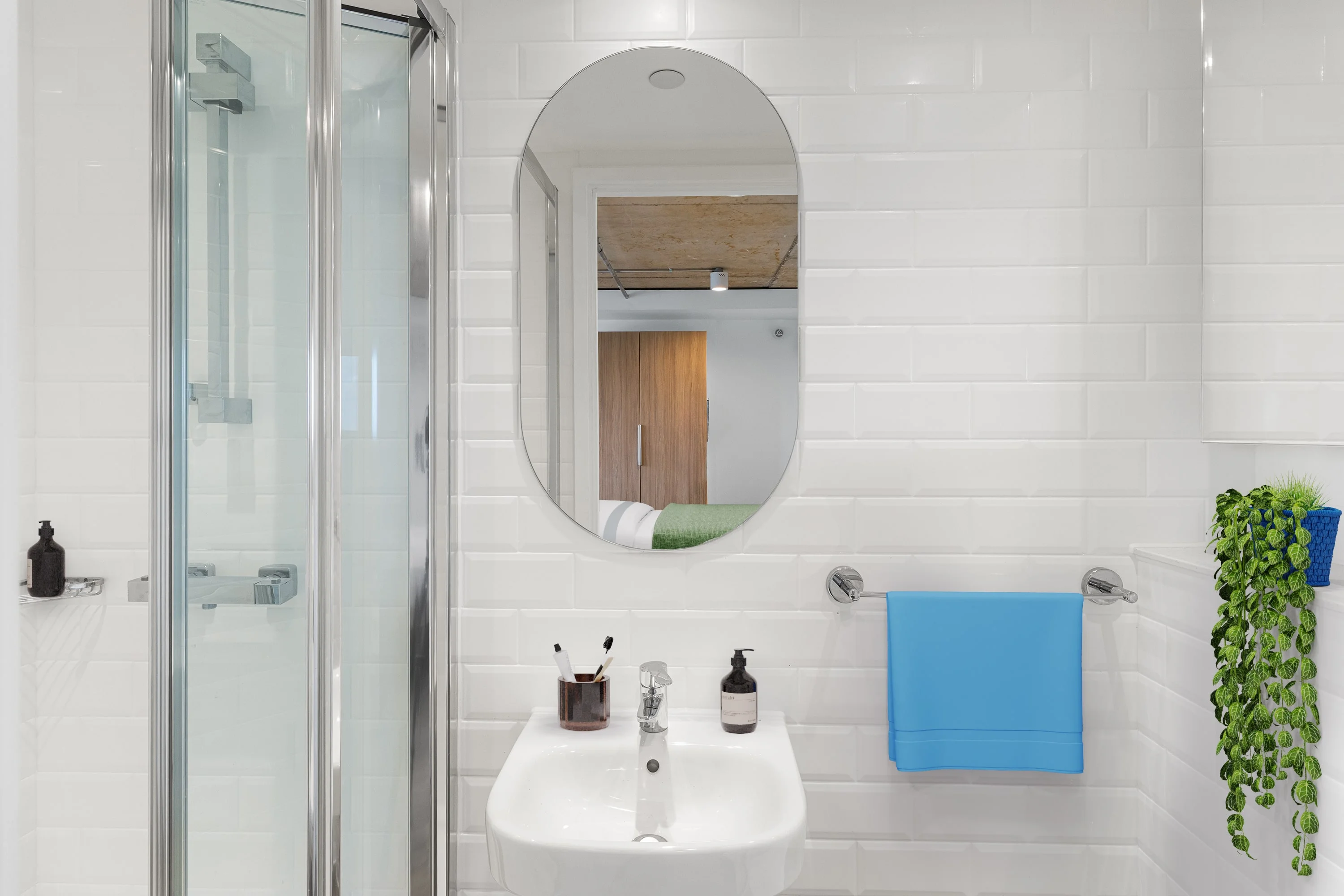
Verified student homes near New York University — affordable Greenwich Village and Manhattan living with easy access to one of the world's top research universities.

Campus
Campus
Campus
ACOLYTE COMMUNITY
Verified student homes near New York University.
Jackson Heights — South Asian Food Capital
20M Walk · 7 train to QueensQueens' Jackson Heights neighbourhood is widely considered North America's most celebrated South Asian food destination — Indian, Pakistani, Bangladeshi, and Nepali restaurants, sweet shops, and grocers on 74th Street.
East Village & St Marks Place
10M walk · East VillageThe most affordable and diverse eating strip adjacent to the NYU campus — Japanese izakayas, South Asian takeaways, vegan spots, and legendary NYC dollar pizza. St Marks Place and 2nd Avenue are the main student eating streets.
Bleecker Street & West Village Cafés
Walk · West VillageSome of NYC's finest independent coffee shops are within walking distance of Washington Square — Joe Coffee, Blue Bottle, and Stumptown are all in the neighbourhood.
EARN CASH FOR REFERRALS
Tell a friend — and earn real cash — paid straight to your bank
Refer Now →Student Ambassador / RA
New York University
Barista / Café Staff
Greenwich Village (CPT/OPT)
Library / Admin Assistant
Bobst Library — on campus
Internship (CPT)
Wall St / Silicon Alley / Media
We created the Acolyte Scholarship to give international students — including NYU students — a meaningful head start on the biggest financial challenge of studying abroad: the cost of housing.
Yes, by almost every measure. NYU consistently ranks among the top research universities in the United States and has world-class programs in law, business, arts, medicine, and the social sciences. Its location in New York City gives students unparalleled access to internship opportunities, industry connections, and cultural experiences that simply cannot be replicated in a more traditional campus setting. Among all new york colleges, NYU is widely regarded as one of the most prestigious and internationally recognised institutions.
No. Unlike many American universities, New York University does not require freshmen to live on campus. This gives students the freedom to arrange their own student accommodation from day one if they choose. That said, on-campus housing is available and many first-year students opt for it because it is convenient, community-oriented, and removes the stress of navigating the NYC rental market before you even arrive.
As early as possible. The NYC rental market moves extremely fast, and good student apartments near campus are snapped up quickly. Ideally, start researching your off campus housing options at least three to four months before your intended move-in date. If you are an international student, beginning your search six months out is even wiser.
Standard requirements typically include a valid passport or government ID, proof of enrollment at NYU, proof of financial stability or income, and often a US-based guarantor if you do not have a US income source. International students frequently use guarantor services as an alternative, and many landlords in student-heavy areas are familiar with this process. Having all documents prepared in advance makes the process significantly smoother.
New York City is one of the safest large cities in the United States, and the neighbourhoods immediately surrounding NYU are generally considered very safe by urban standards. NYU also runs a Safe Ride shuttle program for students traveling late at night, and the university has a dedicated campus safety team. As with any large city, being aware of your surroundings is sensible, but the overwhelming majority of NYU students navigate city life without incident.
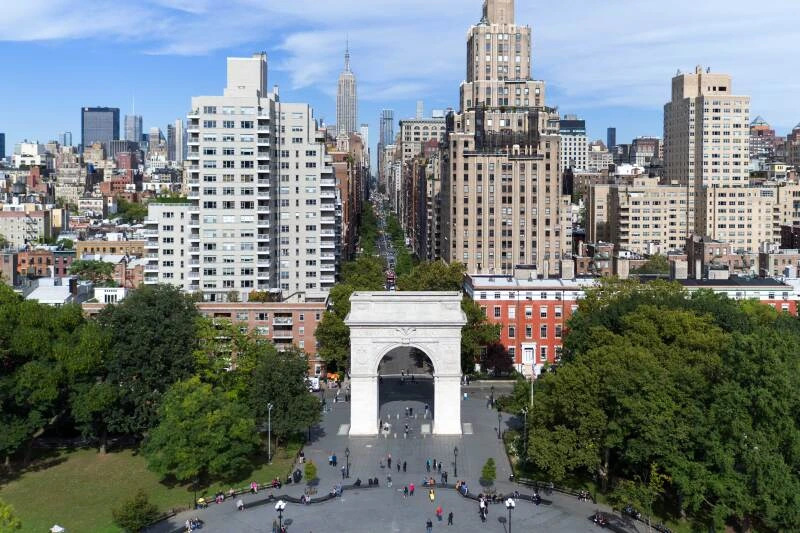
When people think of New York University, they often picture the iconic Washington Square Arch, students moving through Greenwich Village, and a campus that blends seamlessly into the energy of New York City. Founded in 1831, NYU is unlike traditional universities. Rather than being enclosed within a single campus, it is woven directly into the fabric of Manhattan, with additional campuses in Brooklyn and the Upper East Side, as well as global locations in Abu Dhabi and Shanghai.
Today, NYU is the largest private research university in the United States by enrollment, with around 58,000 students from more than 120 countries. It offers a vast range of academic opportunities through renowned schools such as the Tisch School of the Arts, Stern School of Business, School of Law, and College of Arts and Science.
What truly sets NYU apart is its connection to the city itself. Students do not simply study in New York — they learn through it. From internships and industry partnerships to classrooms that extend into the cultural and professional hubs of the city, New York becomes an integral part of the educational experience.
New York University is one of the most selective private research universities in the United States. The overall acceptance rate for the Class of 2029 was just 7.7%, a dramatic shift from above 30% just a decade ago, reflecting NYU's rising global reputation and record application volumes exceeding 120,000 applicants.
| Admission Metric | Details |
|---|---|
| Acceptance Rate (Class of 2029) | 7.7% |
| Total Applicants (Class of 2029) | Over 120,000 |
| Overall Acceptance Rate (2024–25) | Around 9.23% |
| Most Selective Schools | College of Arts & Science, Stern School of Business, Rory Meyers College of Nursing |
| Acceptance Rate for Selective Schools | Under 5% |
| Early Decision Applicants (Class of 2029) | Over 25,000 (10% increase from prior year) |
| Transfer Acceptance Rate (Fall 2024) | 22.09% |
| Median SAT Score | 1520 |
| Median ACT Score | 34 |
| Test Policy | Test-Optional |
| Pell Grant Recipients (Class of 2029) | Approximately 20% |
| First-Generation College Students | Approximately 20% |
Important application factors include essays, recommendations, academic performance, and demonstrated passion for the chosen field.
Finding accommodation is one of the biggest decisions for NYU students. Since NYU is spread across Manhattan and Brooklyn rather than centred on a traditional campus, the best neighbourhood depends on your classes, budget, and lifestyle. Popular student areas include Greenwich Village, East Village, Downtown Brooklyn, Long Island City, Astoria, and Jersey City.
Greenwich Village is the most convenient option for students attending classes around Washington Square Park, offering easy access to campus, cafés, restaurants, and bookstores, though rents are among the highest in the city.
East Village is a favourite among students thanks to its vibrant social scene, arts culture, and relatively more affordable housing compared to the Village proper.
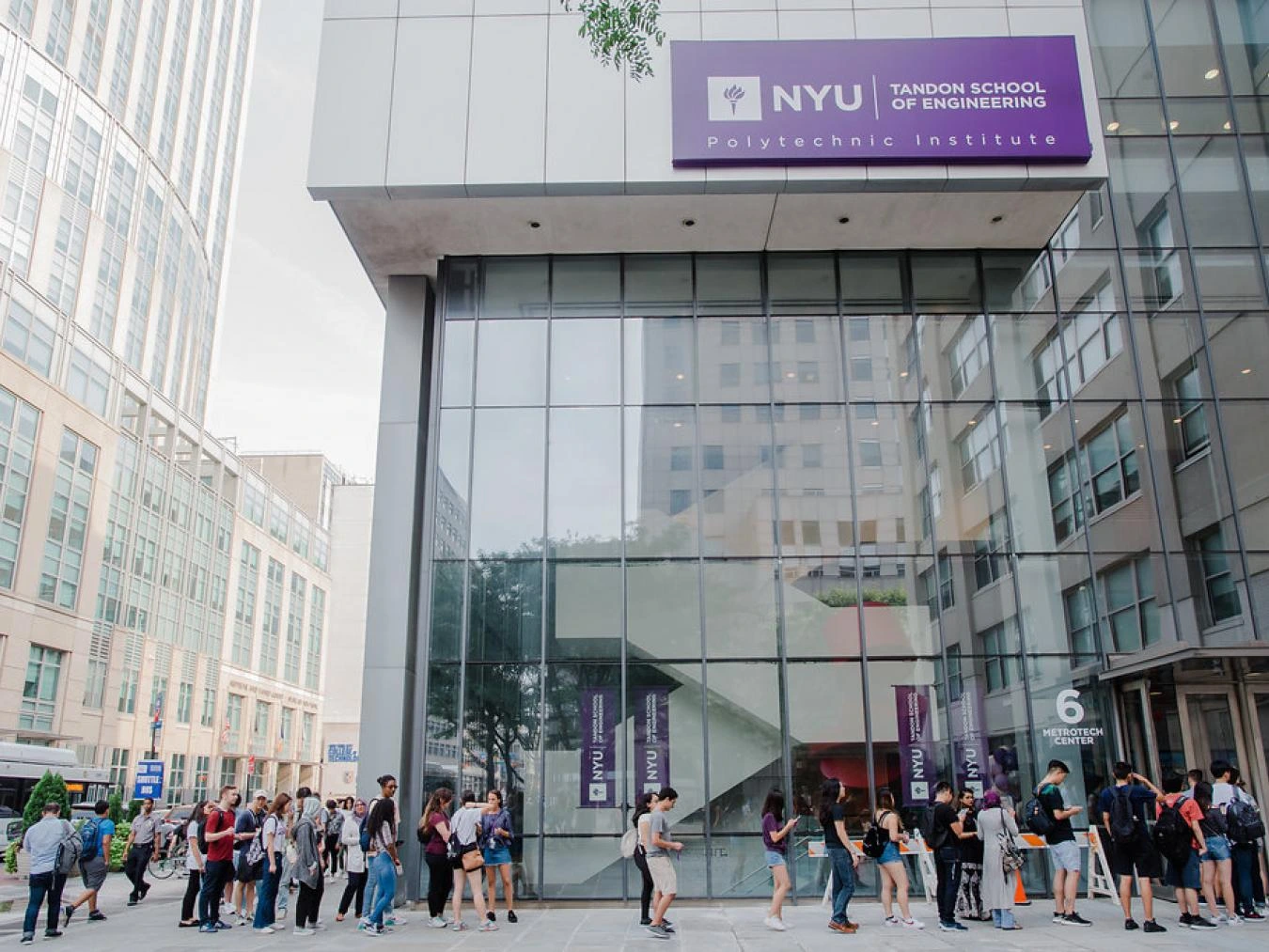
For students at the NYU Tandon School of Engineering, Downtown Brooklyn provides excellent transport connections, modern housing options, and generally better value than Manhattan.
Students looking to stretch their budget often choose Astoria, Long Island City, or Jersey City. Astoria offers larger living spaces, diverse dining options, and easy subway access. Long Island City has grown rapidly with modern apartment developments. Jersey City remains popular for its lower rents and quick PATH train access to downtown Manhattan.
Ultimately, students seeking a classic NYU experience tend to favour lower Manhattan, while those prioritising affordability often find better value in Queens, Brooklyn, or Jersey City.
New York City is one of the most expensive rental markets in the world. Here is a realistic breakdown of what students can expect to pay near NYU:
| Accommodation Type / Area | Estimated Cost | Notes |
|---|---|---|
| Off-Campus (Within 1 Mile of Washington Square) | ~$4,463/month | Average across all apartment types; above Manhattan's city-wide average. |
| Off-Campus (Within 2 Miles of Campus) | ~$4,090/month | Slightly lower average; popular for budget-conscious students. |
| Shared Apartments (East Village / Bushwick / Bed-Stuy) | $1,500–$3,100 pp/month | Based on sharing a 2-bedroom; costs vary by location. |
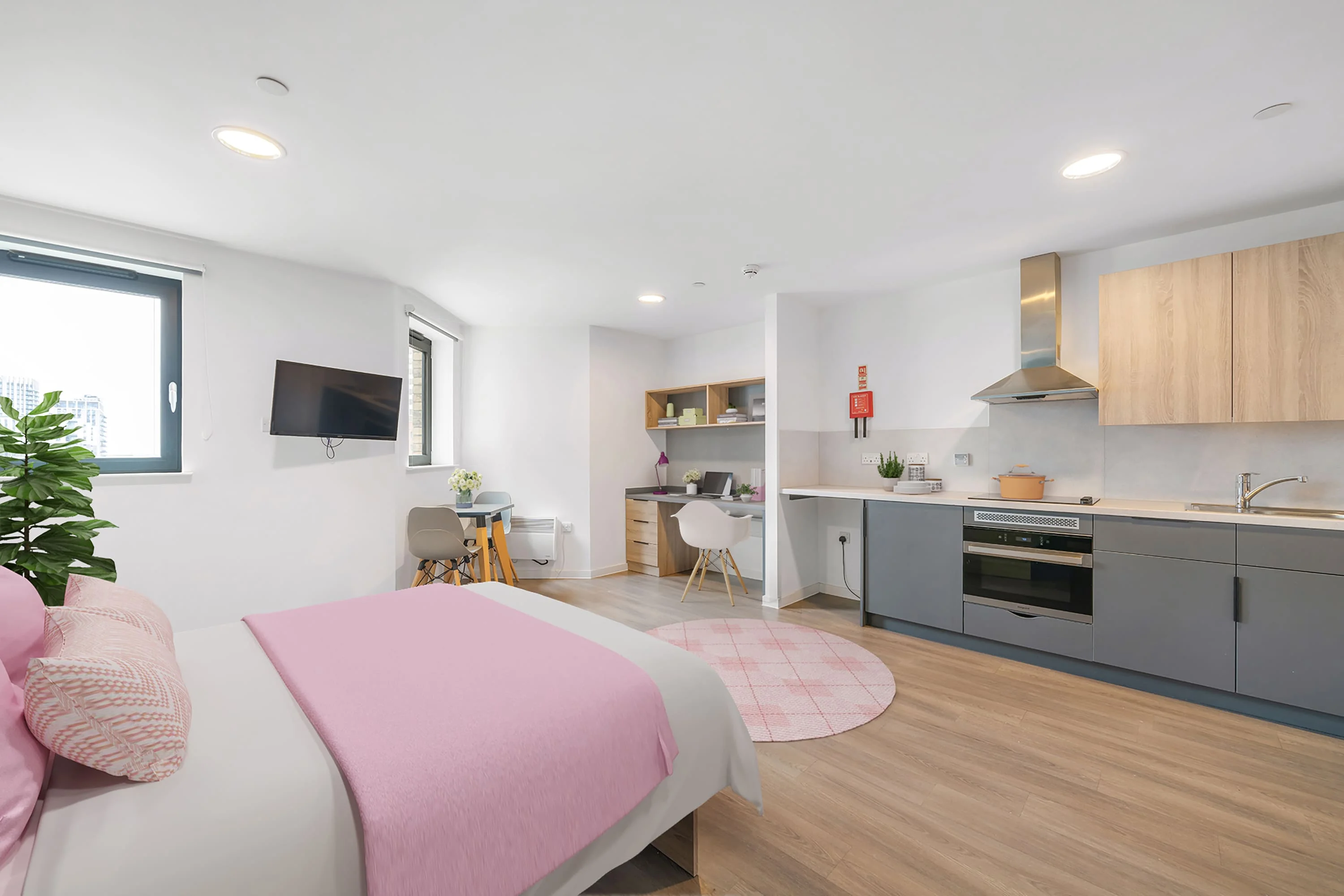
| Purpose-Built Student Accommodation (Basic Studio) | From ~$2,200/month | Student-focused facilities and services. |
| Purpose-Built Student Accommodation (Premium) | $3,500+/month | Gyms, rooftop spaces, housekeeping, and social areas. |
| Shared Housing (Bushwick / Ridgewood / Astoria) | $1,000–$1,400 pp/month | 3–4 bedroom sharing; most affordable option. |
| NYU On-Campus Housing (Single Room) | ~$2,200–$3,500/month | Utilities and Wi-Fi generally included. |
Key takeaway: The most expensive option is apartments closest to Washington Square Park. The best budget-friendly areas are Bushwick, Ridgewood, Astoria, and other outer-borough neighbourhoods. NYU dorms may be competitively priced when utilities and internet are factored into private rental costs.
Choosing between on-campus and off-campus housing at NYU is not as straightforward as it may seem. While off-campus housing can offer savings through shared living and lower-rent neighbourhoods, NYU residence halls provide predictable costs and unmatched convenience.
| Factor | On-Campus | Off-Campus |
|---|---|---|
| Monthly Cost | $2,200–$3,500 incl. utilities & Wi-Fi | $1,000–$4,500+ depending on location |
| Utilities & Internet | Included | Usually paid separately |
| Upfront Costs | Minimal | Deposit, broker fees, furnishing (2–3 months rent) |
| Convenience | Close to campus, no commute | Commute varies by neighbourhood |
| Community | Strong student community | More independent lifestyle |
| Freshman Requirement | Not required at NYU | Available from the first year if preferred |
| Best For | First-year, international students | Students prioritising affordability and flexibility |
Verdict: On-campus housing often offers better value for students living near Washington Square due to included utilities and predictable costs. Off-campus housing becomes more affordable when students share apartments, live farther from Manhattan, and are comfortable managing the responsibilities of renting in New York City.
One of the biggest advantages of studying at New York University is its access to New York City's extensive public transportation network. The Washington Square campus is served by numerous subway lines, including the N, Q, R, W, A, C, E, B, D, F, and M trains, with additional connections available at Astor Place. With more than a dozen subway lines nearby, students can reach almost any part of the city with ease, often requiring no more than a single transfer.
Buses also provide convenient travel across Manhattan, particularly for shorter east-west journeys. In addition, NYU offers free shuttle buses connecting the Washington Square Campus with the Brooklyn Campus, Medical Corridor, and selected residence halls. Students can access the university's Safe Ride service through the Safe NYU app.
Public transit has become even easier with OMNY, allowing riders to pay directly using contactless bank cards, Apple Pay, or Google Pay, while weekly fare caps provide the benefits of an unlimited pass after a set number of rides.
For students living in New Jersey, the PATH train offers a reliable 24-hour connection between Jersey City, Hoboken, and Manhattan. Citi Bike stations are spread throughout Greenwich Village and lower Manhattan. Whether you live in the Village, Brooklyn, Queens, or Jersey City, most student-friendly neighbourhoods are within 40 minutes of campus.
Living near NYU means living in one of the most culturally rich parts of New York City. Greenwich Village and the surrounding neighbourhoods have been at the centre of American art, music, literature, and counterculture for over a century.
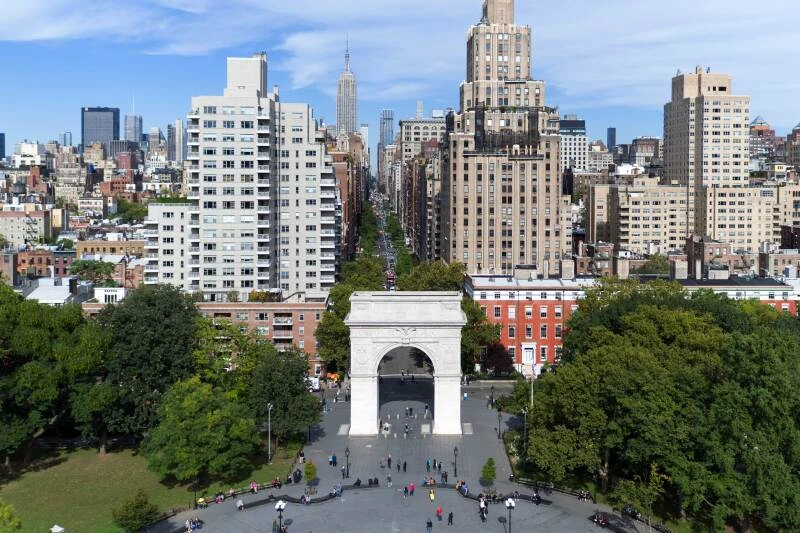
Washington Square Park is essentially NYU's front garden and one of the most beloved public spaces in New York City. The famous marble arch has become an iconic symbol that the university itself uses in its branding. It hosts the Washington Square Outdoor Art Exhibit each May and September, and the energy of the space shifts with every hour of the day.
Two world-famous venues that continue to host legendary performances in remarkably intimate settings. Greenwich Village is where modern jazz found its voice, and MacDougal Street and Bleecker Street are steeped in musical heritage. Cafe Wha?, just around the corner, is where Bob Dylan and Jimi Hendrix are said to have played in their early years.
On MacDougal Street, it has launched the careers of some of the most famous comedians in the world and remains a working club with nightly shows. One of the city's best value experiences for NYU students.
A short walk west from the NYU campus. Built on a former freight rail line, it is an elevated linear park — free to visit, beautifully maintained, and offering genuinely unexpected views of the Hudson River. Particularly beautiful at golden hour.
Accessible by ferry from the southern tip of Manhattan. For students arriving from outside the United States, Ellis Island in particular is a deeply moving experience that brings to life the immigrant history that built New York.
Just ten minutes walk from Washington Square, with over 18 miles of books across three floors. For students who need academic texts at reasonable prices, the Strand's used book sections are invaluable.
Directly south of Washington Square, famous for their cast-iron architecture, art galleries, boutique shops, and excellent restaurants. Particularly relevant for NYU students in the arts and design fields, with gallery openings and independent creative spaces around every corner.
Verified student homes near New York University.