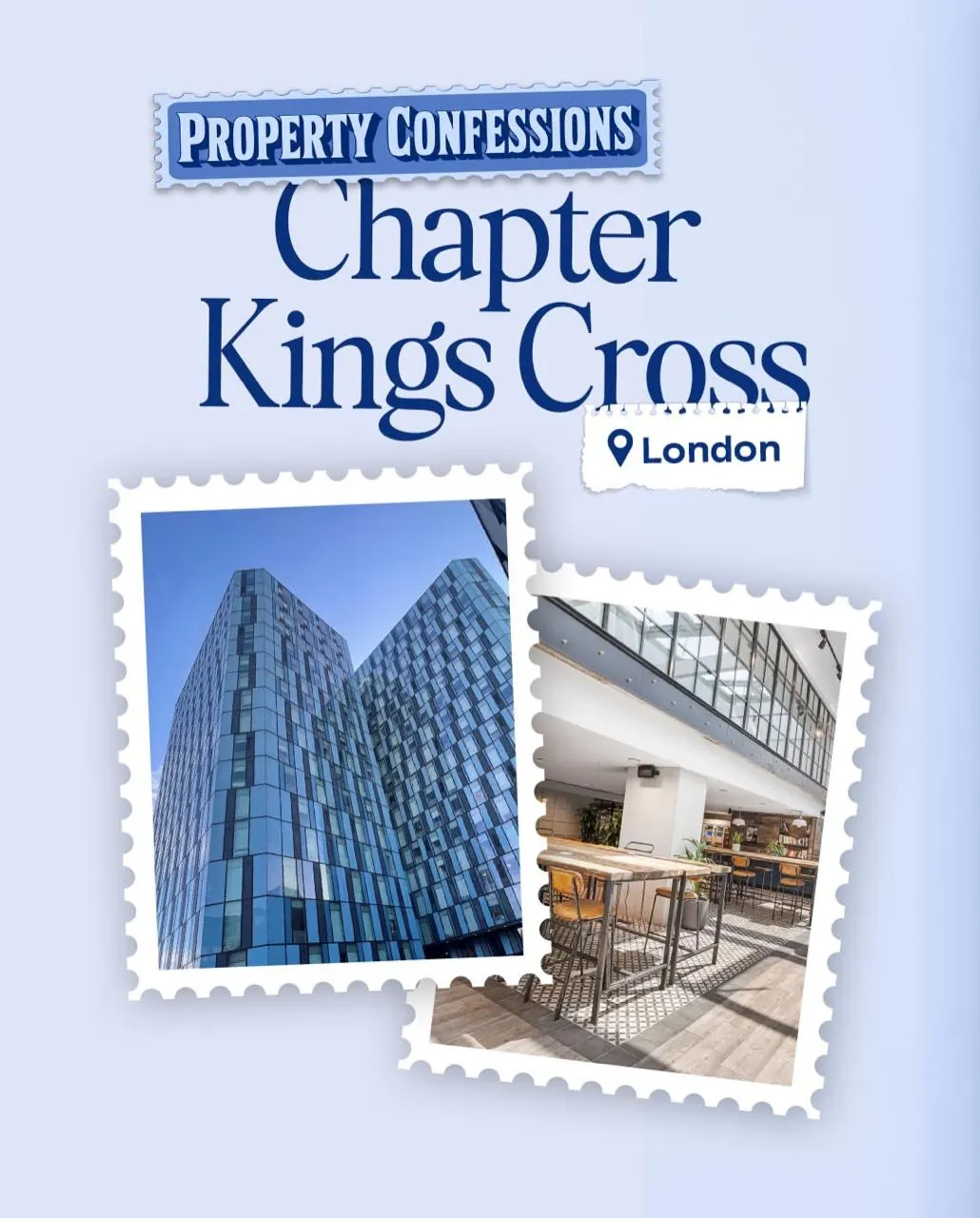
There's no shortage of housing options in London — but for international students, the choices can feel overwhelming. Do you go for Purpose-Built Student Accommodation (PBSA), a private rented flat, a shared house, or university-managed halls?
Each option has its strengths and real trade-offs. This guide compares them honestly, so you can choose based on your actual priorities — not just the headline price.
The Main Options for London Students
Before comparing directly, here's a quick summary of what each option actually involves:
PBSA — Purpose-built buildings designed specifically for students. Fully furnished, bills included, managed by a professional provider. Ranges from standard ensuite rooms to premium studio apartments.
University Halls — Accommodation owned and managed directly by your university. Often located on or near campus. Quality and price vary widely between institutions.
Private Rented Flat or House — Rented directly from a landlord or through an agency. You pay rent separately from bills, typically with a 12-month fixed-term tenancy.
Shared House (HMO) — A house shared with other students or young professionals. The most affordable headline option, but comes with the most responsibility.
PBSA vs University Halls
Price
University halls in London typically range from £180–£350 per week, broadly comparable to PBSA. Some universities subsidise accommodation for first-year students, which can make halls cheaper in the short term.
Quality and Facilities
PBSA generally offers higher-quality facilities — better gyms, study rooms, social spaces, and overall building standards — than most university-managed halls, which vary widely. Some university halls are ageing and receive minimal investment.
Availability
University halls in London are highly competitive. Most are offered to first-year undergraduates only, and places are limited. International postgraduates and returning students often find they need to look elsewhere — which is where PBSA fills the gap.
Verdict
For first-year undergraduates who secure a place, university halls can be excellent value. For everyone else — especially international postgraduates — PBSA is the more accessible and often better-quality option.
PBSA vs Private Renting
Cost: Closer Than It Looks
Private rented flats and shared houses often look cheaper at first glance. A room in a London shared house might advertise at £180–£250 per week — below many PBSA prices. But once you add:
- Monthly utility bills (electricity, gas, water): £60–£100/month
- Broadband: £25–£40/month
- Contents insurance: £10–£20/month
- Letting agency fees or referencing charges
…the gap narrows significantly, and sometimes reverses entirely.
Convenience
Private renting requires far more setup — arranging utility accounts, dealing with letting agencies, negotiating with landlords, and managing your own maintenance issues. PBSA removes all of this. One rent payment covers everything.
Safety
PBSA buildings have CCTV, electronic entry, on-site staff, and professional fire safety systems. Private rentals vary enormously — from well-maintained properties to those with inadequate security or outdated fire safety measures.
Flexibility
Private tenancies in London typically run for 12 months, which can be problematic for students on shorter courses. PBSA offers more contract flexibility, including semester and short-stay options.
Guarantor Requirements
Most London landlords require a UK-based guarantor — a significant barrier for international students. PBSA is far more accommodating in this respect.
PBSA vs Shared Houses (HMOs)
Shared houses are the most budget-focused option, but they come with genuine risks for international students unfamiliar with UK rental conventions:
- Disputes over bills and shared costs are common
- Landlord responsiveness for maintenance can be poor
- No on-site security or staff support
- Social environment is less structured — you share with whoever else is in the house
For students arriving in London for the first time, the predictability and security of PBSA typically outweighs the cost saving of a shared house.
Side-by-Side Comparison
| Factor | PBSA | University Halls | Private Flat | Shared House |
| Bills included | Yes | Usually | Not | Not |
| Fully furnished | Yes | Yes | Sometimes | Sometimes |
| 24/7 security | Yes | Varies | Not | Not |
| UK guarantor needed | Rarely | No | Usually | Usually |
| Flexible contracts | Yes | Limited | Not | Limited |
| On-site amenities | Yes | Varies | Not | Not |
| Weekly price (London) | £210–£450 | £180–£350 | £200–£400+ | £160–£280 |
So Which Is Right for You?
Choose PBSA if you're an international student who wants convenience, security, and a ready-made community — without the admin of managing bills, agencies, and maintenance yourself.
Choose university halls if you're a first-year undergraduate and your institution offers a subsidised place — take it.
Consider private renting if you're returning for a second or third year, have a reliable network of friends to house-share with, and are confident managing a UK tenancy.
For a full overview of the London PBSA landscape — room types, prices, locations, and booking — our London PBSA student accommodation guide is the best starting point. And for context on the wider UK market, the PBSA in the UK guide covers it all.
Find the Right Accommodation With Acolyte Living
If you're still weighing up your options, Acolyte Living can help you compare PBSA buildings, locations, and prices — and make sure you're not missing something better suited to your budget or university. The service is free for all students.
Enquire today or explore London student properties to compare your options in one place.
FAQs
Q1: Is PBSA cheaper than private renting in London?
Not always on paper — but when you factor in the cost of bills, broadband, insurance, and agency fees, the real difference between PBSA and private renting is often much smaller than the advertised rent suggests. PBSA also avoids the upfront costs and admin burden of private tenancies.
Q2: Is London PBSA better than university halls?
For most international students, PBSA offers more consistent quality, broader availability, and better facilities than university halls. University halls can be excellent value if your institution offers a subsidised first-year place, but availability is limited and quality varies significantly between universities.
Q3: Do I need a UK guarantor for London PBSA?
Most PBSA providers do not require a UK guarantor, making them significantly more accessible for international students than private rentals. Acolyte Living helps students find buildings with no guarantor requirements.
Q4: Can international students rent privately in London?
Yes, but it can be challenging. Most private landlords in London require a UK-based guarantor and proof of income. International students without a guarantor often find PBSA far easier to access, with fewer barriers and more straightforward contracts.
Q5: What are the biggest advantages of PBSA for international students?
The key advantages are: bills included in one payment, no UK guarantor typically required, 24/7 security and on-site staff, fully furnished rooms, flexible contract lengths, and a built-in student community. These factors combine to make PBSA significantly less stressful than private renting for students arriving from abroad.