


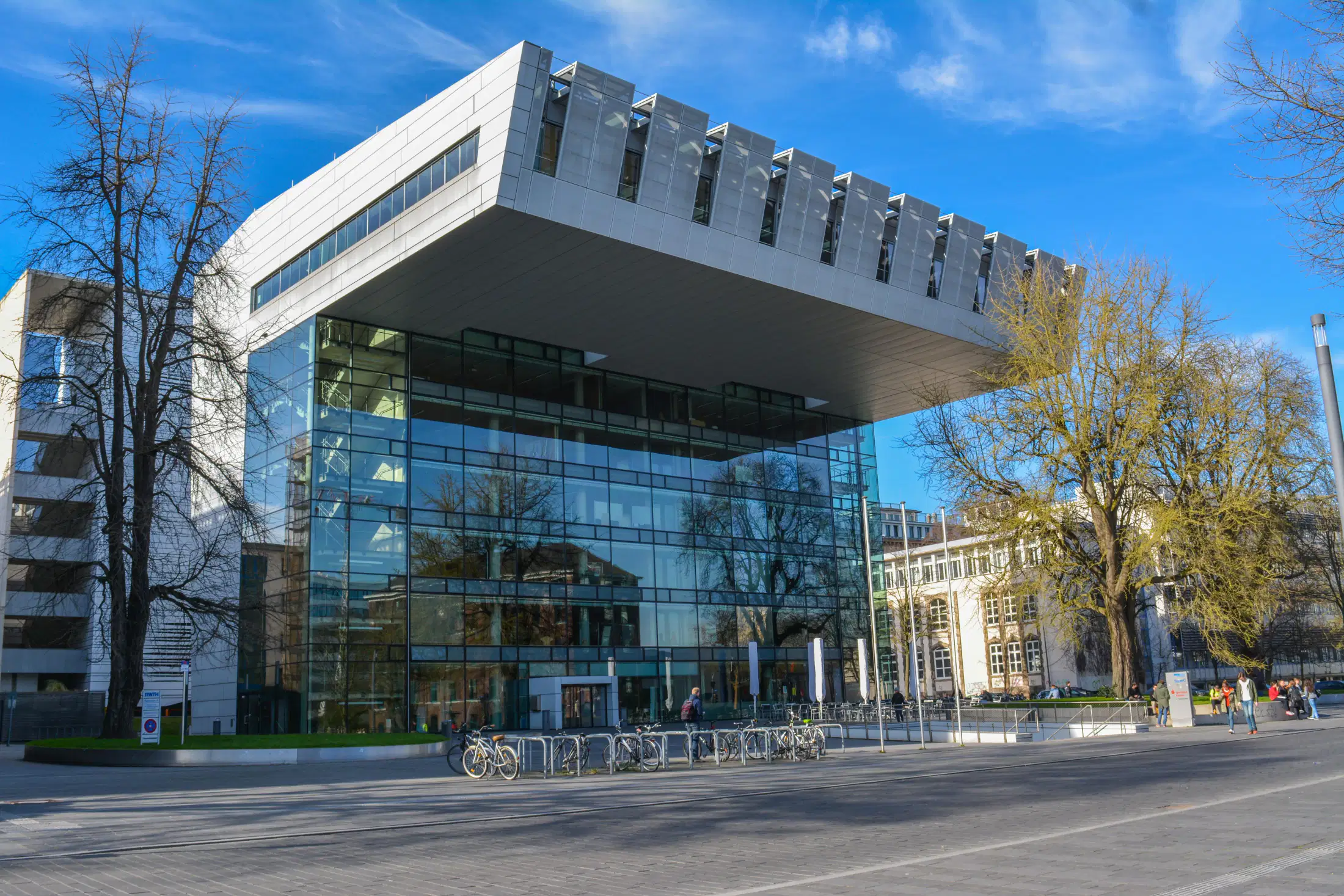
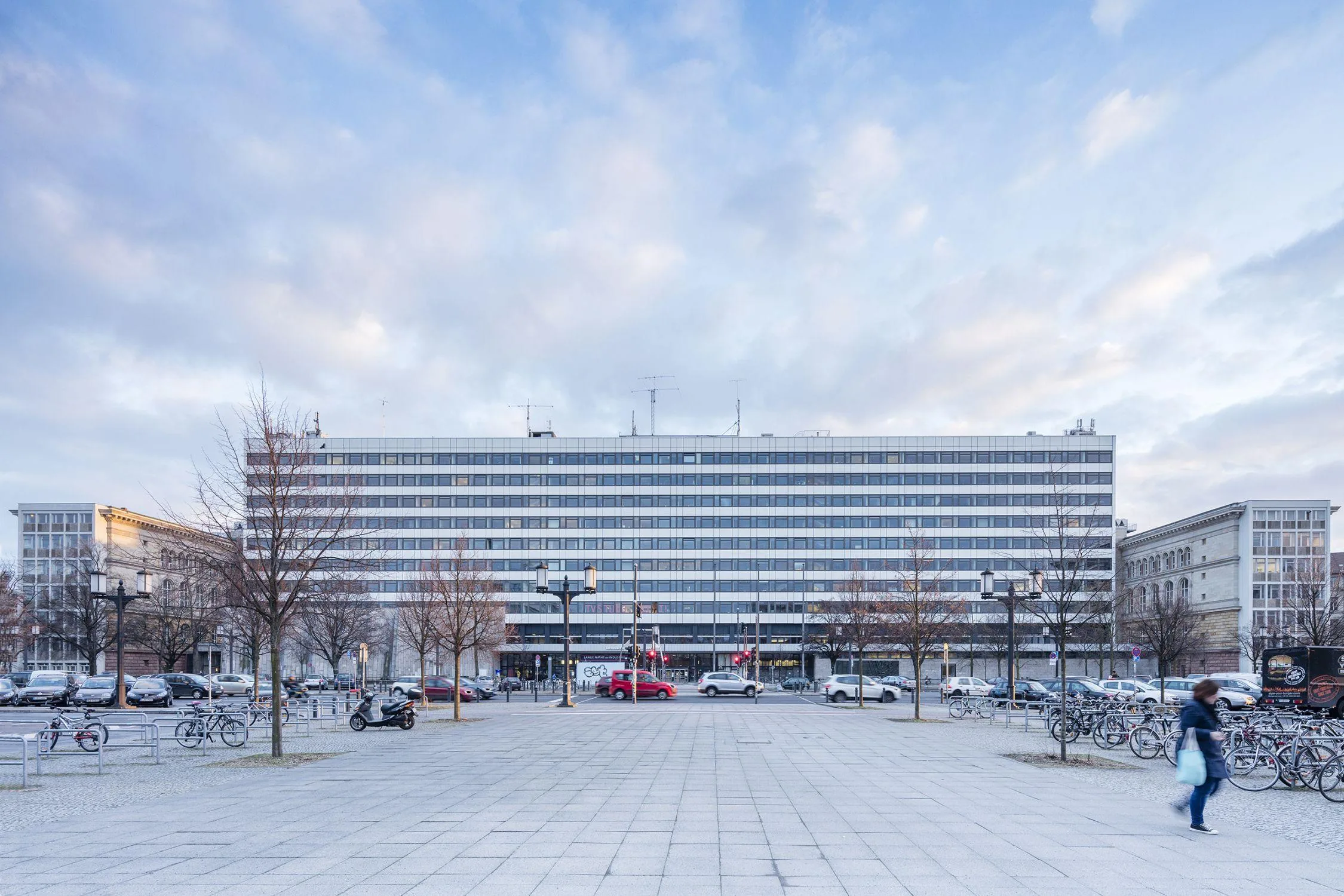



Germany skyline

Student Accommodation in Germany

Your complete blueprint to studying in Germany.

From blocked account to move-in day — your complete guide to studying in Germany. Visa calculator, city explorer, cost breakdown, and verified homes.

Visa CalculatorContact us

Most Popular Homes for Students

Discover the best student housing near top German cities and universities

TU MunichHeidelberg UniversityFU BerlinGoethe University Frankfurt

Why Germany

What no one tells you before
you go but should.

Straight from students who've made the move. The real reasons to go, and the real things to prepare for.

World-class education, often tuition-free.

Most public universities in Germany charge no tuition fees — even for international students. You pay a semester contribution of €150–€350 that often includes a public transport pass. For a world-class engineering, science, or business education, the value is unmatched anywhere.

18-month job-seeker visa after graduation.

Germany offers an 18-month job-seeker visa after you graduate. Once you land a job, you can transition to a skilled worker visa and eventually permanent residency. The EU Blue Card makes Germany one of the most accessible routes to long-term European residency.

20 hours per week work rights during studies.

Student visa holders can work up to 20 hours per week during semester and full-time during official semester breaks. German minimum wage is €12.41/hour. Many students cover a significant portion of living costs through student jobs (Werkstudent positions).

Central European location. Real career advantage.

Germany is the economic heart of Europe — the fourth largest economy in the world. A degree from a German university places you inside the EU job market, connects you to German Mittelstand companies, and opens the door to careers across Europe.

The honest bit: the bureaucracy is real.

Germany has some of the most demanding admin processes for international students in the world. The blocked account (Sperrkonto), visa timeline, Anmeldung (registration), and health insurance requirements all need to be sorted in sequence — mistakes cascade. The cities are affordable, but the admin overhead before you arrive is significant. Start 6 months before your semester. Do not leave it to the last minute.

Visa Readiness Engine

What are your visa chances?
Find out in 60 seconds.

Answer 7 questions. Get a personalised visa likelihood score and specific tips to improve it.

Your profile

All fields affect your score. Be accurate.

Your nationality

Degree level

University tier

German language level

Prior German/Schengen visa refusals

Gap years since last qualification

Blocked account (Sperrkonto) status

Your visa readiness score

Based on German Embassy data and community-reported outcomes

85%
Strong chances

Strong chances → Your profile is solid. Make sure your blocked account is fully funded, your admission letter is unconditional, and your health insurance proof is in order. German embassies are document-driven — completeness matters more than interview performance.

This is an indicative tool based on published German Embassy data and community-reported outcomes. It is not legal advice. For a complex case, consult a DAAD-registered adviser or immigration lawyer.

Pre-arrival roadmap

The journey from offer letter to
front door.

Six steps. Know what happens at each, how long it takes, and what trips people up.

  1. Offer Letter

    Immediately

    Official letter of admission.
  2. Blocked Account

    2–4 weeks

    €11,208/year required.
  3. Book Accommodation

    As early as possible

    Wohnheim fills fast.
  4. Student Visa

    6–12 weeks

    Apply at German Embassy.
  5. Pre-departure

    1–2 months before

    Health insurance first.
  6. Arrival & Anmeldung

    Within 14 days

    Register address first.
  1. Offer Letter

    Immediately
    Official letter of admission.
  2. Blocked Account

    2–4 weeks
    €11,208/year required.
  3. Book Accommodation

    As early as possible
    Wohnheim fills fast.
  4. Student Visa

    6–12 weeks
    Apply at German Embassy.
  5. Pre-departure

    1–2 months before
    Health insurance first.
  6. Arrival & Anmeldung

    Within 14 days
    Register address first.
Cost of living

What your money
actually buys in Germany.

Monthly estimates for 2025/26. Shared accommodation, including rent, food, and transport.

Budget — cooking at home, deals
Moderate — eating out 1-2x/week
Comfortable — regular outings

Munich

Rent (shared): €800–€1,200

Budget / mo
€1,400
Moderate / mo
€1,900
Comfortable / mo
€2,600

Berlin

Rent (shared): €600–€1,000

Budget / mo
€1,200
Moderate / mo
€1,600
Comfortable / mo
€2,200

Hamburg

Rent (shared): €650–€1,000

Budget / mo
€1,250
Moderate / mo
€1,650
Comfortable / mo
€2,200

Frankfurt

Rent (shared): €700–€1,100

Budget / mo
€1,300
Moderate / mo
€1,750
Comfortable / mo
€2,400

Heidelberg

Rent (shared): €450–€750

Budget / mo
€950
Moderate / mo
€1,250
Comfortable / mo
€1,700
CityRent (shared)Budget / moModerate / moComfortable / mo
Munich€800–€1,200€1,400€1,900€2,600
Berlin€600–€1,000€1,200€1,600€2,200
Hamburg€650–€1,000€1,250€1,650€2,200
Frankfurt€700–€1,100€1,300€1,750€2,400
Heidelberg€450–€750€950€1,250€1,700
City Explorer

Find your city.
Then find your home.

Every city Acolyte covers in Germany — with verified properties ready to browse.

Berlin

30+ Universities

€600–€1,000

Germany's capital and cultural hub. Strong arts, tech, and startup scene. FU Berlin and HU Berlin are world-class.

Munich

10+ Universities

€800–€1,200

Most expensive but home to TU Munich — Germany's top technical university. Strong engineering and business networks.

Hamburg

15+ Universities

€650–€1,000

Germany's second largest city. Strong for business, maritime, and media. Vibrant international student community.

Frankfurt

8+ Universities

€700–€1,100

Europe's financial capital. Strong for finance, economics, and law. Gateway to the EU job market.

Heidelberg

5+ Universities

€450–€750

Beautiful university town. Heidelberg University is Germany's oldest. Affordable and excellent quality of life.

Cologne

10+ Universities

€550–€900

Major media and business hub. University of Cologne is large and well-regarded. Vibrant city life.

Stuttgart

6+ Universities

€500–€850

Heart of German engineering. Home to Mercedes-Benz and Porsche HQs. Strong industry placements.

Düsseldorf

5+ Universities

€550–€900

Fashion and business capital of North Rhine-Westphalia. International atmosphere and strong corporate connections.

First week essentials

Banking & SIM, sorted in 24 hours.

Do these two things before anything else. They unlock rent payments, phone plans, and discounts.

N26

Best for arrival

Open online with just your passport — no German address required initially. Free account, English app, instant IBAN. Used by tens of thousands of international students in Germany. Set this up before you fly.

This should be your first account.

Deutsche Bank

Required for some landlords

Some landlords and employers require a German bank account from a traditional bank. Deutsche Bank has an international student account with no monthly fees. Worth opening once you have your Anmeldung.

Recommended SIMs

Aldi Talk

€8.99/mo

10GB data on Telekom network (best coverage in Germany). Available at every Aldi supermarket. Easiest to grab on arrival day — no contract.

Congstar

€10/mo

15GB data on Telekom network. Good app and prepaid option. Popular with students for the value-to-coverage ratio.

Work rights

What you can do, and when.

The actual rules — no hedging. If your situation is complex, your university's International Office can advise.

During semester (term time)

  • You can work up to 20 hours per week. This is strictly enforced.
  • Your student visa authorises this — no separate work permit needed.
  • Werkstudent (working student) positions pay well and count toward pension contributions.
  • You can work up to 20 hours per week. This is strictly enforced.

During semester breaks (Semesterferien)

During official semester breaks (typically February–March and July–September), you can work full-time without the 20-hour restriction. The total work days per year must not exceed 120 full days or 240 half days. Keep records as the Federal Employment Agency can audit.

18-Month Job-Seeker Visa

After graduating from a German university, you qualify for an 18-month job-seeker visa to find skilled employment in Germany. Once you find a job matching your qualification, you transition to a Skilled Worker Visa. After 2–5 years you can apply for permanent residency (Niederlassungserlaubnis). EU Blue Card holders get faster PR pathways.

Join 700+ students planning their Germany move.

Acolyte's Germany community — blocked account tips, visa timelines, Anmeldung advice, and scams flagged. When you join, you're matched with an Aco Buddy already studying in Germany.

Join Community Group

Refer friends. Earn cash.

When a friend books a verified property through your link, we transfer £50 straight to your bank.

£50Per successful referral
Get your link

Student reviews

From students who've done what you're about to do.

“The blocked account and visa process nearly broke me. Acolyte's team walked me through the exact sequence and I didn't make a single mistake. When I landed in Berlin, my room was ready, my IBAN worked, and I felt like I had an unfair advantage over everyone else who figured it out alone.”
AS

Arjun S.

India · MSc Computer Science, TU Berlin

“I moved to Munich for my Masters. Finding a Wohnheim place was nearly impossible — everything was gone months before semester started. Acolyte had a verified private room near TU Munich available when every other option had vanished. I booked it in 20 minutes.”
FA

Fatima A.

Morocco · MEng Mechanical Engineering, TU Munich

“My parents weren't sure about Germany — they thought the UK was the safe choice. I showed them the physical inspection report on my Hamburg flat, the address verification, and the Acolyte support chat logs. My dad's exact words: 'This is more organised than Indian banks.'”
DR

Deepika R.

India · MBA, Hamburg Business School

“The blocked account and visa process nearly broke me. Acolyte's team walked me through the exact sequence and I didn't make a single mistake. When I landed in Berlin, my room was ready, my IBAN worked, and I felt like I had an unfair advantage over everyone else who figured it out alone.”
AS

Arjun S.

India · MSc Computer Science, TU Berlin

“I moved to Munich for my Masters. Finding a Wohnheim place was nearly impossible — everything was gone months before semester started. Acolyte had a verified private room near TU Munich available when every other option had vanished. I booked it in 20 minutes.”
FA

Fatima A.

Morocco · MEng Mechanical Engineering, TU Munich

“My parents weren't sure about Germany — they thought the UK was the safe choice. I showed them the physical inspection report on my Hamburg flat, the address verification, and the Acolyte support chat logs. My dad's exact words: 'This is more organised than Indian banks.'”
DR

Deepika R.

India · MBA, Hamburg Business School

FAQs

Frequently asked questions about Living in Germany

Germany offers four main options: Studentenwohnheim (student dormitories run by Studierendenwerk), private shared flats (WG – Wohngemeinschaft), private studio or apartment rentals, and purpose-built private student residences. Dorms are the cheapest option at €150–400/month but are very competitive to secure. WGs balance cost and social life at €300–600/month. Private studios cost more but offer independence.

Ready to find your home in Germany?

Every listing verified. Every city covered. Support from day one.

Browse Germany propertiesTalk to an Aco Buddy
Student Accommodation Germany | Housing Near Top Universities | Acolyte Living