TECHNICAL UNIVERSITY OF BERLIN
VERIFIED HOUSING

UNIVERSITY

Student Accommodation Near Technical University of Berlin

Find the best student accommodation near Technical University of Berlin. Explore top areas, rental costs, and off-campus housing options for TU Berlin students. Book now!

TECHNICAL UNIVERSITY OF BERLIN
Main Campus

Campus

Main Campus

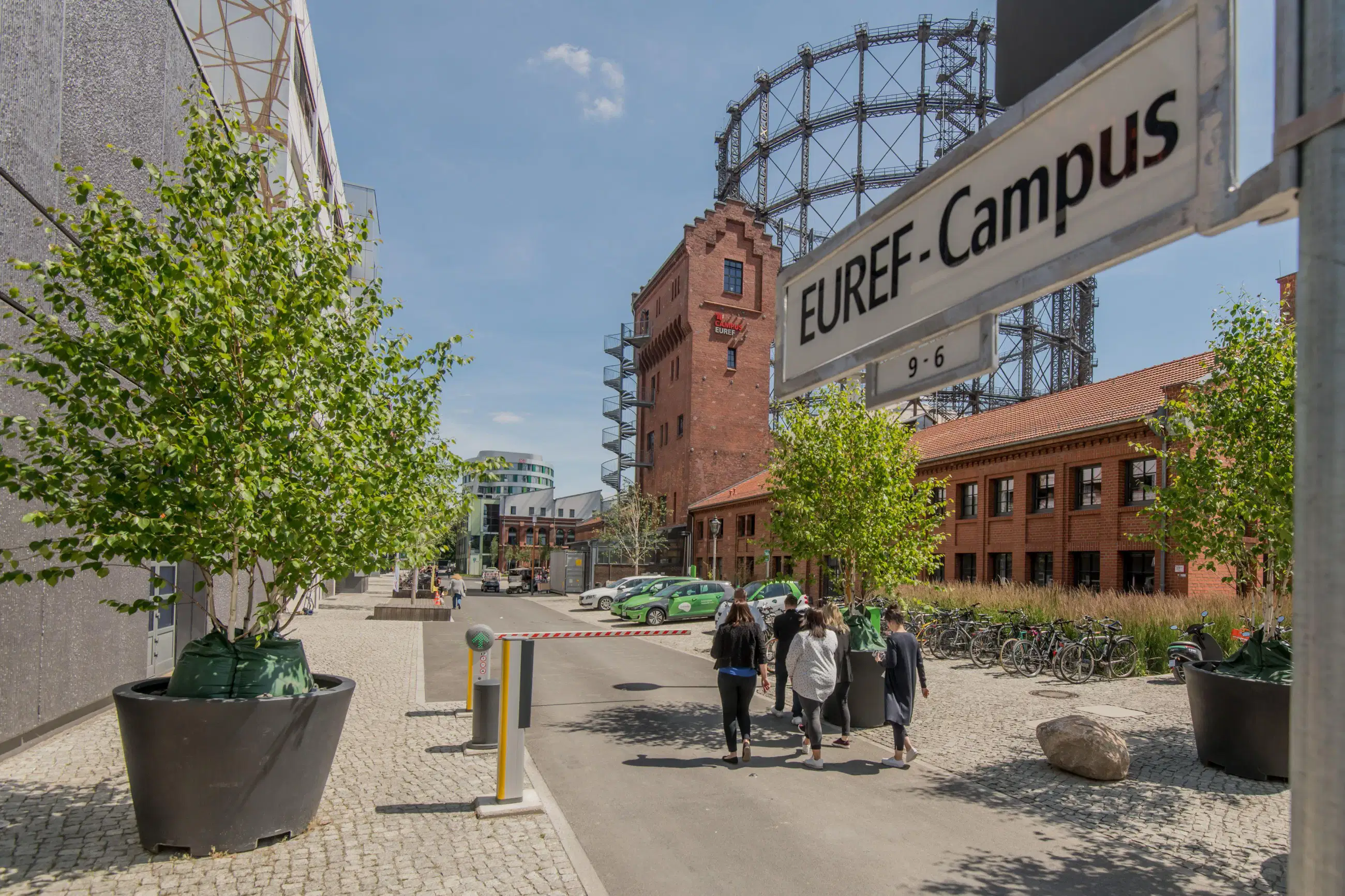
EUREF Campus

Campus

EUREF Campus

Campus Dahlem

Campus

Campus Dahlem

ACOLYTE COMMUNITY

1200+ Student Housed

NO BROKER FEES·
VERIFIED TECHNICAL UNIVERSITY OF BERLIN LISTINGS·
FULLY FURNISHED · BILLS INCLUDED·
£50 PER REFERRAL·
INSTANT SUPPORT·
NO BROKER FEES·
VERIFIED TECHNICAL UNIVERSITY OF BERLIN LISTINGS·
FULLY FURNISHED · BILLS INCLUDED·
£50 PER REFERRAL·
INSTANT SUPPORT·
🎓
TECHNICAL UNIVERSITY OF BERLIN
0/0 shown
✈
Student Housing Explorer
Loading properties…
Price / week
< £200
£200–£280
> £280

The Cribs

Verified student homes near TECHNICAL UNIVERSITY OF BERLIN.
The Lore

Eat & DrinkStudySocial

South Asian Restaurants (Weststadt)

5 - 15 min

Explore authentic Indian and South Asian restaurants in Weststadt, offering everything from classic curries to flavorful street food favorites.

Side Quests

EARN CASH FOR REFERRALS

Refer and earn

Tell a friend — and earn real cash — paid straight to your bank

Refer Now →
TECHNICAL UNIVERSITY OF BERLIN
VERIFIED HOUSING

UNIVERSITY

Student Accommodation Near Technical University of Berlin

Find the best student accommodation near Technical University of Berlin. Explore top areas, rental costs, and off-campus housing options for TU Berlin students. Book now!

TECHNICAL UNIVERSITY OF BERLIN
Main Campus

Campus

Main Campus

EUREF Campus

Campus

EUREF Campus

Campus Dahlem

Campus

Campus Dahlem

ACOLYTE COMMUNITY

1200+ Student Housed

NO BROKER FEES·
VERIFIED TECHNICAL UNIVERSITY OF BERLIN LISTINGS·
FULLY FURNISHED · BILLS INCLUDED·
£50 PER REFERRAL·
INSTANT SUPPORT·
NO BROKER FEES·
VERIFIED TECHNICAL UNIVERSITY OF BERLIN LISTINGS·
FULLY FURNISHED · BILLS INCLUDED·
£50 PER REFERRAL·
INSTANT SUPPORT·
🎓
TECHNICAL UNIVERSITY OF BERLIN
0/0 shown
✈
Student Housing Explorer
Loading properties…
Price / week
< £200
£200–£280
> £280

The Cribs

Verified student homes near TECHNICAL UNIVERSITY OF BERLIN.
The Lore

Eat & DrinkStudySocial

South Asian Restaurants (Weststadt)

5 - 15 min

Explore authentic Indian and South Asian restaurants in Weststadt, offering everything from classic curries to flavorful street food favorites.

Side Quests

EARN CASH FOR REFERRALS

Refer and earn

Tell a friend — and earn real cash — paid straight to your bank

Refer Now →
ACOLYTE SCHOLARSHIP 2026

£500 scholarship.
50 winners. Every year.

We created the Acolyte Scholarship to give international students — including TECHNICAL UNIVERSITY OF BERLIN students — a meaningful head start on the biggest financial challenge of studying abroad: the cost of housing.

  • ✓Open to all nationalities — no restrictions
  • ✓No GPA or grade requirement
  • ✓Must be studying internationally
  • ✓500-word essay — your story, in your words
  • ✓£500 paid directly to your bank account

Student FAQs

Charlottenburg is the most convenient neighbourhood for TU Berlin students, located directly around the main campus on Strasse des 17. Juni with average shared room rents of approximately 670 euros per month. Moabit and Wedding are more affordable alternatives with good U-Bahn and S-Bahn connections to campus, offering shared rooms from around 640 to 716 euros per month.

Shared rooms in private WG apartments near TU Berlin typically cost between 640 and 720 euros per month in nearby districts like Charlottenburg and Tiergarten, and between 500 and 680 euros per month in more affordable areas such as Wedding and Wilmersdorf. Subsidised Studierendenwerk dormitory rooms are available from 200 to 450 euros per month but require early application.

TU Berlin does not operate its own campus residences. Instead, students access subsidised dormitory accommodation managed by Studierendenwerk Berlin, the city-wide student services organisation. Demand consistently exceeds supply, and students should apply as early as possible after receiving their admission offer. Most TU Berlin students live in private shared apartments in Berlin's surrounding neighbourhoods.

All enrolled TU Berlin students receive a Semesterticket providing unlimited free travel across the BVG network, covering U-Bahn, S-Bahn, buses, and trams within Berlin's ABC zones for the full duration of each semester. The Ernst-Reuter-Platz U2 station is directly at the main campus entrance. Berlin also has one of Europe's best cycling networks, and cycling to campus from most inner-city districts is a fast and popular option.

TU Berlin operates its main campus in Charlottenburg-Wilmersdorf along the Strasse des 17. Juni. Additional campus sites are located in Wedding to the north, the TU Campus EUREF in Schoneberg focused on sustainability and energy research, and a further campus in Dahlem in the south. The university also maintains offices in Brussels, Belgium for European research coordination.

TECHNICAL UNIVERSITY OF BERLIN

The Technical University of Berlin, officially known as the Technische Universitat Berlin or TU Berlin, is one of Germany's largest, most prestigious, and historically significant universities. Its roots stretch back to 1770 with the founding of the Konigliche Bergakademie zu Berlin, and it formally came to be known by its current name in 1946, making it the first German university to adopt the title of Technische Universitat. Today it stands as one of nine members of TU9, the alliance of Germany's largest and most notable institutes of technology, a membership shared with elite institutions that collectively define the country's engineering and scientific excellence. Located in the heart of Berlin along the iconic Strasse des 17. Juni, with its main campus in the borough of Charlottenburg-Wilmersdorf, TU Berlin is the only university in the capital region offering engineering subjects. With over 34,500 students enrolled across more than 100 study programmes and 40 institutes, and with more than 10,200 international students from over 150 countries, it is one of the most internationally diverse technical universities in Europe. Its alumni and staff include ten Nobel Prize laureates, the inventor of the first fully functional programmable computer Konrad Zuse, and numerous members of national academies of science across multiple countries. For students planning their studies at TU Berlin, finding the right accommodation near Technical University of Berlin is one of the most important early decisions to make. Berlin offers a wide range of student-friendly neighbourhoods, affordable shared apartments, and excellent public transport that makes the whole city accessible. Acolyte Living is here to help you navigate every option with complete confidence.
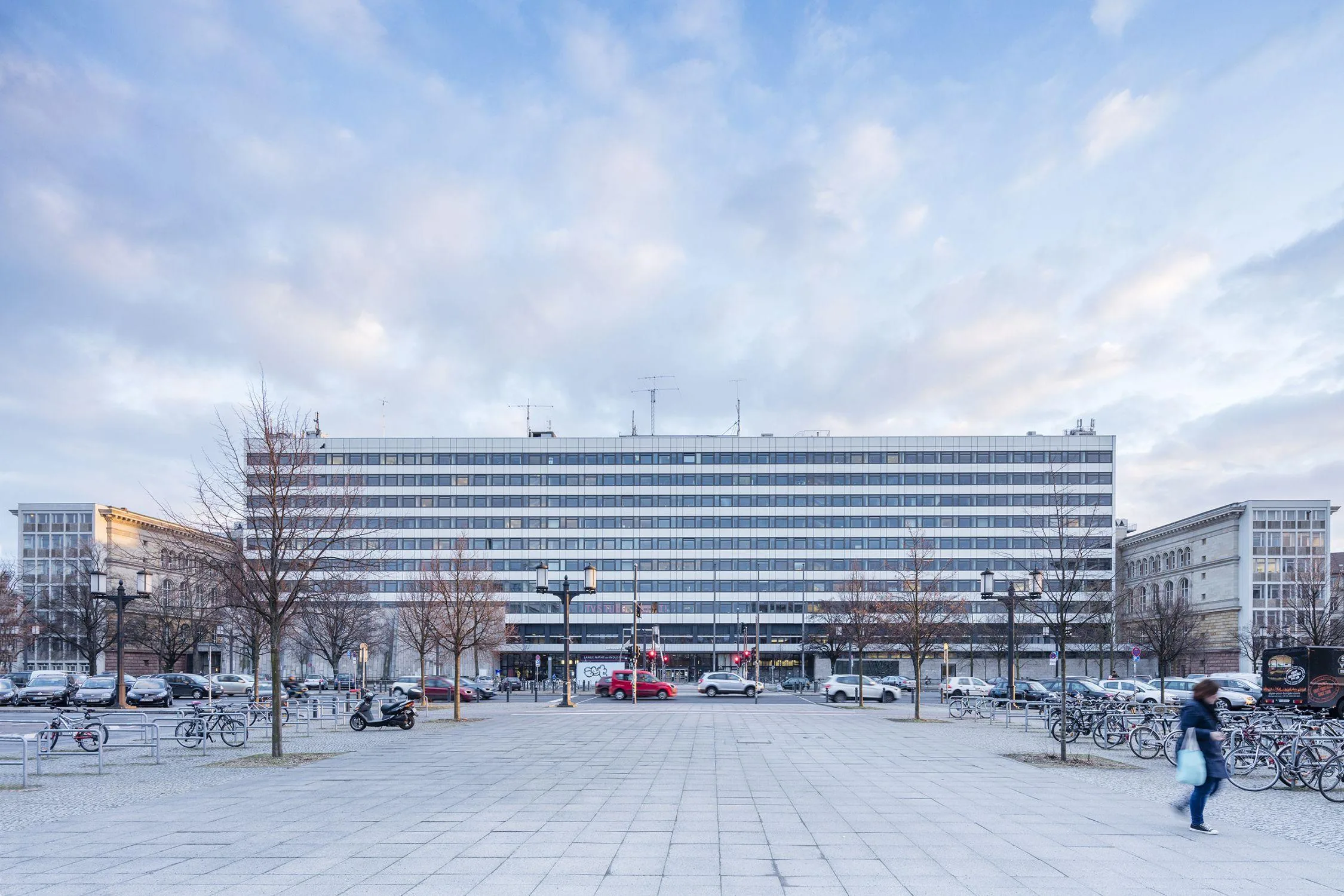
TU Berlin occupies a total area of approximately 604,000 square metres spread across multiple sites in Berlin. The main campus, located in Charlottenburg-Wilmersdorf, is one of the most centrally positioned university campuses in Europe, placed along the Strasse des 17. Juni, the grand ceremonial avenue running from Ernst-Reuter-Platz toward the Brandenburg Gate. This magnificent axis bisects the campus into a northern and southern section and places students within minutes of some of the most famous landmarks in the German capital. The Main Campus in Charlottenburg-Wilmersdorf houses the university's central building along with the Mathematics, Chemistry, Physics, and Architecture Buildings. The distinctive Telefunken-Hochhaus is one of the tallest and most recognisable buildings on campus. The former experimental water engineering station, known locally as the Rosa Rohre for its distinctive pink pipe, is another iconic landmark. The Ernst-Reuter-Platz transit hub connects the campus directly to the rest of Berlin via U-Bahn and buses. The Wedding Campus, located in the district of Wedding to the north of Mitte, hosts additional facilities including specialist laboratories and research institutes serving the university's science and engineering programmes. The TU Campus EUREF, a specialist sustainability research and teaching site, focuses on environmental science, climate, energy, and mobility, aligned with TU Berlin's strong commitment to sustainability research. The Campus Dahlem in the southwestern district of Steglitz-Zehlendorf provides additional institute and research space. Beyond Berlin, TU Berlin operates an office in Brussels, Belgium, supporting its European research partnerships and EU-funded projects.
TU Berlin holds a strong and internationally respected position in global university rankings, particularly given its specialisation in engineering, natural sciences, and technology. In the QS World University Rankings 2025, TU Berlin is ranked 147th globally and 8th in Germany, reflecting its consistent performance as one of the country's leading technical universities. In the Times Higher Education World University Rankings, it is ranked 136th globally and placed within the 12th to 13th range in Germany. The Academic Ranking of World Universities positions it in the 201 to 300 range globally and within the 10th to 19th band in Germany. In subject-specific performance, TU Berlin ranks 5th in Germany in Electrical Engineering and 9th in Natural Sciences and Engineering according to the German Research Foundation's research funding rankings, and 11th among all German universities for the number of graduates who become top managers in the German economy. In 2019, TU Berlin received the prestigious University of Excellence title as part of the Berlin University Alliance, Germany's highest competitive academic recognition.
TU Berlin has shaped modern technology, science, and engineering in ways that continue to define everyday life around the world. Pioneering Technical University Identity: TU Berlin was the first German university to adopt the title of Technische Universitat, a naming innovation that has since influenced how technical universities define themselves globally. It was also the first German university to establish a degree programme in Industrial Engineering and Management, a discipline that became one of the most sought-after in the country. Konrad Zuse and the Birth of Computing: Konrad Zuse, who studied at TU Berlin, created the Z3 in 1941, the world's first fully functional programmable electromechanical computer. This achievement, born directly from a TU Berlin education, marks the university as a foundational institution in the history of computing. Nobel Prize Legacy: TU Berlin's alumni and staff include ten Nobel Prize laureates, spanning chemistry, physics, and medicine. Fritz Haber, Carl Bosch, and Eugene Wigner are among the most celebrated names connected to the institution, reflecting the depth of its scientific heritage. Engineering and Technology Strength: As the only university in the Berlin capital region offering engineering programmes, TU Berlin holds a unique position in the city's academic landscape. It is particularly strong in Electrical Engineering, Computer Science, Mechanical Engineering, and Urban Planning, and consistently ranks among Germany's best institutions in these fields. Berlin University Alliance and Excellence Initiative: Since 2019, TU Berlin has been a member of the Berlin University Alliance alongside Freie Universitat Berlin, Humboldt-Universitat zu Berlin, and Charite Medical University, a collaboration awarded the prestigious University of Excellence status, attracting significant annual government research funding. International Character: With over 10,200 international students from more than 150 countries and over 80 international partner universities, TU Berlin has one of the most globally diverse student communities of any technical university in Europe. Tuition is free for all students, including international students, with only a mandatory semester contribution required.
TU Berlin offers over 100 undergraduate and postgraduate programmes across seven faculties, with a strong focus on engineering, the natural sciences, economics, and planning, alongside a highly regarded humanities faculty. Faculty of Mathematics and Natural Sciences: Covering degrees in Mathematics, Physics, Chemistry, and related interdisciplinary programmes, this faculty provides the foundational scientific education underpinning TU Berlin's engineering research. The faculty includes the Institute of Aerospace Technology and several research groups with active connections to German national research organisations. Faculty of Electrical Engineering and Computer Science: One of TU Berlin's flagship faculties, offering degrees in Computer Engineering, Electrical Engineering, Computer Science, and Human Factors. This faculty ranked 5th in Germany in electrical engineering research according to the German Research Foundation's 2018 Funding Atlas, and has strong links to Berlin's booming technology sector. Faculty of Mechanical Engineering and Transport Systems: Covering Mechanical Engineering, Transportation Systems Engineering, and Aeronautics and Astronautics. This faculty hosts the Institute of Energy Technology and the Institute of Transportation, and works closely with the German aerospace and automotive industries. Faculty of Planning, Building, Environment: TU Berlin is internationally recognised in Urban and Regional Planning, Architecture, Environmental Planning, and Landscape Architecture. Its Urban Studies and Landscape programmes attract students from across Europe and the world, particularly through the strong Berlin University Alliance research network. Faculty of Economics and Management: Offering degrees in Business Administration, Industrial Engineering and Management, and specialised graduate programmes in areas including Technology and Innovation Management. TU Berlin is credited as the first German university to establish the Industrial Engineering and Management programme, and this faculty continues to be a leader in engineering-focused business education.
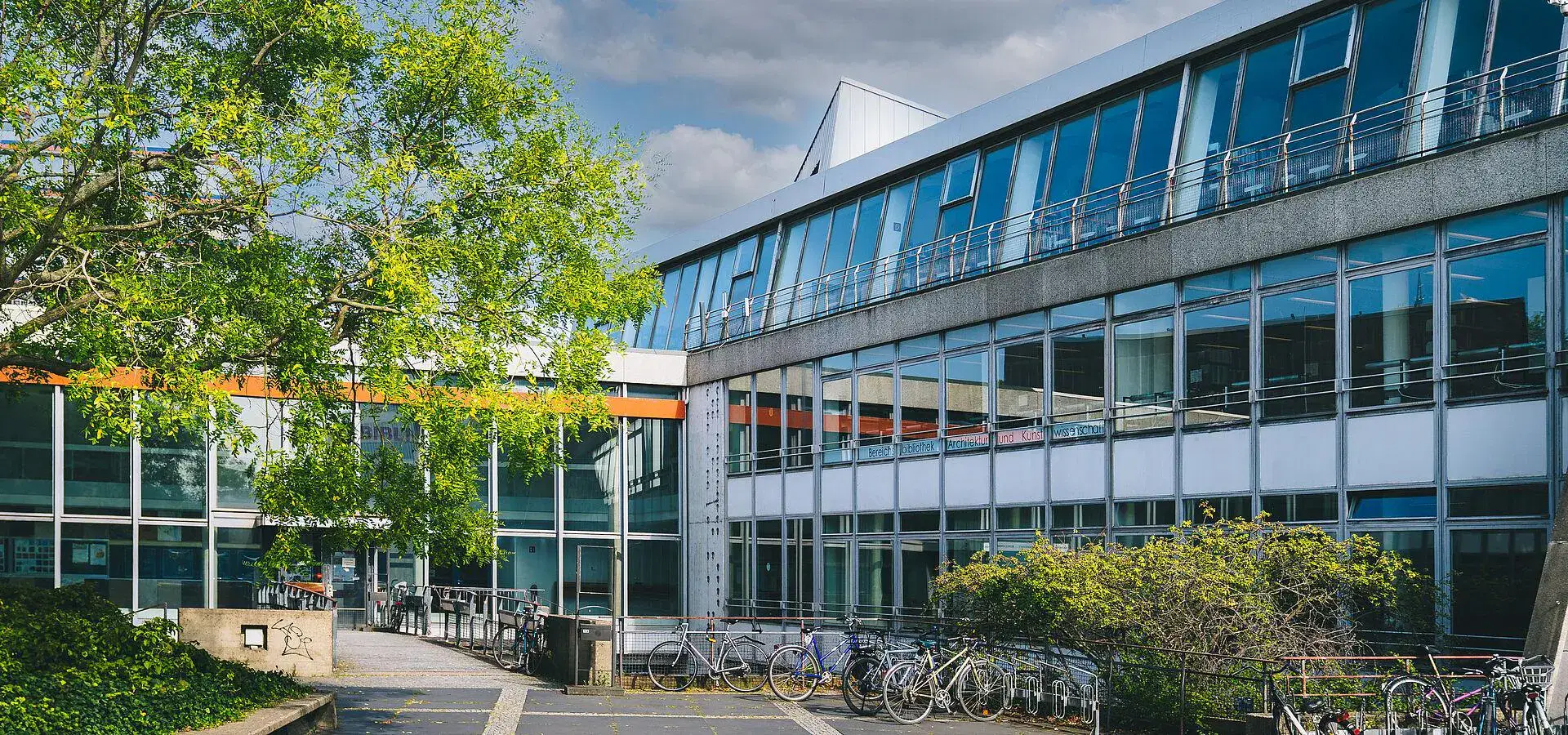
The University Library of TU Berlin, the Universitatsbibliothek, is one of the most comprehensive technical and scientific libraries in Germany. It serves over 34,500 students and a large research community across all seven faculties. The main library building on the campus in Charlottenburg holds extensive collections covering engineering, mathematics, natural sciences, planning, economics, and the humanities, with millions of physical volumes, academic journals, and an expanding portfolio of digital databases and e-resources. Specialist branch libraries and reading rooms are distributed across the campus, with 24-hour study spaces available at peak periods. The library also provides interlibrary loan services, digital resource access for registered students, research consultations, and regular academic skills workshops. For students looking for accommodation near Technical University of Berlin, the library is easily accessible by U-Bahn from Charlottenburg, Moabit, and surrounding student neighbourhoods.
TU Berlin does not operate its own large-scale student halls of residence. Instead, student housing is managed through Studierendenwerk Berlin, the student services organisation that provides affordable dormitory-style accommodation across the city. Studierendenwerk Berlin manages a network of student residences distributed across multiple Berlin districts, offering single and shared rooms at subsidised rates significantly below market price. These dormitories are highly popular and demand consistently exceeds availability, making early application essential. Applications can be submitted from the moment a student receives their admission offer, and waiting lists are common. Students who are not allocated a Studierendenwerk room must find private accommodation near Technical University of Berlin in the surrounding neighbourhoods. Purpose-built student accommodation providers, shared apartments known as Wohngemeinschaften or WGs, private rentals, and homestay arrangements are all widely available and used by the majority of TU Berlin's student population.
TU Berlin provides students with a broad range of academic, recreational, and social facilities across its main campus and satellite sites. Sports and Recreation: The university operates a comprehensive university sports programme through Hochschulsport TU Berlin, offering over 150 different sports and fitness courses each semester. Students can access gym facilities, team sports, martial arts, swimming, cycling, climbing, yoga, and a broad range of wellness classes. TU Berlin students can also access the Berlin-wide university sports network, giving them access to facilities across partner institutions. Dining: Several Mensen (university canteens) and cafeterias are located on and near the main campus, operated by Studierendenwerk Berlin. These offer hot meals, sandwiches, salads, and daily specials at heavily subsidised student prices. Vegetarian, vegan, and allergen-aware options are available. Additional student cafes and cafeterias are found across the campus buildings and in adjacent student hubs. Student Organisations and Social Life: TU Berlin has a rich and active student life, with over 150 student clubs and organisations spanning academic, cultural, political, and recreational interests. The General Students' Committee (AStA TU Berlin) is the independent student representative body, organising events, providing legal and social advice, and advocating for student interests. The university also supports Collegium Musicum, a student orchestra, choral groups, a student cinema known as Unikino, and regular cultural exchange events. Research and Innovation: Students benefit from access to the university's extensive laboratory infrastructure, including facilities at the Institute of Aerospace Technology, the Institute of Energy Technology, and research centres within the Berlin University Alliance. The university also runs two Innovation Centres as part of the federal Excellence Initiative. Language and International Support: The university's International Office supports international students with arrival orientation, academic guidance, language courses, and cultural integration programmes throughout the academic year.
TU Berlin is one of the best-positioned universities in Europe for public transport access, located at the intersection of several major transit lines in the heart of western Berlin. U-Bahn (Underground): The Ernst-Reuter-Platz U-Bahn station, served by the U2 line, is located directly at the main campus entrance and provides fast connections to Zoologischer Garten, Potsdamer Platz, Stadtmitte, and Alexanderplatz in one direction, and to Ruhleben in the other. The U7 line serves the nearby Bismarckstrasse and Wilmersdorfer Strasse stations, extending the campus's reach into Neukollen, Tempelhof, and Spandau. S-Bahn (City Rail): The Tiergarten S-Bahn station is within walking distance of the campus, served by the S5, S7, and S9 lines connecting the campus to Berlin Hauptbahnhof, Ostbahnhof, Alexanderplatz, and the western suburbs. The Ringbahn S41 and S42 circular lines intersect with multiple S-Bahn routes near the campus, providing rapid connections to virtually any part of the city. Bus: Multiple bus routes serve the campus directly, including the MetroBus M45 and several express lines along Strasse des 17. Juni and Marchstrasse. Berlin's bus network extends coverage to all areas of the city, complementing the U-Bahn and S-Bahn for shorter suburban journeys. Cycling: Berlin is one of Europe's most cycle-friendly capital cities, with extensive dedicated cycling lanes across the city. The Strasse des 17. Juni itself has a dedicated cycle path running through the Tiergarten toward the Brandenburg Gate, making cycling to campus from Moabit, Tiergarten, Mitte, and Charlottenburg a practical daily commute option. Berlin Semester Ticket: All enrolled students at TU Berlin are entitled to a discounted Semesterticket covering unlimited travel across the BVG network, including U-Bahn, S-Bahn, trams, and buses, within Berlin's ABC fare zones. This effectively makes all public transport free for the duration of each semester. Airport Links: Berlin Brandenburg Airport is located approximately 30 to 45 minutes from the campus by S-Bahn express services, providing direct international connectivity for students travelling to and from their home countries.
Finding accommodation near Technical University of Berlin is manageable with a clear picture of Berlin's student-friendly neighbourhoods. Here are the best areas to consider. Charlottenburg: Located directly around the main campus, Charlottenburg is the most convenient neighbourhood for TU Berlin students. The area surrounding Savignyplatz and Knesebeckstrasse offers a sophisticated residential atmosphere with tree-lined streets, independent cafes, bookshops, and excellent transit links. Shared rooms in Charlottenburg average approximately 670 euros per month, with studios averaging around 1,590 euros per month. It is a slightly higher price point than other student areas but offers unbeatable proximity to campus. Moabit: Located just north of the Spree River and a short U-Bahn or cycling distance from the main campus, Moabit is one of the most popular areas for TU Berlin students. It has a young, urban atmosphere, a large supply of available shared rooms, and a multicultural community. Shared rooms here average around 716 euros per month, and the neighbourhood has strong S-Bahn and bus connections to campus and the wider city. Wedding: Situated north of Mitte and easily accessible by U-Bahn via the U9 and U6 lines, Wedding is one of the most affordable and multicultural districts in Berlin. It offers a high density of student residents, affordable shared rooms averaging around 679 euros per month, good transit connections, and a lively community atmosphere that is increasingly popular with international students. Tiergarten: Located between the campus and the Brandenburg Gate, with the enormous Tiergarten park as its defining feature, this area combines excellent campus proximity with a calm, green residential feel. Shared rooms here average around 700 euros per month. Students who enjoy running, cycling, or spending time outdoors find Tiergarten an ideal base. Wilmersdorf: Situated south of Charlottenburg with a quieter, more residential character and excellent U-Bahn access via the U7 line, Wilmersdorf is popular with graduate students and those who prefer a calmer city lifestyle. Shared rooms here average around 640 euros per month, with studios available from approximately 1,265 euros per month, making it one of the more affordable options among the central western districts.
Berlin remains one of the most affordable capital cities in Europe for student living, though rental prices have increased in recent years. Students should budget carefully and begin their search well in advance. Studierendenwerk Berlin Dormitories: The most affordable option available to TU Berlin students is a place in a Studierendenwerk-managed dormitory, with subsidised rents typically ranging from 200 to 450 euros per month depending on room type and location. Demand is extremely high and wait times can be long, so it is essential to apply as early as possible. Shared Rooms in Private Apartments (WG): Sharing a Wohngemeinschaft, the classic German shared apartment, is the most common housing arrangement for TU Berlin students. Shared rooms in the neighbourhoods closest to the campus, including Charlottenburg, Moabit, and Tiergarten, average between 640 and 720 euros per month. In more affordable districts like Wedding, Neukolln, and Friedrichshain, shared rooms can be found from 500 to 650 euros per month. Studio Apartments: Studio apartments near the TU Berlin campus in Charlottenburg and Wilmersdorf average between 1,265 and 1,590 euros per month. Studios in more affordable outer districts are available from approximately 750 to 1,100 euros per month. Purpose-Built Student Accommodation: Private managed student residences such as THE FIZZ Berlin and other PBSA providers typically charge between 700 and 1,000 euros per month for a furnished private room with communal facilities including gym access, study spaces, laundry, and included utilities. Overall Monthly Living Costs: Beyond rent, the overall cost of living in Berlin for a student typically ranges from 1,100 to 1,500 euros per month when including rent, food, transport, and personal expenses, though students who live in affordable districts and cook at home regularly can manage comfortably below this figure.
Since TU Berlin does not operate its own large-scale on-campus residences, the concept of on-campus versus off-campus living works differently here than at many universities. The most affordable formal accommodation option is a subsidised Studierendenwerk dormitory, with rents from 200 to 450 euros per month, which is significantly cheaper than private market rentals. However, securing a dormitory place requires early application and typically involves a waiting list. For students who cannot access a dormitory, living off campus in a shared WG apartment near Technical University of Berlin is the standard and most cost-effective approach, with shared rooms in nearby districts like Moabit, Wedding, and Wilmersdorf available from approximately 500 to 720 euros per month. All TU Berlin students receive a Semesterticket for free public transport, which eliminates commuting costs regardless of where in the city a student chooses to live. Starting your search for accommodation near Technical University of Berlin at least two to three months before the start of semester is strongly recommended, with the October winter semester intake being the most competitive period.
Brandenburg Gate and Tiergarten: The Brandenburg Gate, Berlin's most iconic landmark, stands just a few minutes walk east of the TU Berlin campus along the Strasse des 17. Juni. Built in the 18th century and a defining symbol of German reunification, it remains the most photographed monument in the country. Running directly from the campus to the gate is the Tiergarten, Berlin's vast 519-acre central park, formerly a royal hunting ground and now a beloved daily escape for cycling, picnicking, and visiting the waterfront beer garden at Cafe am Neuen See. The Victory Column stands at the park's centre and can be climbed for panoramic views across the city. Museum Island: Located on the Spree River island in the heart of Mitte, a short U-Bahn or cycling ride from the TU Berlin campus, Museum Island is a UNESCO World Heritage Site housing five of Germany's most celebrated museums. The Pergamon Museum, the Altes Museum, the Neues Museum, the Bode Museum, and the Alte Nationalgalerie together hold one of the world's great collections of classical antiquity, ancient Egypt, European art, and Byzantine culture. The Reichstag Building: Situated just east of the Brandenburg Gate and easily accessible by foot from campus, the Reichstag is the seat of the German Bundestag and one of Berlin's most visited landmarks. Its famous glass dome, designed by British architect Norman Foster, offers free access to panoramic views across the city and represents democratic transparency through its see-through architecture. Pre-registration is required for visits and is strongly recommended. The Holocaust Memorial: Formally the Memorial to the Murdered Jews of Europe, this deeply powerful monument stands just five minutes from the Brandenburg Gate, directly along the route between the TU Berlin campus and Mitte. Comprising 2,711 concrete pillars of varying heights spread across more than half a square mile, it honours the six million Jewish victims of the Holocaust. An underground visitor centre with personal stories, photographs, and documents provides essential historical context to the experience. Charlottenburg Palace and Gardens: Located in the university's own home district, just a short cycle or bus ride from campus, Charlottenburg Palace is Berlin's largest and most magnificent Baroque palace, built in the 17th century as a summer residence for Queen Sophie Charlotte. The palace and its extensive formal gardens, which stretch along the Spree, offer a remarkable contrast to the technological energy of the university campus and provide a genuinely beautiful setting for a weekend afternoon. Free entry to the gardens, with ticketed access to the palace interior.

Acceptance Rate The Technical University of Berlin

ProgrammeEstimated Acceptance RateTypical GPA / Test Score
Computer Science (Bachelor)More selective, around 30 to 40%Strong Mathematics and Science grades, NC (numerus clausus) applies
Mechanical EngineeringAround 40 to 55%Strong Mathematics, Physics background, NC may apply
Electrical EngineeringAround 35 to 50%Strong Mathematics, Physics background
Urban and Regional PlanningAround 50 to 60%Secondary school qualification, strong academic profile
Master's Programmes (International)Varies by programme, typically 30 to 60%Relevant bachelor's degree, GPA 2.5 or better (German scale), language requirements
International Students (Overall)Around 40 to 55%IELTS 6.5 to 7.0 / DSH-2 or TestDaF 4 for German-taught programmes, TOEFL iBT 90+ for English-taught programmes
ACOLYTE SCHOLARSHIP 2026

£500 scholarship.
50 winners. Every year.

We created the Acolyte Scholarship to give international students — including TECHNICAL UNIVERSITY OF BERLIN students — a meaningful head start on the biggest financial challenge of studying abroad: the cost of housing.

  • ✓Open to all nationalities — no restrictions
  • ✓No GPA or grade requirement
  • ✓Must be studying internationally
  • ✓500-word essay — your story, in your words
  • ✓£500 paid directly to your bank account

Student FAQs

Charlottenburg is the most convenient neighbourhood for TU Berlin students, located directly around the main campus on Strasse des 17. Juni with average shared room rents of approximately 670 euros per month. Moabit and Wedding are more affordable alternatives with good U-Bahn and S-Bahn connections to campus, offering shared rooms from around 640 to 716 euros per month.

Shared rooms in private WG apartments near TU Berlin typically cost between 640 and 720 euros per month in nearby districts like Charlottenburg and Tiergarten, and between 500 and 680 euros per month in more affordable areas such as Wedding and Wilmersdorf. Subsidised Studierendenwerk dormitory rooms are available from 200 to 450 euros per month but require early application.

TU Berlin does not operate its own campus residences. Instead, students access subsidised dormitory accommodation managed by Studierendenwerk Berlin, the city-wide student services organisation. Demand consistently exceeds supply, and students should apply as early as possible after receiving their admission offer. Most TU Berlin students live in private shared apartments in Berlin's surrounding neighbourhoods.

All enrolled TU Berlin students receive a Semesterticket providing unlimited free travel across the BVG network, covering U-Bahn, S-Bahn, buses, and trams within Berlin's ABC zones for the full duration of each semester. The Ernst-Reuter-Platz U2 station is directly at the main campus entrance. Berlin also has one of Europe's best cycling networks, and cycling to campus from most inner-city districts is a fast and popular option.

TU Berlin operates its main campus in Charlottenburg-Wilmersdorf along the Strasse des 17. Juni. Additional campus sites are located in Wedding to the north, the TU Campus EUREF in Schoneberg focused on sustainability and energy research, and a further campus in Dahlem in the south. The university also maintains offices in Brussels, Belgium for European research coordination.

TECHNICAL UNIVERSITY OF BERLIN

The Technical University of Berlin, officially known as the Technische Universitat Berlin or TU Berlin, is one of Germany's largest, most prestigious, and historically significant universities. Its roots stretch back to 1770 with the founding of the Konigliche Bergakademie zu Berlin, and it formally came to be known by its current name in 1946, making it the first German university to adopt the title of Technische Universitat. Today it stands as one of nine members of TU9, the alliance of Germany's largest and most notable institutes of technology, a membership shared with elite institutions that collectively define the country's engineering and scientific excellence. Located in the heart of Berlin along the iconic Strasse des 17. Juni, with its main campus in the borough of Charlottenburg-Wilmersdorf, TU Berlin is the only university in the capital region offering engineering subjects. With over 34,500 students enrolled across more than 100 study programmes and 40 institutes, and with more than 10,200 international students from over 150 countries, it is one of the most internationally diverse technical universities in Europe. Its alumni and staff include ten Nobel Prize laureates, the inventor of the first fully functional programmable computer Konrad Zuse, and numerous members of national academies of science across multiple countries. For students planning their studies at TU Berlin, finding the right accommodation near Technical University of Berlin is one of the most important early decisions to make. Berlin offers a wide range of student-friendly neighbourhoods, affordable shared apartments, and excellent public transport that makes the whole city accessible. Acolyte Living is here to help you navigate every option with complete confidence.
TU Berlin occupies a total area of approximately 604,000 square metres spread across multiple sites in Berlin. The main campus, located in Charlottenburg-Wilmersdorf, is one of the most centrally positioned university campuses in Europe, placed along the Strasse des 17. Juni, the grand ceremonial avenue running from Ernst-Reuter-Platz toward the Brandenburg Gate. This magnificent axis bisects the campus into a northern and southern section and places students within minutes of some of the most famous landmarks in the German capital. The Main Campus in Charlottenburg-Wilmersdorf houses the university's central building along with the Mathematics, Chemistry, Physics, and Architecture Buildings. The distinctive Telefunken-Hochhaus is one of the tallest and most recognisable buildings on campus. The former experimental water engineering station, known locally as the Rosa Rohre for its distinctive pink pipe, is another iconic landmark. The Ernst-Reuter-Platz transit hub connects the campus directly to the rest of Berlin via U-Bahn and buses. The Wedding Campus, located in the district of Wedding to the north of Mitte, hosts additional facilities including specialist laboratories and research institutes serving the university's science and engineering programmes. The TU Campus EUREF, a specialist sustainability research and teaching site, focuses on environmental science, climate, energy, and mobility, aligned with TU Berlin's strong commitment to sustainability research. The Campus Dahlem in the southwestern district of Steglitz-Zehlendorf provides additional institute and research space. Beyond Berlin, TU Berlin operates an office in Brussels, Belgium, supporting its European research partnerships and EU-funded projects.
TU Berlin holds a strong and internationally respected position in global university rankings, particularly given its specialisation in engineering, natural sciences, and technology. In the QS World University Rankings 2025, TU Berlin is ranked 147th globally and 8th in Germany, reflecting its consistent performance as one of the country's leading technical universities. In the Times Higher Education World University Rankings, it is ranked 136th globally and placed within the 12th to 13th range in Germany. The Academic Ranking of World Universities positions it in the 201 to 300 range globally and within the 10th to 19th band in Germany. In subject-specific performance, TU Berlin ranks 5th in Germany in Electrical Engineering and 9th in Natural Sciences and Engineering according to the German Research Foundation's research funding rankings, and 11th among all German universities for the number of graduates who become top managers in the German economy. In 2019, TU Berlin received the prestigious University of Excellence title as part of the Berlin University Alliance, Germany's highest competitive academic recognition.
TU Berlin has shaped modern technology, science, and engineering in ways that continue to define everyday life around the world. Pioneering Technical University Identity: TU Berlin was the first German university to adopt the title of Technische Universitat, a naming innovation that has since influenced how technical universities define themselves globally. It was also the first German university to establish a degree programme in Industrial Engineering and Management, a discipline that became one of the most sought-after in the country. Konrad Zuse and the Birth of Computing: Konrad Zuse, who studied at TU Berlin, created the Z3 in 1941, the world's first fully functional programmable electromechanical computer. This achievement, born directly from a TU Berlin education, marks the university as a foundational institution in the history of computing. Nobel Prize Legacy: TU Berlin's alumni and staff include ten Nobel Prize laureates, spanning chemistry, physics, and medicine. Fritz Haber, Carl Bosch, and Eugene Wigner are among the most celebrated names connected to the institution, reflecting the depth of its scientific heritage. Engineering and Technology Strength: As the only university in the Berlin capital region offering engineering programmes, TU Berlin holds a unique position in the city's academic landscape. It is particularly strong in Electrical Engineering, Computer Science, Mechanical Engineering, and Urban Planning, and consistently ranks among Germany's best institutions in these fields. Berlin University Alliance and Excellence Initiative: Since 2019, TU Berlin has been a member of the Berlin University Alliance alongside Freie Universitat Berlin, Humboldt-Universitat zu Berlin, and Charite Medical University, a collaboration awarded the prestigious University of Excellence status, attracting significant annual government research funding. International Character: With over 10,200 international students from more than 150 countries and over 80 international partner universities, TU Berlin has one of the most globally diverse student communities of any technical university in Europe. Tuition is free for all students, including international students, with only a mandatory semester contribution required.
TU Berlin offers over 100 undergraduate and postgraduate programmes across seven faculties, with a strong focus on engineering, the natural sciences, economics, and planning, alongside a highly regarded humanities faculty. Faculty of Mathematics and Natural Sciences: Covering degrees in Mathematics, Physics, Chemistry, and related interdisciplinary programmes, this faculty provides the foundational scientific education underpinning TU Berlin's engineering research. The faculty includes the Institute of Aerospace Technology and several research groups with active connections to German national research organisations. Faculty of Electrical Engineering and Computer Science: One of TU Berlin's flagship faculties, offering degrees in Computer Engineering, Electrical Engineering, Computer Science, and Human Factors. This faculty ranked 5th in Germany in electrical engineering research according to the German Research Foundation's 2018 Funding Atlas, and has strong links to Berlin's booming technology sector. Faculty of Mechanical Engineering and Transport Systems: Covering Mechanical Engineering, Transportation Systems Engineering, and Aeronautics and Astronautics. This faculty hosts the Institute of Energy Technology and the Institute of Transportation, and works closely with the German aerospace and automotive industries. Faculty of Planning, Building, Environment: TU Berlin is internationally recognised in Urban and Regional Planning, Architecture, Environmental Planning, and Landscape Architecture. Its Urban Studies and Landscape programmes attract students from across Europe and the world, particularly through the strong Berlin University Alliance research network. Faculty of Economics and Management: Offering degrees in Business Administration, Industrial Engineering and Management, and specialised graduate programmes in areas including Technology and Innovation Management. TU Berlin is credited as the first German university to establish the Industrial Engineering and Management programme, and this faculty continues to be a leader in engineering-focused business education.
The University Library of TU Berlin, the Universitatsbibliothek, is one of the most comprehensive technical and scientific libraries in Germany. It serves over 34,500 students and a large research community across all seven faculties. The main library building on the campus in Charlottenburg holds extensive collections covering engineering, mathematics, natural sciences, planning, economics, and the humanities, with millions of physical volumes, academic journals, and an expanding portfolio of digital databases and e-resources. Specialist branch libraries and reading rooms are distributed across the campus, with 24-hour study spaces available at peak periods. The library also provides interlibrary loan services, digital resource access for registered students, research consultations, and regular academic skills workshops. For students looking for accommodation near Technical University of Berlin, the library is easily accessible by U-Bahn from Charlottenburg, Moabit, and surrounding student neighbourhoods.
TU Berlin does not operate its own large-scale student halls of residence. Instead, student housing is managed through Studierendenwerk Berlin, the student services organisation that provides affordable dormitory-style accommodation across the city. Studierendenwerk Berlin manages a network of student residences distributed across multiple Berlin districts, offering single and shared rooms at subsidised rates significantly below market price. These dormitories are highly popular and demand consistently exceeds availability, making early application essential. Applications can be submitted from the moment a student receives their admission offer, and waiting lists are common. Students who are not allocated a Studierendenwerk room must find private accommodation near Technical University of Berlin in the surrounding neighbourhoods. Purpose-built student accommodation providers, shared apartments known as Wohngemeinschaften or WGs, private rentals, and homestay arrangements are all widely available and used by the majority of TU Berlin's student population.
TU Berlin provides students with a broad range of academic, recreational, and social facilities across its main campus and satellite sites. Sports and Recreation: The university operates a comprehensive university sports programme through Hochschulsport TU Berlin, offering over 150 different sports and fitness courses each semester. Students can access gym facilities, team sports, martial arts, swimming, cycling, climbing, yoga, and a broad range of wellness classes. TU Berlin students can also access the Berlin-wide university sports network, giving them access to facilities across partner institutions. Dining: Several Mensen (university canteens) and cafeterias are located on and near the main campus, operated by Studierendenwerk Berlin. These offer hot meals, sandwiches, salads, and daily specials at heavily subsidised student prices. Vegetarian, vegan, and allergen-aware options are available. Additional student cafes and cafeterias are found across the campus buildings and in adjacent student hubs. Student Organisations and Social Life: TU Berlin has a rich and active student life, with over 150 student clubs and organisations spanning academic, cultural, political, and recreational interests. The General Students' Committee (AStA TU Berlin) is the independent student representative body, organising events, providing legal and social advice, and advocating for student interests. The university also supports Collegium Musicum, a student orchestra, choral groups, a student cinema known as Unikino, and regular cultural exchange events. Research and Innovation: Students benefit from access to the university's extensive laboratory infrastructure, including facilities at the Institute of Aerospace Technology, the Institute of Energy Technology, and research centres within the Berlin University Alliance. The university also runs two Innovation Centres as part of the federal Excellence Initiative. Language and International Support: The university's International Office supports international students with arrival orientation, academic guidance, language courses, and cultural integration programmes throughout the academic year.
TU Berlin is one of the best-positioned universities in Europe for public transport access, located at the intersection of several major transit lines in the heart of western Berlin. U-Bahn (Underground): The Ernst-Reuter-Platz U-Bahn station, served by the U2 line, is located directly at the main campus entrance and provides fast connections to Zoologischer Garten, Potsdamer Platz, Stadtmitte, and Alexanderplatz in one direction, and to Ruhleben in the other. The U7 line serves the nearby Bismarckstrasse and Wilmersdorfer Strasse stations, extending the campus's reach into Neukollen, Tempelhof, and Spandau. S-Bahn (City Rail): The Tiergarten S-Bahn station is within walking distance of the campus, served by the S5, S7, and S9 lines connecting the campus to Berlin Hauptbahnhof, Ostbahnhof, Alexanderplatz, and the western suburbs. The Ringbahn S41 and S42 circular lines intersect with multiple S-Bahn routes near the campus, providing rapid connections to virtually any part of the city. Bus: Multiple bus routes serve the campus directly, including the MetroBus M45 and several express lines along Strasse des 17. Juni and Marchstrasse. Berlin's bus network extends coverage to all areas of the city, complementing the U-Bahn and S-Bahn for shorter suburban journeys. Cycling: Berlin is one of Europe's most cycle-friendly capital cities, with extensive dedicated cycling lanes across the city. The Strasse des 17. Juni itself has a dedicated cycle path running through the Tiergarten toward the Brandenburg Gate, making cycling to campus from Moabit, Tiergarten, Mitte, and Charlottenburg a practical daily commute option. Berlin Semester Ticket: All enrolled students at TU Berlin are entitled to a discounted Semesterticket covering unlimited travel across the BVG network, including U-Bahn, S-Bahn, trams, and buses, within Berlin's ABC fare zones. This effectively makes all public transport free for the duration of each semester. Airport Links: Berlin Brandenburg Airport is located approximately 30 to 45 minutes from the campus by S-Bahn express services, providing direct international connectivity for students travelling to and from their home countries.
Finding accommodation near Technical University of Berlin is manageable with a clear picture of Berlin's student-friendly neighbourhoods. Here are the best areas to consider. Charlottenburg: Located directly around the main campus, Charlottenburg is the most convenient neighbourhood for TU Berlin students. The area surrounding Savignyplatz and Knesebeckstrasse offers a sophisticated residential atmosphere with tree-lined streets, independent cafes, bookshops, and excellent transit links. Shared rooms in Charlottenburg average approximately 670 euros per month, with studios averaging around 1,590 euros per month. It is a slightly higher price point than other student areas but offers unbeatable proximity to campus. Moabit: Located just north of the Spree River and a short U-Bahn or cycling distance from the main campus, Moabit is one of the most popular areas for TU Berlin students. It has a young, urban atmosphere, a large supply of available shared rooms, and a multicultural community. Shared rooms here average around 716 euros per month, and the neighbourhood has strong S-Bahn and bus connections to campus and the wider city. Wedding: Situated north of Mitte and easily accessible by U-Bahn via the U9 and U6 lines, Wedding is one of the most affordable and multicultural districts in Berlin. It offers a high density of student residents, affordable shared rooms averaging around 679 euros per month, good transit connections, and a lively community atmosphere that is increasingly popular with international students. Tiergarten: Located between the campus and the Brandenburg Gate, with the enormous Tiergarten park as its defining feature, this area combines excellent campus proximity with a calm, green residential feel. Shared rooms here average around 700 euros per month. Students who enjoy running, cycling, or spending time outdoors find Tiergarten an ideal base. Wilmersdorf: Situated south of Charlottenburg with a quieter, more residential character and excellent U-Bahn access via the U7 line, Wilmersdorf is popular with graduate students and those who prefer a calmer city lifestyle. Shared rooms here average around 640 euros per month, with studios available from approximately 1,265 euros per month, making it one of the more affordable options among the central western districts.
Berlin remains one of the most affordable capital cities in Europe for student living, though rental prices have increased in recent years. Students should budget carefully and begin their search well in advance. Studierendenwerk Berlin Dormitories: The most affordable option available to TU Berlin students is a place in a Studierendenwerk-managed dormitory, with subsidised rents typically ranging from 200 to 450 euros per month depending on room type and location. Demand is extremely high and wait times can be long, so it is essential to apply as early as possible. Shared Rooms in Private Apartments (WG): Sharing a Wohngemeinschaft, the classic German shared apartment, is the most common housing arrangement for TU Berlin students. Shared rooms in the neighbourhoods closest to the campus, including Charlottenburg, Moabit, and Tiergarten, average between 640 and 720 euros per month. In more affordable districts like Wedding, Neukolln, and Friedrichshain, shared rooms can be found from 500 to 650 euros per month. Studio Apartments: Studio apartments near the TU Berlin campus in Charlottenburg and Wilmersdorf average between 1,265 and 1,590 euros per month. Studios in more affordable outer districts are available from approximately 750 to 1,100 euros per month. Purpose-Built Student Accommodation: Private managed student residences such as THE FIZZ Berlin and other PBSA providers typically charge between 700 and 1,000 euros per month for a furnished private room with communal facilities including gym access, study spaces, laundry, and included utilities. Overall Monthly Living Costs: Beyond rent, the overall cost of living in Berlin for a student typically ranges from 1,100 to 1,500 euros per month when including rent, food, transport, and personal expenses, though students who live in affordable districts and cook at home regularly can manage comfortably below this figure.
Since TU Berlin does not operate its own large-scale on-campus residences, the concept of on-campus versus off-campus living works differently here than at many universities. The most affordable formal accommodation option is a subsidised Studierendenwerk dormitory, with rents from 200 to 450 euros per month, which is significantly cheaper than private market rentals. However, securing a dormitory place requires early application and typically involves a waiting list. For students who cannot access a dormitory, living off campus in a shared WG apartment near Technical University of Berlin is the standard and most cost-effective approach, with shared rooms in nearby districts like Moabit, Wedding, and Wilmersdorf available from approximately 500 to 720 euros per month. All TU Berlin students receive a Semesterticket for free public transport, which eliminates commuting costs regardless of where in the city a student chooses to live. Starting your search for accommodation near Technical University of Berlin at least two to three months before the start of semester is strongly recommended, with the October winter semester intake being the most competitive period.
Brandenburg Gate and Tiergarten: The Brandenburg Gate, Berlin's most iconic landmark, stands just a few minutes walk east of the TU Berlin campus along the Strasse des 17. Juni. Built in the 18th century and a defining symbol of German reunification, it remains the most photographed monument in the country. Running directly from the campus to the gate is the Tiergarten, Berlin's vast 519-acre central park, formerly a royal hunting ground and now a beloved daily escape for cycling, picnicking, and visiting the waterfront beer garden at Cafe am Neuen See. The Victory Column stands at the park's centre and can be climbed for panoramic views across the city. Museum Island: Located on the Spree River island in the heart of Mitte, a short U-Bahn or cycling ride from the TU Berlin campus, Museum Island is a UNESCO World Heritage Site housing five of Germany's most celebrated museums. The Pergamon Museum, the Altes Museum, the Neues Museum, the Bode Museum, and the Alte Nationalgalerie together hold one of the world's great collections of classical antiquity, ancient Egypt, European art, and Byzantine culture. The Reichstag Building: Situated just east of the Brandenburg Gate and easily accessible by foot from campus, the Reichstag is the seat of the German Bundestag and one of Berlin's most visited landmarks. Its famous glass dome, designed by British architect Norman Foster, offers free access to panoramic views across the city and represents democratic transparency through its see-through architecture. Pre-registration is required for visits and is strongly recommended. The Holocaust Memorial: Formally the Memorial to the Murdered Jews of Europe, this deeply powerful monument stands just five minutes from the Brandenburg Gate, directly along the route between the TU Berlin campus and Mitte. Comprising 2,711 concrete pillars of varying heights spread across more than half a square mile, it honours the six million Jewish victims of the Holocaust. An underground visitor centre with personal stories, photographs, and documents provides essential historical context to the experience. Charlottenburg Palace and Gardens: Located in the university's own home district, just a short cycle or bus ride from campus, Charlottenburg Palace is Berlin's largest and most magnificent Baroque palace, built in the 17th century as a summer residence for Queen Sophie Charlotte. The palace and its extensive formal gardens, which stretch along the Spree, offer a remarkable contrast to the technological energy of the university campus and provide a genuinely beautiful setting for a weekend afternoon. Free entry to the gardens, with ticketed access to the palace interior.

Acceptance Rate The Technical University of Berlin

ProgrammeEstimated Acceptance RateTypical GPA / Test Score
Computer Science (Bachelor)More selective, around 30 to 40%Strong Mathematics and Science grades, NC (numerus clausus) applies
Mechanical EngineeringAround 40 to 55%Strong Mathematics, Physics background, NC may apply
Electrical EngineeringAround 35 to 50%Strong Mathematics, Physics background
Urban and Regional PlanningAround 50 to 60%Secondary school qualification, strong academic profile
Master's Programmes (International)Varies by programme, typically 30 to 60%Relevant bachelor's degree, GPA 2.5 or better (German scale), language requirements
International Students (Overall)Around 40 to 55%IELTS 6.5 to 7.0 / DSH-2 or TestDaF 4 for German-taught programmes, TOEFL iBT 90+ for English-taught programmes
Student Accommodation Near TECHNICAL UNIVERSITY OF BERLIN | Acolyte Living

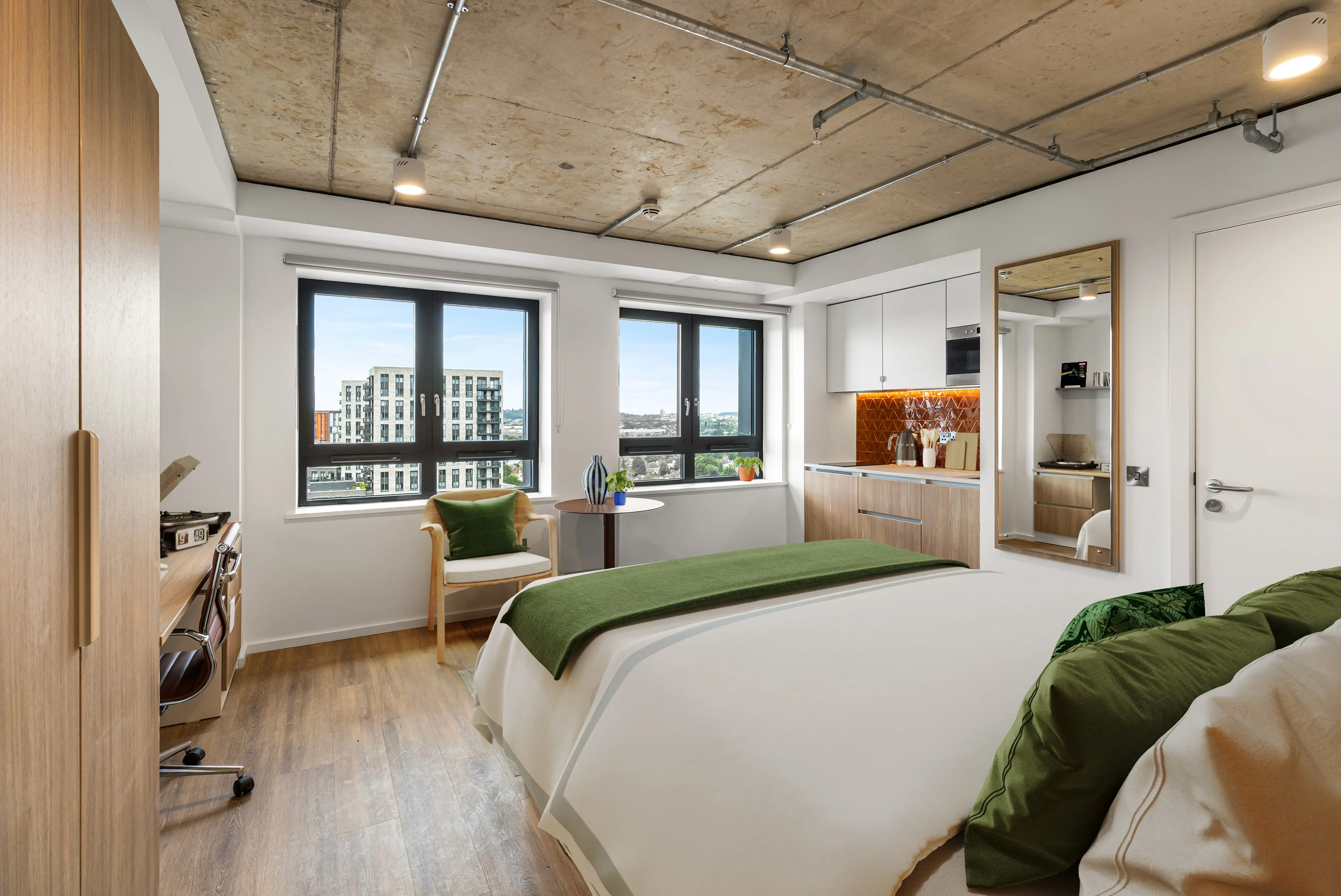
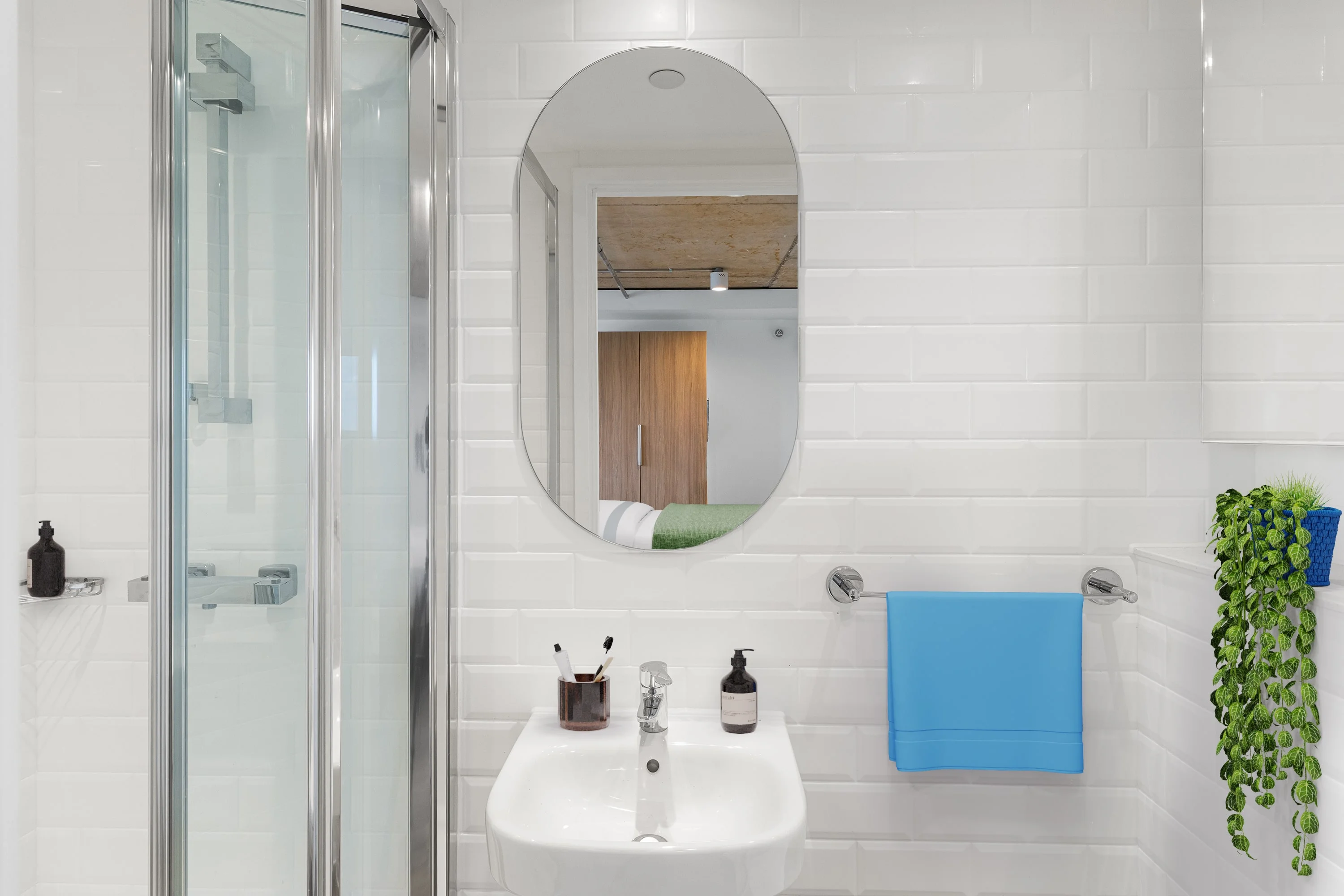
The Cribs

Verified student homes near TECHNICAL UNIVERSITY OF BERLIN.
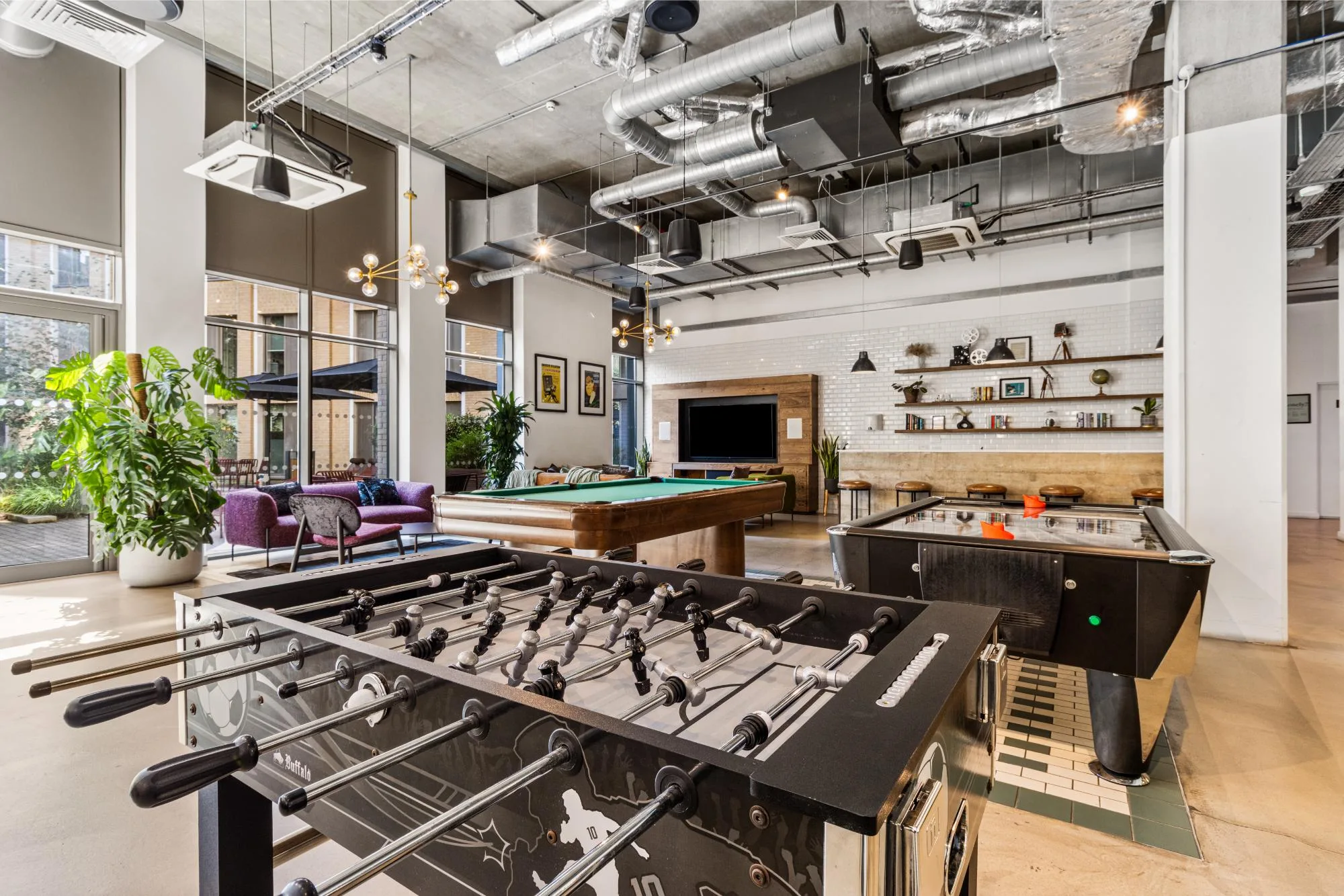
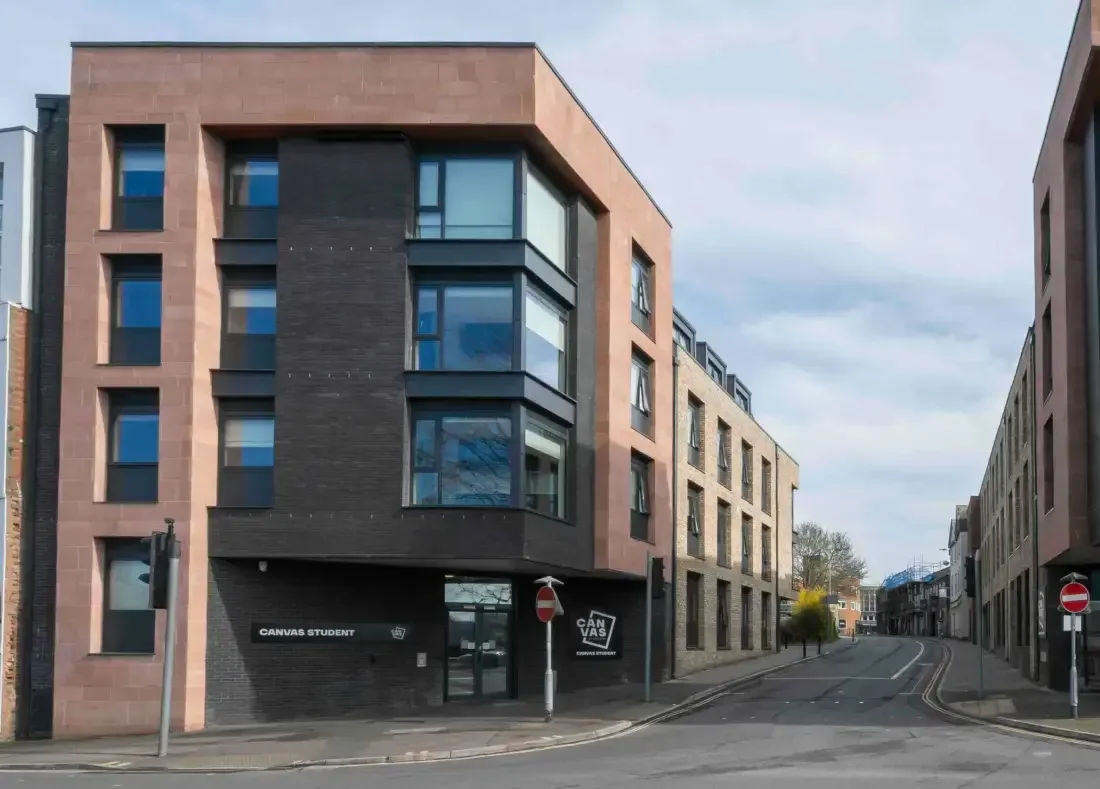
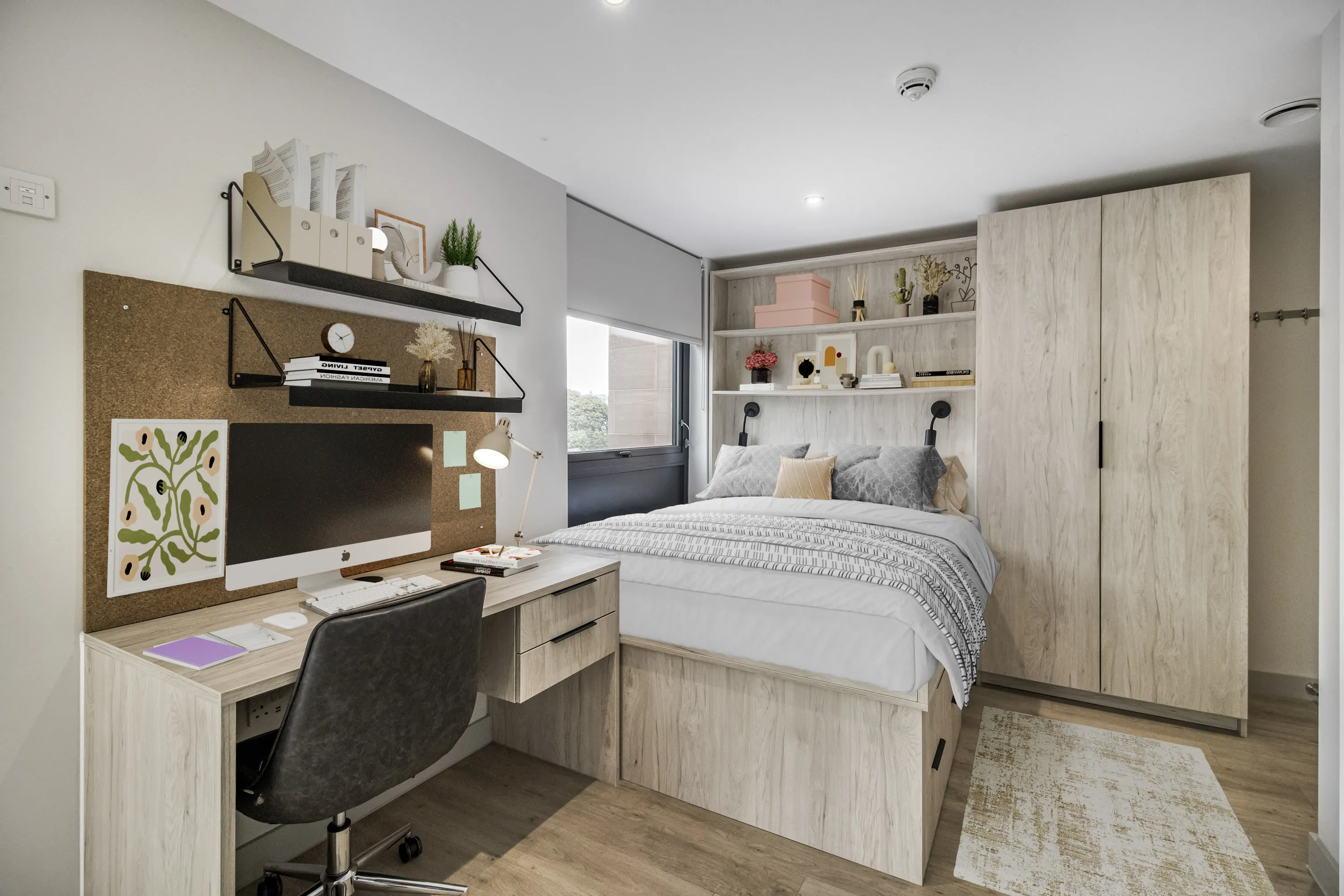
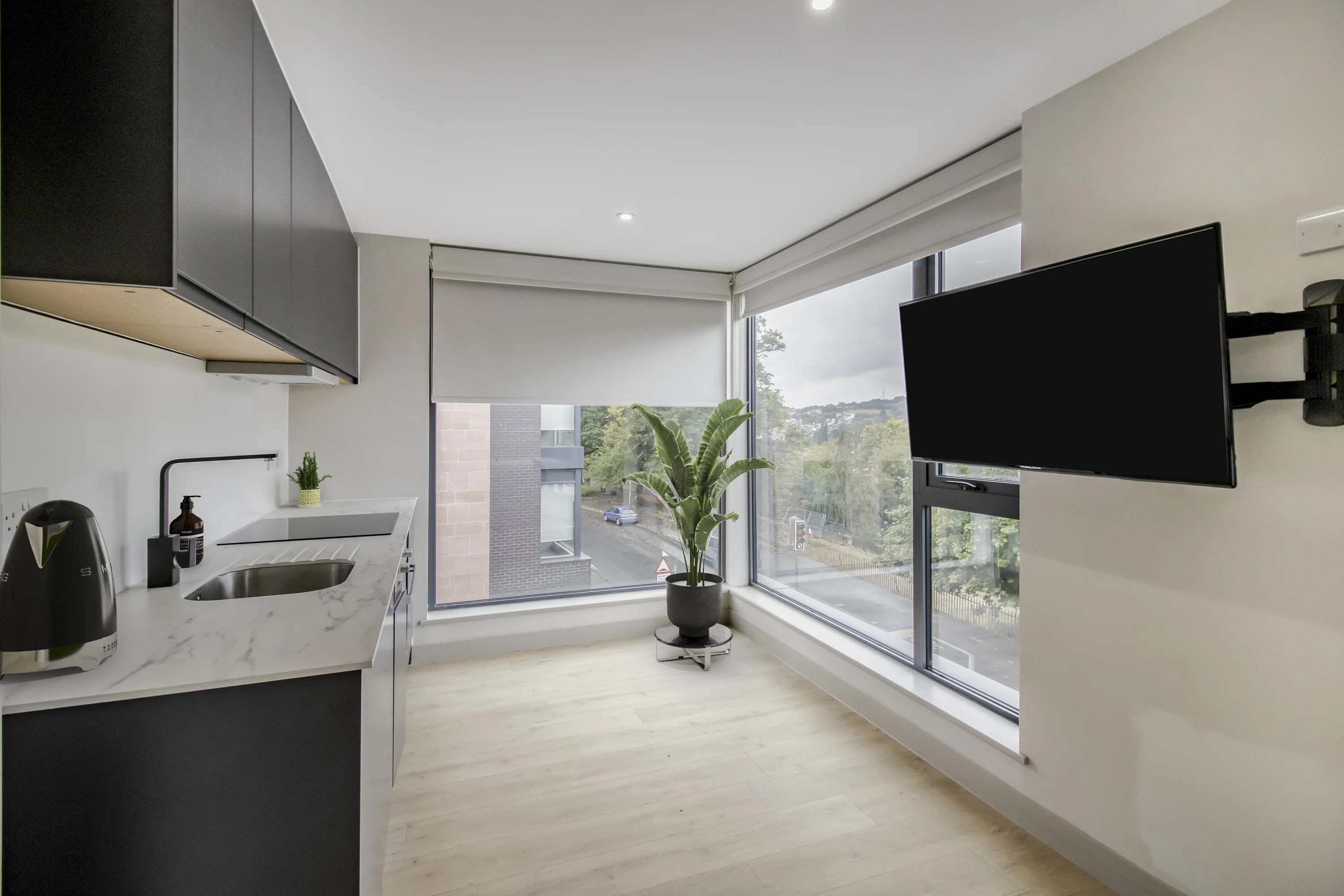
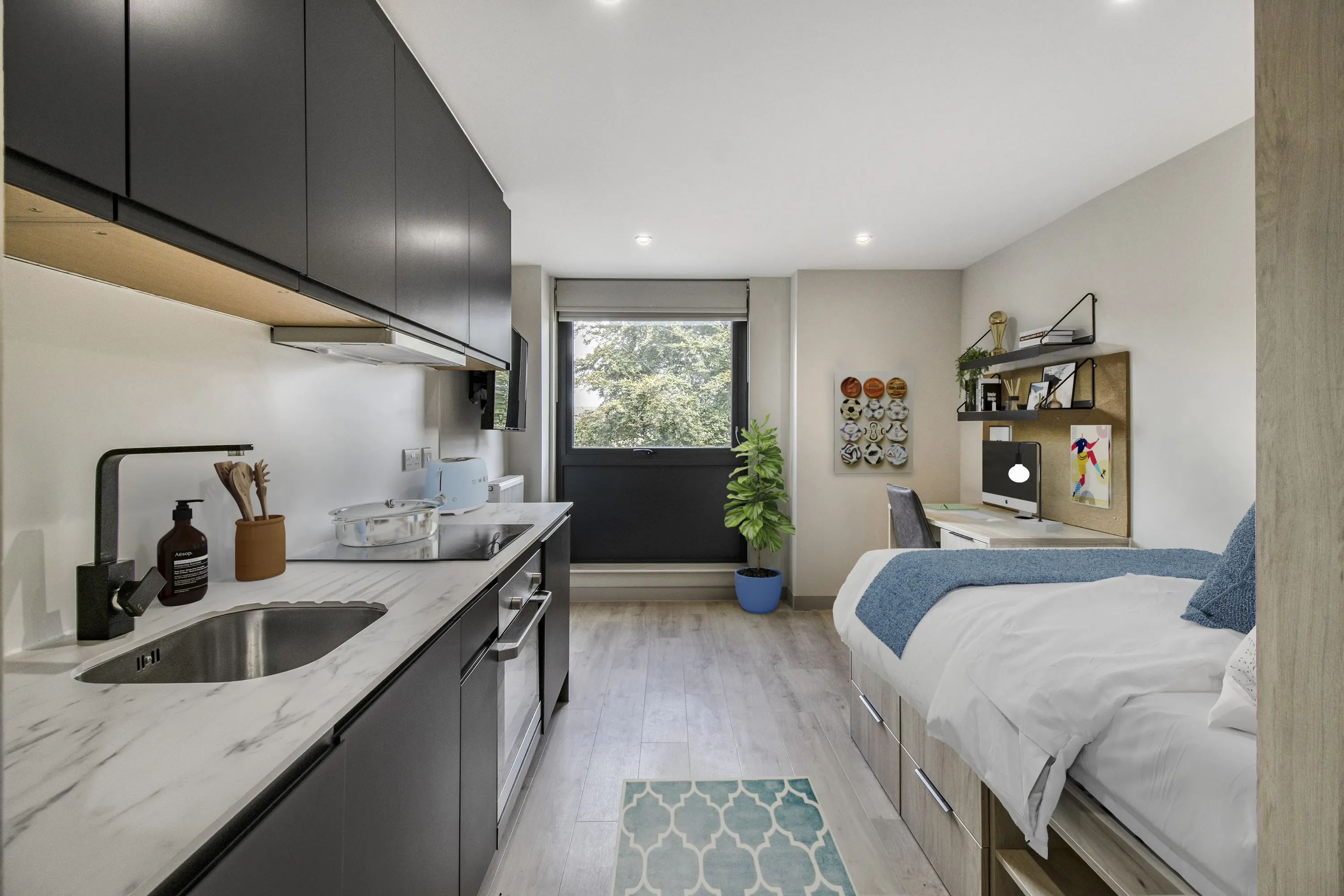
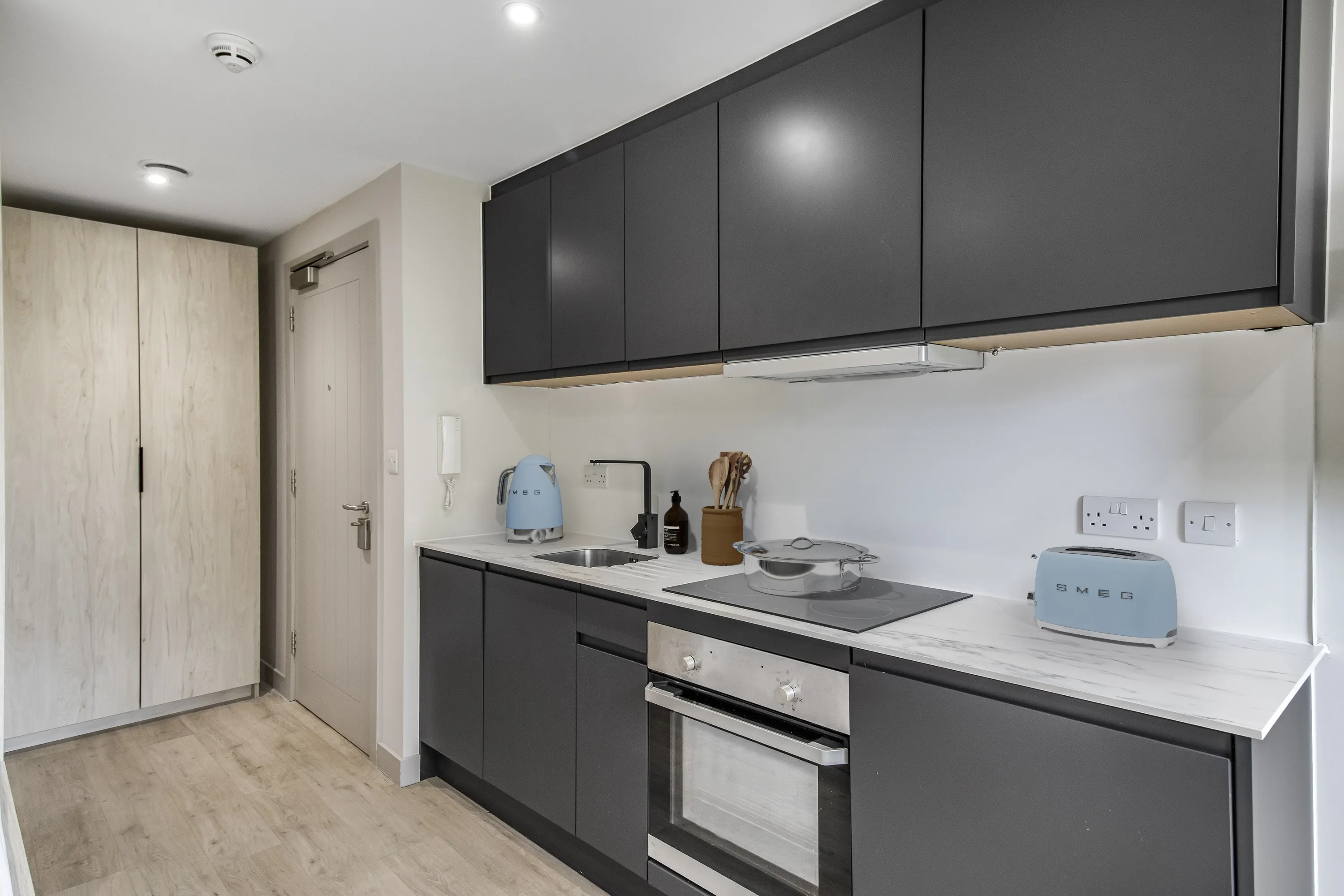
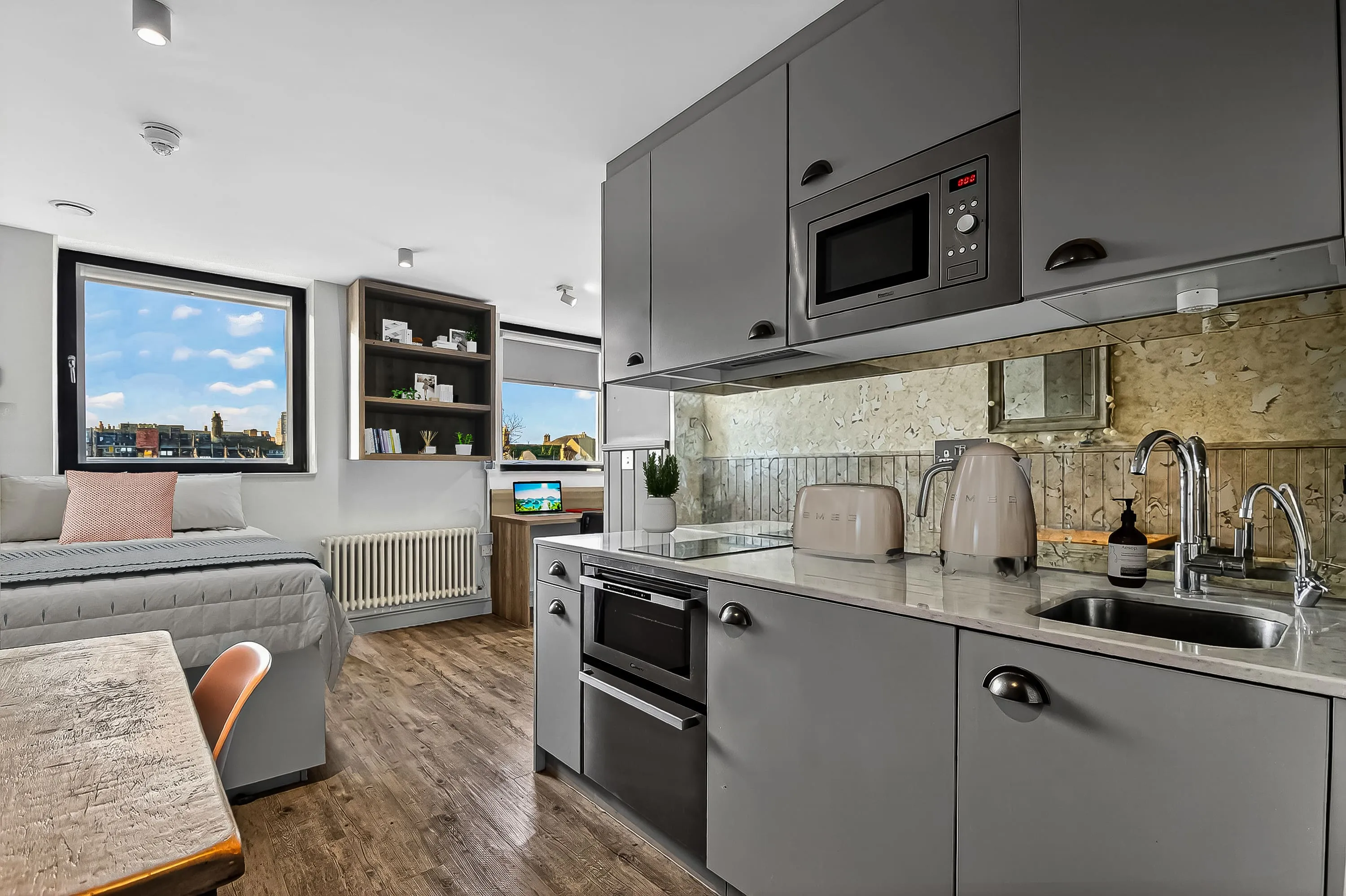
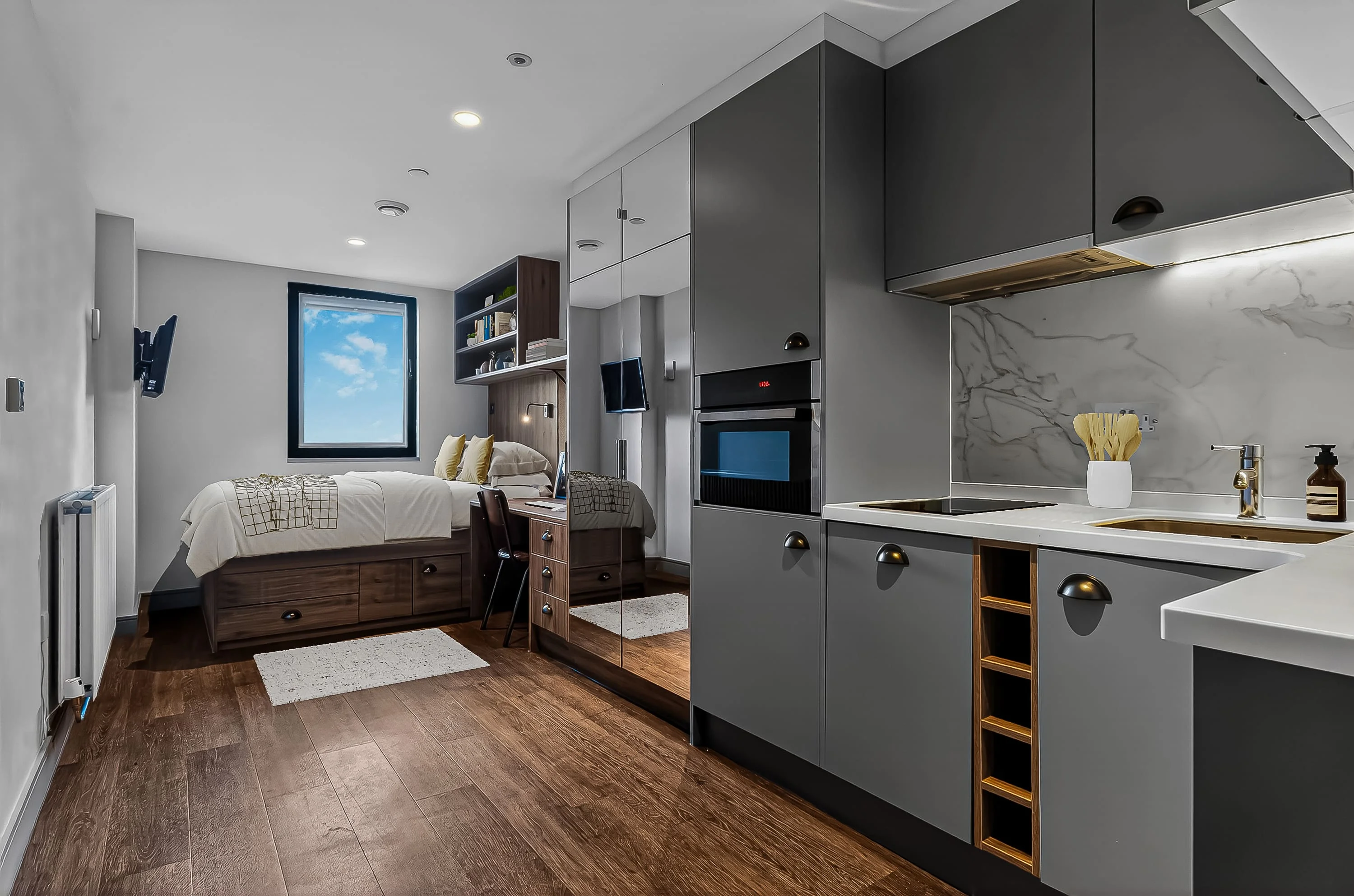
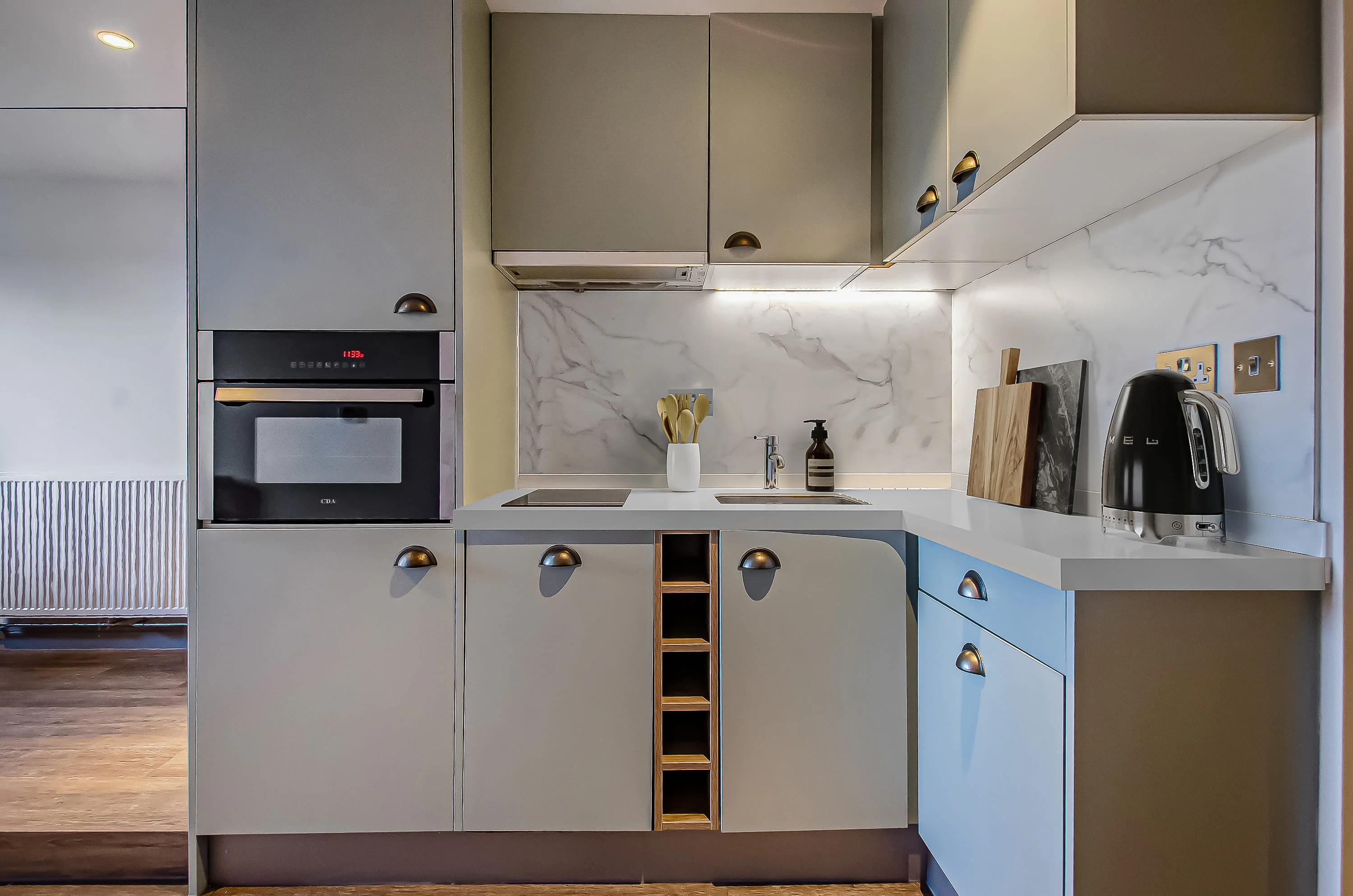
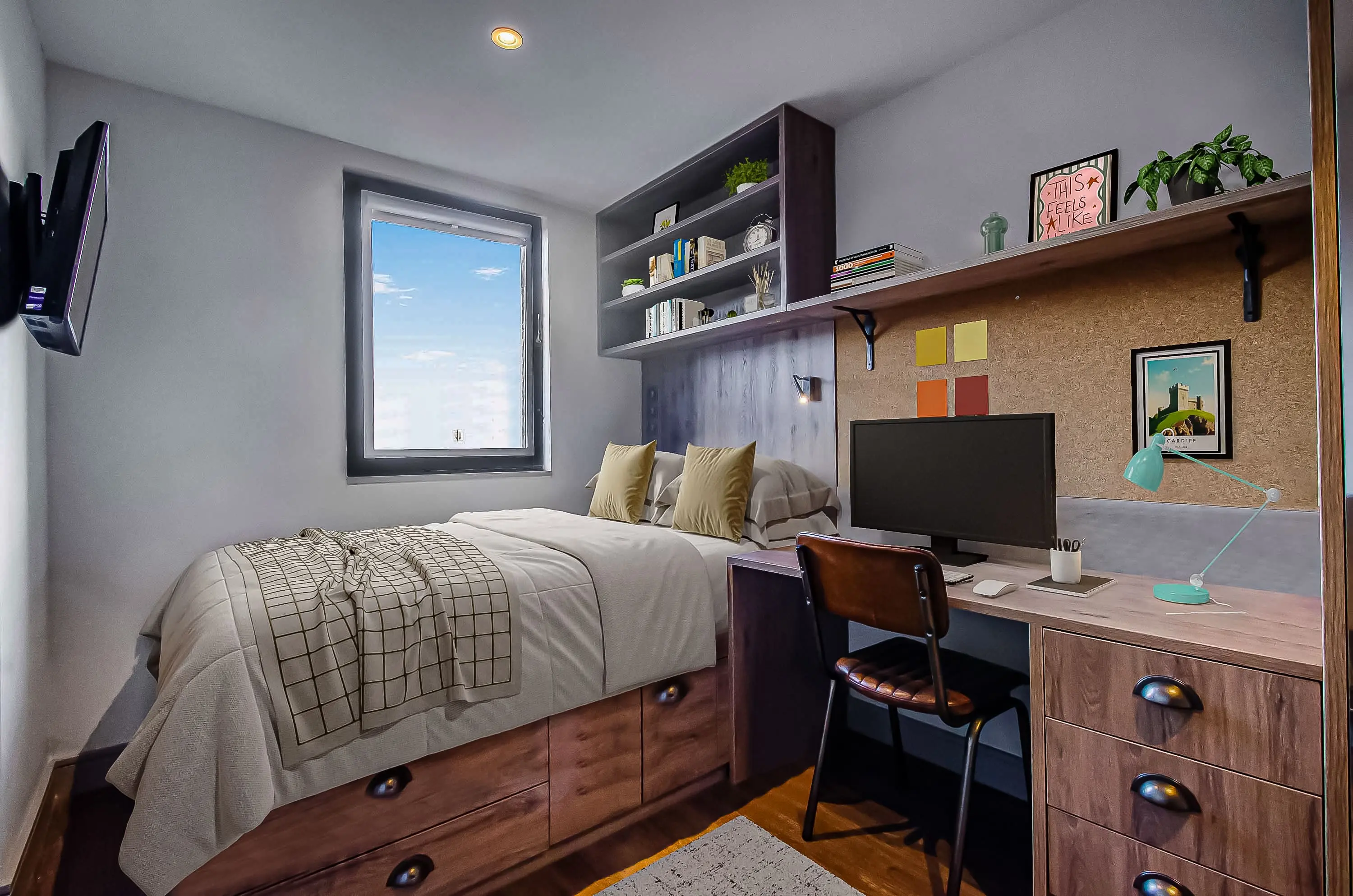
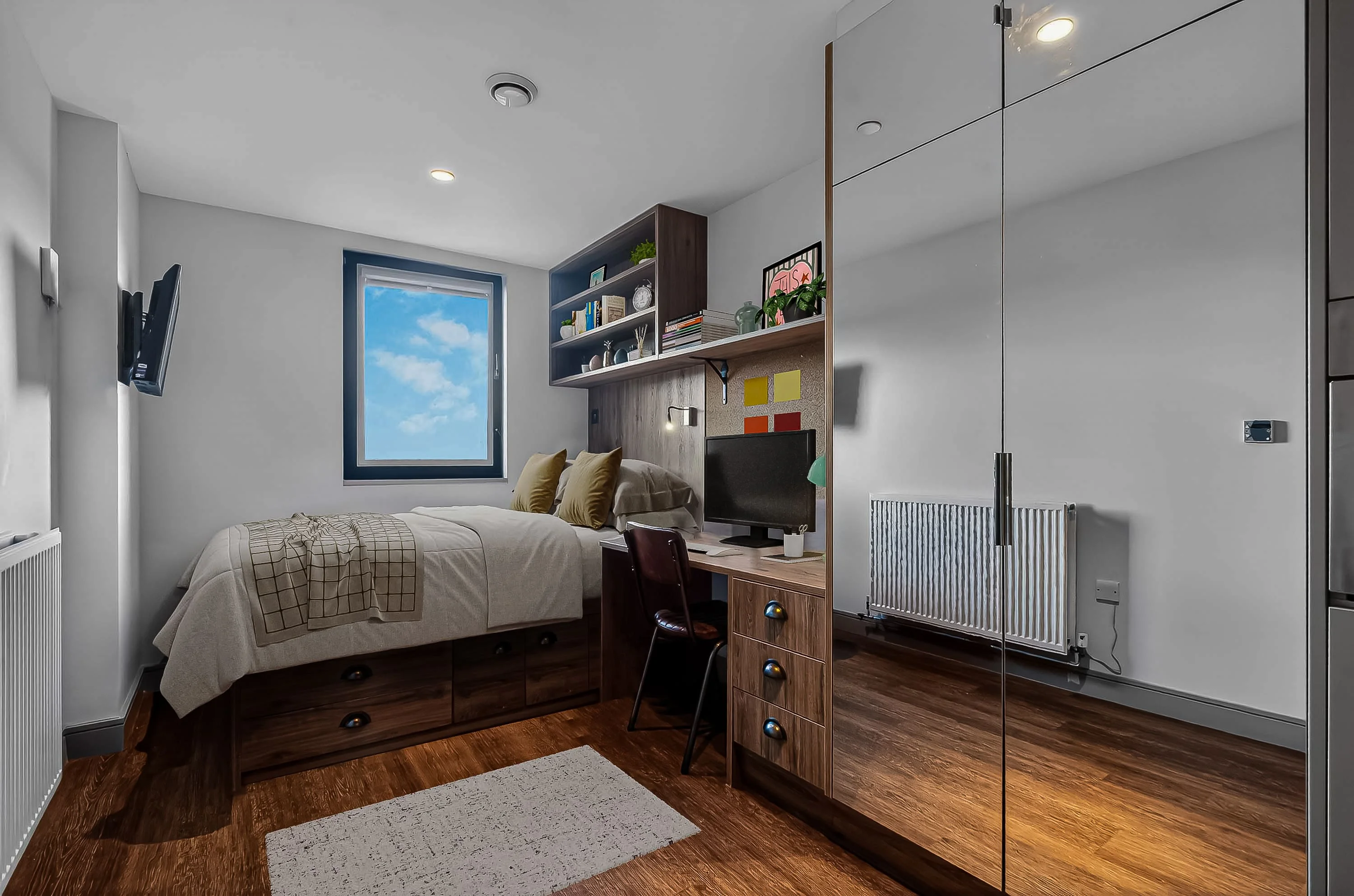
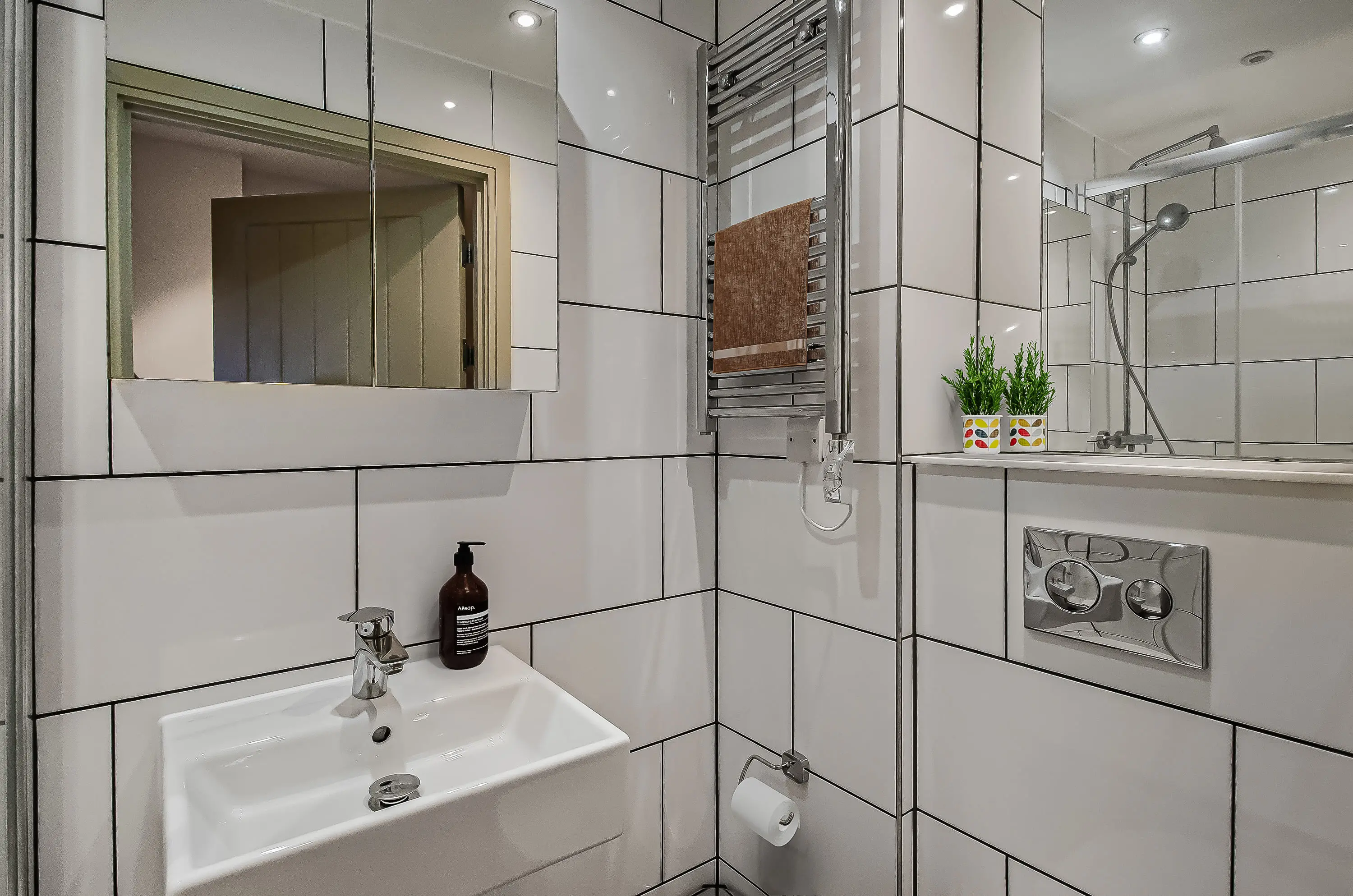
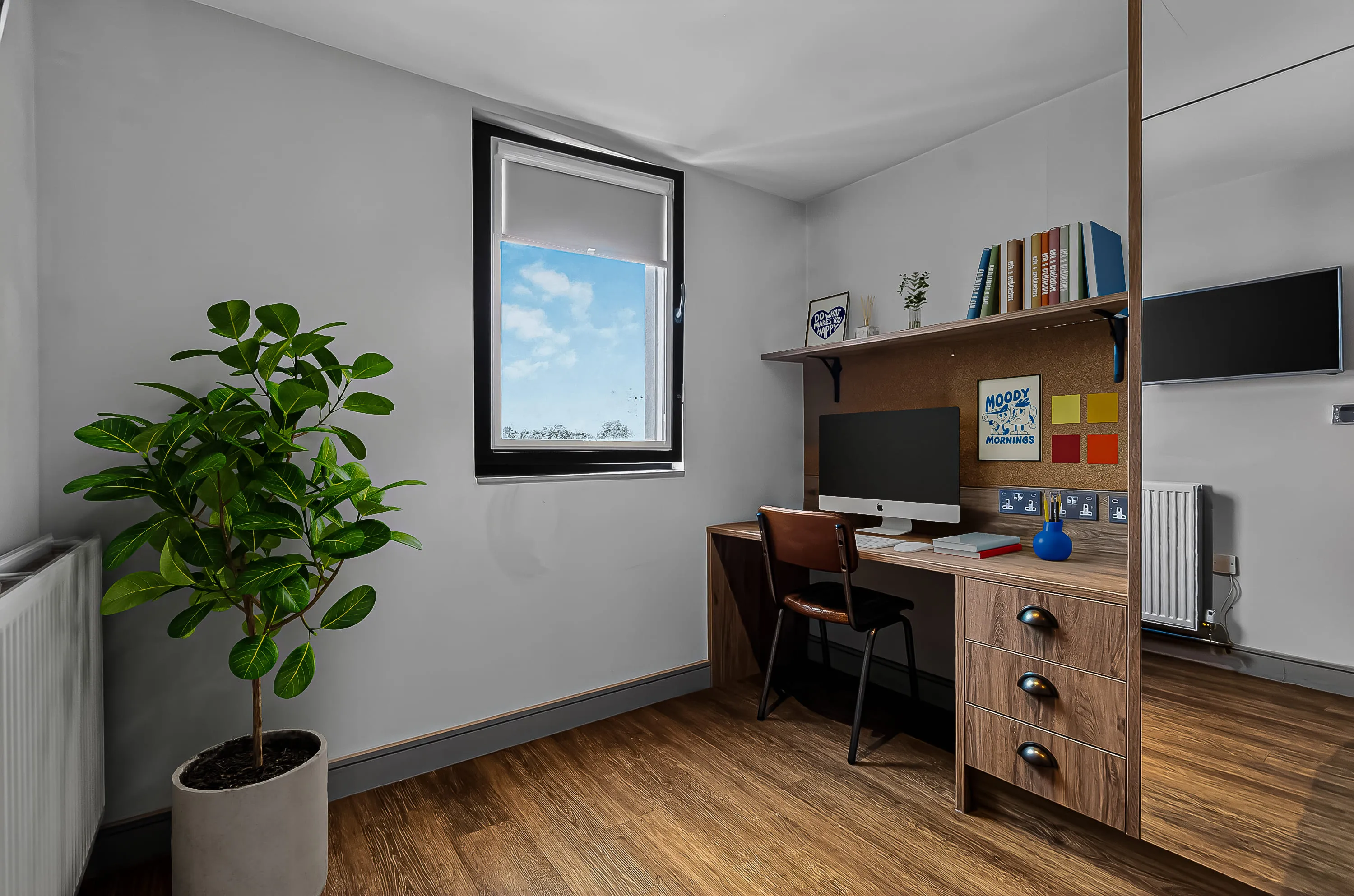
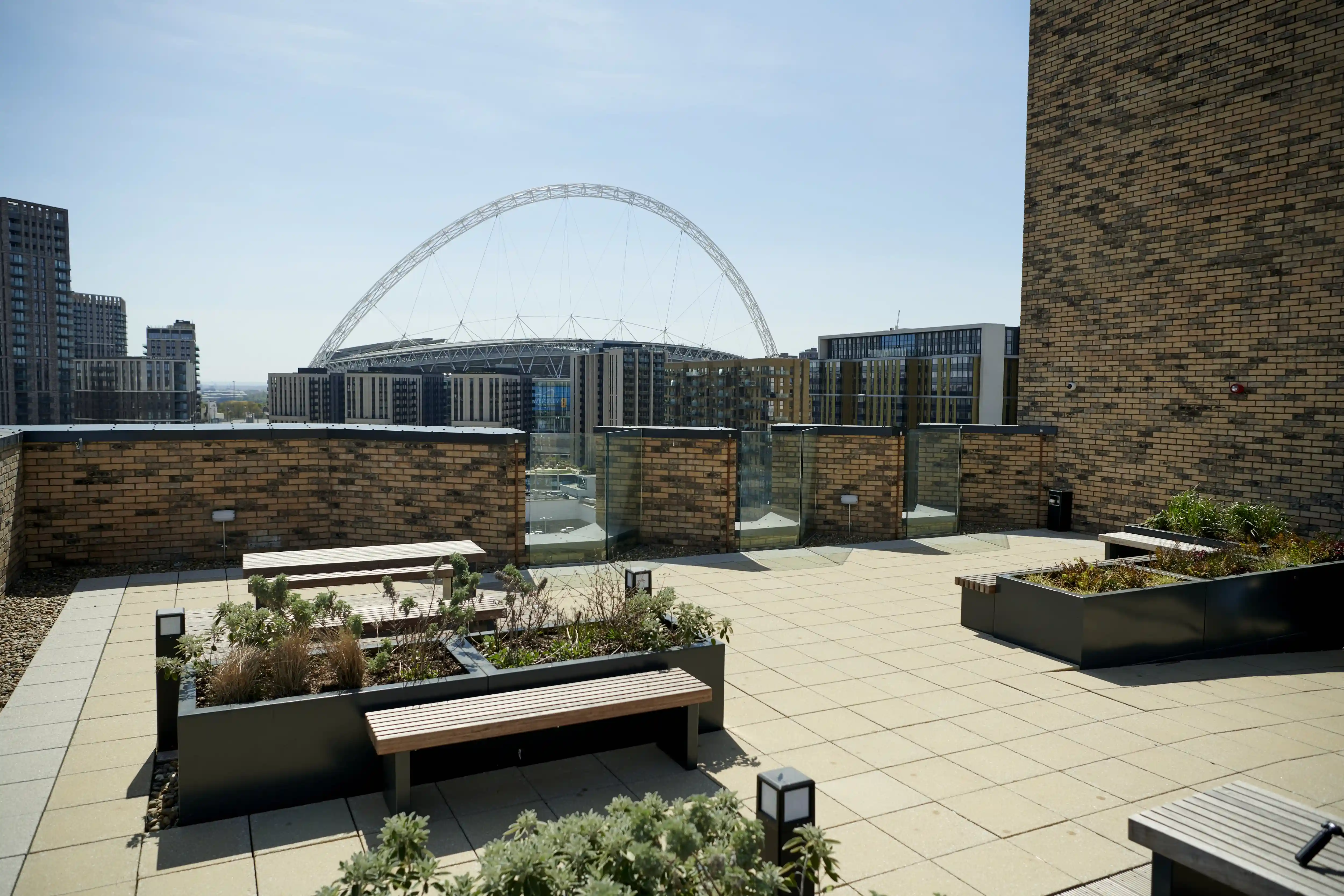
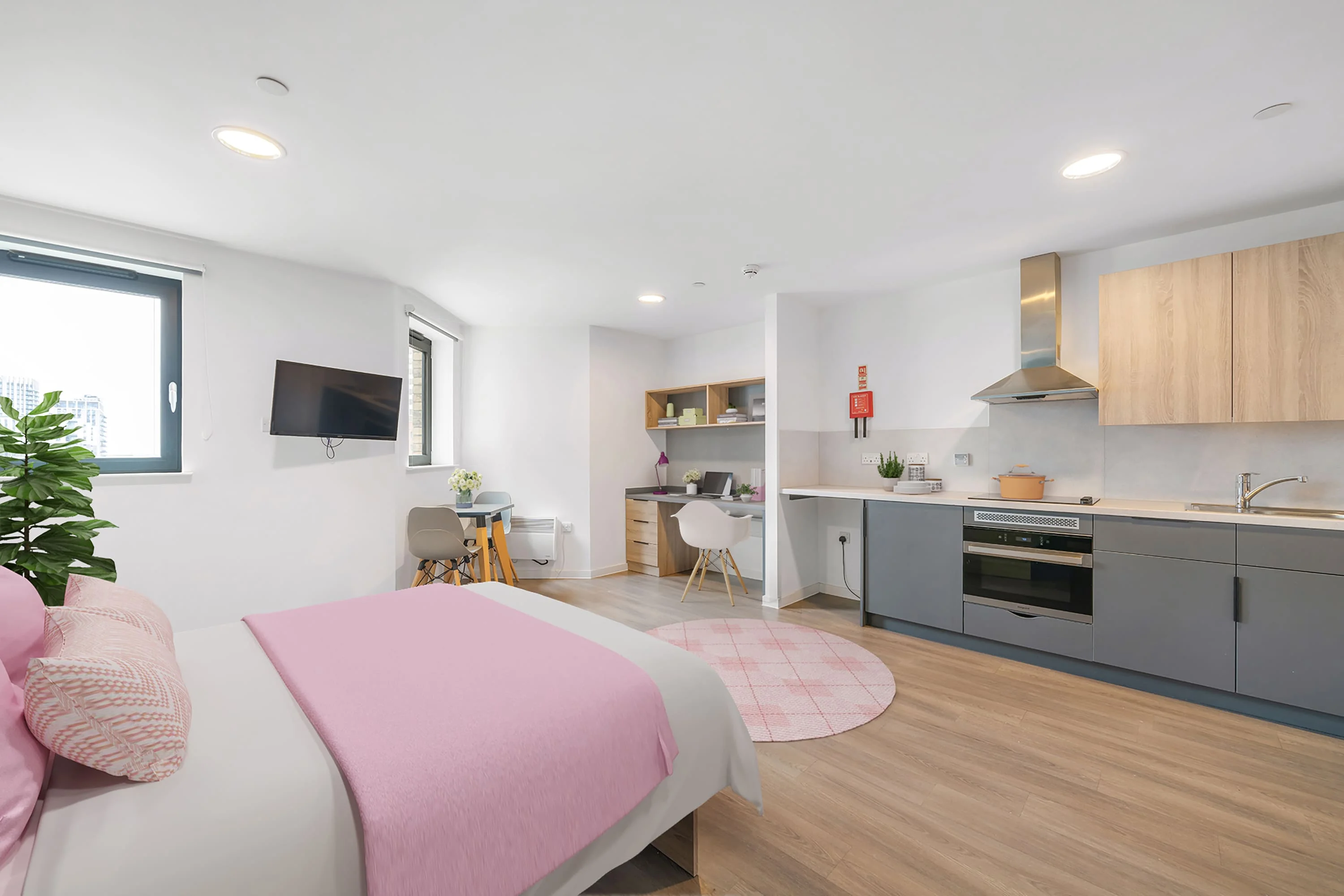
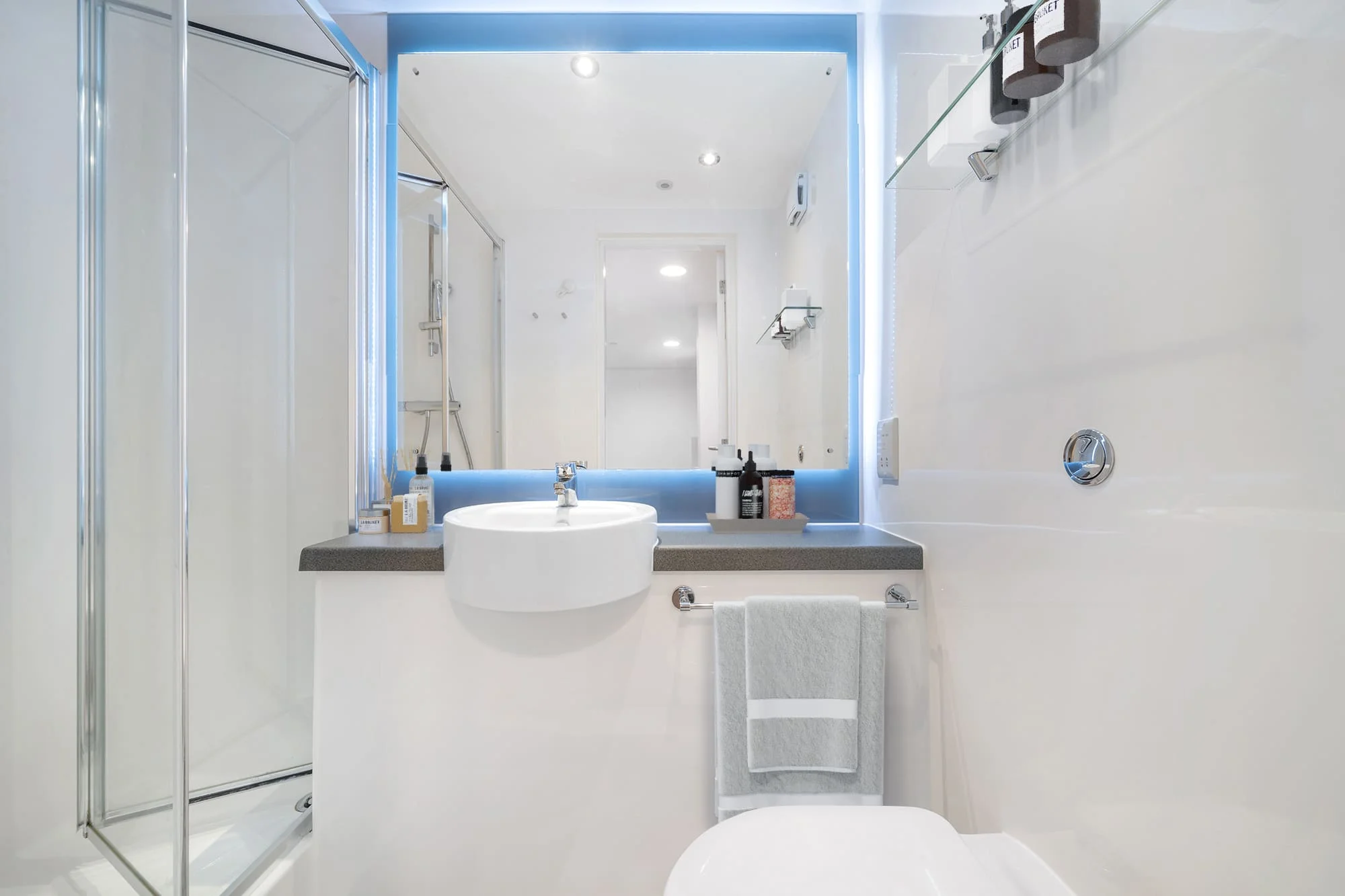
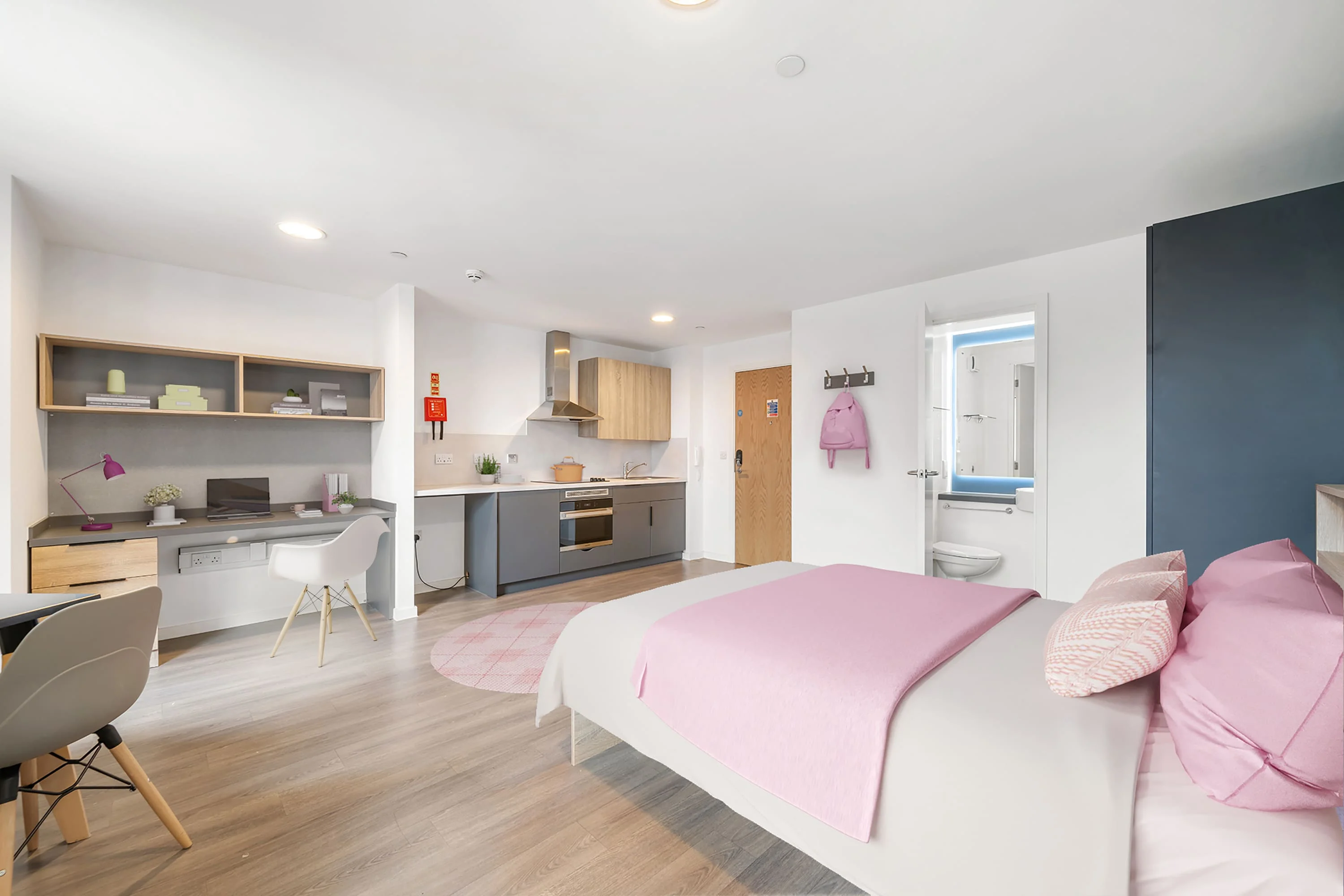
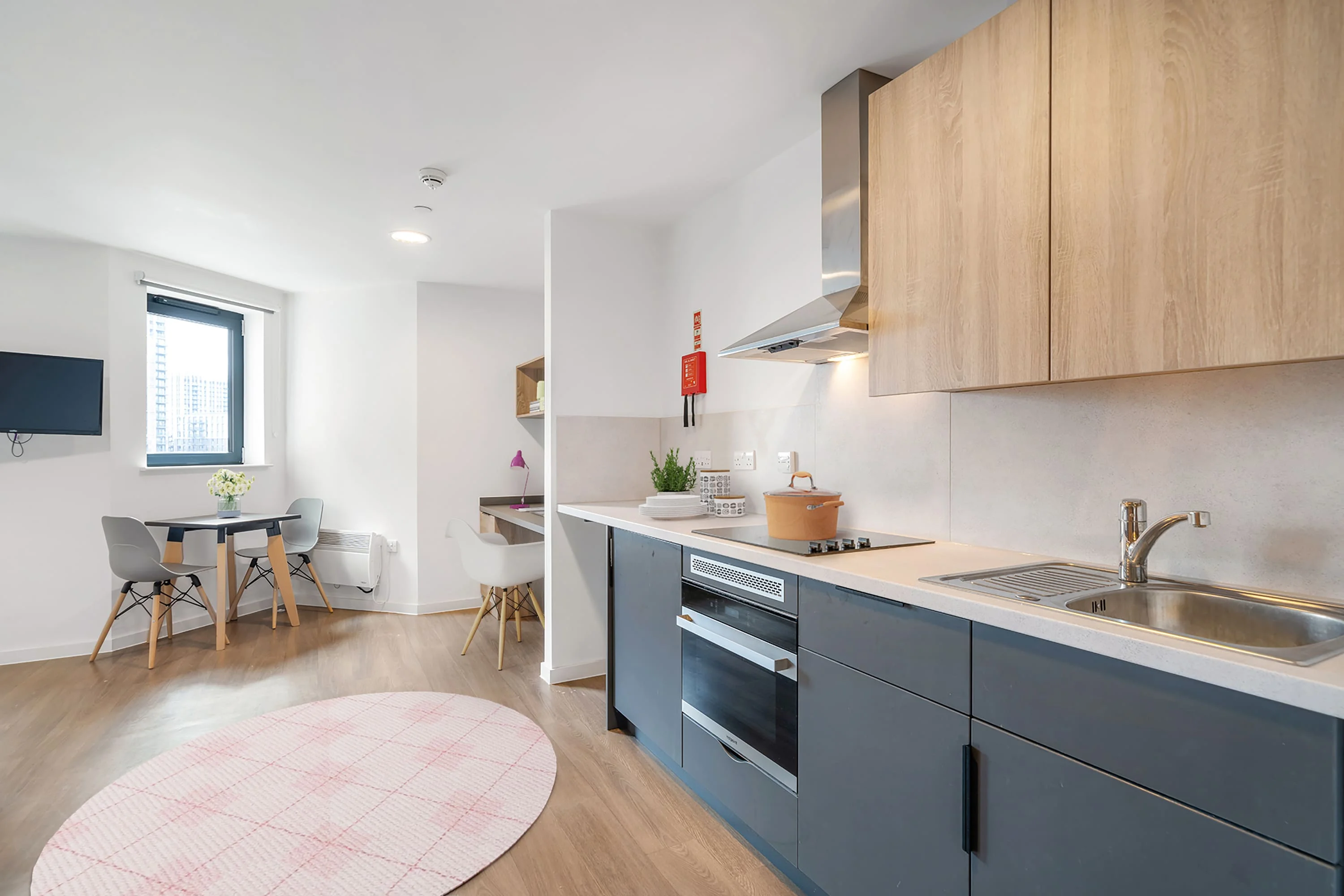
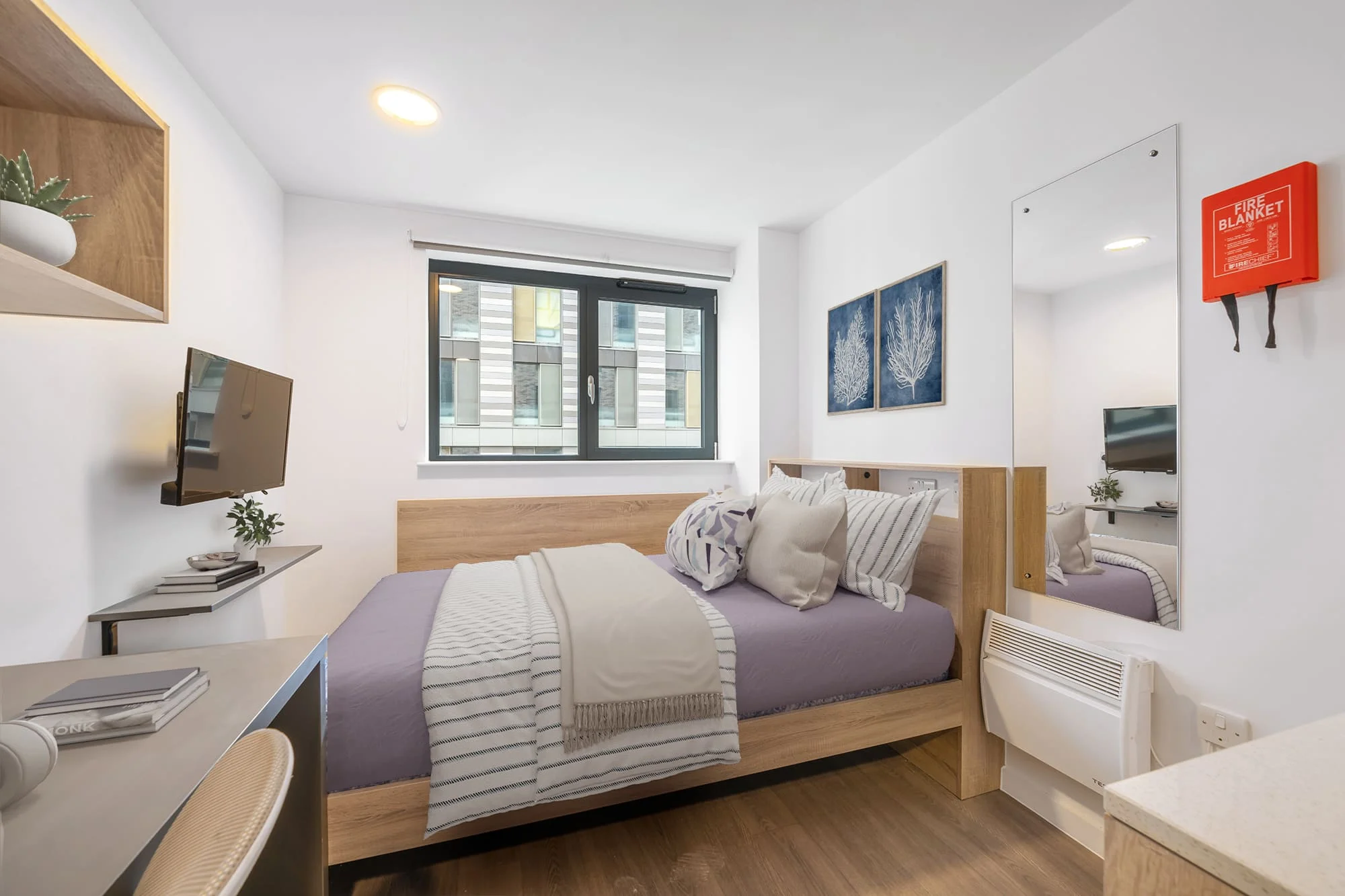
Havannah House, Glasgow G4 0AS
1/10
Available
Price TBA

Havannah House, Glasgow G4 0AS

16 Havannah Street, Glasgow G4 0AS, United Kingdom

Details →

The Cribs

Verified student homes near TECHNICAL UNIVERSITY OF BERLIN.
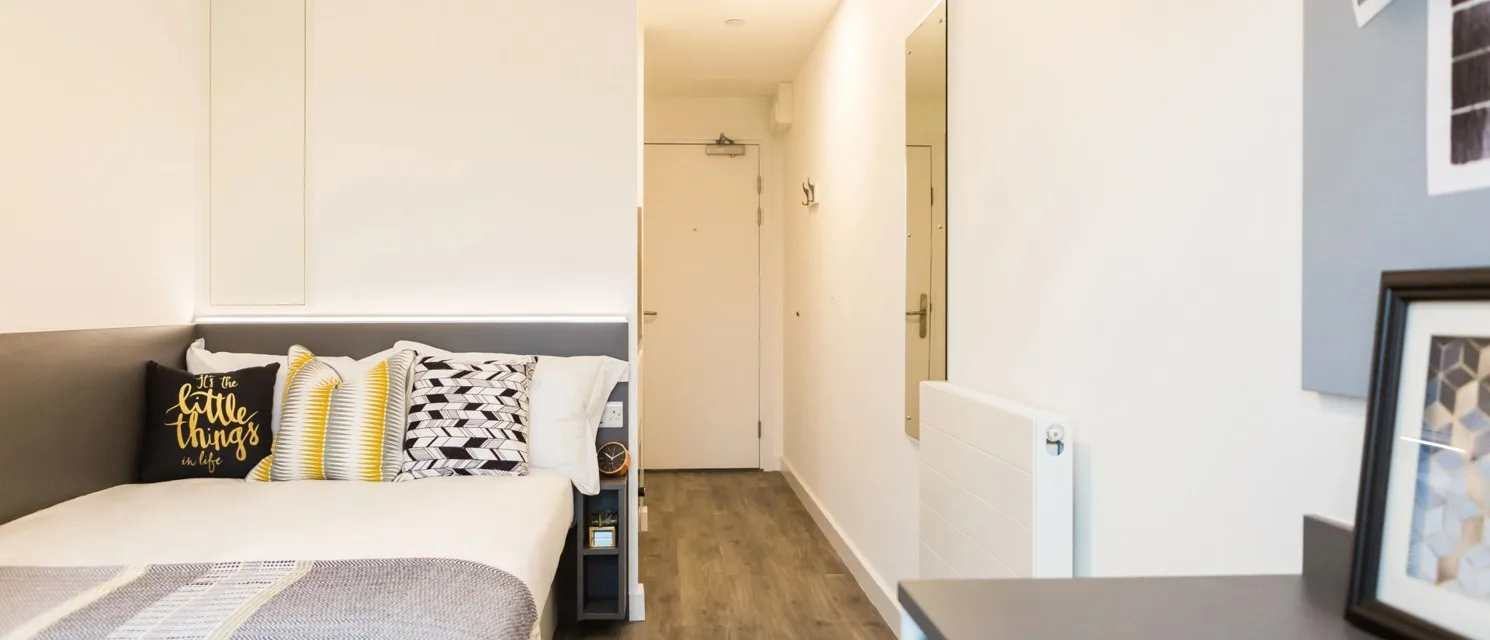
Havannah House, Glasgow G4 0AS
1/10
Available
Price TBA

Havannah House, Glasgow G4 0AS

16 Havannah Street, Glasgow G4 0AS, United Kingdom

Details →