UNIVERSITY
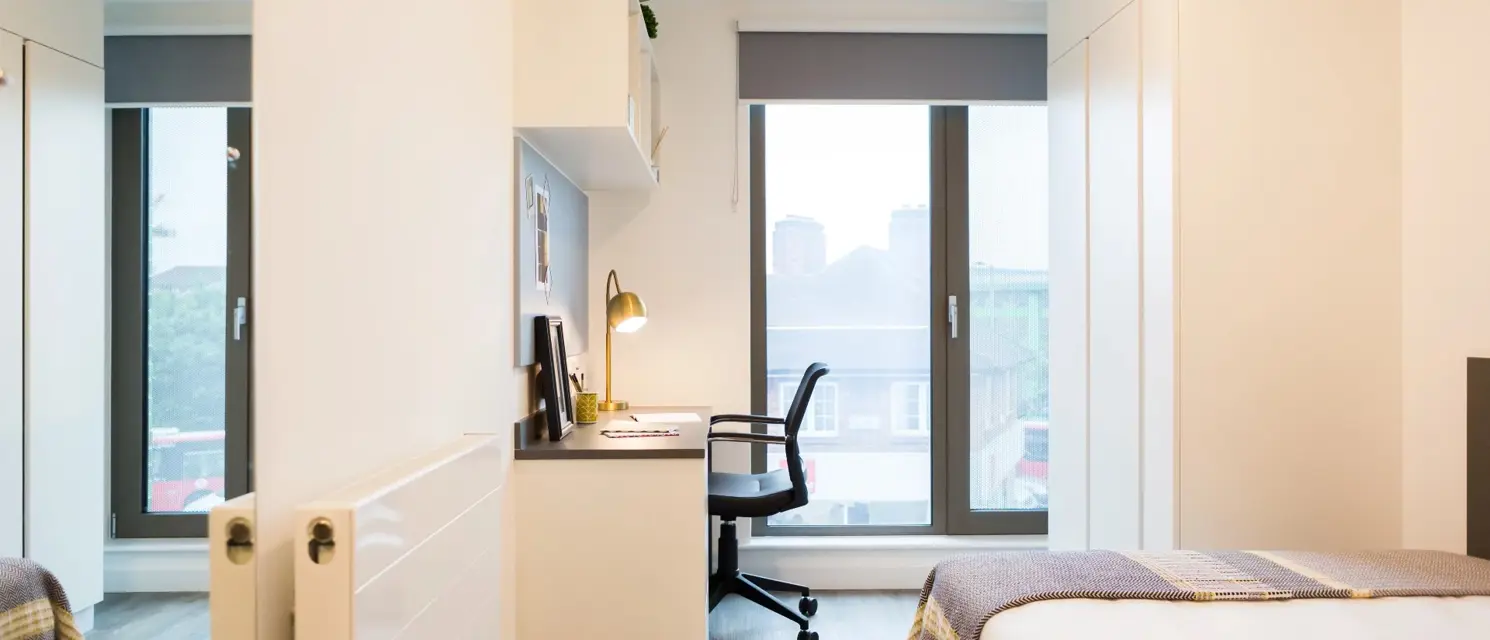
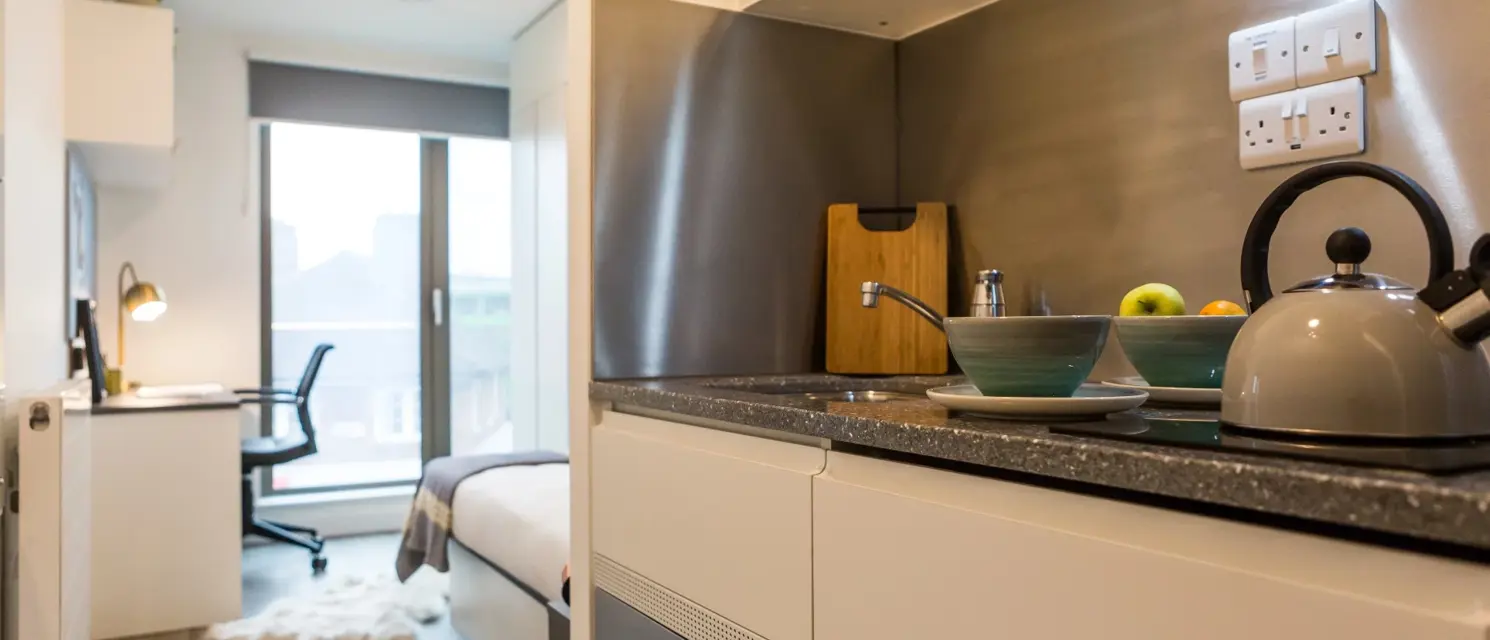
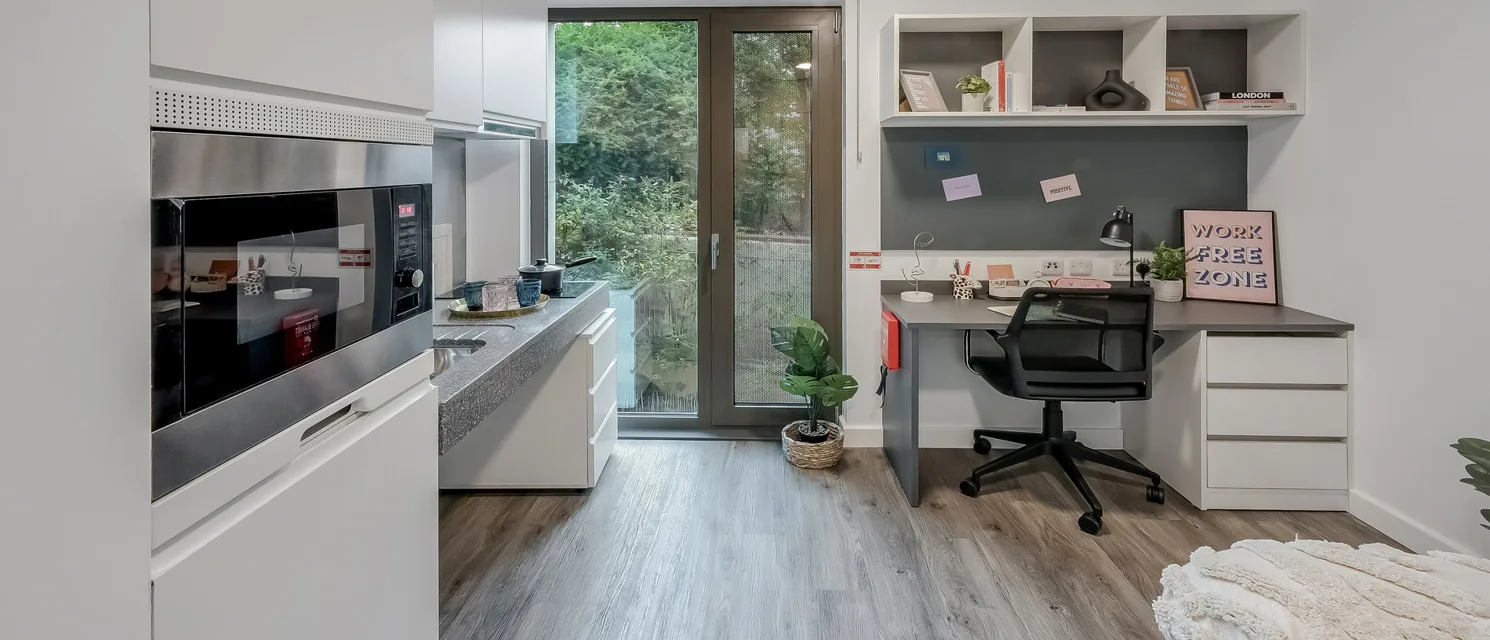
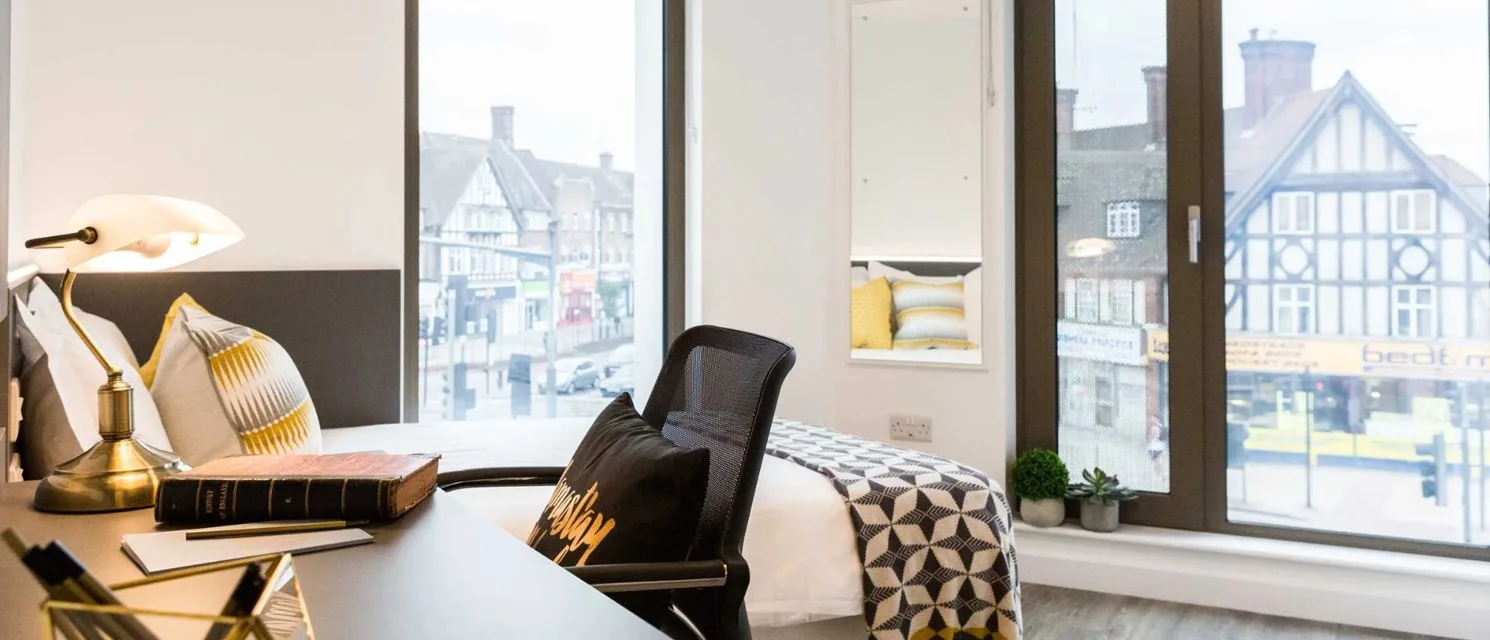
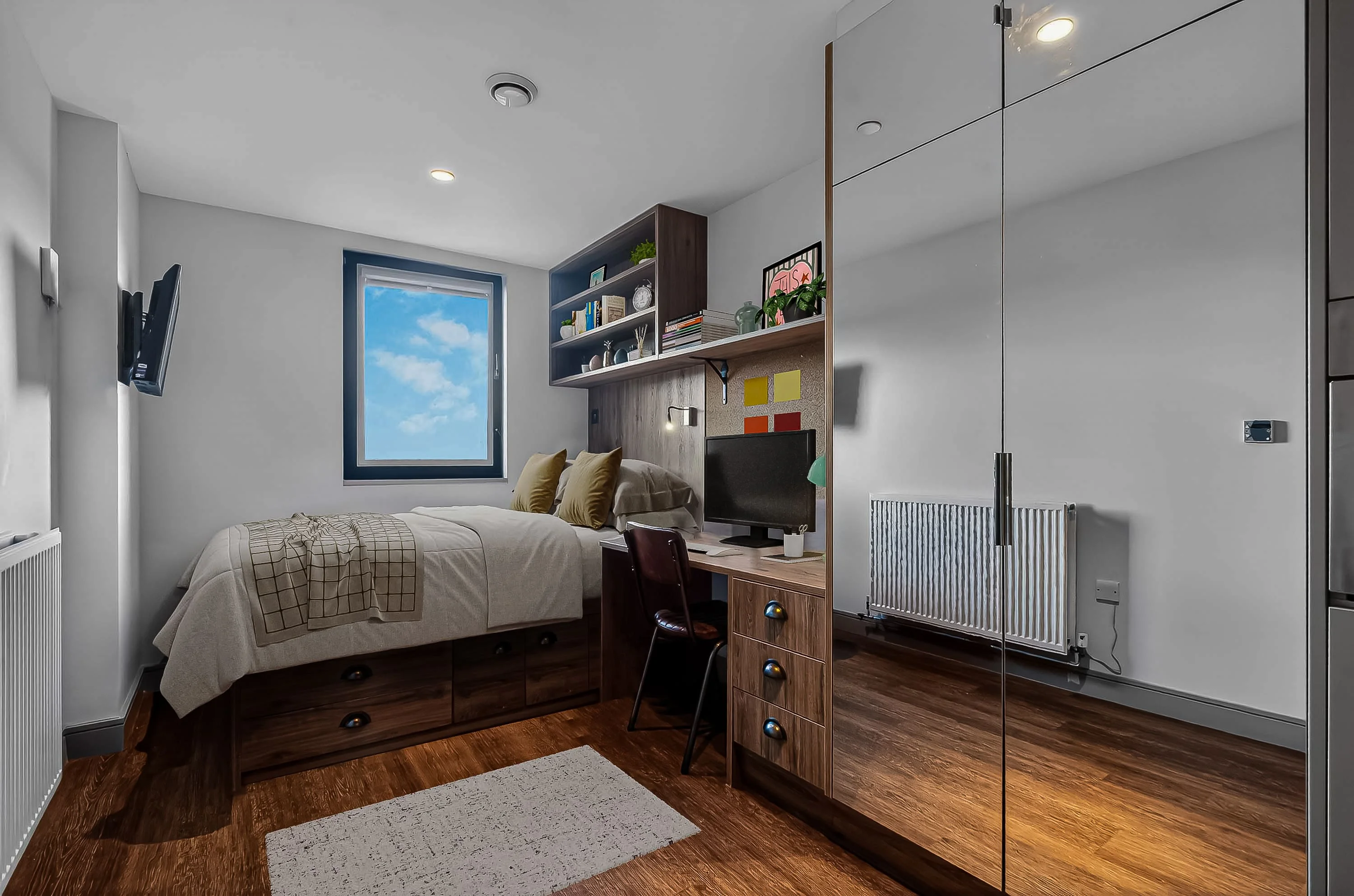
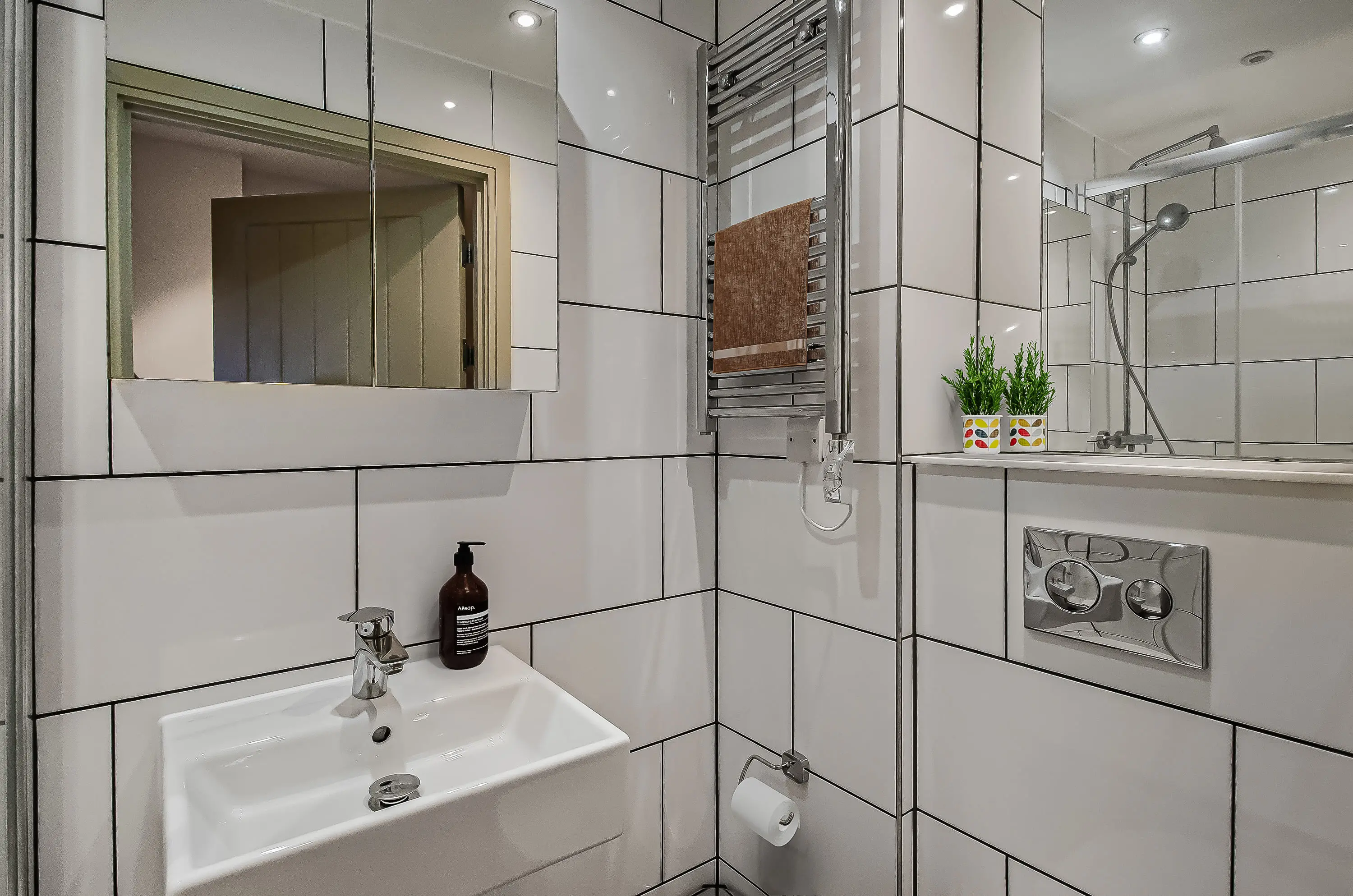
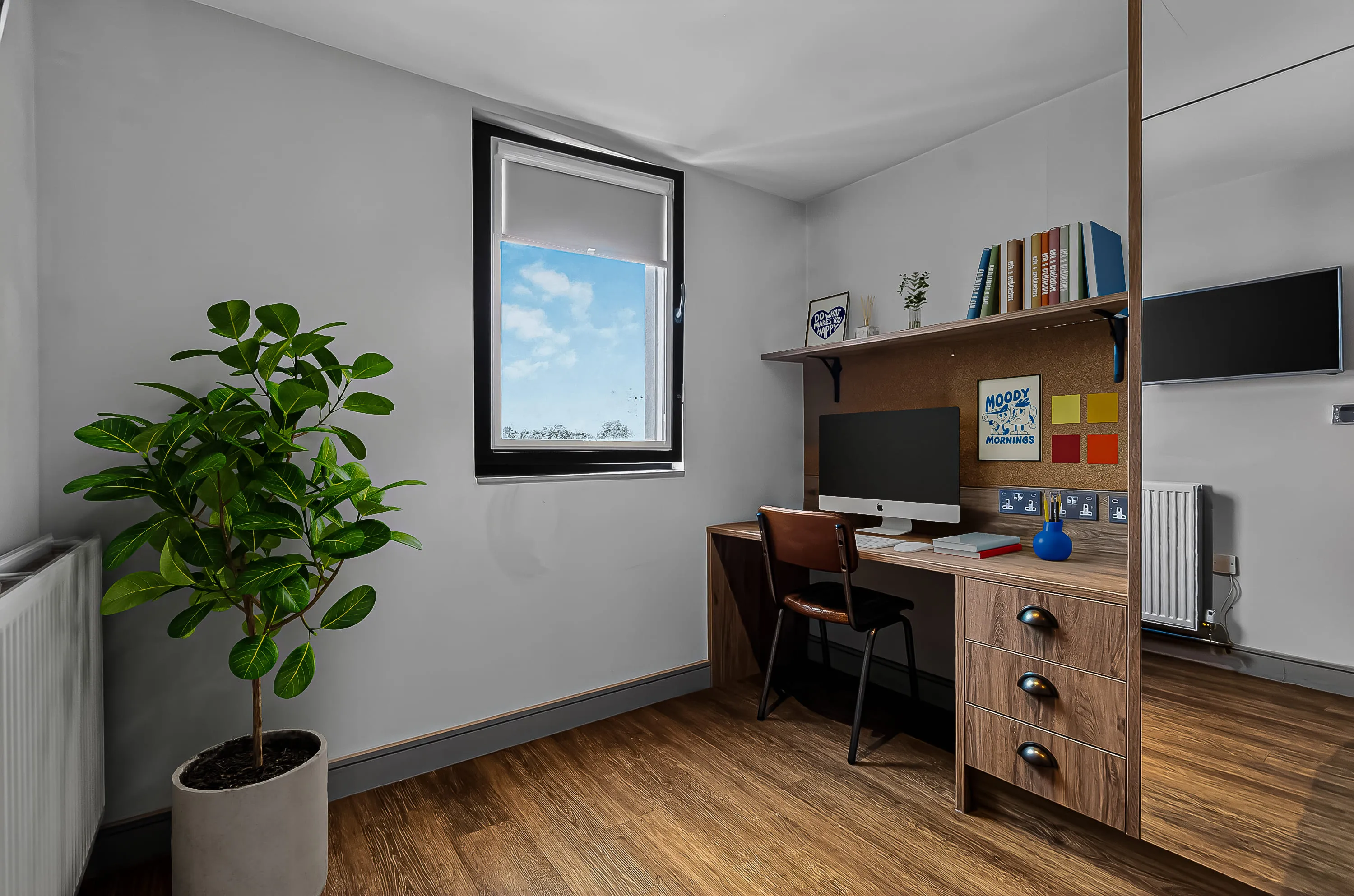
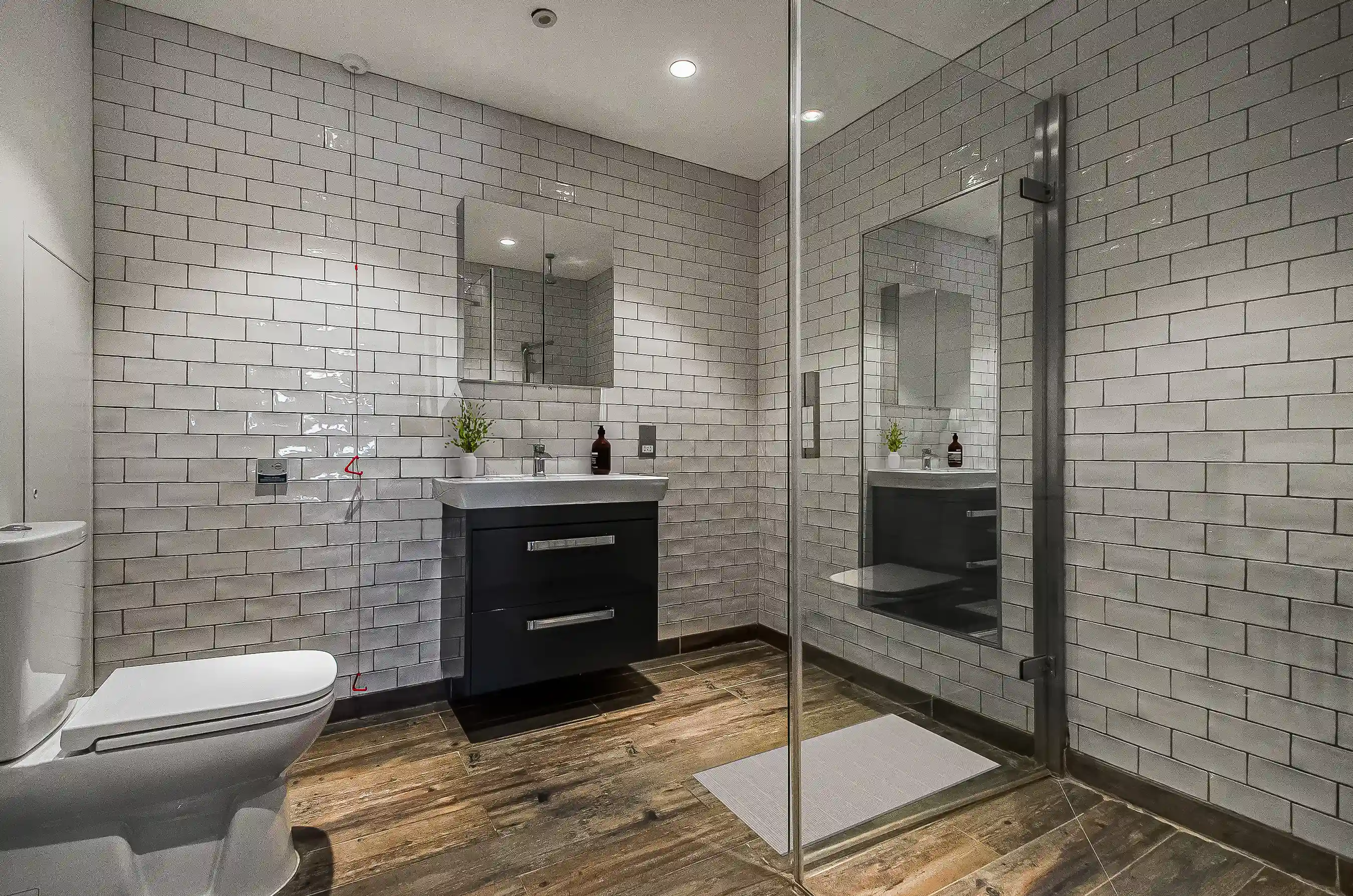
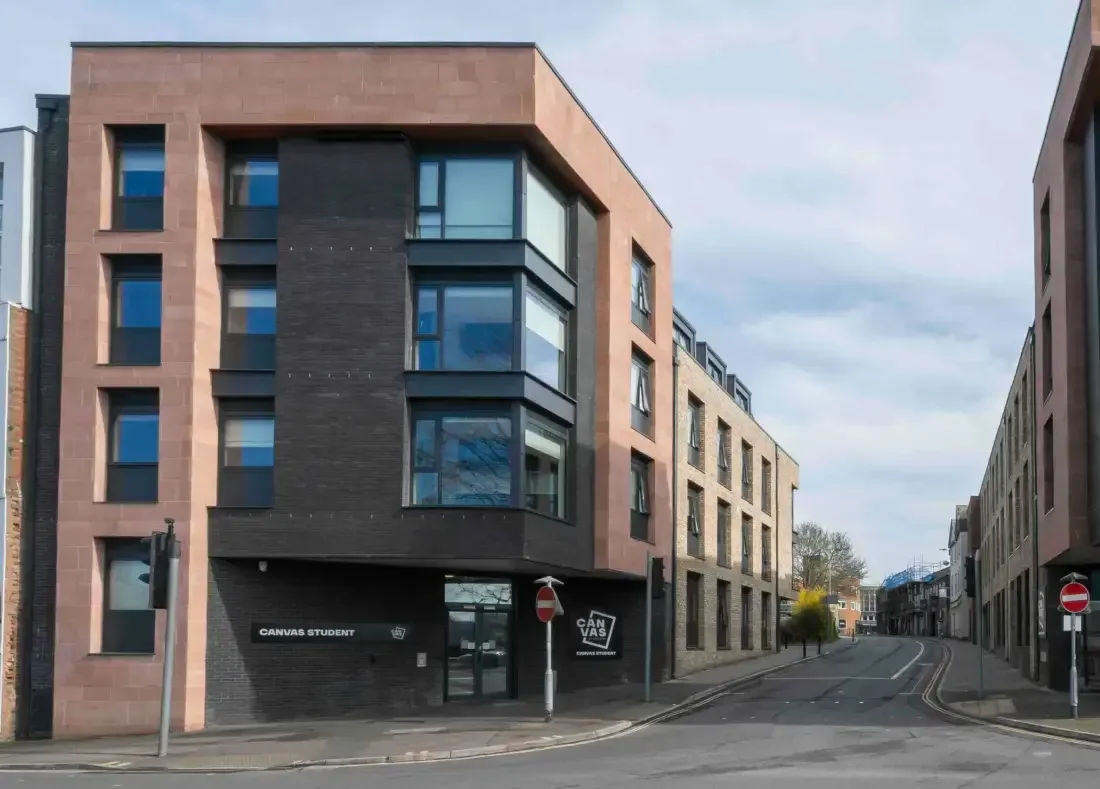
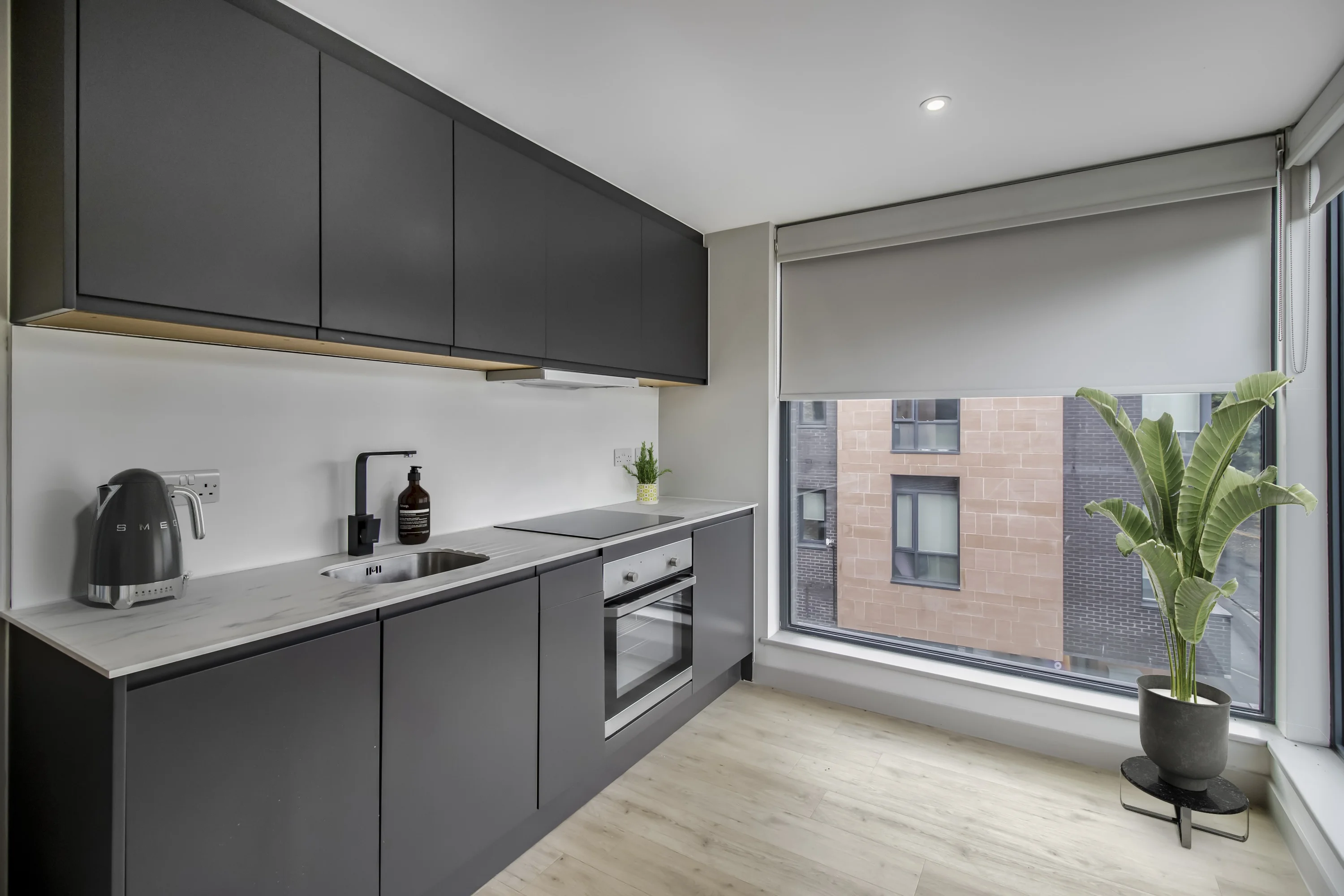
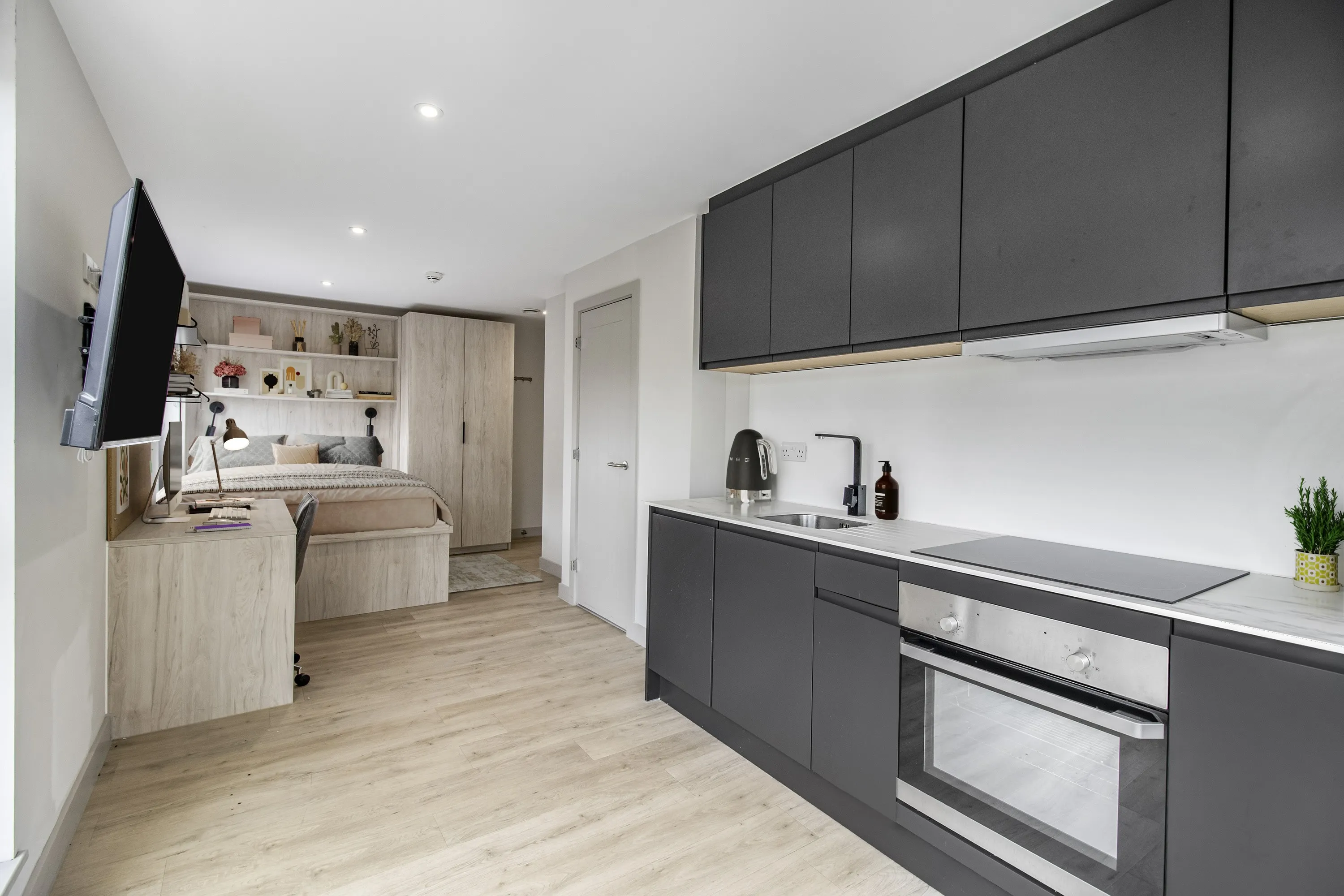
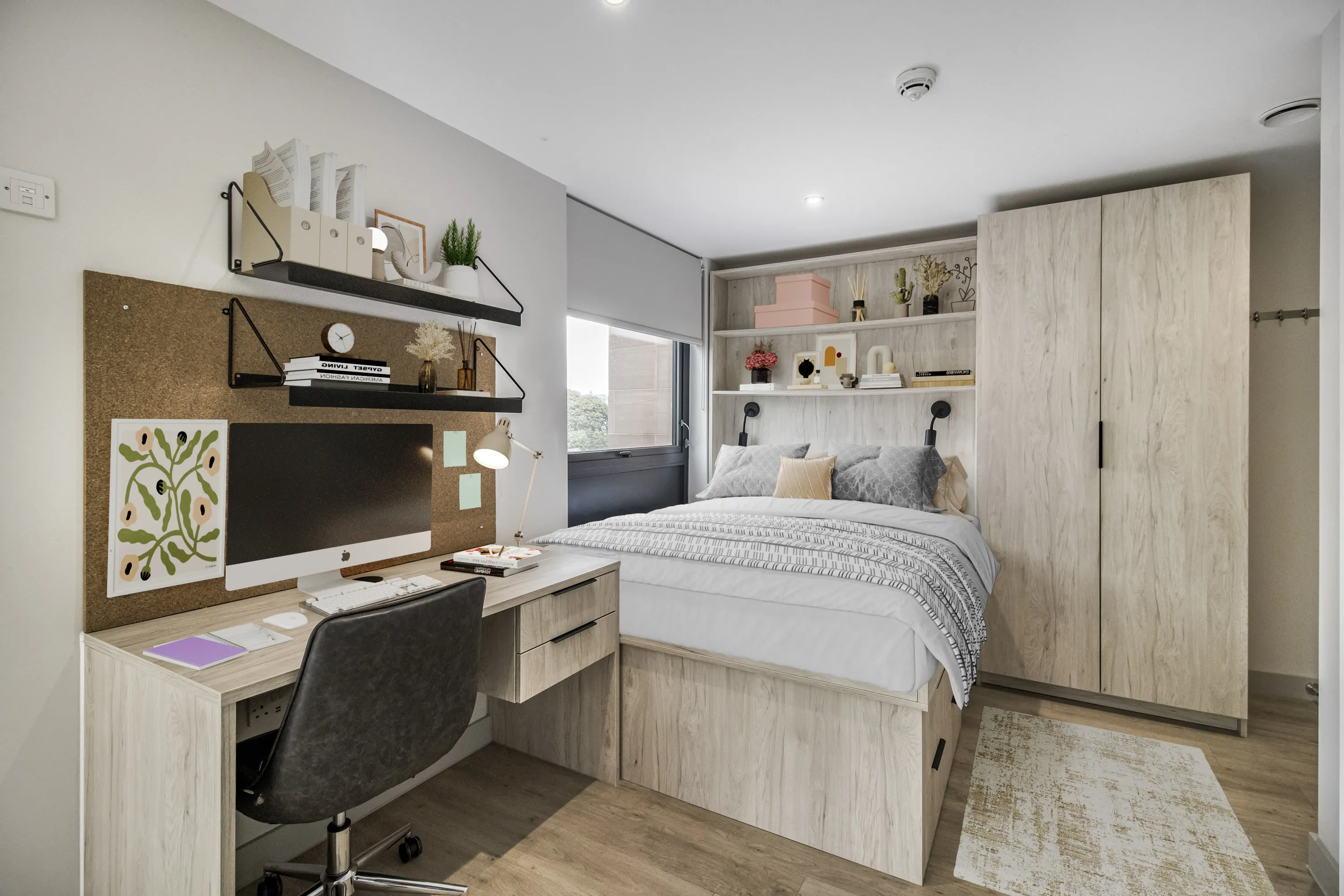
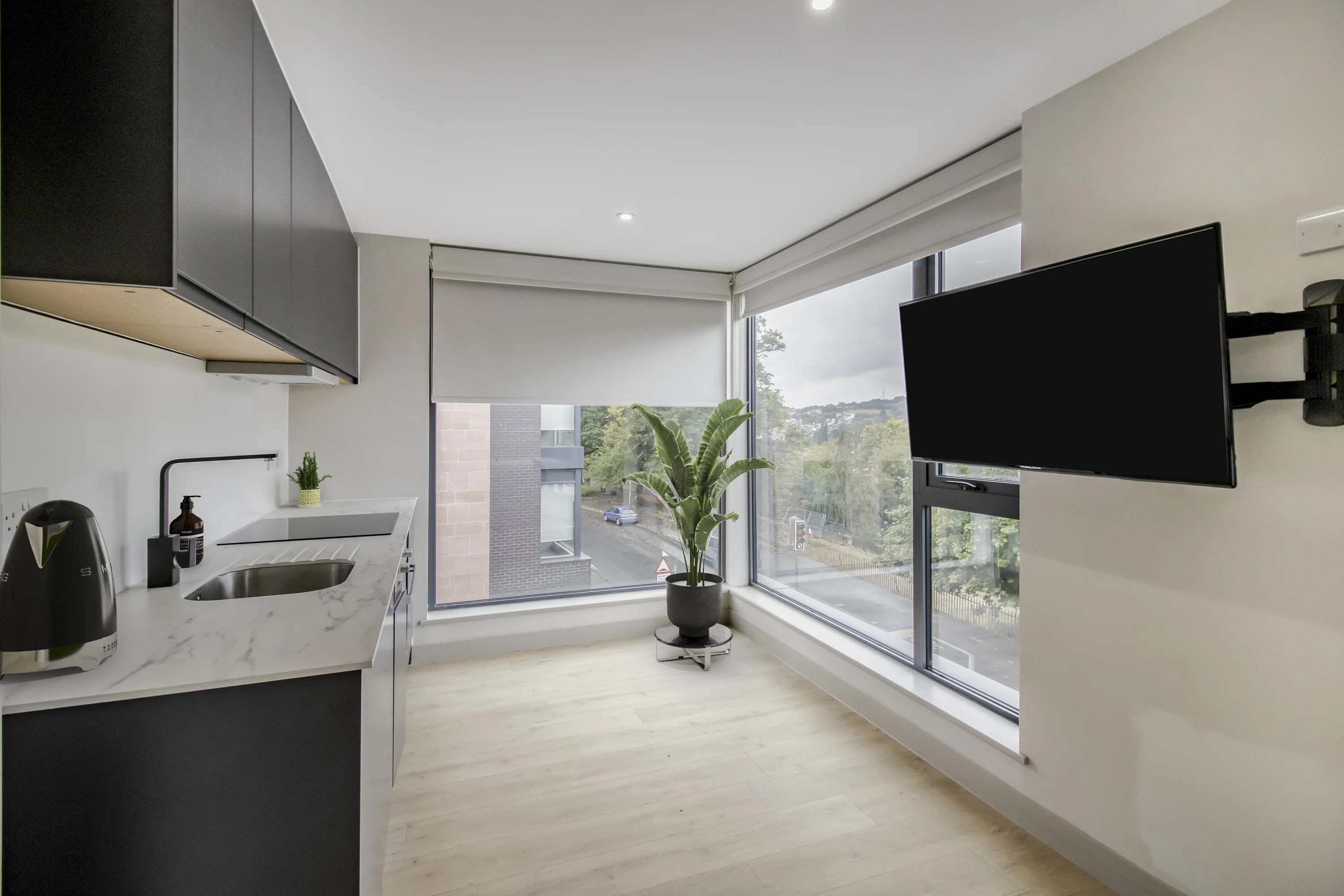
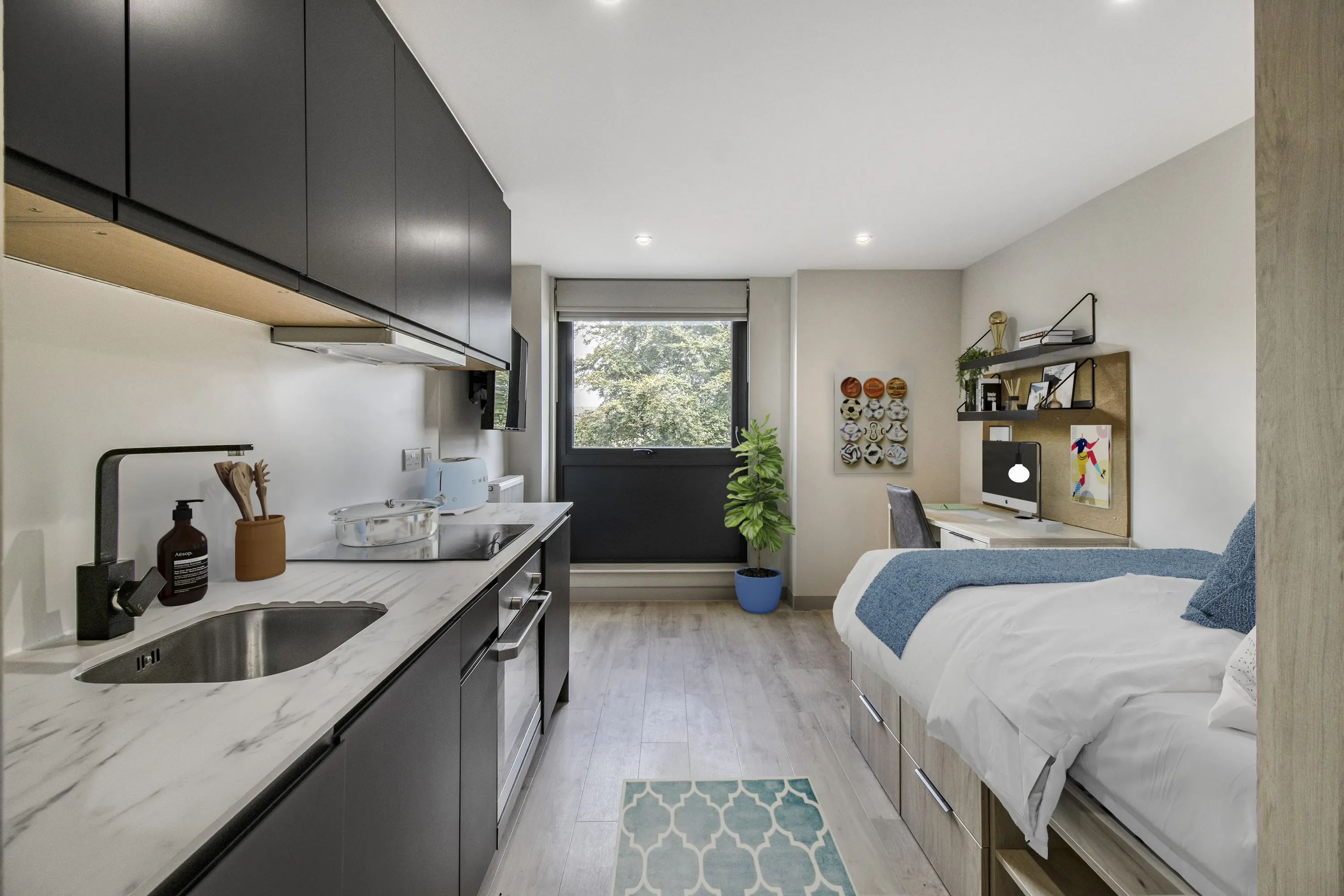
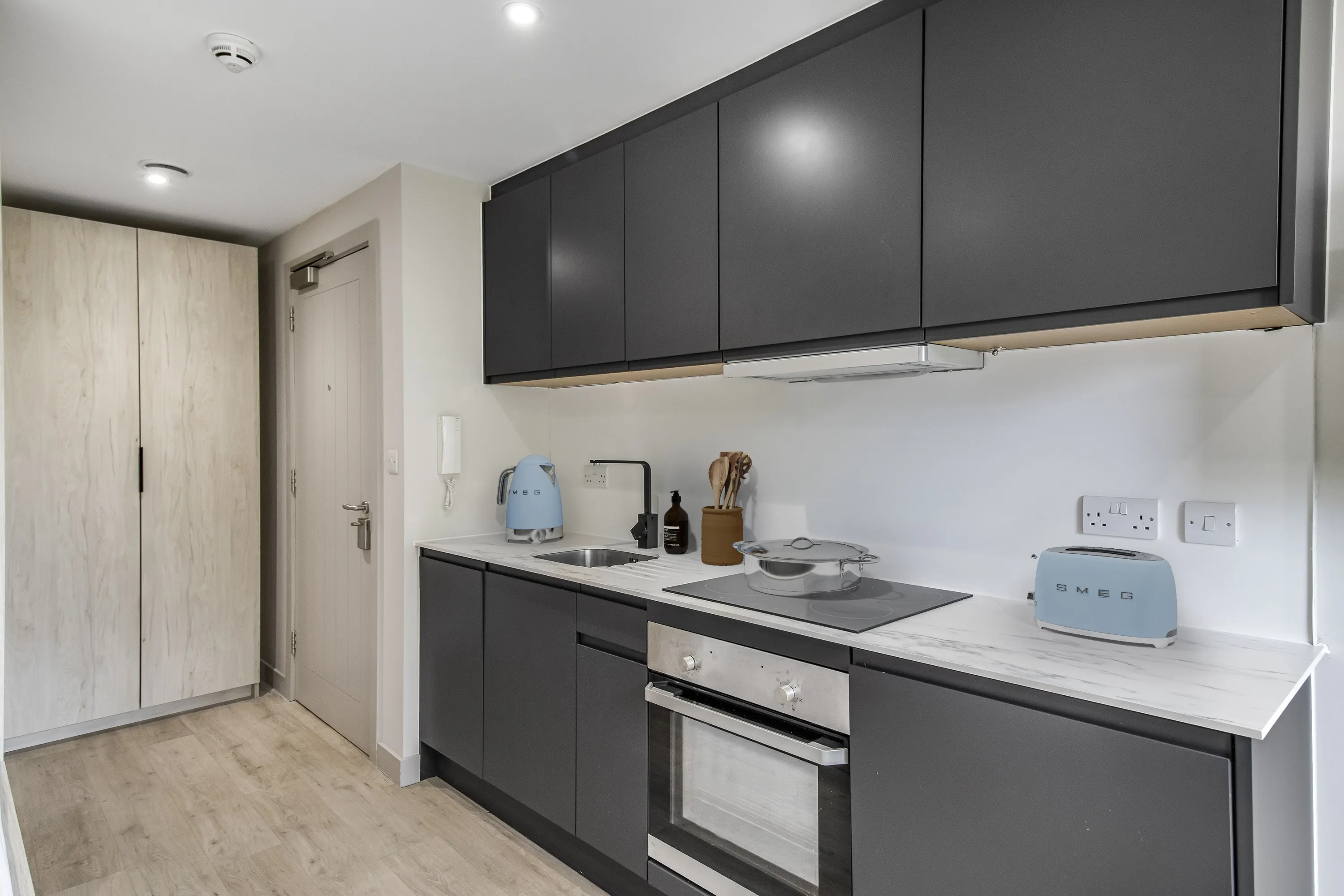
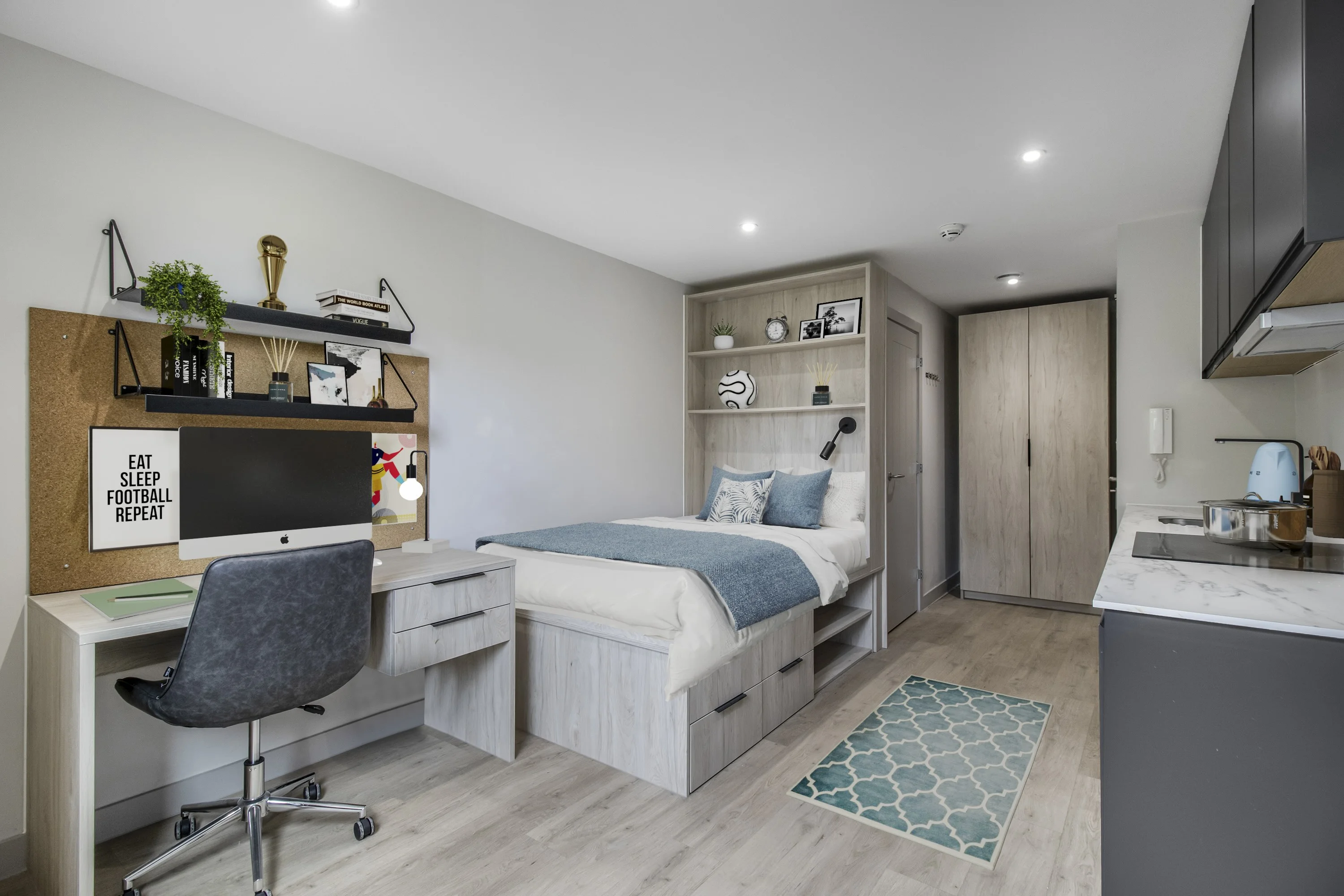
Built for University of Sussex students. Every property curated for Lewes Road, Moulsecoomb, Elm Grove, Round Hill & Brighton city centre.

Campus
Campus
Campus
ACOLYTE COMMUNITY
Verified student homes near University of SUSSEX.
Brighton's North Laine Indian Restaurants
8MThe North Laine area north of The Lanes has excellent South Asian restaurants and independent food spots — Curry Leaf Café and Chilli Pickle are Brighton's most celebrated Indian restaurants. An 8-minute train from Falmer.
The Lanes Cafés — Brighton
8MBrighton's famous Lanes are a maze of independent shops, jewellers, and cafés — wandering through them is an experience unique to Brighton. Small Batch Coffee is the definitive Brighton coffee institution, with multiple locations including one near the station.
Brighton Beach Fish & Chips
8MSitting on the Brighton shingle with fish and chips from Bardsley's or Master Fisherman — the most quintessentially English student evening. The beach is 8 minutes from Falmer and entirely free. Can be reached directly from campus in under 30 minutes including the walk to Falmer station.
EARN CASH FOR REFERRALS
Tell a friend — and earn real cash — paid straight to your bank
Refer Now →Student Ambassador
University of SUSSEX
Research Assistant
Sussex Research Departments
Barista / Café Staff
North Laine / Lewes Road cafés
Hospitality / Events Staff
Brighton Festival / venues
Tutor / Mentor
Tutorful / Self-employed
Library Assistant
Sussex Library Services
We created the Acolyte Scholarship to give international students — including Sussex students — a meaningful head start on the biggest financial challenge of studying abroad: the cost of housing.
Lewes Road is the most practical corridor — connecting Falmer campus to Brighton city centre with direct buses (25, 28, 29) running frequently. Moulsecoomb is the closest and most affordable area to the campus itself, with Moulsecoomb railway station nearby. Elm Grove and Round Hill are popular with students who want a more characterful Brighton neighbourhood closer to the city centre. Brighton city centre suits those who want maximum access to the beach, Lanes, and nightlife with an 8-minute train to Falmer.
Falmer railway station is directly opposite the south side of the campus — 8 minutes by train to Brighton station. Buses 25, 28, and 29 also run from the campus into Brighton city centre in 20–30 minutes. A Unizone ticket allows unlimited travel around Brighton and Hove by train and bus — excellent value for students who commute between Falmer and Brighton regularly.
The Royal Pavilion is a palace built for King George IV in an Indo-Saracenic style — with minarets, onion domes, and Mughal-influenced interiors — in the middle of Brighton. It's one of the most surprising buildings in England. For Indian students in particular, encountering this extraordinary Indian-influenced architecture in a South Coast English city is genuinely remarkable. Student-discounted entry. 8 minutes from Falmer station.
Yes. A third of Sussex students are international — from 160 countries — making the local rental market very experienced with overseas guarantors. Most Lewes Road and Moulsecoomb landlords accept international guarantors. Housing Hand is widely accepted for those requiring a UK-based guarantor.
October to November is the recommended start for the following September. Brighton is a competitive rental market for all residents — not just students — and the best properties on Lewes Road and in Moulsecoomb fill quickly. First-year students are guaranteed university accommodation on the Falmer campus if they apply by the deadline.
The University of Sussex is a leading research-intensive university situated on the edge of the South Downs National Park, near Brighton on the UK's south coast. Founded in 1961 as the first of the UK's new wave of 'plate glass' universities, it is known for its interdisciplinary approach and radical, progressive tradition.
Sussex hosts around 20,000 students from over 100 countries. The university has particular global renown in Development Studies, International Relations, Psychology, Media and Communications, and Business. It consistently ranks as the number one university in the world for Development Studies.
The location matters here too. Brighton is widely regarded as one of the UK's most vibrant, inclusive, and creative cities, with a massive independent arts scene, a legendary beachfront, and a genuinely diverse cultural offer.
Sussex offers students the best of both worlds: a self-contained, green campus community nestled in a national park, just a short train or bus ride away from the dynamic energy of central Brighton.
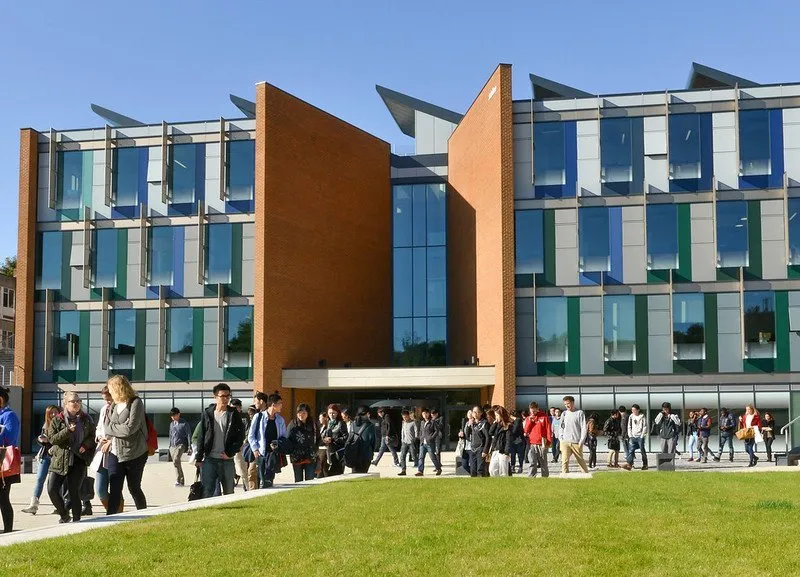
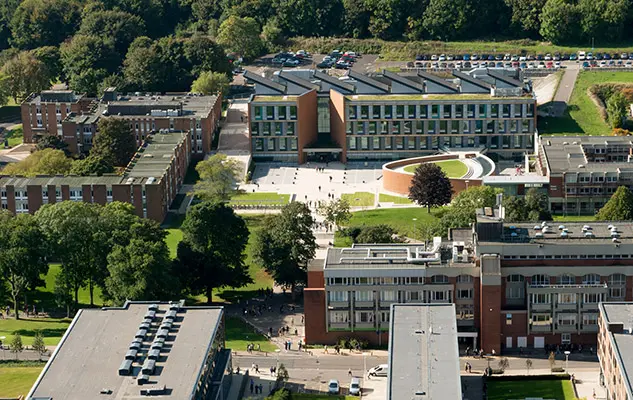
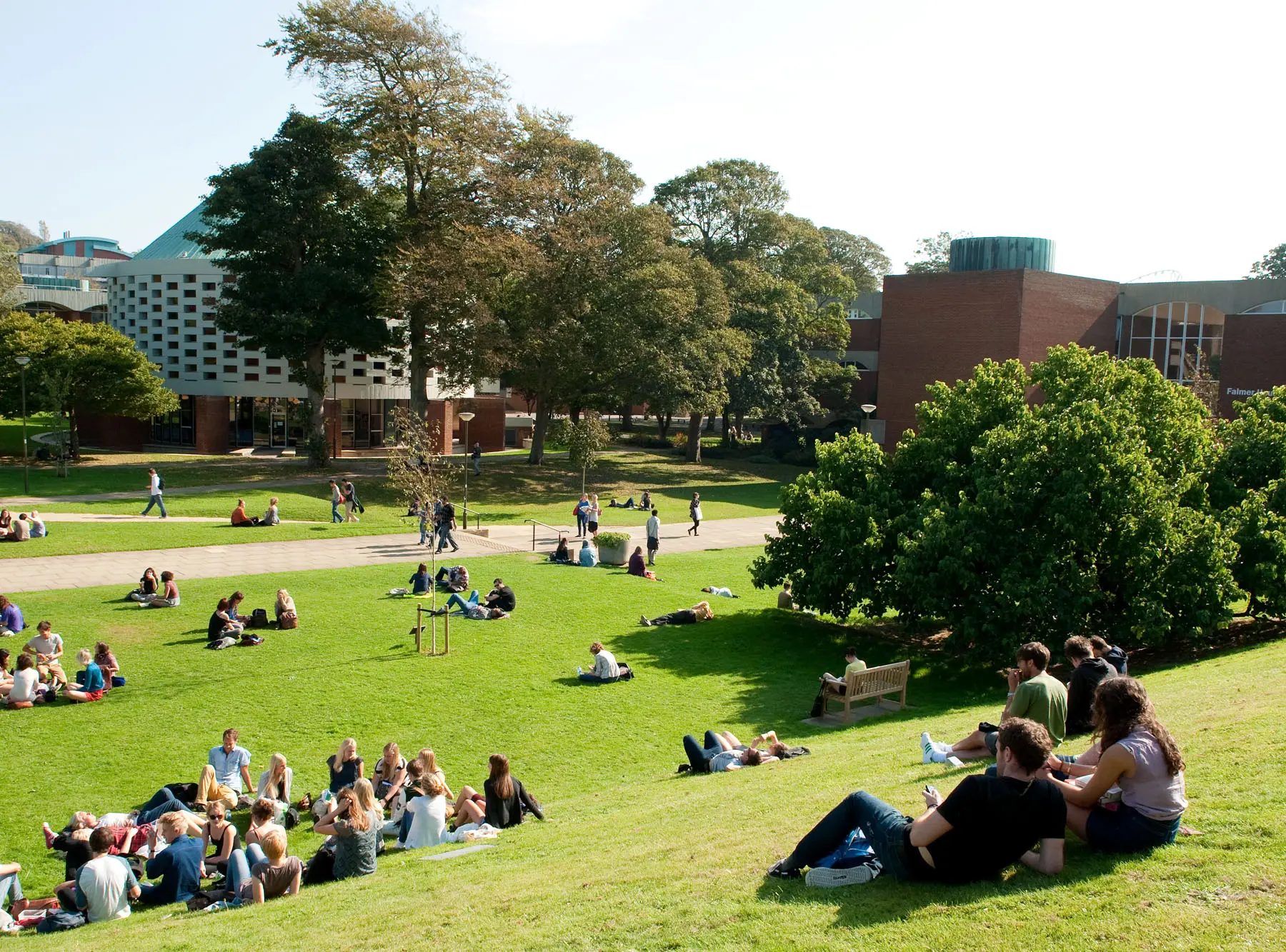
The University of Sussex operates on a single, self-contained campus at Falmer, approximately four miles from Brighton city centre, surrounded entirely by the South Downs National Park.
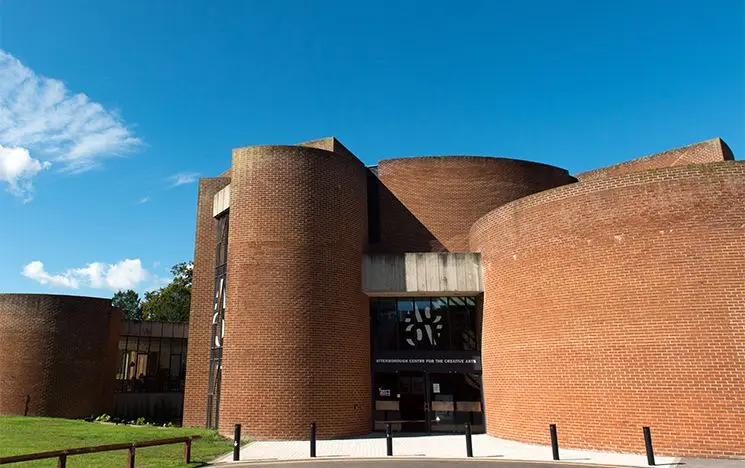
Designed by the celebrated modernist architect Sir Basil Spence, the campus features iconic 1960s brick and concrete architecture set amongst rolling green hills. Falmer House (the student union building) and the Meeting House are both historic listed buildings recognised for their architectural significance.
The campus functions as an integrated student village. It contains the main library, all academic buildings, the Attenborough Centre for the Creative Arts, sports facilities, a health centre, a Co-op supermarket, and extensive first-year student accommodation blocks like East Slope and Northfield.
The campus is exceptionally well-connected to the city, sitting directly adjacent to Falmer railway station and major bus routes, making travel into Brighton seamless and quick.
The University of Sussex typically ranks within the UK top 40 to 50 across major domestic league tables like the Complete University Guide and The Times Good University Guide. Globally, it places within the top 250 in the QS World University Rankings 2025.
At subject level, Sussex's global reputation is formidable. Most notably, it is consistently ranked 1st in the world for Development Studies in the QS World University Rankings by Subject, outperforming universities like Oxford, Harvard, and Cambridge.
Other exceptionally strong disciplines include International Relations, Psychology, Social Policy, Business, and Media and Communications, all of which benefit from heavy research investment and excellent graduate employment pathways.
Yes, Sussex is a highly respected and sought-after university, particularly for students interested in the social sciences, humanities, business, and life sciences.
For Development Studies and International Relations, it sits among the very best institutions globally. Students benefit directly from the presence of the Institute of Development Studies (IDS), which is based on the Falmer campus and drives global policy research.
The School of Psychology is one of the largest in the UK, boasting extensive research facilities, and the University of Sussex Business School is highly accredited and internationally recognised.
University of Sussex student reviews frequently highlight the welcoming, diverse community, the beauty of the national park campus, and the unparalleled social and cultural life that comes with living so close to Brighton.
The University of Sussex acceptance rate is estimated at approximately 61 to 75% overall. Acceptance rates are typically lower for competitive courses in Business, Psychology, and International Relations.
| Course | Acceptance Rate | A-Level Offer | UCAS Points |
|---|---|---|---|
| Psychology | ~50-60% | AAB-ABB | 128-136 |
| Business & Management | ~60-70% | ABB-BBB | 120-128 |
| International Relations | ~55-65% | ABB-BBB | 120-128 |
| Law LLB | ~60-70% | ABB | 128 |
| Computer Science | ~50-65% | ABB | 128 |
| Media and Communications | ~65-75% | ABB-BBB | 120-128 |
| Economics | ~55-65% | ABB | 128 |
| Biomedical Science | ~60-70% | ABB-BBB | 120-128 |
| History | ~70-80% | BBB | 120 |
Note: Acceptance rates are estimates and vary year on year. Always verify current requirements directly at sussex.ac.uk before applying.
The University of Sussex organises its teaching across nine academic schools.
The School of Global Studies is arguably its most famous, hosting the world-leading Development Studies programmes, alongside Geography, International Relations, and Anthropology.
The University of Sussex Business School covers Accounting, Economics, Management, and Strategy, with strong industry links. The School of Media, Arts and Humanities benefits from Brighton's status as a UK hub for digital and creative industries, offering cutting-edge courses in filmmaking, journalism, and literature.
The School of Psychology is exceptionally well-regarded for cognitive neuroscience and clinical psychology. The School of Life Sciences handles Biology, Chemistry, and Neuroscience, with laboratories integrated into the Falmer campus.
Other major schools include Engineering and Informatics, Education and Social Work, Mathematical and Physical Sciences, and the School of Law, Politics and Sociology.
The University of Sussex Library is located at the heart of the Falmer campus and is the central study hub for all students.
It houses hundreds of thousands of print volumes, millions of digital resources, and specialist collections. Notably, it is home to the renowned Mass Observation Archive, an invaluable primary source for historians and sociologists detailing British everyday life from the 1930s onwards.
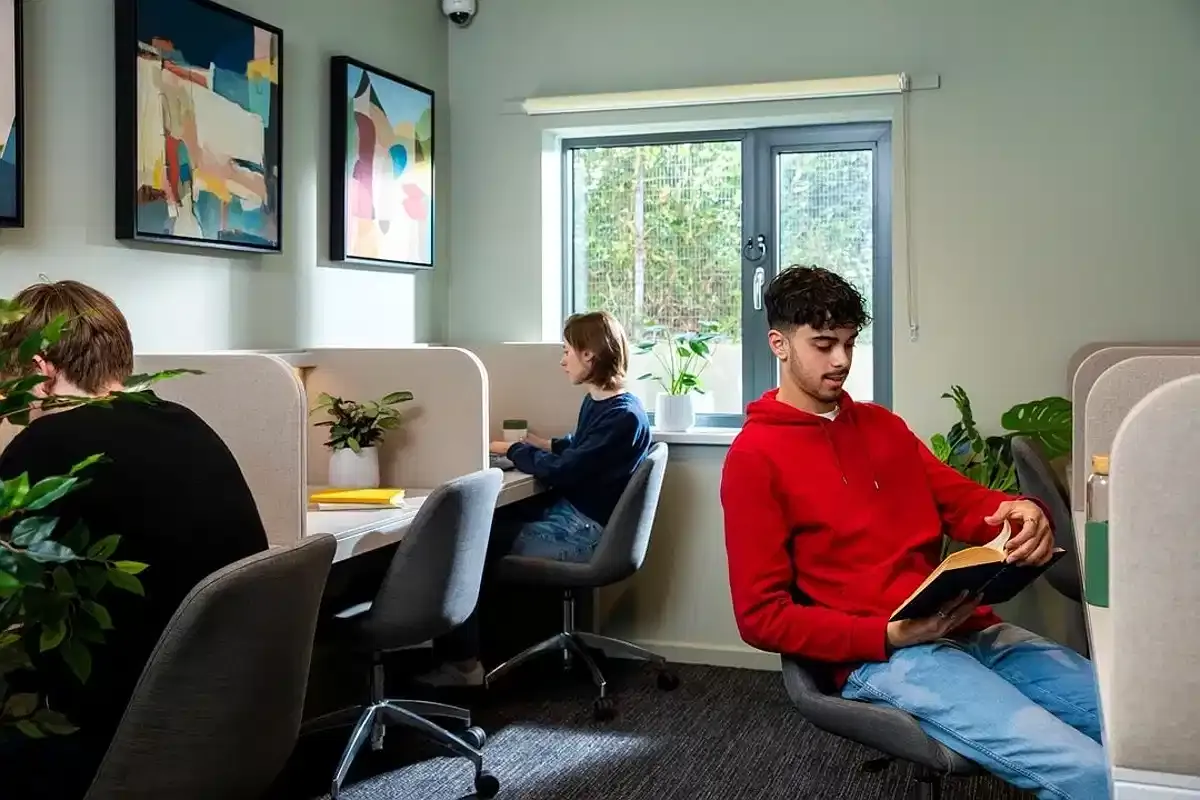
The building offers various study zones to suit different needs: silent reading rooms, collaborative group work areas, bookable pods, and PC clusters. During critical assessment and examination periods, the library opens 24/7.
Students also have access to expert subject librarians for research support and guidance on finding specialist academic materials.
The University of Sussex operates on a semester-based system: Autumn Semester and Spring Semester, followed by a summer assessment and vacation period.
Autumn Semester typically starts with Welcome Week in late September, with teaching running through to mid-December before the winter break. January is primarily dedicated to assessments for the Autumn modules.
Spring Semester teaching begins in late January or early February and runs until late May or early June, wrapping up with the summer assessment period. Precise, up-to-date term schedules can be found at sussex.ac.uk.
The university guarantees accommodation to all first-year undergraduate students who meet the application deadline. The vast majority of this accommodation is located on-campus at Falmer, giving first-years a strong community feel.
Popular campus halls include East Slope (a modern development with townhouses and en-suites), Northfield, Lewes Court, and Stanmer Court.
For second and third-year students, the move into the private rental sector means looking toward Brighton, Hove, or nearby Lewes. The most popular student areas are along the Lewes Road corridor, Moulsecoomb, and Hanover.
University of Sussex participates actively in the UCAS Clearing process each August, allowing students to apply for remaining places on various undergraduate courses after A-level results are released.
Available courses are published on the university website and via the UCAS Clearing search tool. While places in highly competitive programmes like Psychology may be limited, many excellent courses typically have vacancies.
Students looking to secure a place through clearing should contact the Sussex clearing hotline early on results day. More details and preparation guides can be found at sussex.ac.uk/study/clearing.
The University Health Centre is an NHS primary care practice located directly on the Falmer campus, just off Refectory Road. It serves students and staff, offering high-quality, convenient medical care.
Students are strongly encouraged to register with the Health Centre upon arriving at Sussex. Services include GP appointments, nurse clinics, mental health support, sexual health services, and routine vaccinations.
In addition to clinical services, the university provides dedicated wellbeing support via the Student Centre, offering confidential counselling, mental health advice, and disability support.
The University of Sussex and the University of Brighton both serve the city but offer very different academic environments and experiences.
Sussex is an older (1960s), research-intensive university based on a self-contained campus in Falmer. It consistently ranks higher in domestic and global league tables and leans heavily towards traditional academic disciplines, sciences, and global studies.
The University of Brighton is a post-1992 university whose buildings are spread across the city (and Eastbourne). It is exceptionally strong in vocational, creative, and professional courses, with fantastic reputations in art, fashion, nursing, and sports science. Students should choose based on the type of course and campus lifestyle they prefer.
University of Sussex jobs are advertised on the university's official recruitment portal at sussex.ac.uk/jobs. These encompass academic, research, professional services, and campus operational roles.
The university itself is a major employer, but the wider Brighton economy also offers massive employment opportunities. Brighton is a hub for the digital and creative industries, hospitality, retail, and tourism.
For students seeking part-time work, the university's Career and Employability Centre offers guidance, CV workshops, and access to a jobs board listing local part-time vacancies and internships tailored for students.
University of Sussex open days are typically held in Summer (June/July) and Autumn (September/October). Attending an open day is the best way to experience the unique atmosphere of the Falmer campus and its proximity to Brighton.
The events feature subject-specific talks, taster sessions, tours of the library and student union, and guided viewings of on-campus accommodation options like East Slope and Northfield.
A full schedule of upcoming University of Sussex open days, alongside registration links and virtual tour options, can be found at sussex.ac.uk/study/visit-us.
The Lewes Road Corridor (BN2) is the most heavily populated student area in Brighton. It connects the city centre directly to the Falmer campus via excellent bus routes (25/25X) and offers numerous supermarkets and student pubs.
Moulsecoomb and Hollingdean (BN1/BN2) sit just off Lewes Road. These residential areas offer more spacious housing and slightly lower rents, while keeping students close to the transport links to campus.
Hanover (BN2) is famous for its steep hills, brightly painted Victorian terraced houses, and fantastic pub culture. It is immensely popular with students seeking character and community, though it requires a short walk down the hill to catch the campus bus.
Central Brighton (BN1) offers unbeatable access to the beach, nightlife, and shopping. However, rents here are the highest, and the commute to campus takes longer.
Hove (BN3) appeals to older students or postgraduates looking for a quieter, more relaxed coastal lifestyle, though the commute to Falmer requires changing buses or taking the train.
Brighton is highly desirable, making it one of the more expensive student cities in the UK outside London.
| Room Type | Weekly Cost | Bills? | Best For |
|---|---|---|---|
| Shared house (Moulsecoomb) | £130-£160/wk | Usually no | Budget-conscious students |
| Shared house (Lewes Road) | £150-£180/wk | Usually no | Students wanting convenience |
| Shared house (Central Brighton) | £165-£200/wk | Usually no | Students wanting city lifestyle |
| En-suite room (managed halls) | £180-£250/wk | Usually yes | First years, international students |
| Studio apartment (city centre) | £230-£350/wk | Often yes | Postgraduates, mature students |
| Purpose-built student accommodation | £200-£300/wk | Yes | Students wanting full amenities |
If bills are not included, budget approximately £18 to £28 per week for utilities. Rents in Brighton are comparable to London commuter belt towns and higher than in northern university cities.
Falmer Train Station is located directly opposite the Sussex campus. It takes just nine minutes to reach Brighton Station, with regular, frequent services throughout the day. Direct trains also run east to Lewes and Eastbourne.
Brighton & Hove Buses operate an exceptional service. The 25 and 25X buses are the main routes linking the city centre and Lewes Road directly to the campus, operating frequently. The N25 night bus ensures safe travel back from the city center 24/7.
Cycling is increasingly popular. A dedicated cycle lane runs all the way from central Brighton along Lewes Road directly to the Falmer campus.
For travelling further afield, trains from Brighton Station reach London Victoria or London Bridge in roughly one hour, and Gatwick Airport is just 30 minutes away by rail.
South Downs National Park completely surrounds the campus. Students can literally walk out of their seminars and into some of the most beautiful rolling chalk hills in England, perfect for hiking and running.
Brighton Palace Pier & the Seafront are world-famous. The pebble beach, bustling promenade, independent cafes, and lively atmosphere make Brighton unique among UK student cities.
The Royal Pavilion is an extraordinary, exotic palace in the centre of Brighton, built as a seaside pleasure palace for King George IV. It is a stunning piece of architecture and a must-see.
The Lanes and North Laine are mazes of historic, narrow streets packed with vintage shops, independent record stores, cafes, and pubs—the true cultural heart of Brighton.
Seven Sisters Cliffs are just a short bus ride east along the coast, offering breathtaking coastal walks and iconic chalk cliffs facing the English Channel.
Verified student homes near University of SUSSEX.

189-205 Pentonville Road, Kings Cross, London N1 9NF, United Kingdom