
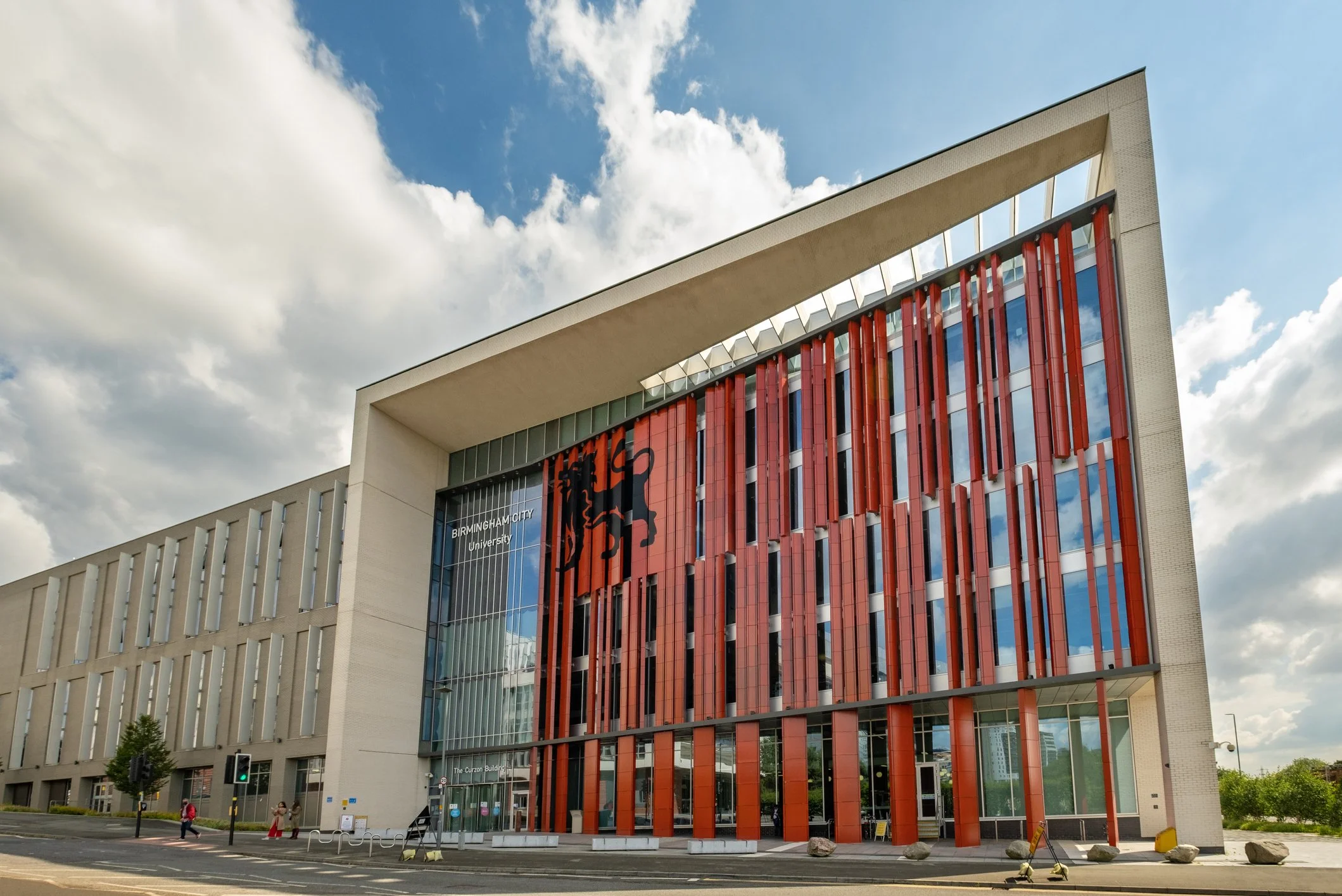
UNIVERSITY
Verified student homes near Birmingham City University — affordable city centre living with fast links to Digbeth, Brindleyplace, and the wider West Midlands.

Campus
Campus
Campus
Campus
ACOLYTE COMMUNITY
Verified student homes near Birmingham City University.
Adil's — Balti Triangle
15MThe OG. The restaurant widely credited with inventing the balti in the 1970s. BYOB, cash-friendly, and still the benchmark for every curry house that followed.
Digbeth Dining Club
5MOpen Thursday–Sunday. Street food from 20+ independent traders — from jerk chicken to loaded fries to Japanese bao. Birmingham's best lunch stop.
Damascena Jewellery Quarter
12MMiddle Eastern café in the heart of the JQ. Gorgeous interiors, exceptional coffee, and the best baklava in Birmingham. A calm spot between lectures.
EARN CASH FOR REFERRALS
Tell a friend — and earn real cash — paid straight to your bank
Refer Now →Student Ambassador
Birmingham City University
Research Assistant
BCU Research Departments
Barista / Café Staff
Damascena / Digbeth Dining
Retail Staff
Bullring / Grand Central
We created the Acolyte Scholarship to give international students — including Birmingham City University students — a meaningful head start on the biggest financial challenge of studying abroad: the cost of housing.
Eastside/Digbeth is right on the doorstep — ideal for proximity. The Jewellery Quarter offers a more characterful setting 10–15 minutes away. The city centre itself has the most PBSA options at higher rents. For the best value without a long commute, Aston (5–10 min walk) is increasingly popular with BCU students.
Genuinely one of the best cities in the UK for Indian students. 65,000 people of Indian origin call Birmingham home — the largest Indian community outside London. BCU has its own Indian Society and Sikh Society. The Balti Triangle is 15 minutes by bus. Diwali is celebrated across the city centre every year. You won't feel far from home here.
Yes. Most landlords in Birmingham's student rental market accept overseas guarantors. For properties requiring a UK guarantor, Housing Hand and similar services are commonly used by BCU international students.
Birmingham's City Centre PBSA fills quickly given the number of universities sharing the same stock (BCU, Aston, University of Birmingham). For September 2026, start from March–April. Shared houses in Digbeth and Edgbaston are more available but still move fast in June onwards.
Most listings include water, electricity, gas, and broadband — always clearly stated on each listing page. No surprises after signing.
Birmingham City University is one of the United Kingdom's largest and most diverse modern universities, located in Birmingham in the West Midlands of England. Serving a student community of more than 28,000 learners from over 80 countries, Birmingham City University has built a strong reputation for professionally focused teaching, creative excellence, and a commitment to widening participation in higher education that places it among the most socially impactful universities in the UK.
Founded with roots stretching back to 1843 through various predecessor institutions, Birmingham City University was granted full university status in 1992 and has grown steadily since to become one of the largest universities in the Midlands. Known locally and nationally by its abbreviated name BCU, the university has invested heavily in its estate, its academic facilities, and its student experience over the past decade, resulting in a modern and well-resourced environment that consistently draws strong reviews from students across a wide range of subjects.
Birmingham City University is particularly well regarded for its creative and professional programmes. The Faculty of Art, Design and Media is one of the most celebrated creative faculties in UK higher education, producing graduates who have gone on to shape the creative industries nationally and internationally. The university also has strong provision in law, business, health sciences, engineering, computing, and education.
Birmingham itself is the second largest city in the United Kingdom and one of the most dynamic and culturally diverse student cities in the country. With a younger population than virtually any other major European city, outstanding food and nightlife, world-class cultural institutions, and excellent transport connections, Birmingham provides students at BCU with one of the most exciting and well-rounded urban university experiences available anywhere in the UK.
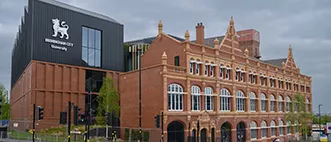
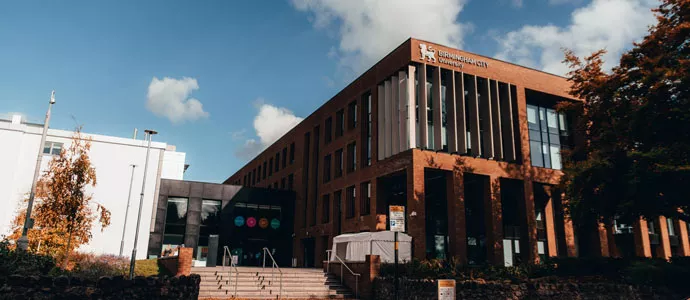
Birmingham City University operates across several campuses in Birmingham, each serving different academic communities and faculties.
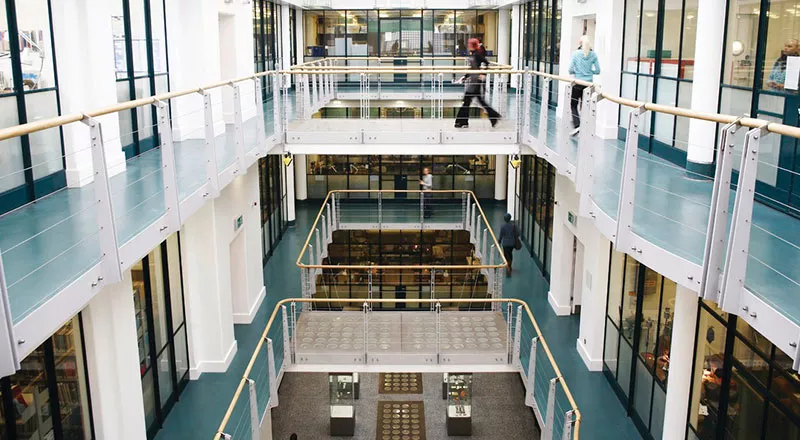
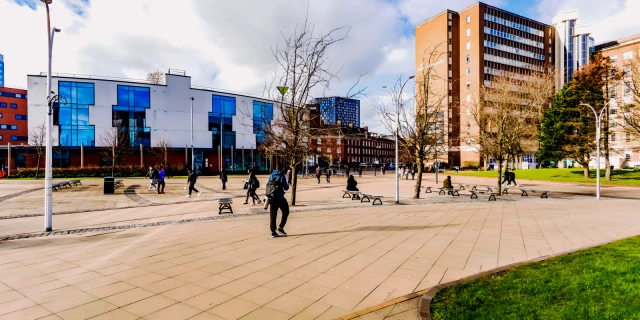
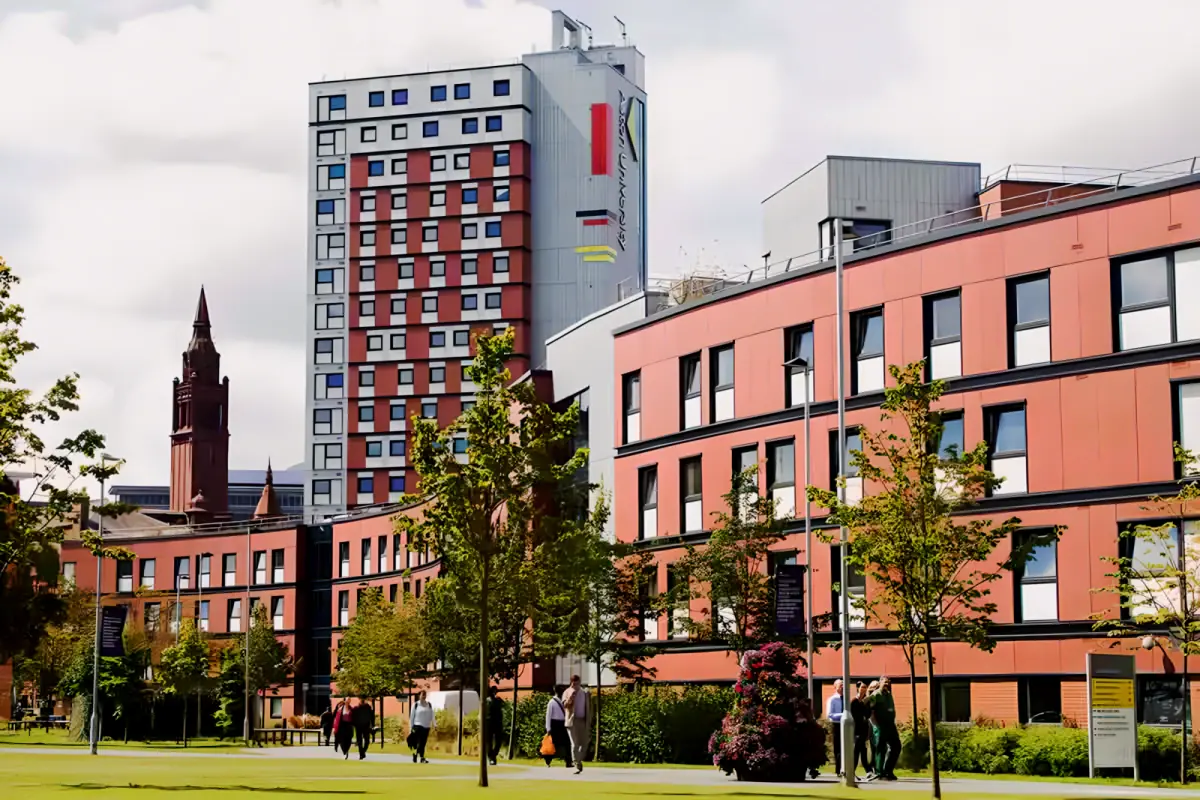
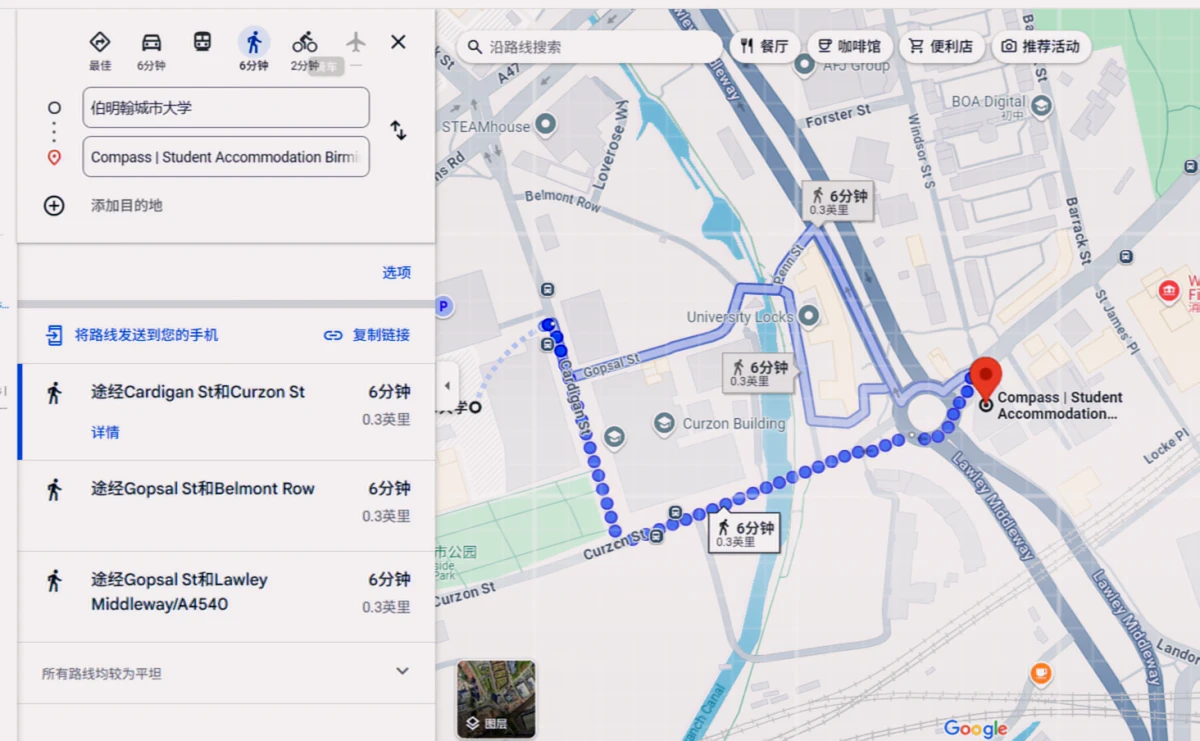
City Centre Campus is the main site, located in the Eastside area of Birmingham city centre. It is home to the Birmingham City Business School, School of Law, School of Computing and Digital Technology, School of Engineering and the Built Environment, and the School of Social Work. The campus includes the Curzon Building — the university's flagship teaching and student services facility — housing lecture theatres, the Students Union, student support services, and the main university library. Birmingham Moor Street, Birmingham New Street, and multiple bus stops are all within walking distance.
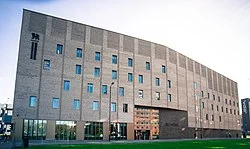
Eastside Campus sits adjacent to the City Centre Campus and is home to Birmingham Conservatoire, one of the leading conservatoires in the UK, and the Royal Birmingham Conservatoire performance venues.
City South Campus is located in Edgbaston, approximately 2.5 miles south of the city centre, and is home to the Faculty of Health, Education and Life Sciences — including nursing, midwifery, physiotherapy, occupational therapy, operating department practice, social work, and teacher training programmes. It has specialist clinical simulation suites, health science laboratories, a library, and student support services.
Millennium Point is located in the Eastside area adjacent to the City Centre Campus and houses several of the university's technology and engineering facilities alongside the public Thinktank Birmingham Science Museum.
In the Complete University Guide 2026 and the Guardian University Guide 2026, Birmingham City University places in the 80 to 100 range nationally. In the Times Higher Education Young University Rankings, which assesses universities founded within the last 50 years, BCU performs competitively.
At subject level, the picture is considerably stronger. The university consistently ranks among the top institutions in the UK for Art and Design, Music, and Creative Arts programmes, reflecting the national standing of the Faculty of Art, Design and Media and the Royal Birmingham Conservatoire. Nursing and Allied Health programmes at City South Campus are also consistently well regarded by professional regulators and industry bodies.
It is worth noting that traditional league table rankings do not always capture the full picture of a university's strengths, particularly for institutions with specialist creative and vocational provision. BCU's graduate employment rates in design, music, health sciences, and computing frequently exceed those of higher-ranked universities in the same subjects.
For students applying to creative programmes, Birmingham City University is genuinely outstanding. The Faculty of Art, Design and Media is one of the most respected creative faculties in the UK, with excellent studio facilities, strong industry connections, and a graduate employment record that reflects the high quality of its creative output. The Royal Birmingham Conservatoire is widely regarded as one of the leading music conservatoires in the country.
For students applying to health and social care programmes at City South Campus, BCU's nursing, midwifery, physiotherapy, and allied health programmes are professionally accredited and well regarded by NHS employers across the West Midlands and nationally.
For students applying to business, law, computing, and engineering, BCU offers professionally focused degrees with strong links to Birmingham's growing professional services and technology sectors.
Birmingham City University reviews from current and former students consistently highlight the quality of teaching in specialist creative, health, and technology subjects, the helpfulness of staff, the diversity of the student community, and the advantages of studying in the heart of a major UK city.
The Birmingham City University acceptance rate is estimated at approximately 70 to 80% overall, though this varies by course. Creative programmes such as Fine Art, Graphic Design, Music Performance, and Architecture have a more selective admissions process that often involves portfolio review or audition. Nursing and Allied Health programmes have additional requirements including occupational health clearance, a satisfactory DBS check, and evidence of relevant healthcare experience.
| Course | Acceptance Rate | A-Level Offer | UCAS Points |
|---|---|---|---|
| Graphic Design | ~65-75% | BCC-BBC | 104-112 |
| Nursing (Adult) | ~60-72% | BCC-BBC | 104-112 |
| Law LLB | ~68-78% | BBC-BBB | 112-120 |
| Computer Science | ~70-80% | BCC-BBC | 104-112 |
| Business Management | ~72-82% | BCC-BBC | 104-112 |
| Architecture | ~60-72% | BBB-ABB | 120-128 |
| Music Performance | ~55-68% | Portfolio/audition | Variable |
| Physiotherapy | ~55-65% | BBB-ABC | 120-128 |
| Education/QTS | ~65-75% | BCC | 96-104 |
| MBA (Postgraduate) | ~65-75% | 2:2 degree minimum | N/A |
Note: Acceptance rates are estimates and vary year on year. Always verify current entry requirements on the official Birmingham City University admissions page before applying.
The Birmingham City University Faculty of Art, Design and Media is one of the defining strengths of the university and one of the most highly regarded creative faculties in the United Kingdom. Housed primarily at the City Centre Campus, the faculty brings together a remarkable breadth of creative disciplines, combining studio-based practice with critical thinking, industry engagement, and professional development.
The faculty covers an exceptionally wide range of subjects, including Fine Art, Graphic Communication and Illustration, Photography, Fashion Design, Interior Architecture and Design, Product Design, Jewellery and Silversmithing, Textile Design, Animation, Film and Television, Games Design, Visual Communication, and a range of postgraduate creative programmes.
The faculty's graduate outcomes are a genuine point of pride for the university. BCU Art, Design and Media graduates have gone on to work for some of the most respected creative organisations in the world, and the university's degree shows attract significant attention from industry every year.
The Birmingham School of Art, which sits within the faculty, has a history stretching back to 1843 and counts among its alumni a number of significant figures in British art and design history.
The Birmingham City University library service is provided across multiple sites. The main library is located within the Curzon Building at the City Centre Campus and provides an extensive collection of physical and digital resources across all subject areas, including specialist collections for creative, health, law, business, and technology subjects.
The library provides access to a wide range of academic journals, databases, e-books, and digital resources through the university's online library portal, accessible to all enrolled students from any internet-connected device. Academic support services include one-to-one support from subject librarians, academic skills workshops, referencing support, and access to computing facilities, printing, and scanning services.
The library at Birmingham City University City South Campus serves students on health, education, and life sciences programmes and holds specialist collections relevant to nursing, midwifery, physiotherapy, occupational therapy, and education. All BCU students can access digital resources remotely, making it possible to use journal databases, e-books, and online learning materials from student accommodation as well as on campus.
Birmingham City University City South Campus is located in Edgbaston, approximately 2.5 miles south of Birmingham city centre. The campus is the home of the Faculty of Health, Education and Life Sciences and serves as the primary academic base for students studying nursing, midwifery, physiotherapy, occupational therapy, operating department practice, social work, education and teacher training, and a range of postgraduate health and social care programmes.
City South Campus includes clinical simulation suites replicating hospital ward, operating theatre, and community health environments, specialist skills laboratories, a dedicated campus library, student support and wellbeing services, a student common room, and catering facilities.
Transport connections from City South Campus to Birmingham city centre are good, with regular bus services running along the Bristol Road corridor. The journey time by bus from City South to the city centre is approximately 15 to 25 minutes. Students living in Edgbaston, Selly Oak, or Harborne are within very easy reach of City South Campus.
The Birmingham City University Students Union is based at the City Centre Campus within the Curzon Building and provides a range of services including independent academic advice and representation, welfare and mental health support, a Student Advice Centre, and a range of social and entertainment spaces on campus.
The Students Union supports a wide range of student societies and sports clubs covering academic, cultural, social, and sporting interests. Joining a society or sports club is one of the most effective ways to build a social network outside of your course, and BCU's diverse student population means that the range of societies reflects a genuinely broad set of interests and cultural backgrounds.
The SU's representation function is an important resource for students who encounter academic or welfare issues. Independent academic advisors can support students with academic appeals, complaints, fitness to practise procedures, and other formal university processes.
Birmingham City University jobs are advertised through the university's official recruitment portal at bcu.ac.uk/jobs, covering academic, research, professional services, technical, and operational roles across all campuses.
The university is one of the significant employers in Birmingham and is committed to equality, diversity, and inclusion in its recruitment practices. The university also offers a range of flexible and part-time working arrangements across different departments.
Current students seeking part-time employment alongside their studies can access student job listings and careers guidance through the university's Careers Network service, which maintains a database of student-suitable part-time, flexible, and seasonal roles alongside its full programme of graduate employability support.
Birmingham City University graduation ceremonies are held annually across several dates, typically in July, with additional ceremonies scheduled in November and January. The main summer graduation season draws thousands of graduates, family members, and staff to Birmingham each year.
Ceremonies are held at venues in Birmingham city centre, including Symphony Hall and the ICC, both of which provide a memorable and well-appointed setting for the occasion.
Ceremony details, guest ticketing, academic gown hire, photography packages, and official merchandise are all managed through the official graduation pages on the university website at bcu.ac.uk.
Birmingham City University open days are held across the academic year, giving prospective students the opportunity to visit the City Centre Campus and City South Campus, attend subject taster sessions, speak with academic staff and current students, and explore the full range of facilities on offer.
Undergraduate open days typically take place in June, September, and October. Creative programmes with portfolio requirements often offer dedicated applicant days at different points in the academic year. Postgraduate open days and course-specific information events run throughout the year.
The City of Birmingham University open days schedule is published on the official university website at bcu.ac.uk. Booking is strongly recommended as popular open day dates fill quickly.
The main address for Birmingham City University's City Centre Campus is:
Birmingham City University
Curzon Building
4 Cardigan Street
Birmingham B4 7BD
The address for Birmingham City University City South Campus is:
Birmingham City University – City South Campus
Westbourne Road
Edgbaston
Birmingham B15 3TN
The address for the Royal Birmingham Conservatoire is:
Royal Birmingham Conservatoire
200 Jennens Road
Birmingham B4 7XR
Digbeth and Deritend (B5/B12) are located immediately to the south and southeast of Birmingham city centre and are among the most popular areas for BCU students based at the City Centre Campus. Digbeth is one of the most characterful and creative neighbourhoods in Birmingham, home to independent music venues, arts spaces, street food markets, and independent bars. The area is within easy walking distance of the Curzon Building.
Jewellery Quarter (B1/B18) is located to the northwest of the city centre and is one of Birmingham's most distinctive residential neighbourhoods, known for its independent cafes, restaurants, bars, and galleries. Connected to the City Centre Campus by the West Midlands Metro tram.
Selly Oak (B29) is the most popular student neighbourhood in Birmingham overall, sitting approximately 3 miles south of the city centre. It is an excellent base for BCU students studying at City South Campus in Edgbaston. Shared house rooms are available from approximately £85 to £110 per week.
Edgbaston (B15/B16) sits immediately adjacent to the City South Campus and is a well-established residential area within walking or cycling distance of City South Campus for most of its residential streets.
Harborne (B17) is a very popular residential neighbourhood approximately 4 miles southwest of the city centre, known for its excellent independent high street. It is particularly popular with postgraduate students and those who prefer a more mature residential environment.
Birmingham is widely regarded as offering very competitive student accommodation costs relative to the quality of city life available.
| Room Type | Weekly Cost | Bills? | Best For |
|---|---|---|---|
| Shared house (Selly Oak/Edgbaston) | £85-£125/wk | Usually no | Budget-conscious students |
| Shared house (Digbeth/JQ) | £100-£145/wk | Usually no | City Centre Campus students |
| En-suite room (managed halls) | £140-£215/wk | Usually yes | First years, international students |
| Studio apartment (city centre) | £170-£270/wk | Often yes | Postgraduates, mature students |
| Purpose-built student halls | £140-£230/wk | Yes | Students wanting full amenities |
If bills are not included, budget approximately £15 to £25 per week for utilities. Birmingham's cost of living is considerably lower than London and compares very favourably with Manchester, Bristol, and other major UK university cities.
West Midlands Metro Tram runs through Birmingham city centre and connects the Eastside area of the City Centre Campus with Birmingham New Street, the Jewellery Quarter, and Wolverhampton. The Metro network continues to expand across the West Midlands.
Birmingham Bus Network provides comprehensive coverage across all areas. The Bristol Road corridor connects Selly Oak, Edgbaston, and Harborne to the city centre by frequent services — one of the best-served bus routes in the city for students at City South Campus. Students can access significant discounts through the Network West Midlands Yoyo student pass scheme.
Birmingham New Street Railway Station is one of the busiest rail hubs in the UK outside London, within easy walking distance or a short tram ride from the City Centre Campus. Direct rail services connect Birmingham to London Euston (approximately 1 hour 20 minutes), Manchester Piccadilly (1 hour 30 minutes), and Bristol Temple Meads (1 hour 30 minutes).
Birmingham Moor Street and Snow Hill are additional city centre rail stations close to the City Centre Campus, serving Cross-City line services to Selly Oak — highly convenient for students travelling between City South Campus and the main campus.
Birmingham Museum and Art Gallery is one of the finest civic art collections in the UK, located in Chamberlain Square within easy walking distance of the City Centre Campus. The collection includes an internationally significant holding of Pre-Raphaelite paintings. Entry to the permanent collection is free.
Digbeth and the Creative Quarter is one of the most exciting cultural districts in the UK, home to independent music venues including the O2 Institute, street food markets, art spaces, and the Custard Factory creative complex.
Cadbury World and Bournville are located approximately 4 miles south of the city centre. The Cadbury World visitor attraction tells the story of chocolate and the Cadbury brand, and Bournville village itself is a beautifully preserved example of Victorian model housing.
Birmingham Hippodrome is one of the busiest and most respected theatres in the UK outside London, hosting touring productions of major West End musicals, ballet from the Birmingham Royal Ballet, opera, and comedy. Student standby tickets and discounted offers are regularly available.
Warwick Castle and Stratford-upon-Avon are both accessible within approximately 45 minutes of Birmingham by train, providing students at BCU with easy access to two of the most visited heritage destinations in England.
Verified student homes near Birmingham City University.
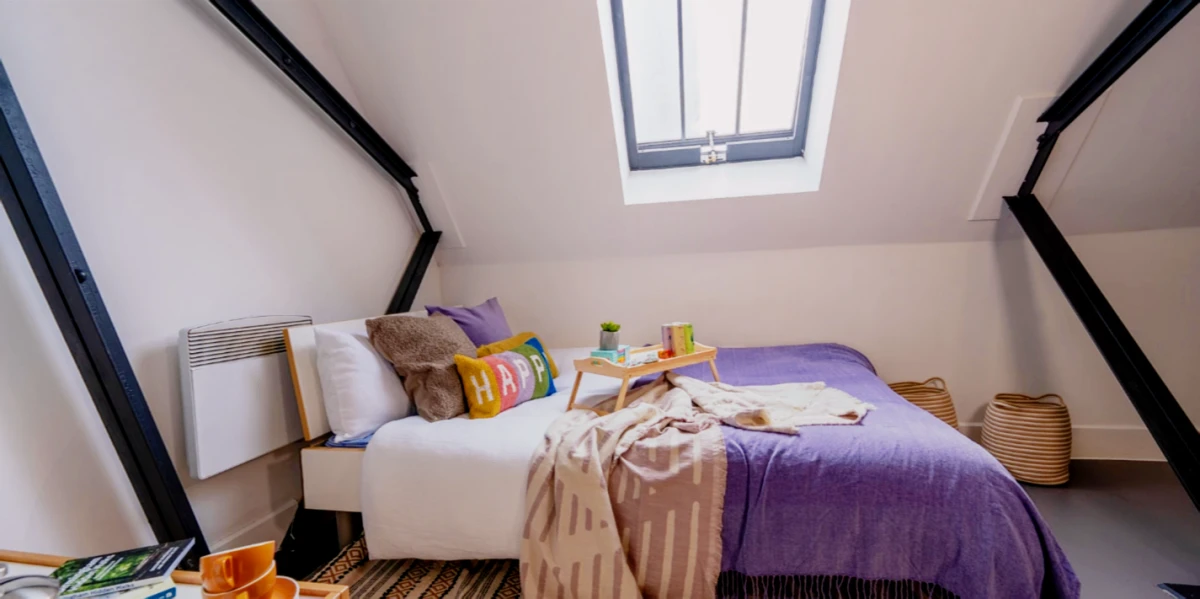
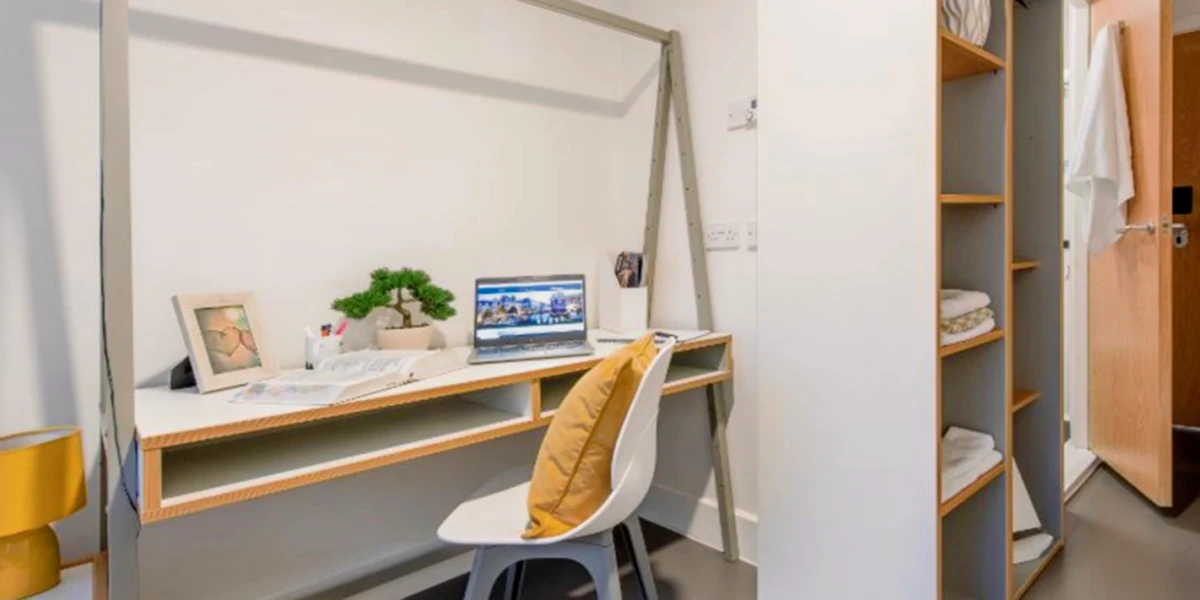
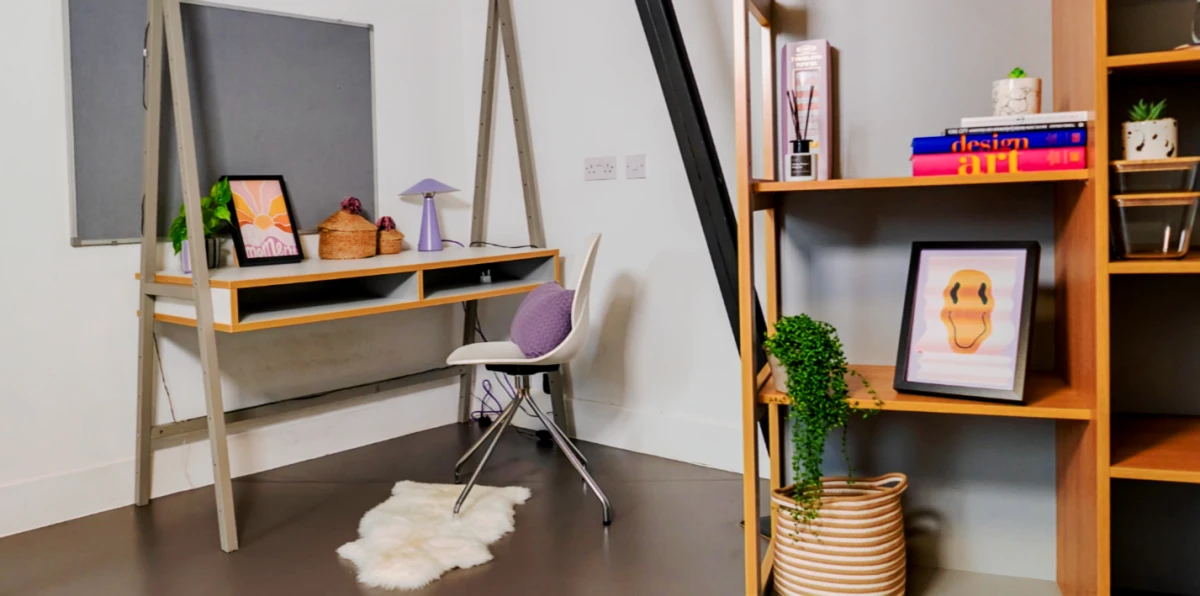
Aston Street, Birmingham B4 7DA, United Kingdom
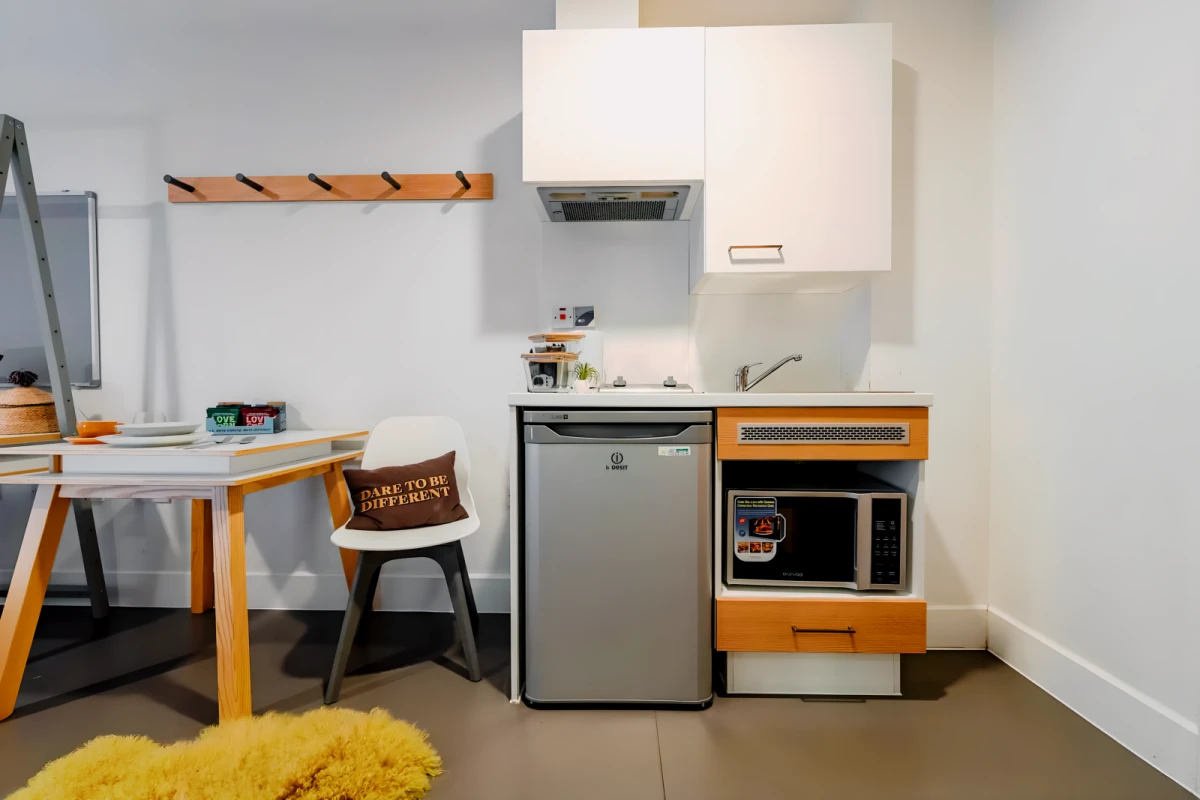
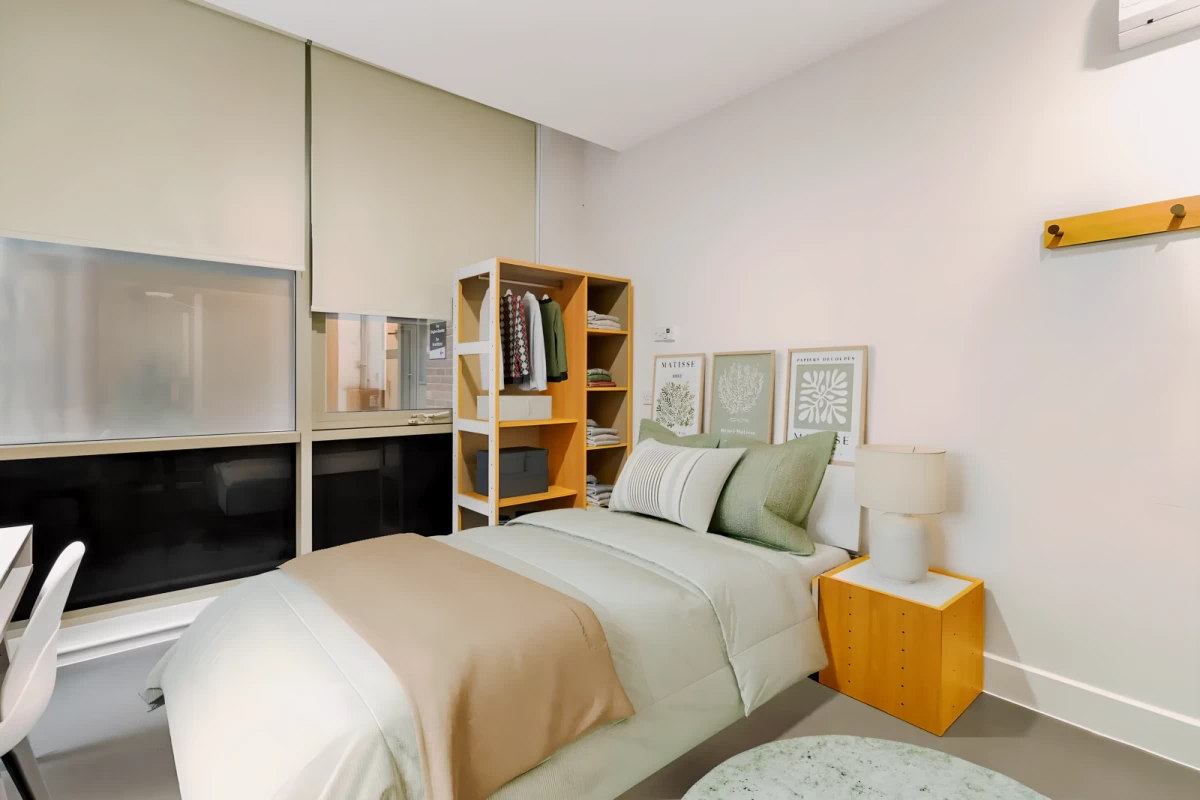
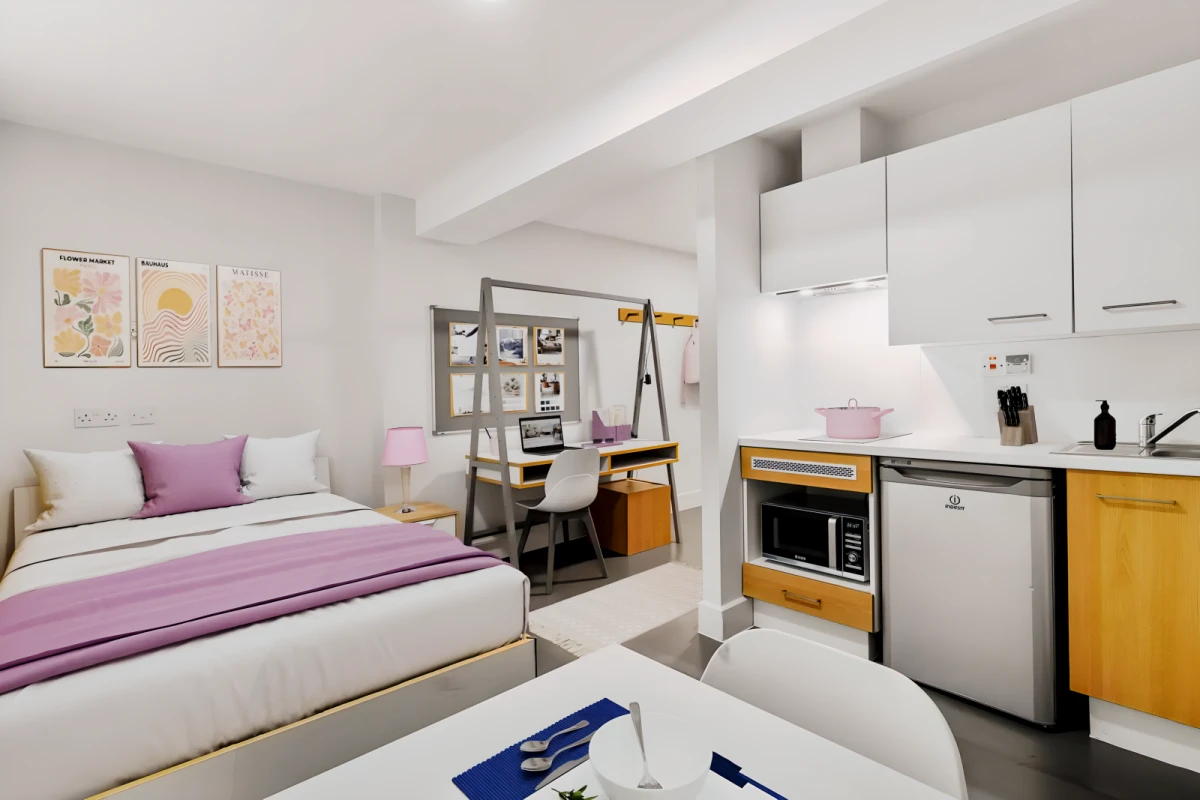
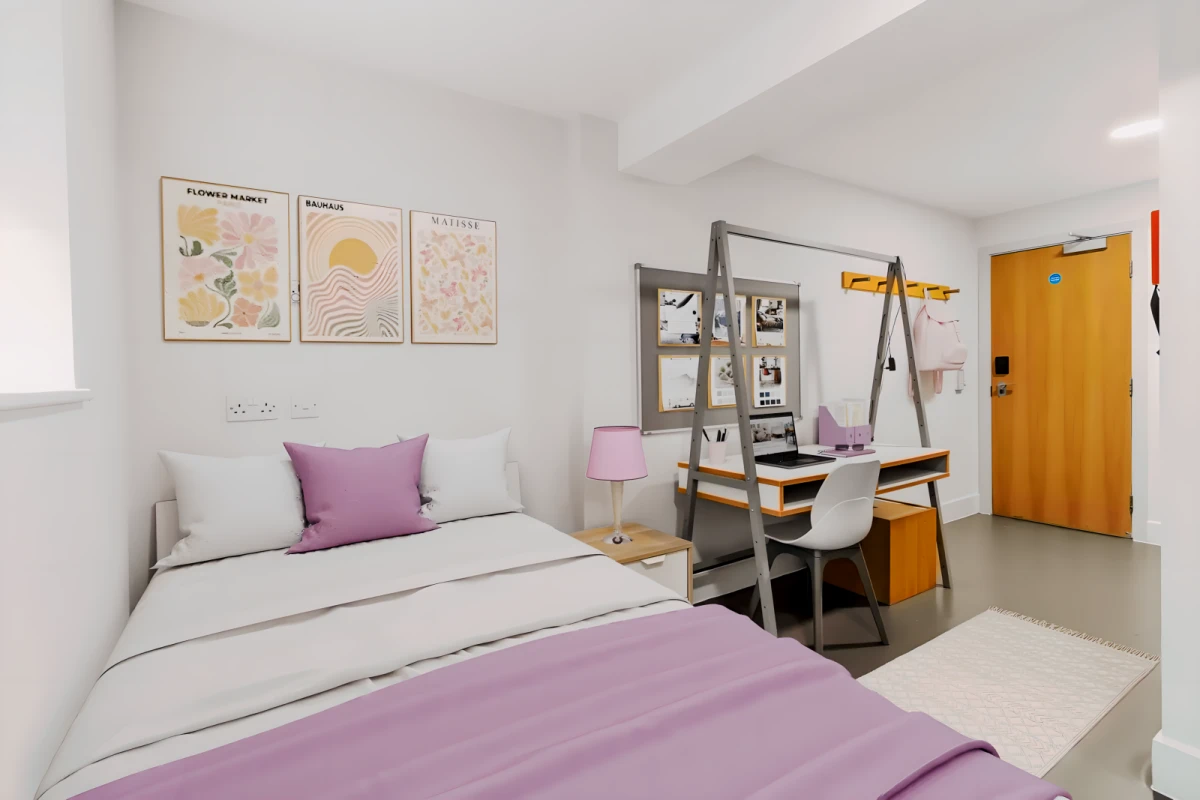
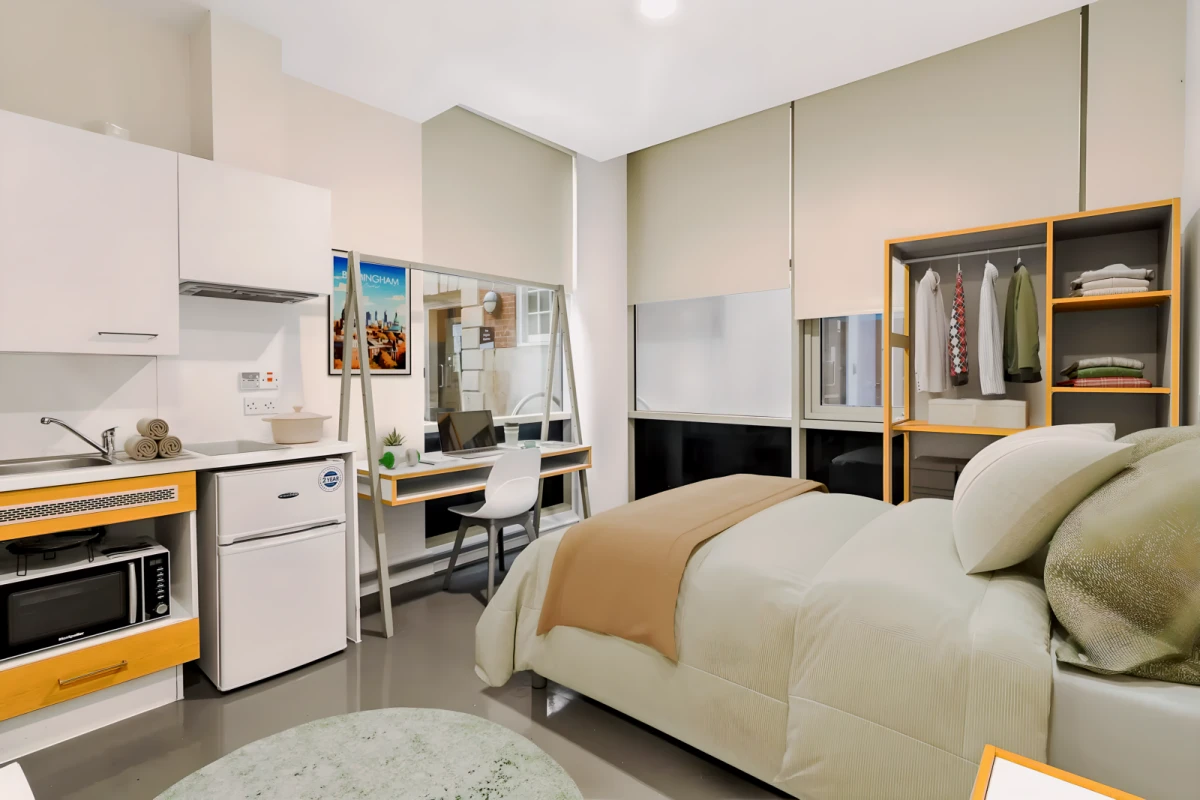
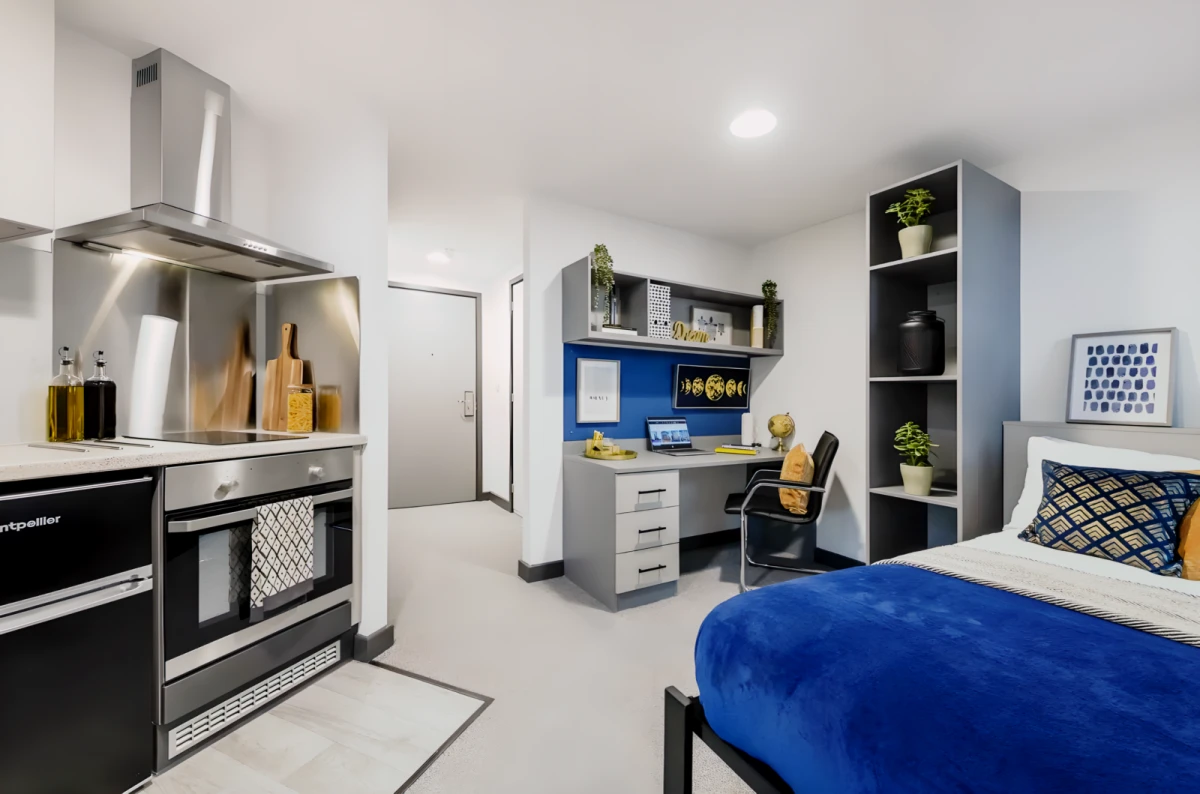
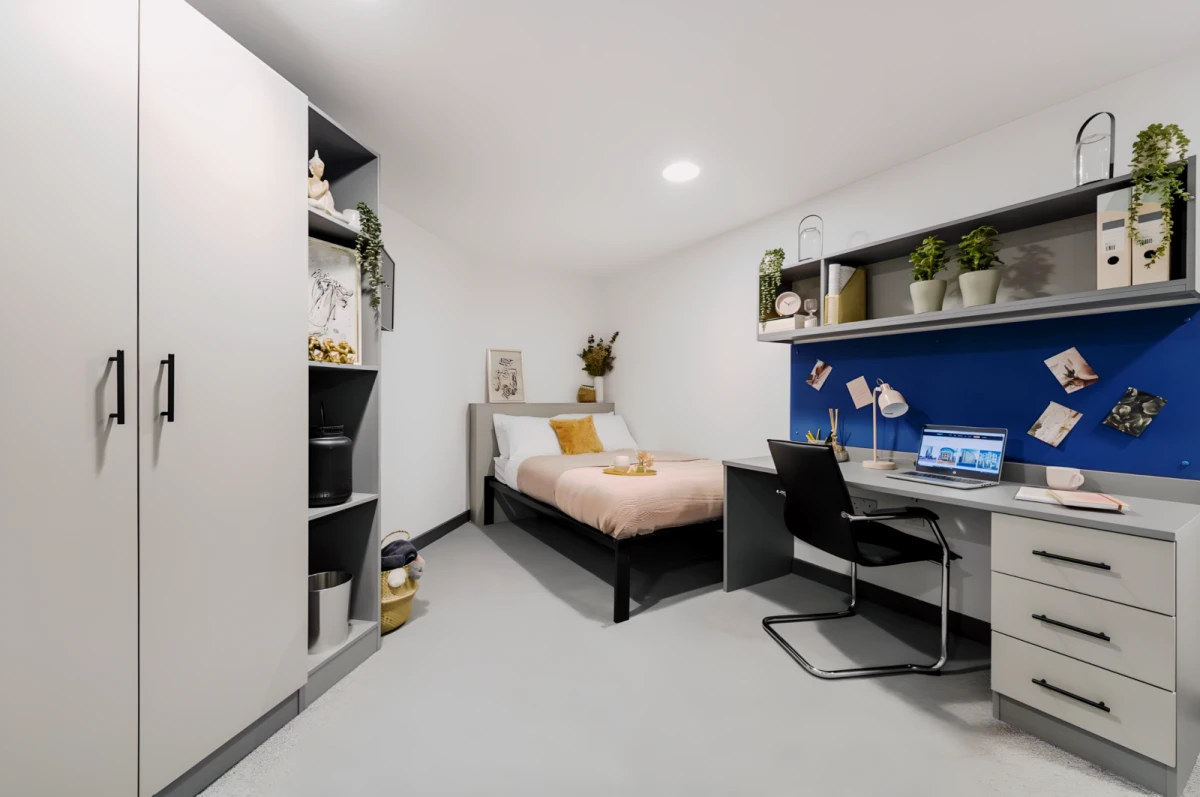
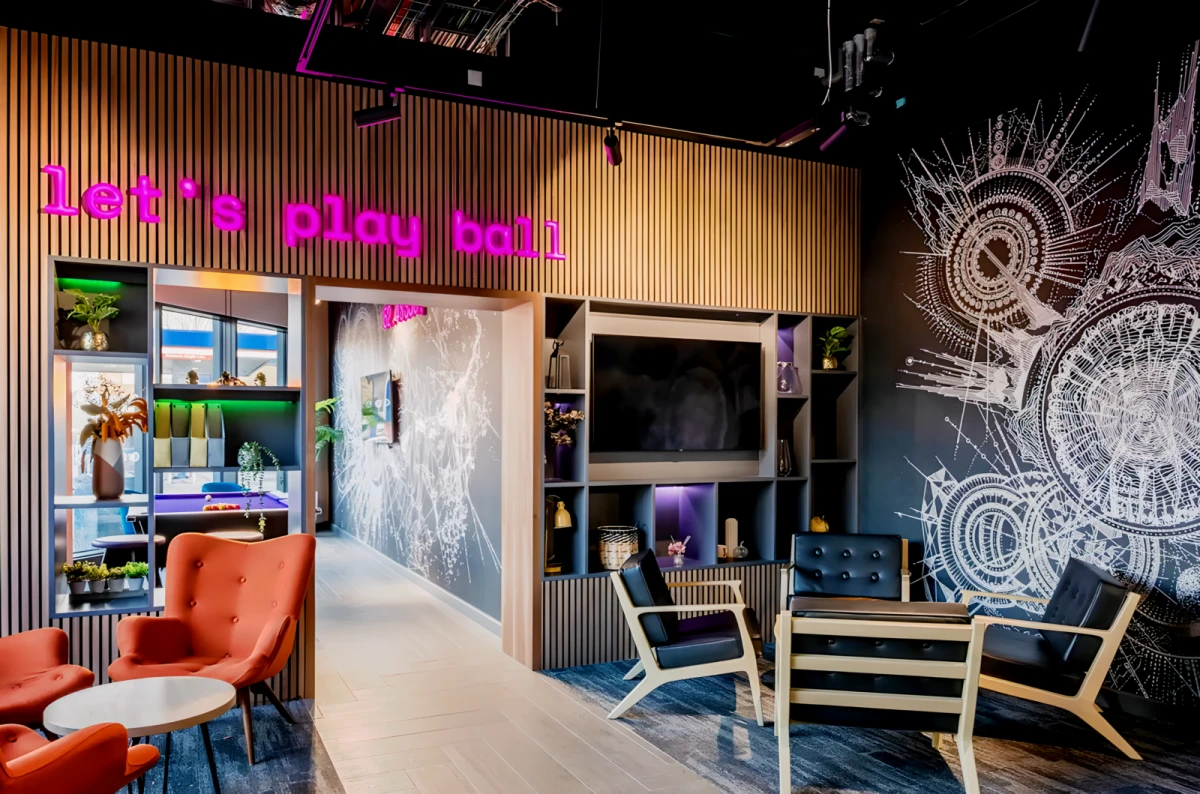

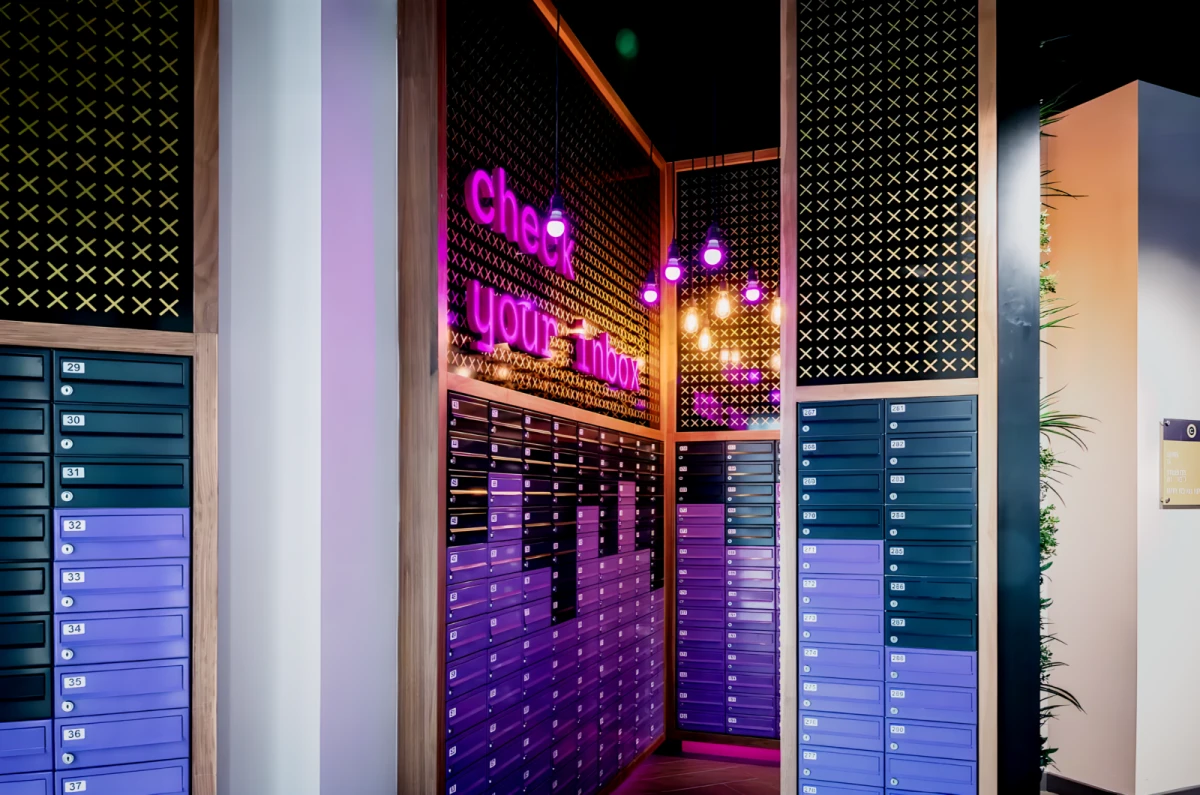
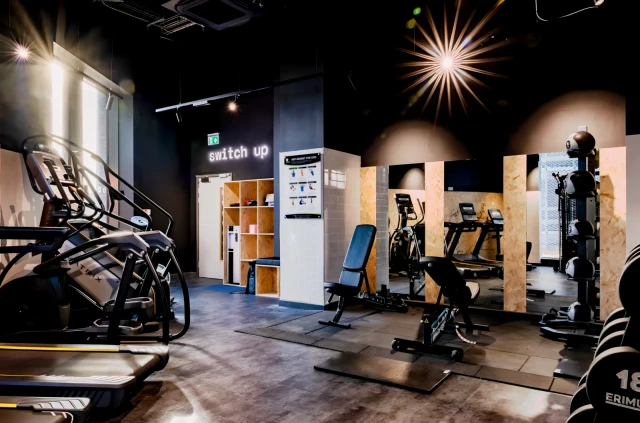
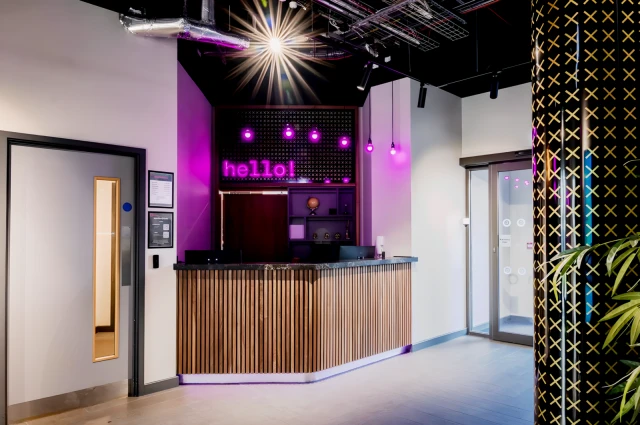
1 Vauxhall Road, Birmingham B7 4RB, United Kingdom
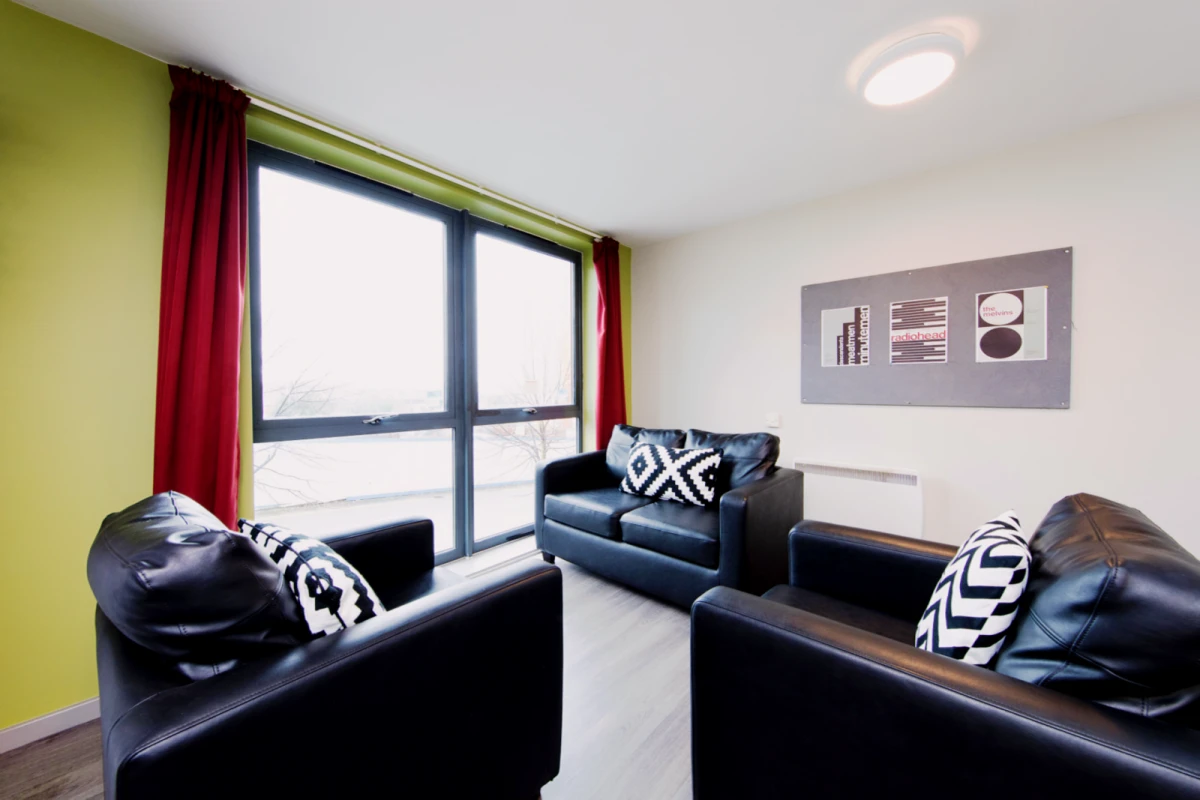
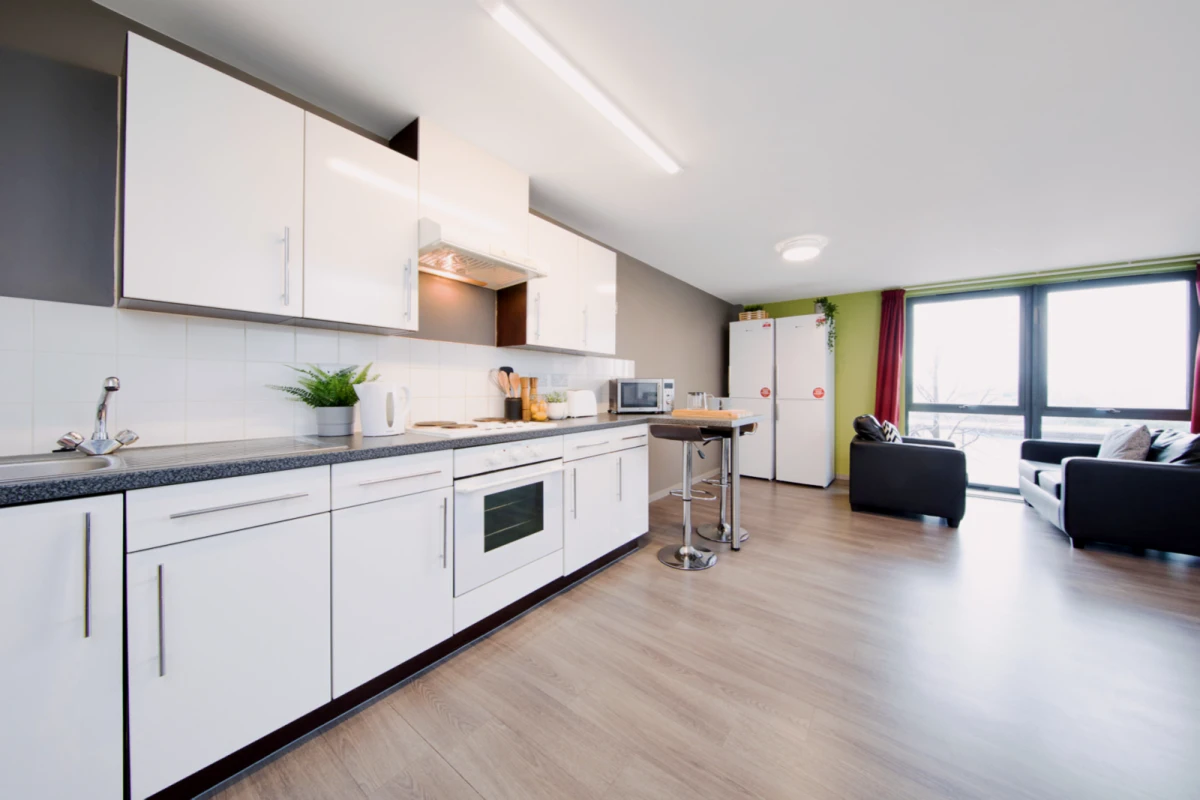
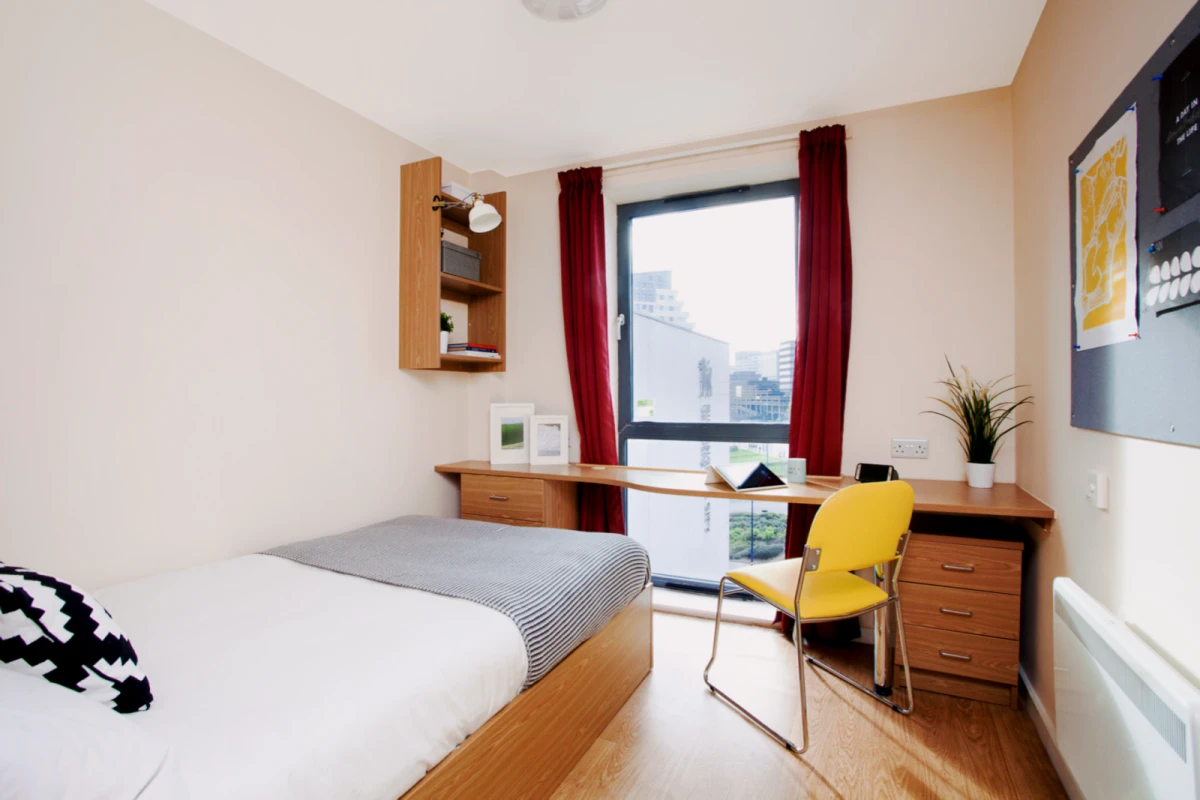
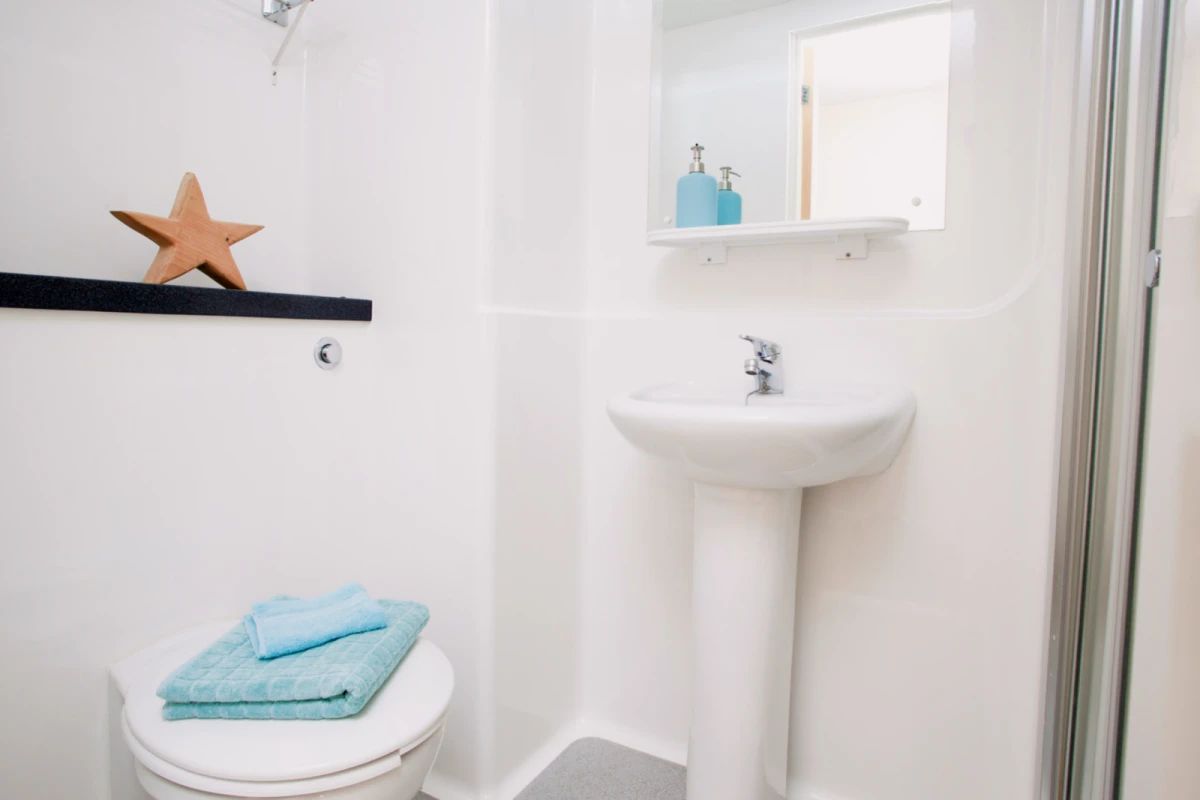
250 Jennens Road, Birmingham B5 5JR, United Kingdom
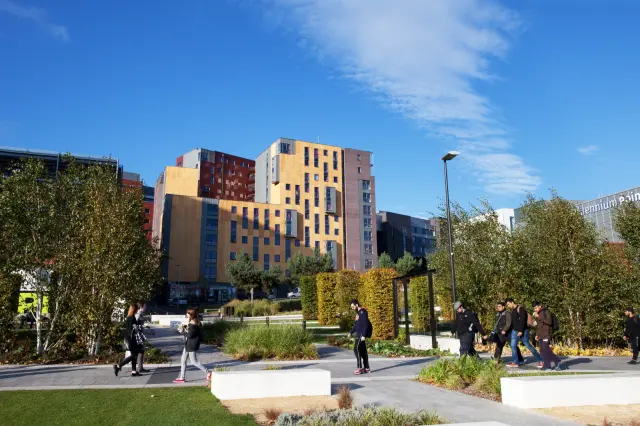
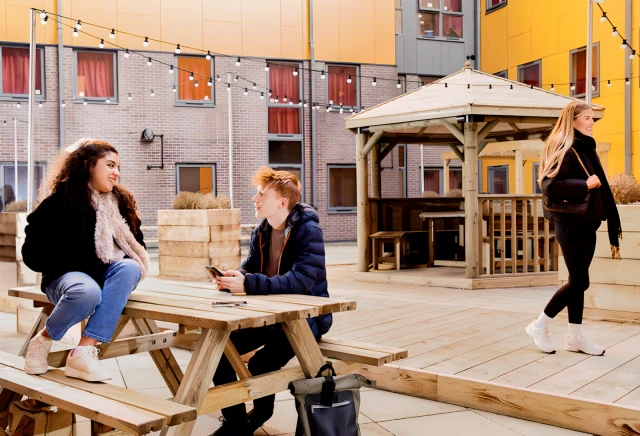
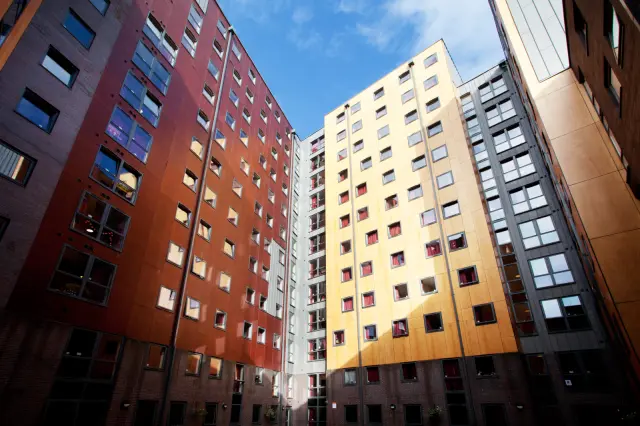
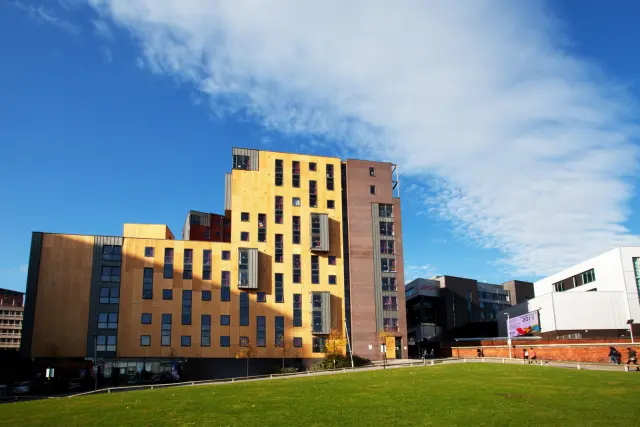
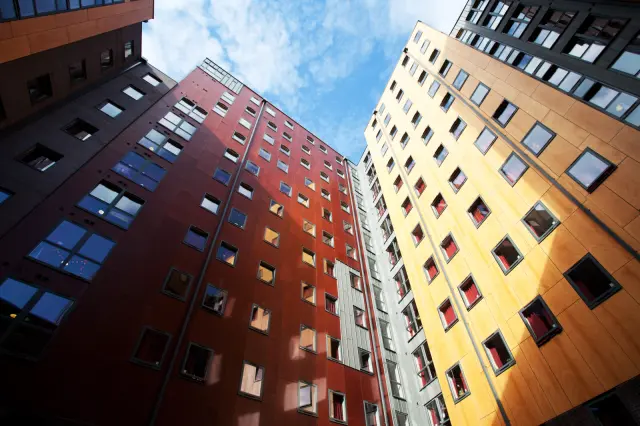
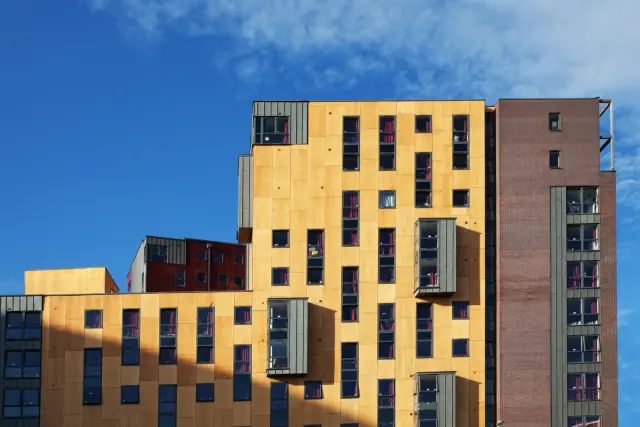
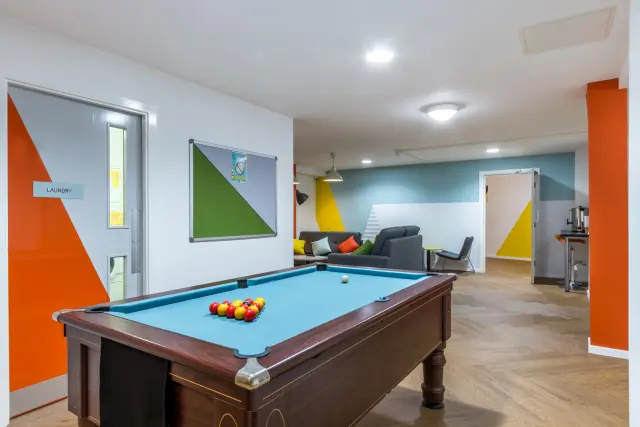
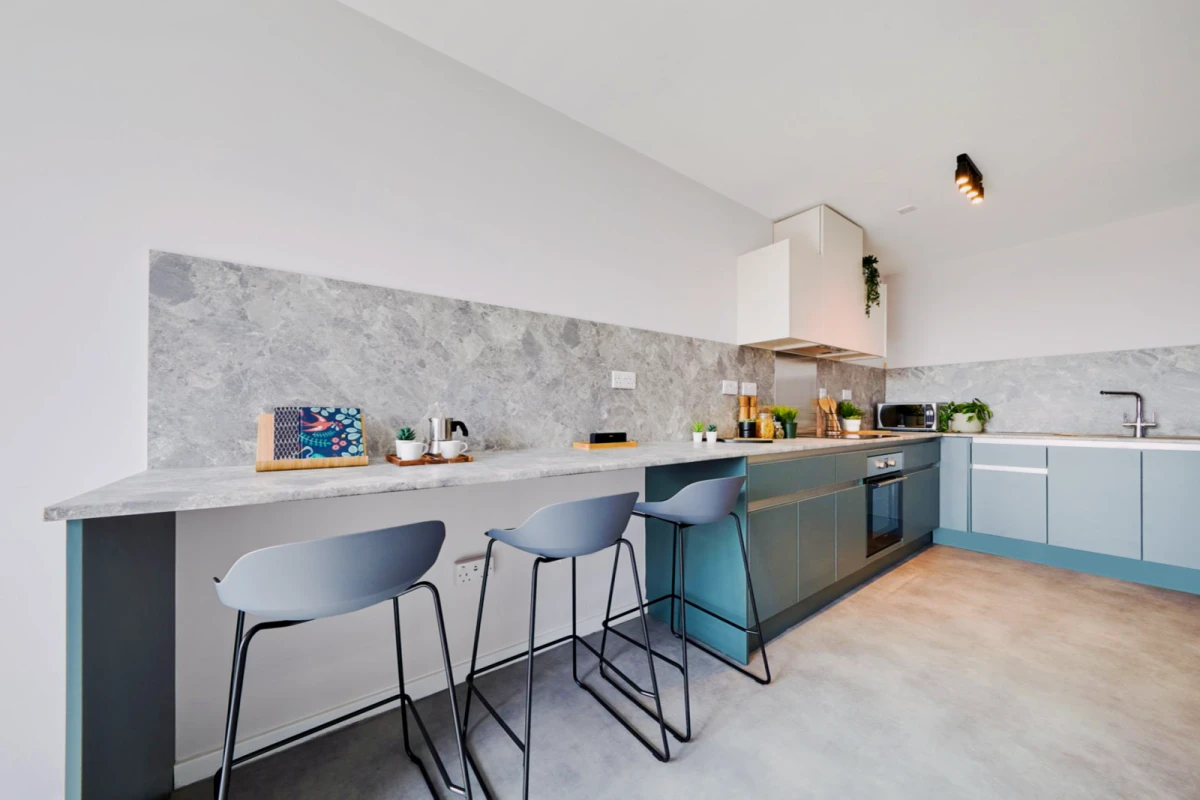
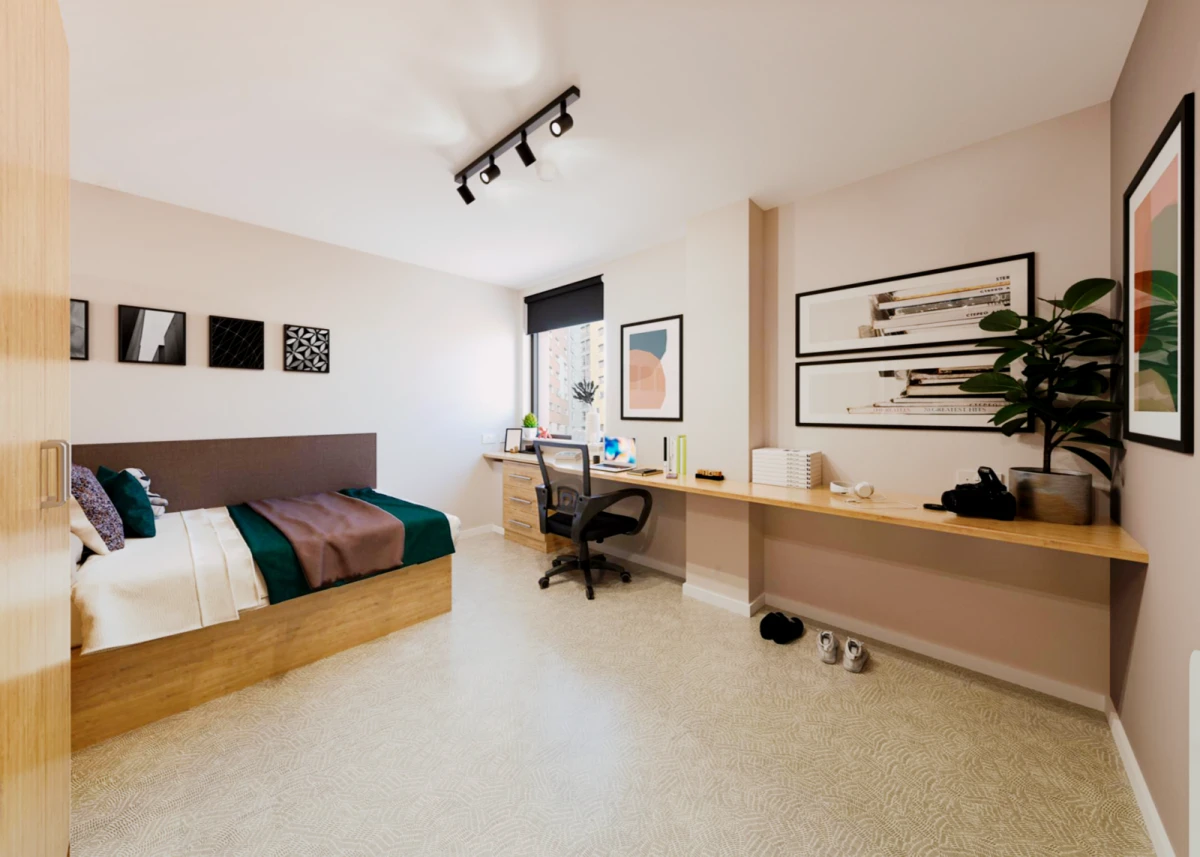
Jennens Court, Birmingham B5 5JR, United Kingdom

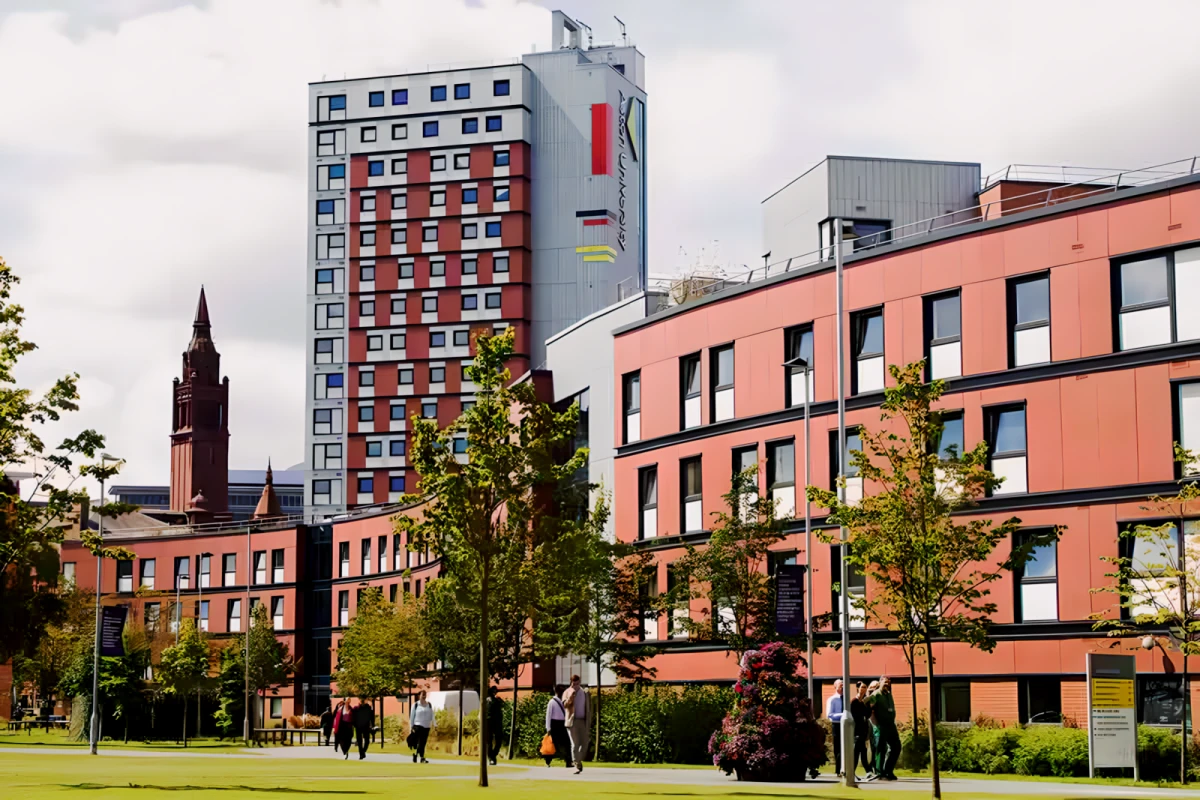
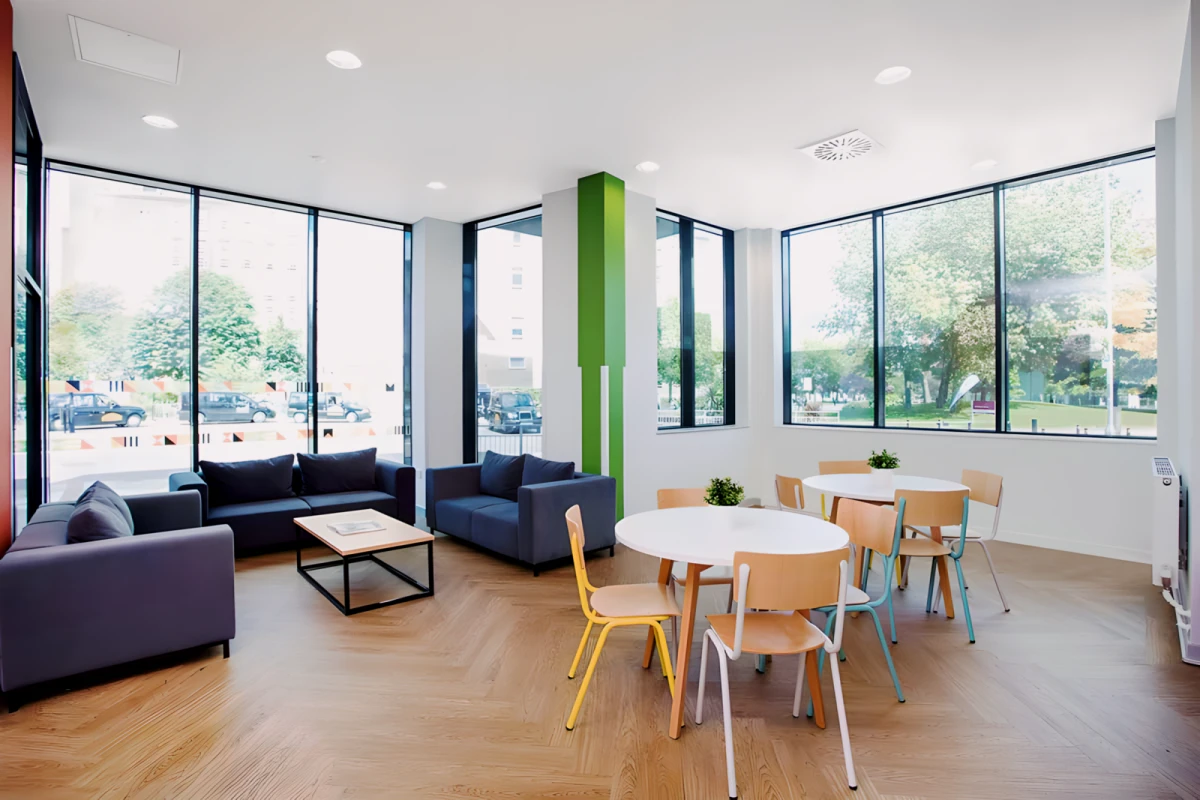
Aston Street, Birmingham B4 7UJ, United Kingdom
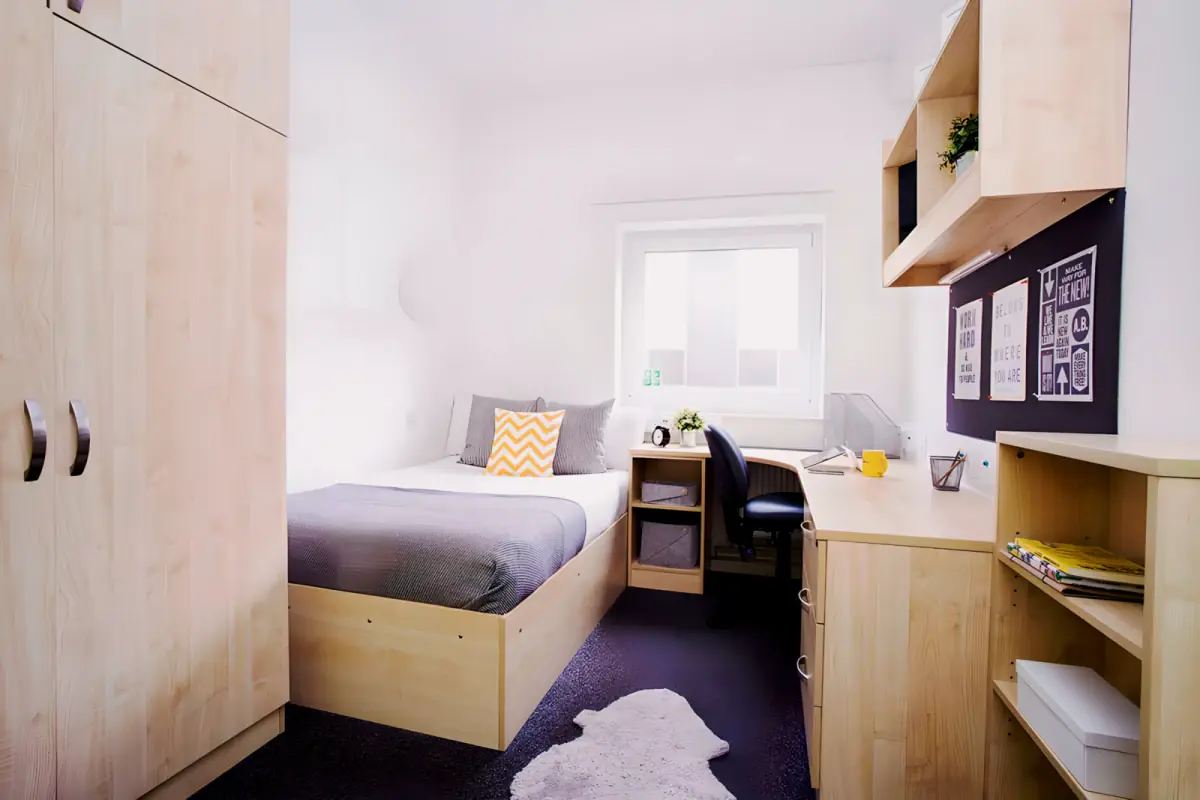
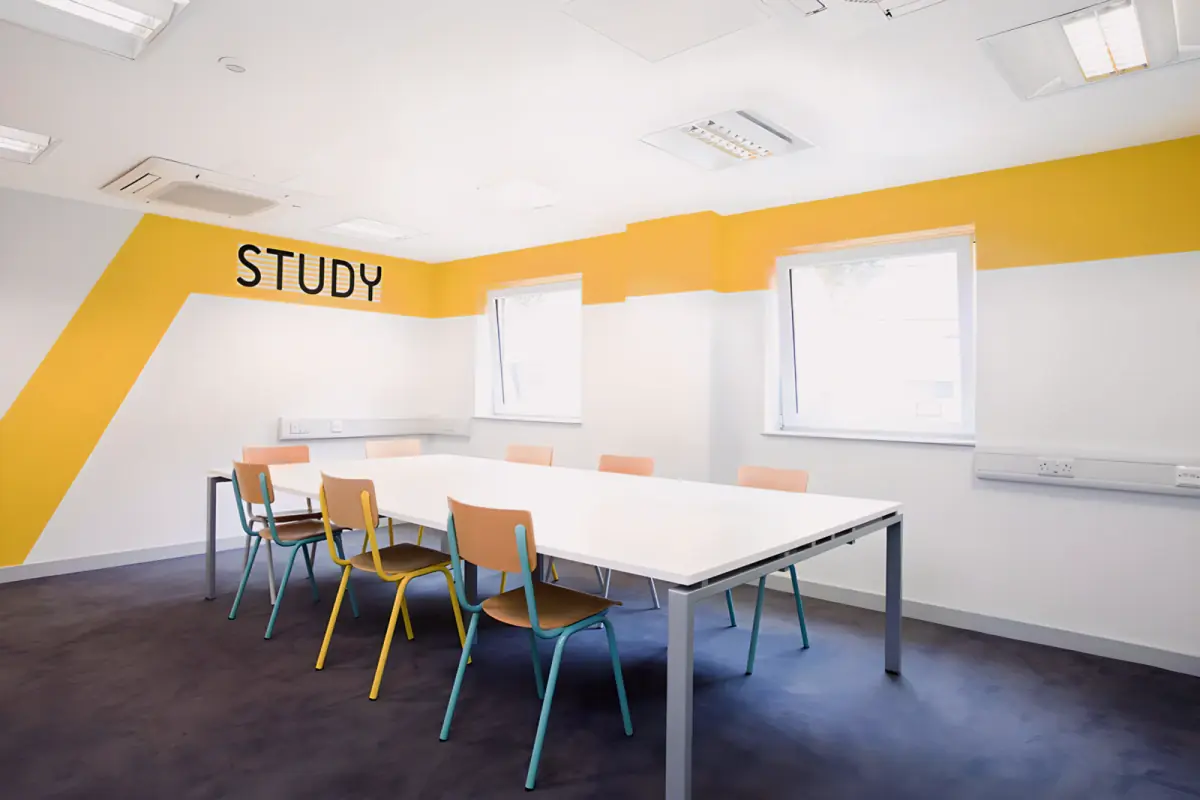
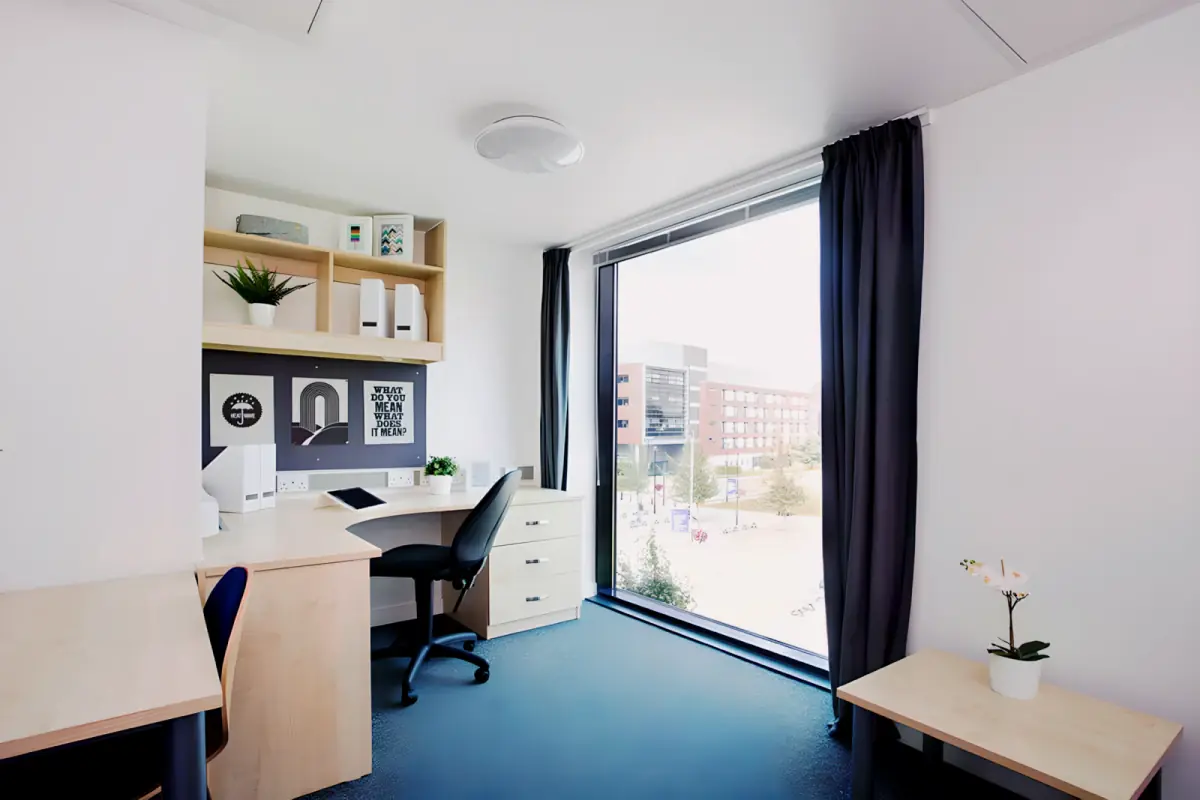
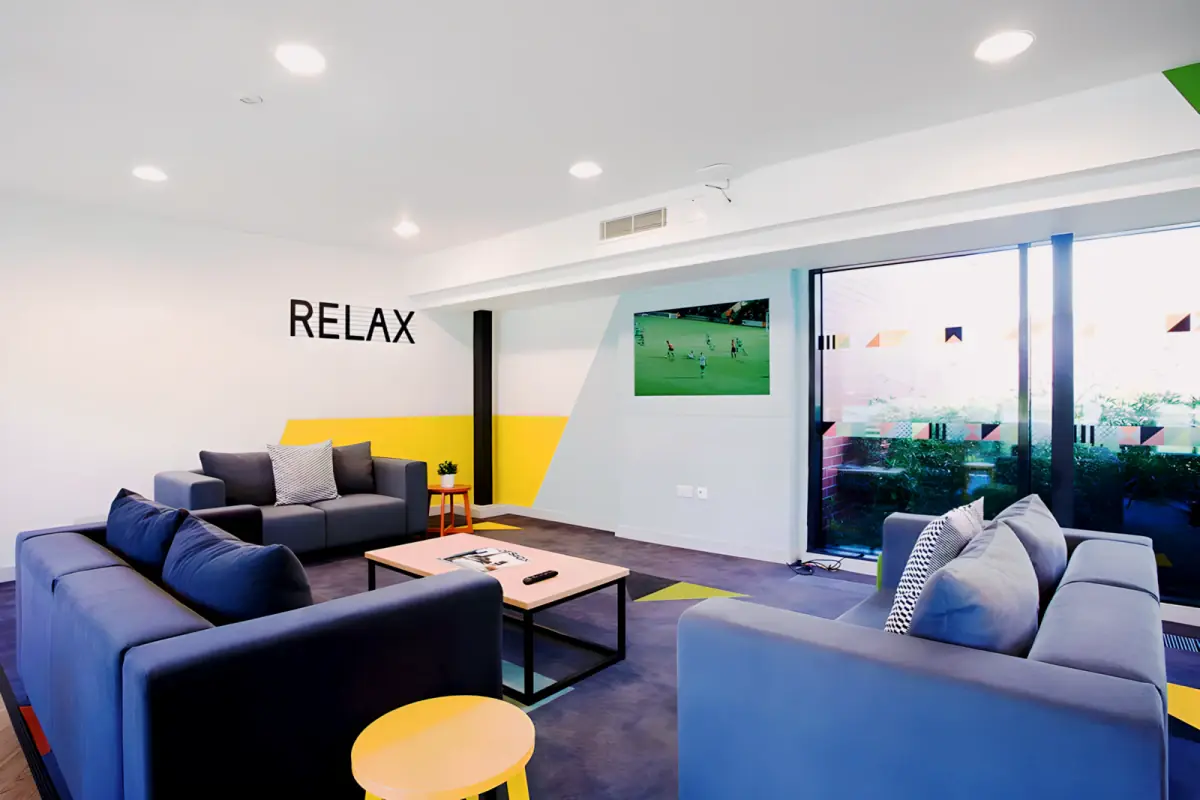
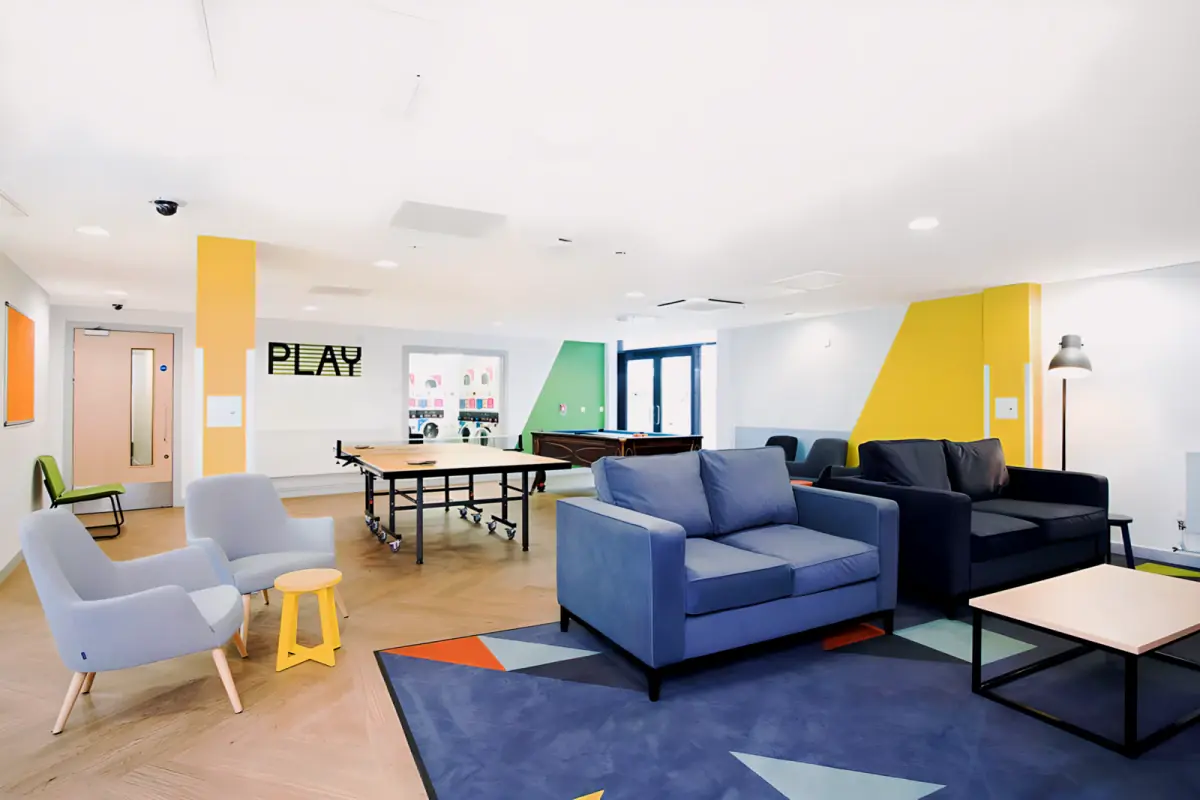
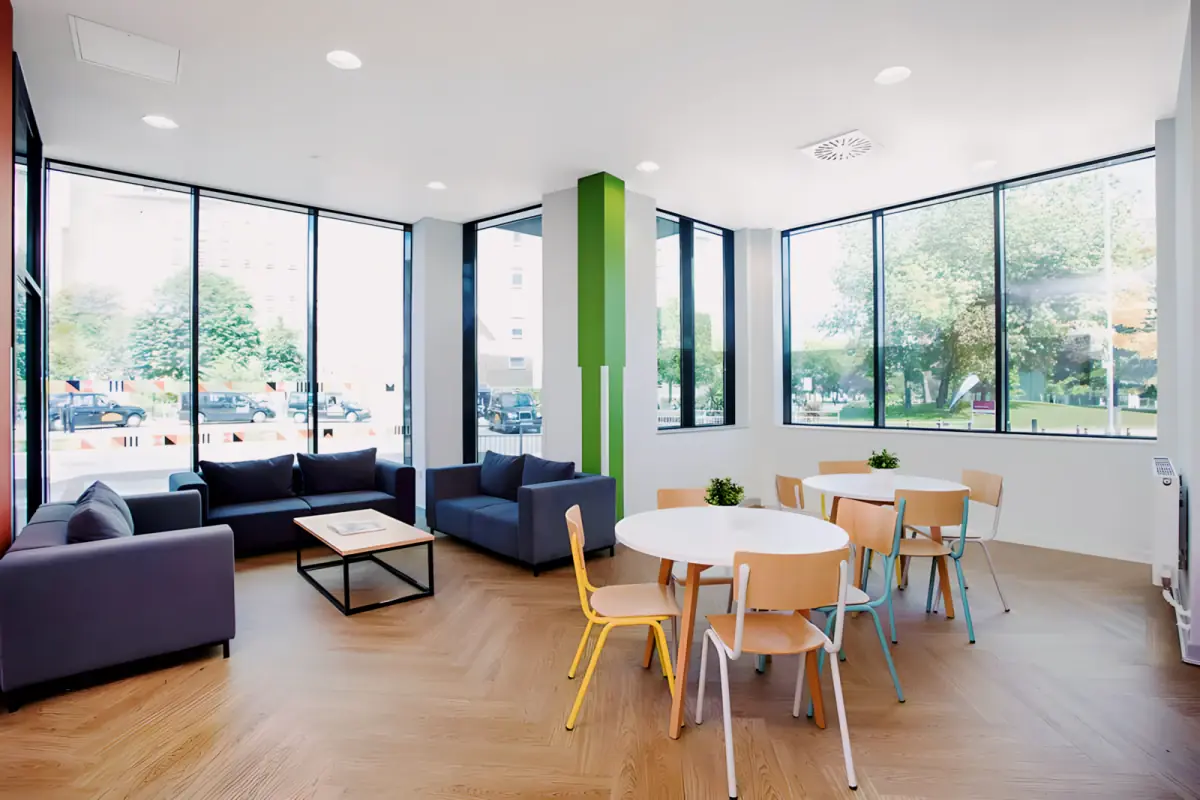

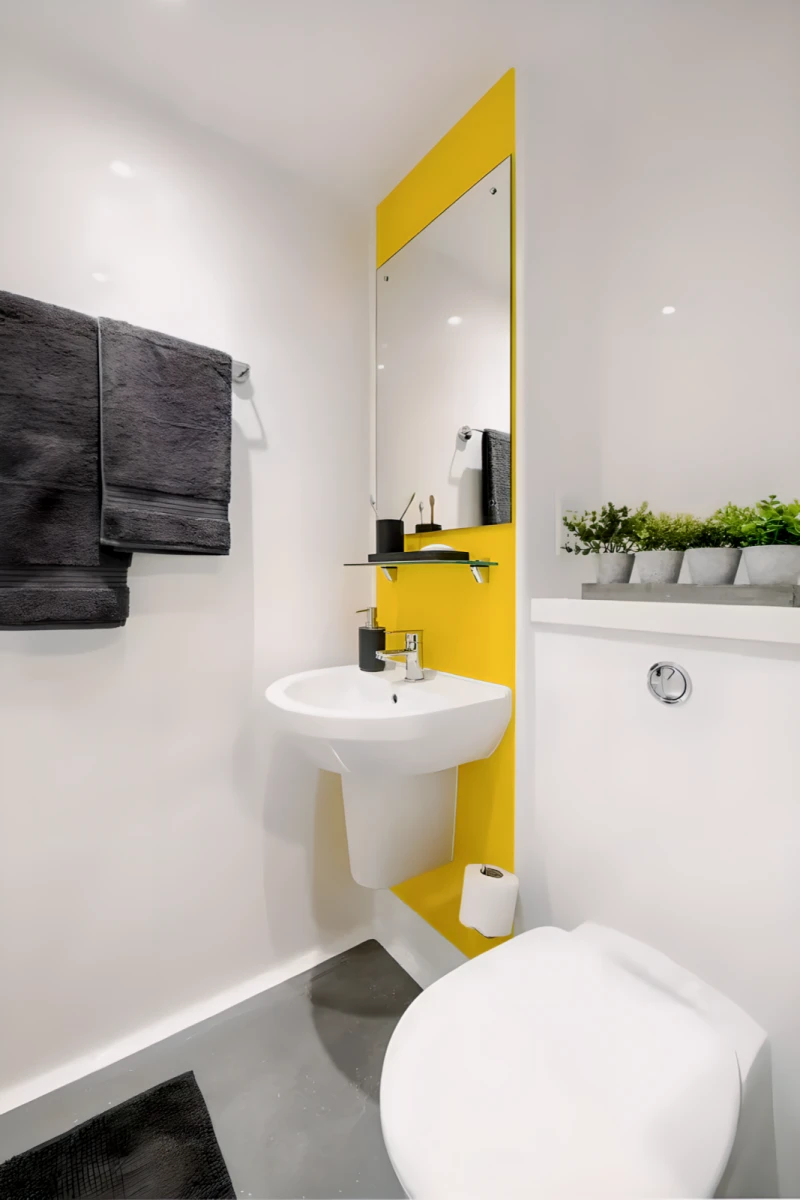
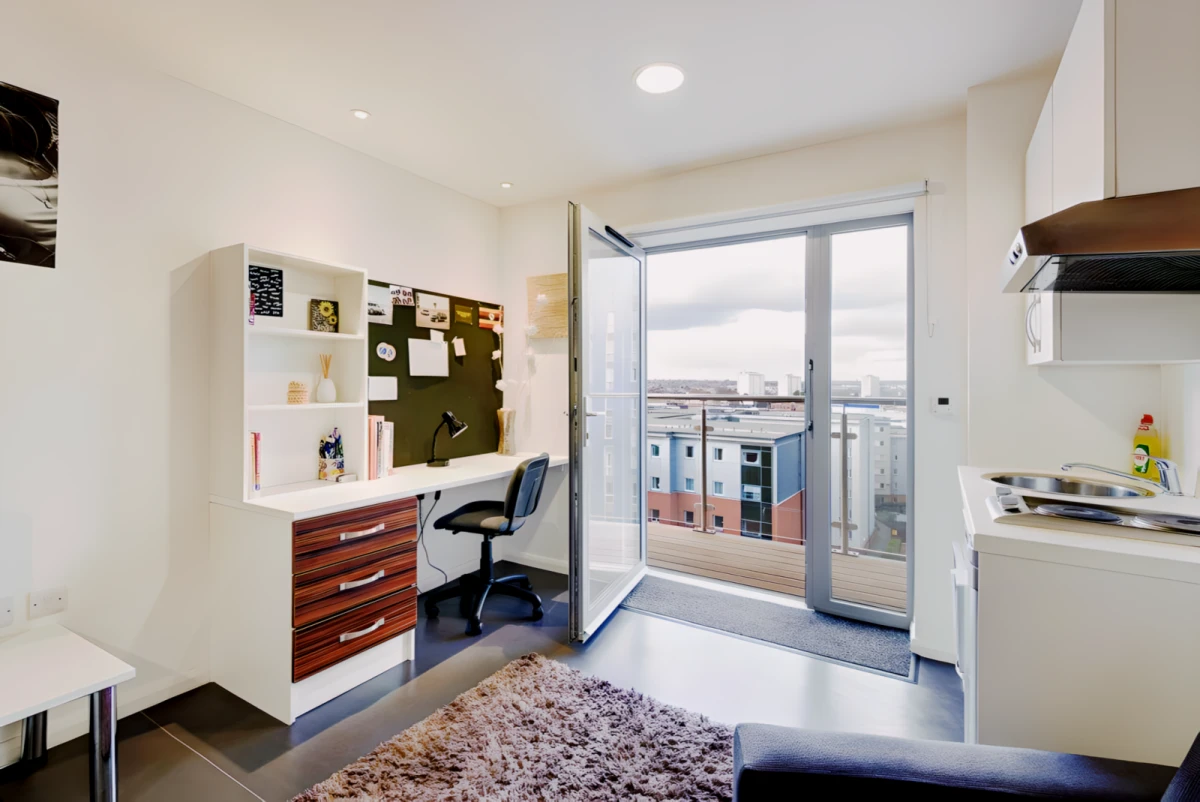
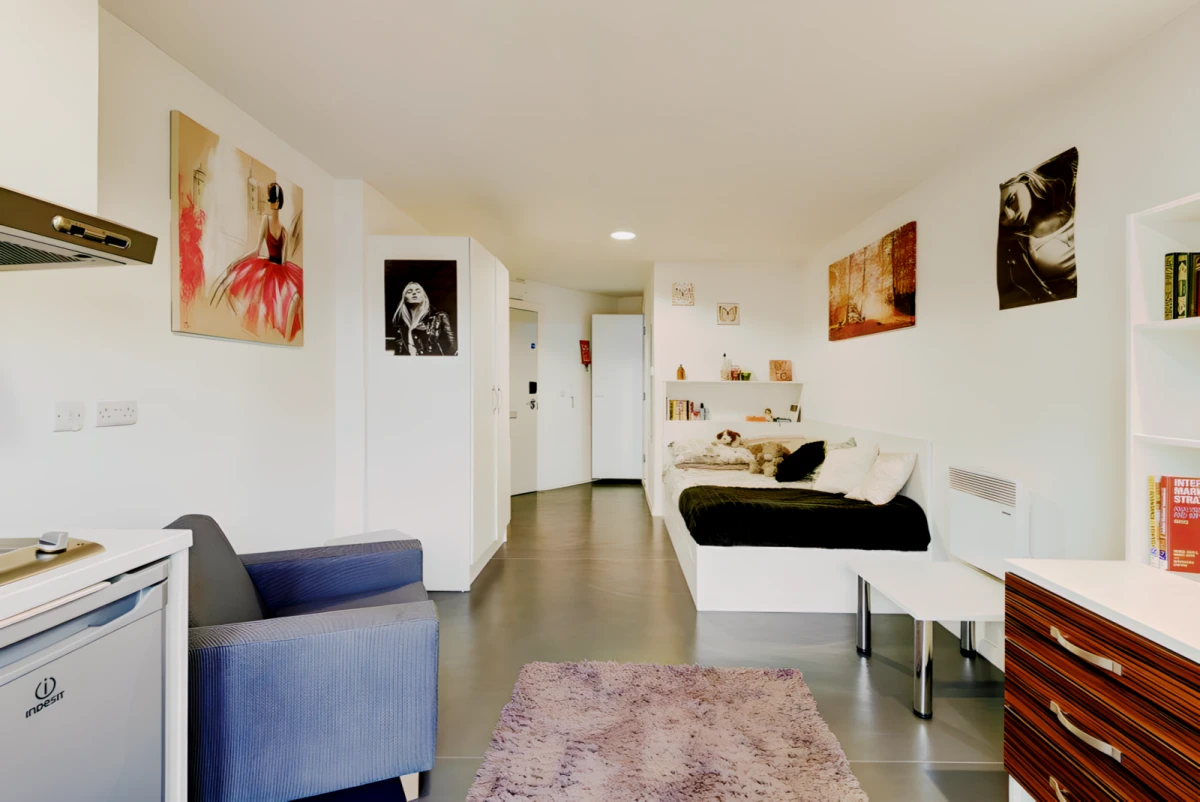
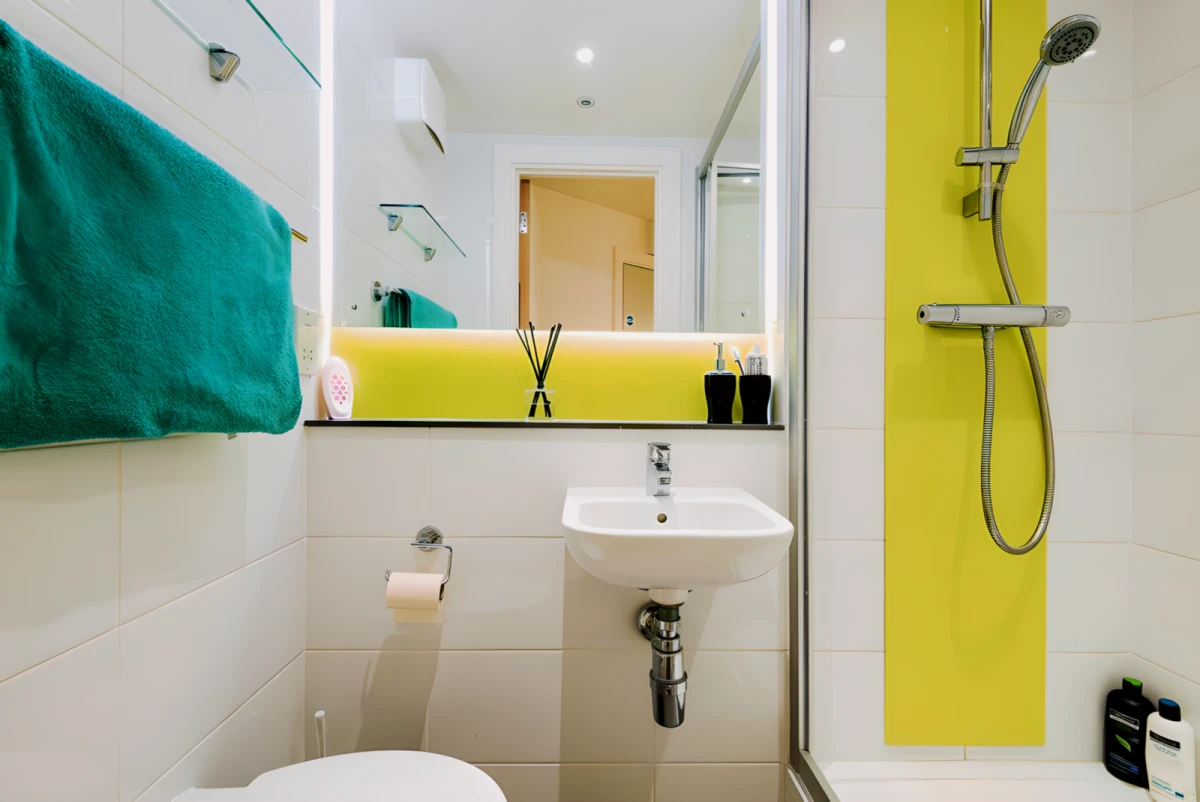
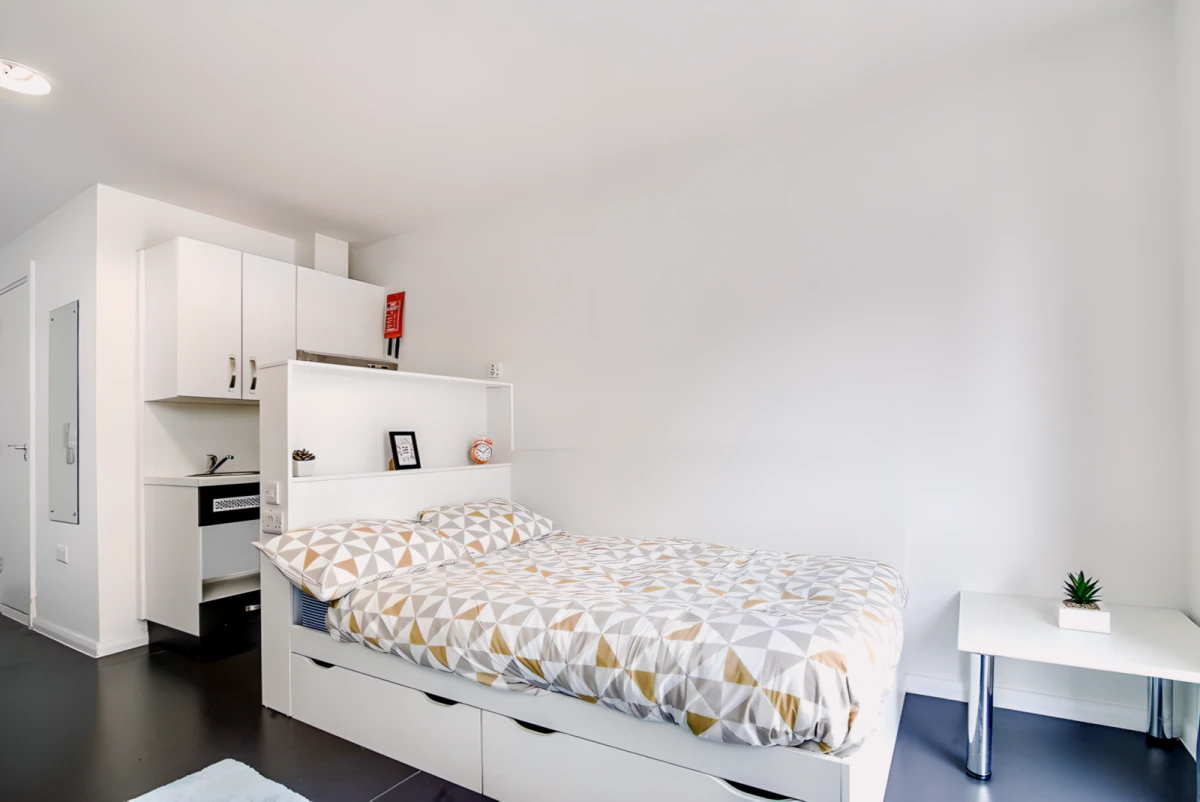
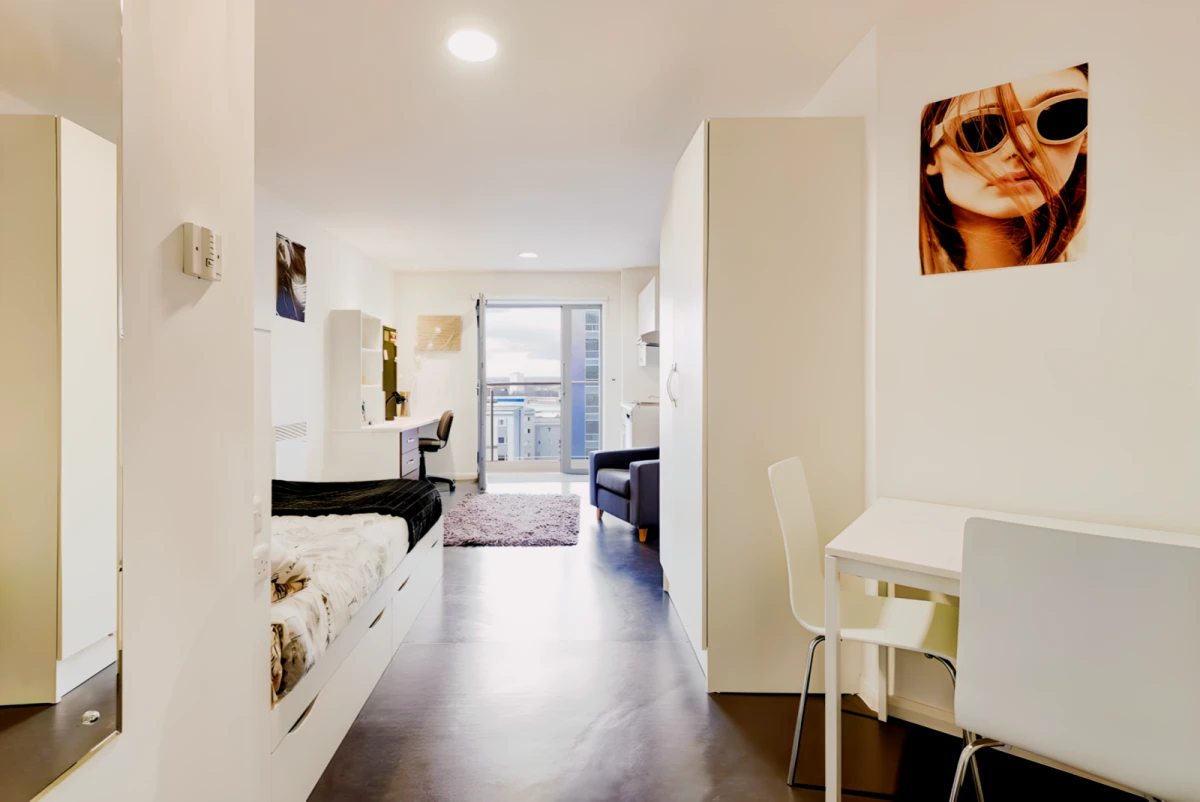
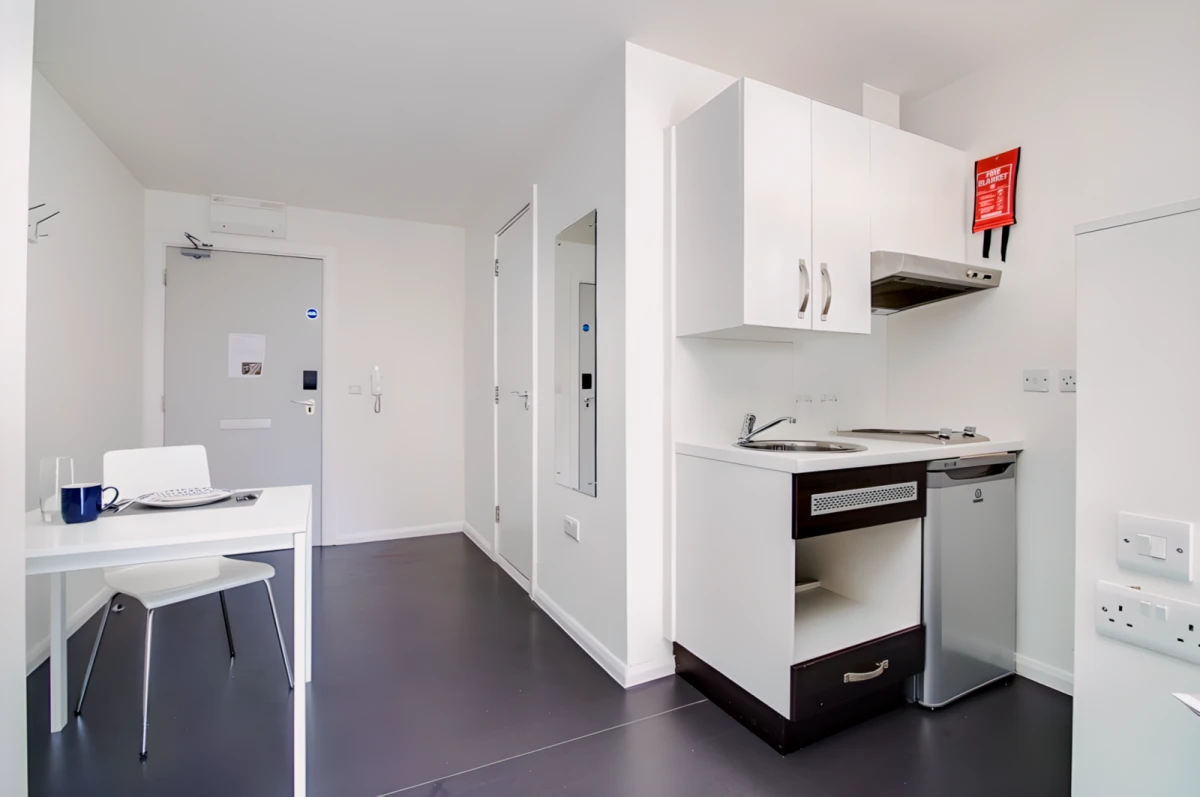
Corporation Street, Birmingham B4 7DP, United Kingdom
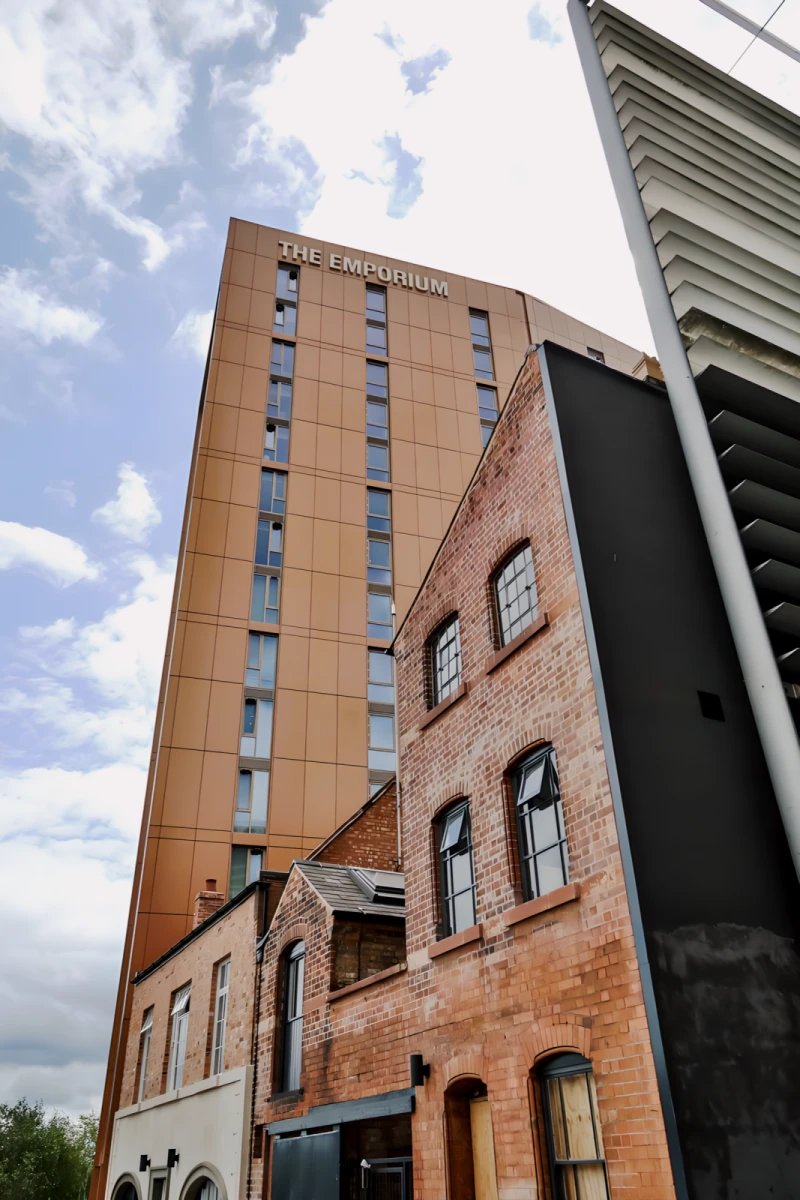
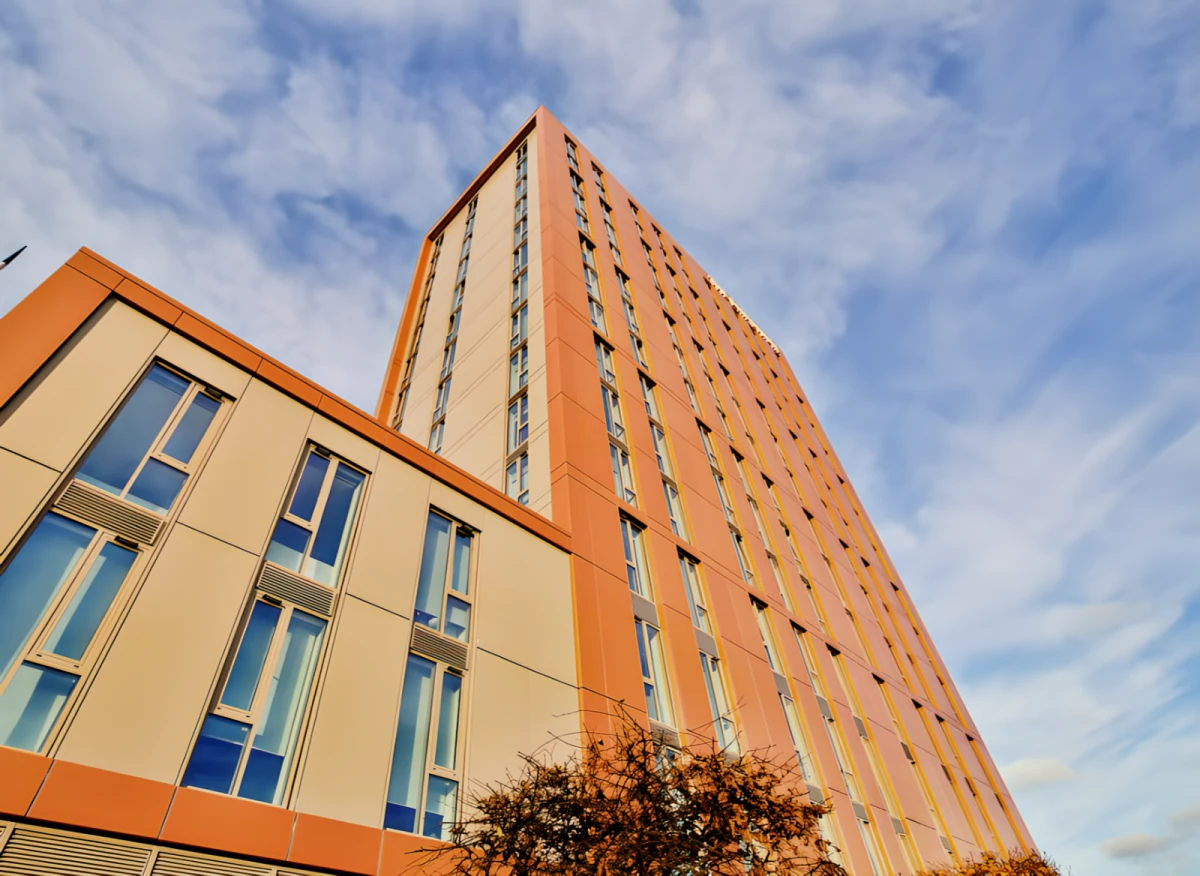
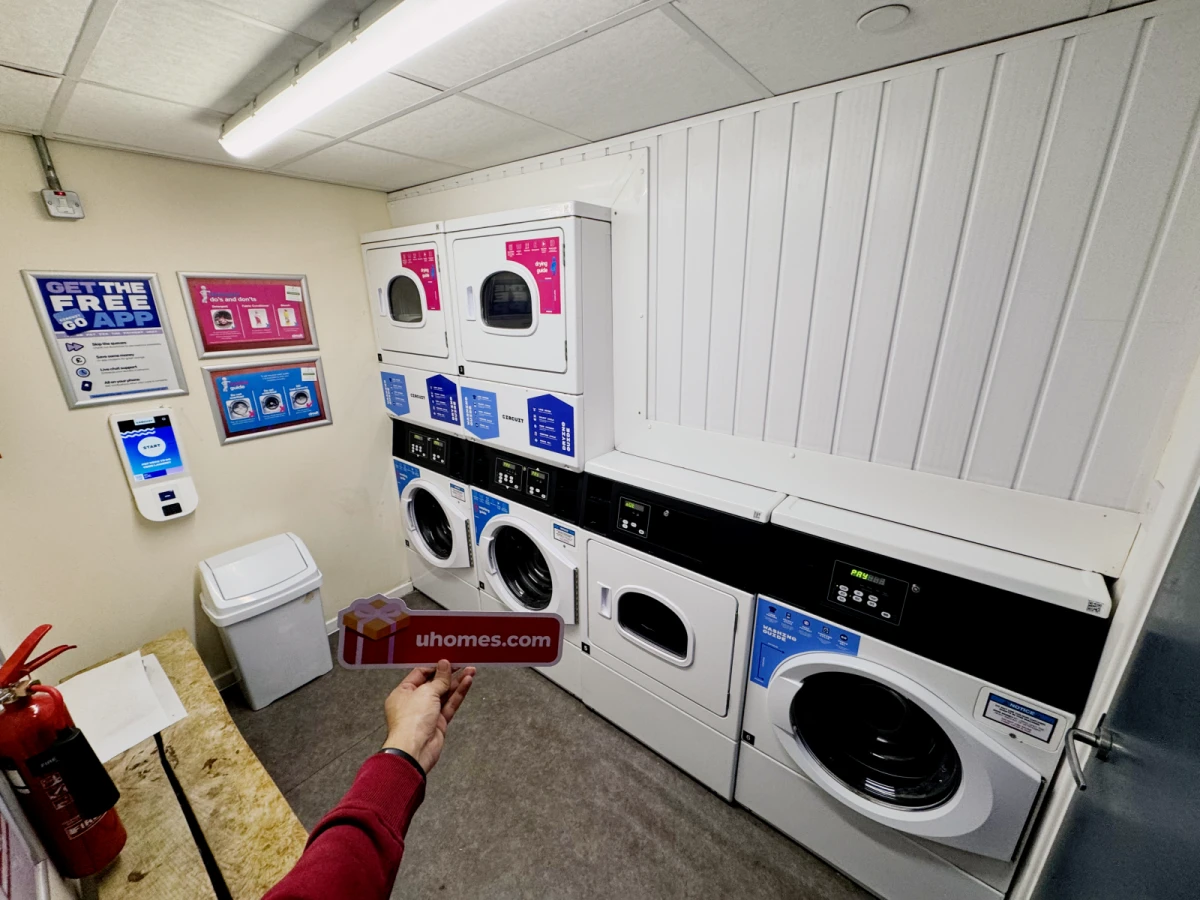
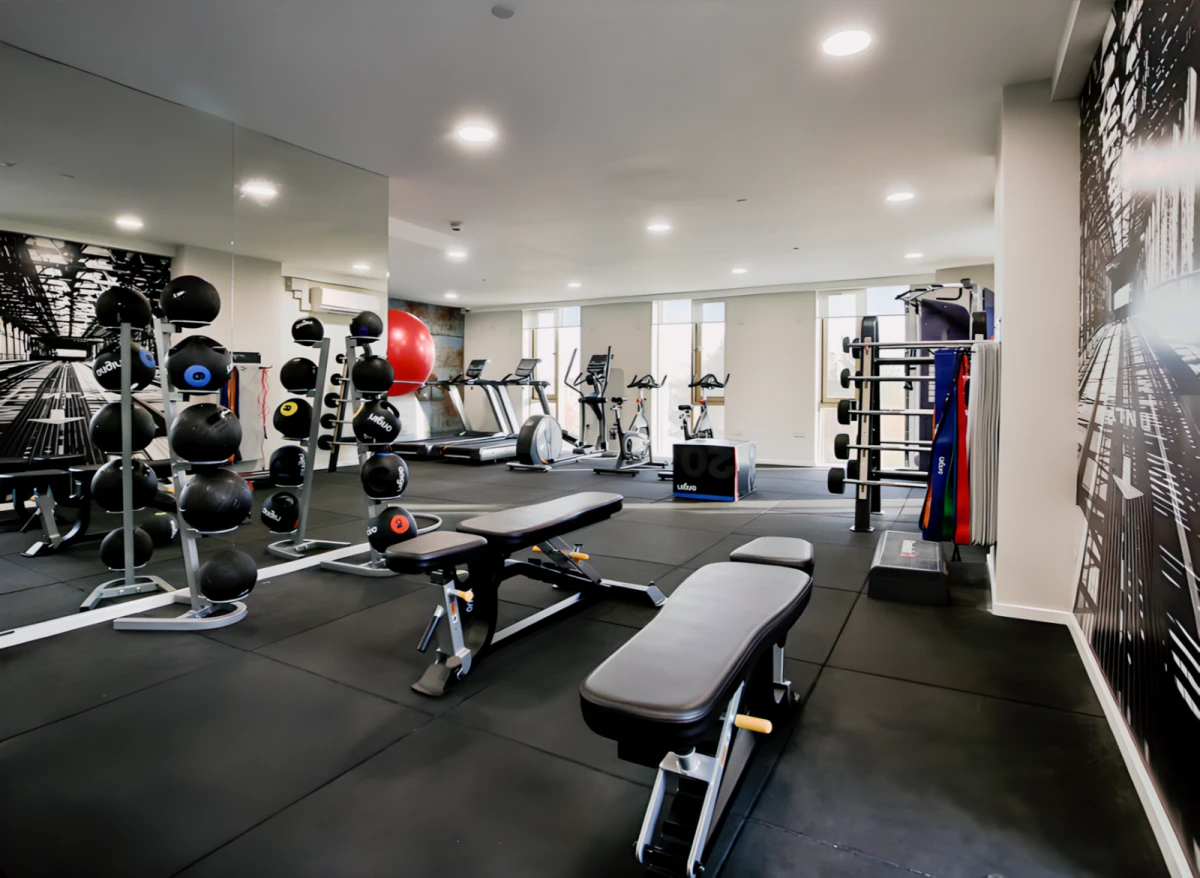
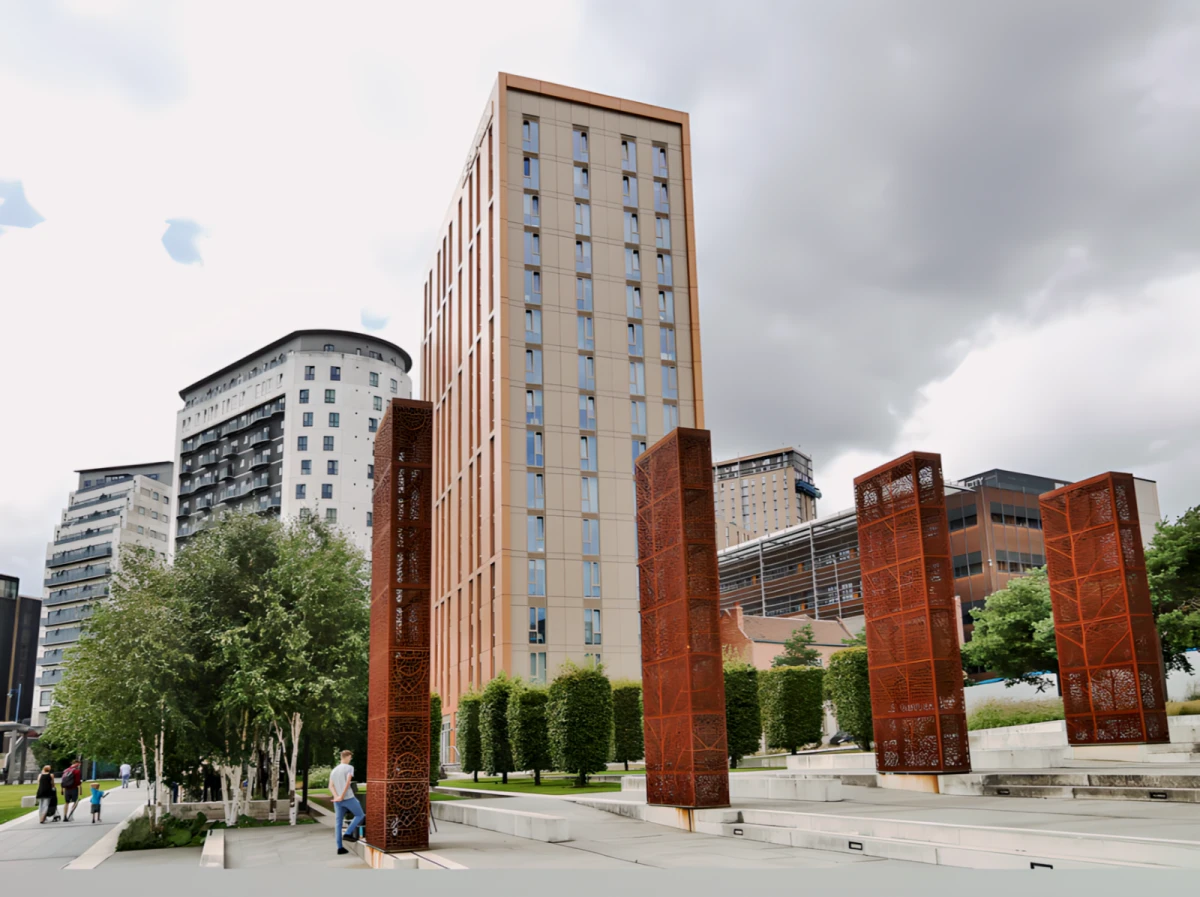
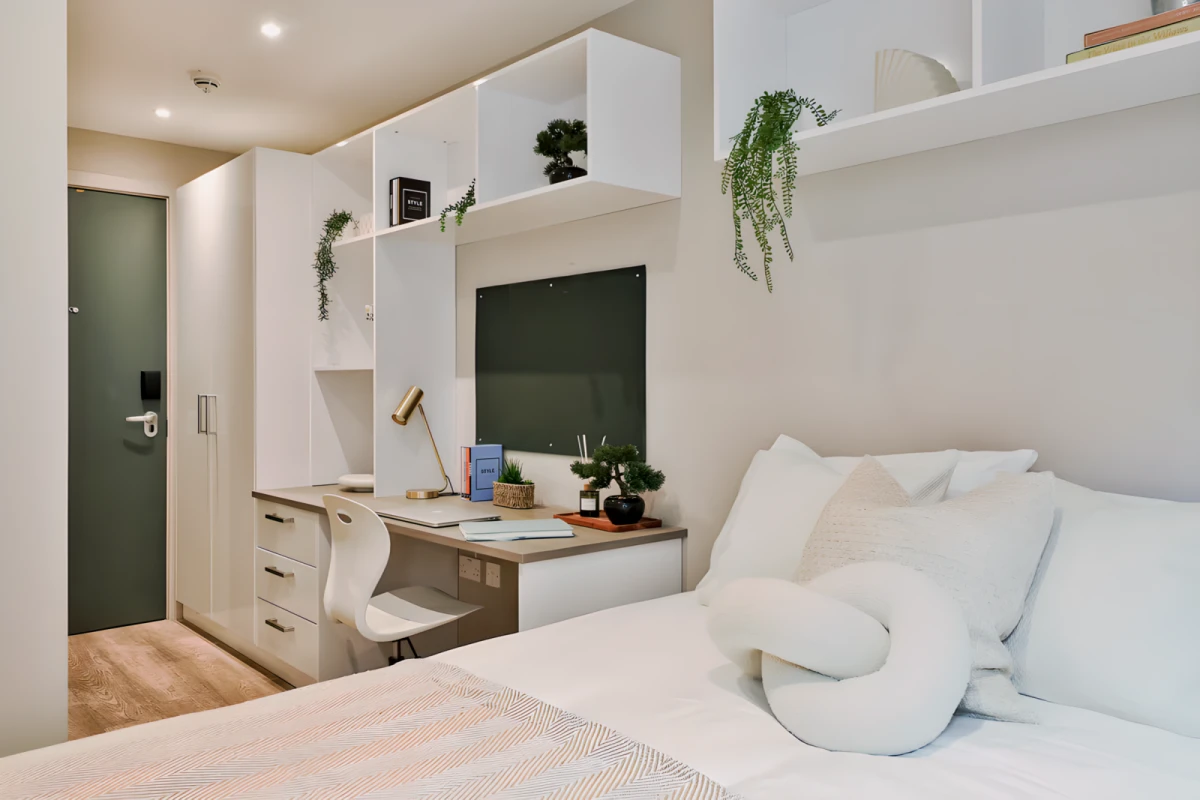


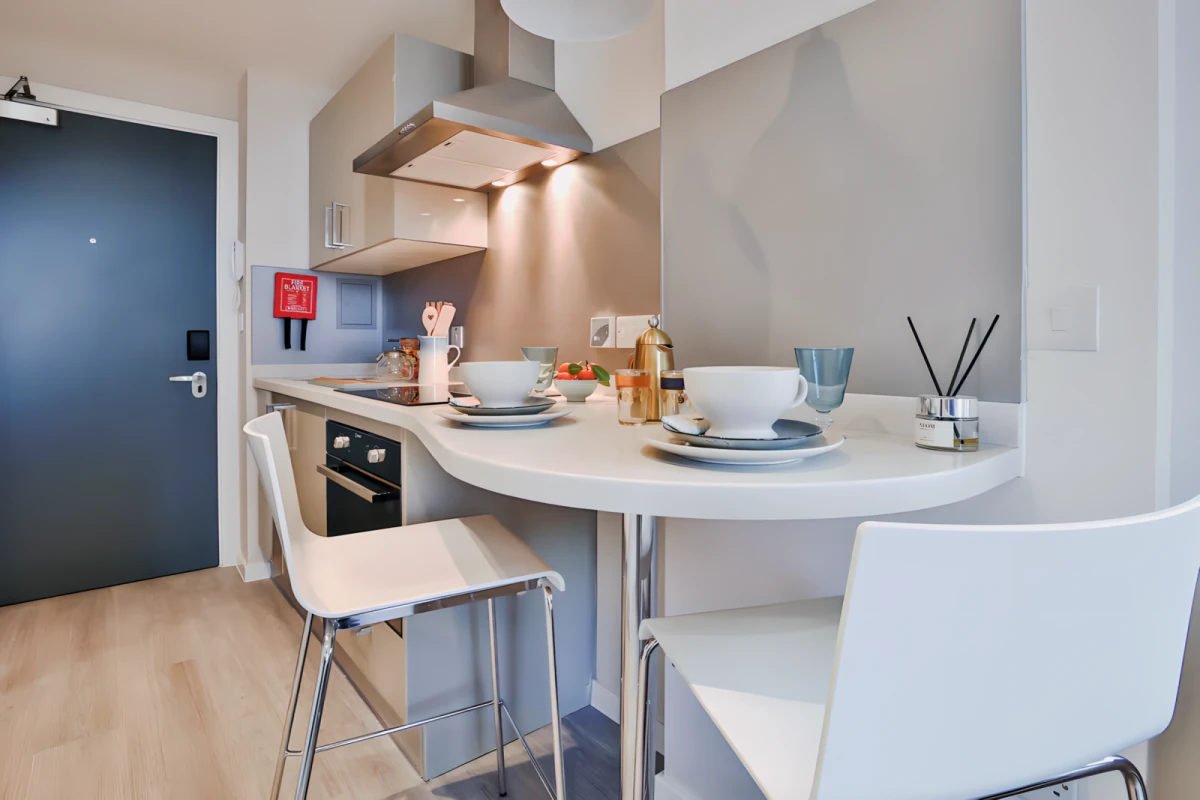
6 Fox Street, Birmingham B5 5AD, United Kingdom