University College London consistently draws students from over 150 countries, and it's easy to see why. It's one of the world's top universities, sits in the middle of one of the world's most interesting cities, and has a campus culture that's genuinely hard to replicate elsewhere. But getting a place to live — that part takes planning.
UCL's own halls fill up fast, and private housing in central London doesn't wait around. Whether you're applying from abroad, moving from another part of the UK, or just trying to figure out what Bloomsbury actually looks like, this guide covers what you need to know before you sign anything.
For a curated selection of student accommodation near UCL, Acolyte Living has properties across the key areas covered in this guide.
Why Students Choose UCL
UCL's main campus is in Bloomsbury, WC1 — Zone 1, central London, ten minutes' walk from two major train stations and surrounded by other universities, hospitals, and cultural institutions. The location matters as much as the degree for many students.
The university itself is research-led, consistently ranked in the global top 10, and offers strong connections across medicine, law, architecture, engineering, and the arts. Graduate employment rates are high, and the alumni network is substantial—more on that in the UCL alumni and career prospects guide.
Beyond academics, London is the job. Internships, part-time work, networking events, and industry placements are available in a way they simply aren't in smaller university cities.
Best Areas to Live Near UCL
Bloomsbury
This is the obvious choice: UCL's main buildings, the British Museum, and Senate House Library are all within a five-minute walk of most Bloomsbury streets. Rent is higher here than further out, but you eliminate commuting time entirely. It's a quiet, academic neighbourhood by London standards — less nightlife than nearby areas, more libraries and garden squares.
Camden
About 20 minutes north by tube or 30–40 minutes on foot. Camden is cheaper than Bloomsbury and has a strong student population. It's lively, well-connected (Northern and Overground lines), and far more characterful than Zone 1. Most students who live here cycle or take the tube to campus daily without much difficulty.
Euston
Directly adjacent to UCL's campus via Euston Road. Practically speaking, Euston is convenient — the tube station covers Victoria and Northern lines, and the area has a lot of student lets. It's not the prettiest part of London, but the location is hard to beat for minimising commute time.
King's Cross
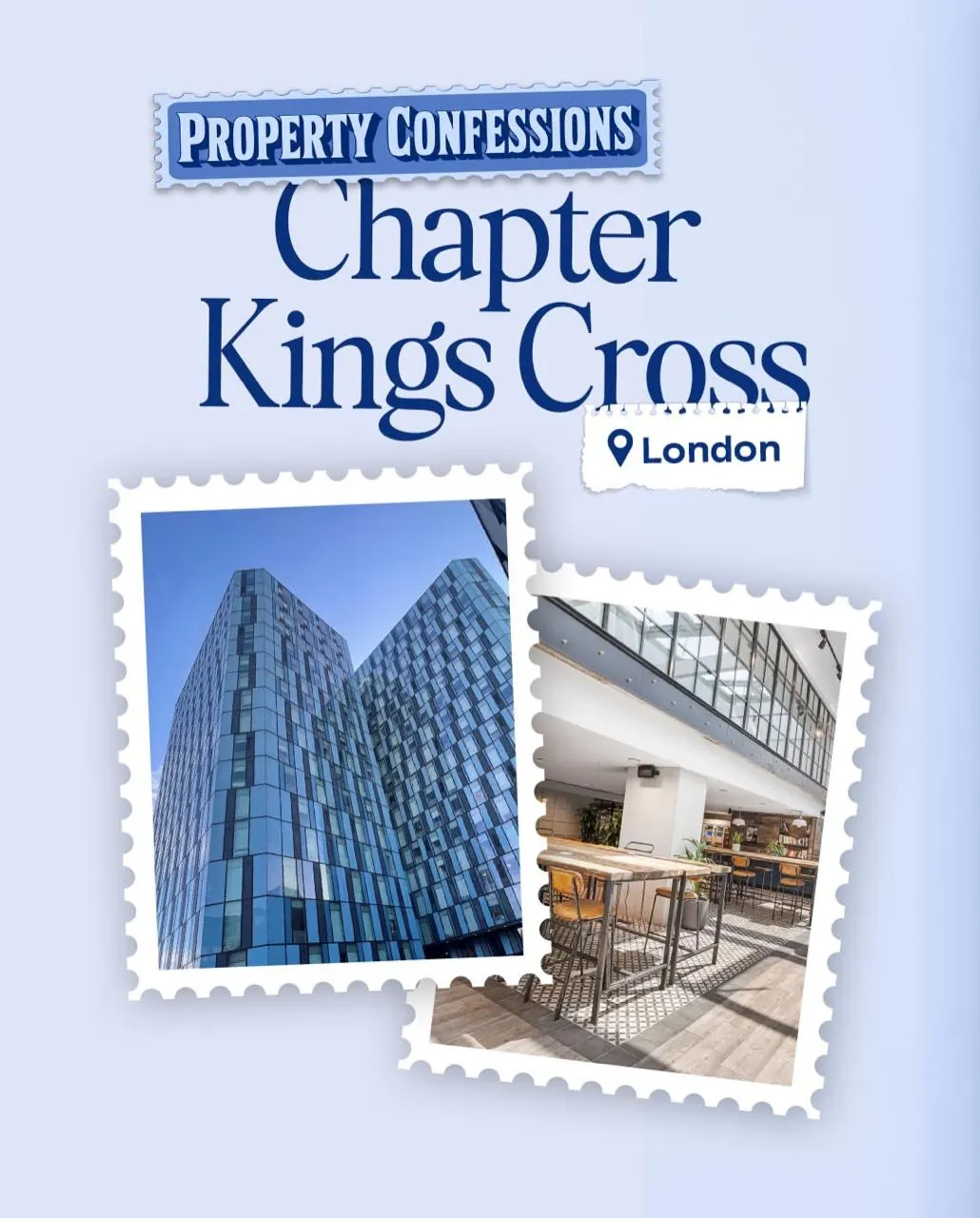
Regenerated significantly over the past decade, King's Cross is now one of the better areas to live in central London. St Pancras International is five minutes away (useful if you're travelling home frequently), and the local food, café, and social scene is genuinely good. Slightly further from UCL than Euston, but still walkable.
Islington
Angel and Islington stations (Northern line) are around 20–25 minutes to UCL. Rents are a bit more reasonable than Bloomsbury, and Islington has good food, independent shops, and a mix of students and young professionals. Upper Street in particular is well worth exploring when you first arrive.
Holborn
Holborn is adjacent to the legal district and walkable from UCL in under 15 minutes. It's quieter than Camden or King's Cross, but central and convenient. Good tube connections on Central and Piccadilly lines.
Average Rent Prices Near UCL
| Area | Studio (pcm) | 1-bed (pcm) | Room in shared house (pcm) |
| Bloomsbury (WC1) | £1,800–£2,200 | £2,200–£2,800 | £950–£1,250 |
| Euston (NW1) | £1,600–£2,000 | £2,000–£2,500 | £850–£1,100 |
| King's Cross (N1C) | £1,700–£2,100 | £2,100–£2,600 | £900–£1,150 |
| Camden (NW1/NW3) | £1,400–£1,800 | £1,800–£2,300 | £800–£1,050 |
| Islington (N1) | £1,500–£1,900 | £1,900–£2,400 | £850–£1,100 |
| Holborn (WC2) | £1,700–£2,100 | £2,100–£2,600 | £900–£1,200 |
Prices are estimates based on 2024/25 market rates and will vary by property type, furnishing, and bills included.
UCL Halls vs Private Student Accommodation
UCL operates several halls of residence, including: Ramsay Hall (Bloomsbury), Max Rayne House, and various intercollegiate halls shared with other University of London institutions. First-year undergraduates are prioritised for places, but they're not guaranteed, and the process is competitive.
| Factor | UCL Halls | |
| Location | Mostly Bloomsbury/Zone 1 | Flexible — Zone 1 to Zone 3 |
| Contract length | Usually 38–42 weeks | Flexible (3-month to 12-month) |
| Bills included | Usually yes | Often yes, depends on provider |
| Flexibility | Limited — set by university | More flexible on dates |
| Social environment | Built-in student community | Varies by property |
| Availability | First-come, first-served | Year-round availability |
| Typical cost | £220–£320 per week | £200–£350+ per week |
Tips for International Students Moving to London
Sort your accommodation before you arrive. Don't rely on finding something when you land. The market moves fast, particularly in August and September.
Understand your visa and bank account requirements. Most private landlords and accommodation providers ask for proof of funds or a guarantor. International students often need a UK-based guarantor or to pay several months upfront. Check this before committing.
Register with a GP early. The NHS registration process is straightforward but takes time. Your accommodation's local surgery is the easiest option. Don't wait until you're ill.
Open a UK bank account as soon as possible. You'll need one for rent, transport, and everyday spending. Several banks (Monzo, Revolut, Starling) offer accounts with no address required upfront, which helps in the first weeks.
Get an 18+ Student Oyster card. It takes a few weeks to arrive, so apply shortly after you confirm your place at UCL.
UCL's International Student Support team is genuinely helpful and worth contacting before you arrive if you have questions. Acolyte Living's team can also help international students understand what to expect from private student housing in London.
How to Book Student Accommodation Early
For UCL halls, applications open in the spring of the year you're starting. Check the UCL Accommodation portal for specific dates — they vary by intake year.
For private accommodation:
- Start looking in March–May for a September start. Good properties in central London go before summer.
- View in person if possible, or request a video tour if you're overseas.
- Check what's included — bills, contents insurance, wifi, laundry.
- Read the contract carefully — check break clauses, deposit terms (must be in a government-approved scheme), and what happens if your course dates change.
Why Students Prefer Private Housing Near UCL
UCL halls are well-located, but they fill up quickly and don't suit everyone. Here's why many students — particularly second and third years, postgraduates, and internationals — end up in private accommodation:
- More choice of location — you can prioritise proximity to your department, your gym, your social life, or your commute
- Flexible contract lengths — important for postgrad students on non-standard courses
- Bills-included options — useful for budgeting clarity
- More private space — a self-contained studio or flat vs a shared hall bathroom has its appeal
Acolyte Living's London student accommodation covers several areas near UCL with modern, bills-included rooms and flexible tenancy options.
Conclusion
Finding accommodation near UCL takes more forward-planning than most students expect, particularly if you're moving from overseas. The areas covered in this guide — Bloomsbury, Camden, Euston, King's Cross, Islington, and Holborn — all have something different to offer in terms of price, character, and commute time.
If you're at the early stage of looking, explore Acolyte Living's student accommodation near UCL to see what's available in your preferred area for 2025 entry.
FAQ
Q: Is UCL accommodation guaranteed for first-year students?
UCL guarantees accommodation to first-year undergraduates who accept UCL as their firm choice and apply before the deadline (usually early July). It's not automatic — you have to apply through the UCL portal.
Q: What is the average rent for a student room near UCL in 2025?
A room in a shared house near UCL costs roughly £850–£1,250 per month depending on the area. Studio flats range from around £1,400 to £2,200 in central areas.
Q: Can international students rent private accommodation in the UK?
Yes. Most private landlords and student accommodation providers accept international students. You may need to pay more upfront if you don't have a UK guarantor.
Q: Which tube lines are closest to UCL's main campus?
Euston Square (Hammersmith & City, Circle, Metropolitan) is the closest station. Russell Square (Piccadilly) and Warren Street (Victoria, Northern) are also walking distance.
Q: When should I start looking for accommodation near UCL?
For September starts, begin looking in March or April. Decent central London properties are often let by May or June.
Q: What areas near UCL are cheapest for students?
Camden and Islington tend to offer better value than Bloomsbury or Holborn for shared rooms. King's Cross and Euston fall in the middle.
Q: Do student rooms in London include bills?
Some do, some don't. Many purpose-built student accommodation providers (including Acolyte Living) include bills in the rent. Always check before signing.