Zone 1 London is the innermost and most central of the capital's travel zones, covering the West End, the City, Bloomsbury, King's Cross, Westminster and the South Bank, home to the highest concentration of universities and colleges anywhere in the UK. For students who want zero commute and to be at the absolute centre of London life, browse student accommodation in London for verified Zone 1 options, and read on for what living in Zone 1 actually involves and the best Zone 1 student accommodation available now. This guide covers the character of Zone 1, transport, costs, and a rundown of the leading Zone 1 buildings.


london City properties
Find your perfect student accommodation
Zone 1 London at a glance
| Item | Details |
| Character | Central London, universities, culture, highest rents |
| Universities nearby | UCL, LSE, KCL, City St George's, UAL, Queen Mary (partly), Imperial (partly) |
| Commute | Typically 0-15 minutes to most Zone 1 campuses |
| Rent premium | Highest of any London zone |
| Best for | Students who want zero commute and central city life |
What is it like living in Zone 1 London?
London Zone 1 is the beating heart of the capital, and living there means your daily life happens on foot or a very short Tube ride: lectures, libraries, museums, theatres, restaurants and nightlife are all within easy reach without relying on a long commute. Areas like Bloomsbury and King's Cross cluster around UCL and the British Library, Aldgate and the City sit near Queen Mary, City St George's and the financial district, and Westminster and the South Bank put you near King's College London, LSE and the Southbank Centre. The trade-off is cost, Zone 1 accommodation carries the highest rent premium in London, but for students who value time over money, and who want the full central London experience, it is unmatched. My tip: Zone 1 is worth the premium if you would otherwise spend an hour a day commuting, factor the value of that time back into your budget comparison.
The best Zone 1 London student accommodation
Zone 1 has the largest and most varied concentration of purpose-built student accommodation in the UK. Here are some of the leading options across the zone:
- Northumberland House, on Northumberland Avenue near Trafalgar Square, steps from KCL, LSE and the Strand campus
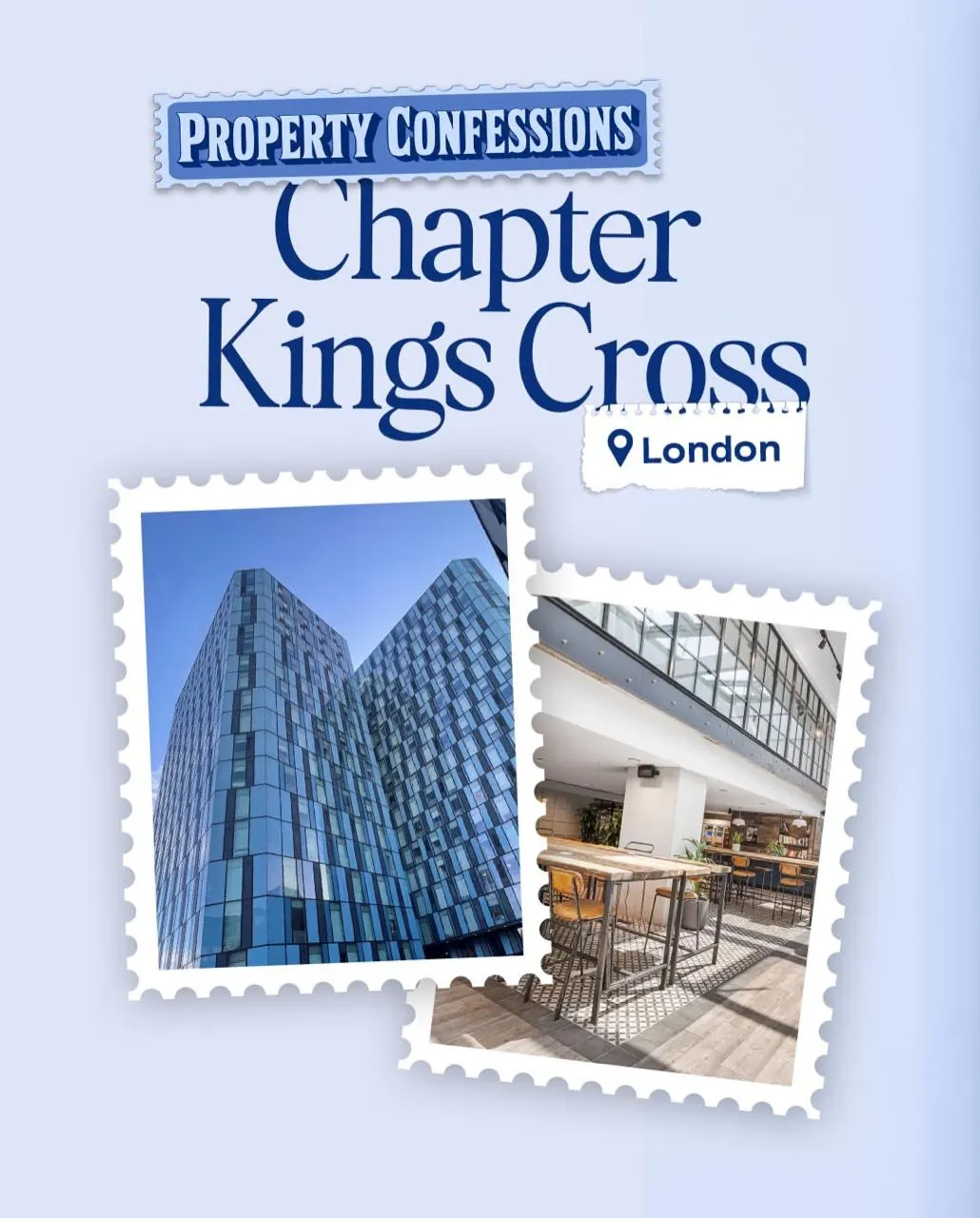
- Chapter Kings Cross, in the fast-regenerating King's Cross district, close to UCL and St Pancras International
- Scape Kings Cross, another premium King's Cross option with strong transport links
- iQ Bloomsbury, in the heart of academic Bloomsbury, walking distance to UCL and SOAS
- Chapter Aldgate, in the City-adjacent Aldgate area, convenient for Queen Mary and City St George's
- iQ Aldgate, a second strong Aldgate option with easy access to the City
- iQ Magenta House, a central London iQ building with the standard iQ amenity package
- urbanest Westminster Bridge, on the South Bank near Westminster Bridge, walking distance to KCL and LSE
- Lit London Bridge Residence, near London Bridge, convenient for KCL's Guy's Campus and the South Bank
My tip: King's Cross and Bloomsbury suit UCL and SOAS students best, Aldgate suits Queen Mary and City St George's, and the South Bank and London Bridge cluster suits KCL and LSE, choose based on your specific campus rather than "Zone 1" alone.
Getting around from Zone 1
Living in Zone 1 means most of your journeys are within Zone 1 itself, keeping fares low and journey times short, typically well under 20 minutes to any other Zone 1 campus by Tube, bus or on foot. Every Underground line, the Elizabeth line, National Rail and the DLR converge in Zone 1, so onward travel to Zones 2 and beyond, for nights out, part-time work or exploring the wider city, is fast and frequent. My tip: many Zone 1 addresses are genuinely walkable to multiple universities, so check the actual walking distance before assuming you need the Tube at all.
Is Zone 1 London worth it for students?
Zone 1 is worth the premium for students who prioritise time, convenience and being at the centre of everything over saving money, particularly those on shorter courses, exchange students, or postgraduates with a tighter timetable who value not commuting. Students on a tighter budget, or those willing to trade 15-25 minutes of commuting for meaningfully lower rent, may be better served by Zone 2 or Zone 3. My tip: read our comparison guide on which London Zone students should live in to weigh Zone 1 against the alternatives properly, or see Zone 2 London for the next step out.
Wassup
Instagram??







FAQs
Q: What is Zone 1 London?
A: Zone 1 is the innermost and most central of London's travel zones, covering the West End, the City, Bloomsbury, King's Cross, Westminster and the South Bank, home to the highest concentration of universities in the UK.
Q: Is Zone 1 London good for students?
A: Yes, for students who want zero commute and to be at the heart of London's culture and university life. It carries the highest rent premium of any zone, so it suits those who value time and convenience over cost.
Q: What is the best Zone 1 student accommodation in London?
A: Leading options include Northumberland House, Chapter Kings Cross, Scape Kings Cross, iQ Bloomsbury, Chapter Aldgate, iQ Aldgate, iQ Magenta House, urbanest Westminster Bridge and Lit London Bridge Residence, each suited to different universities.
Q: Which universities are in Zone 1 London?
A: UCL, LSE, King's College London, City St George's and UAL campuses sit largely within Zone 1, with Queen Mary and Imperial College London having some Zone 1-adjacent facilities alongside their main Zone 2 and Zone 3 campuses.
Q: How much more expensive is Zone 1 than other zones?
A: Zone 1 carries the highest rent premium in London, typically noticeably more than equivalent rooms in Zone 2 or 3. The trade-off is a shorter or non-existent commute and being at the centre of the city.
Q: Is Zone 1 or Zone 2 better for students?
A: It depends on priorities. Zone 1 suits students who want zero commute and central life at a premium price. Zone 2 offers meaningfully lower rent with only a short extra commute, making it the stronger value choice for many students.